

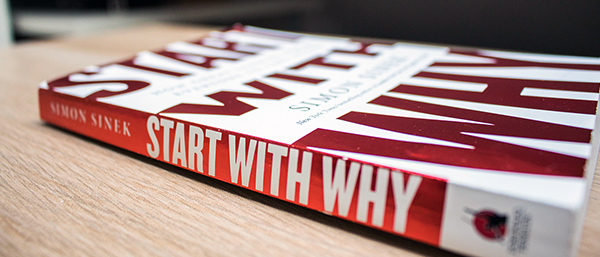
Business Book Review: ‘Start with Why: How great leaders inspire everyone to take action’ by Simon Sinek
19/06/2018
Summarised by Keith Thompson
Introduction
[su_row][su_column size=”2/3″]Why do you do what you do? This is the key question Simon Sinek asks in his bestselling book. In this book, Sinek addresses what many leaders and managers within organisations I think are missing. “Start with Why” addresses what is essentially an organisation’s purpose, why does it exist, what need does it fulfil or what problem does it solve?
Sinek talks about great people such as Martin Luther King, Steve Jobs and the Wright brothers in trying to discover what, in a range of disparate people, made then so successful, innovative and influential.
Sinek became famous or infamous through a 20-minute TED Talk (video below) on the same subject. The TED Talk essentially covers the content of the book. However, the book has many more examples and stories such as Sam Walton of Walmart, Herb Kellerman of South West Airlines and Bill Gates of Microsoft. At the expense of becoming repetitive, all these examples drive home his key point – Start with Why.
[/su_column] [su_column size=”1/3″]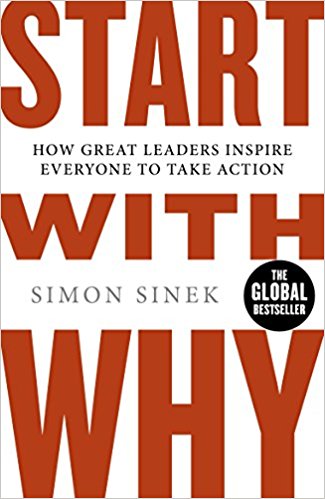 [/su_column][/su_row]
[su_youtube url=”https://youtu.be/hGn1xcZc9yA”]
[/su_column][/su_row]
[su_youtube url=”https://youtu.be/hGn1xcZc9yA”]
The initial parts of the book maintain a remarkable similarity to the TED talk, but the examples in the latter portion show how great leaders change the face of their companies by focusing on “Why”.
Sinek introduces a tool that he has developed called the Golden Circle. This tool effectively centres around Purpose or Why. The Golden Circle is an alternative way of looking at Mission Command / Centralised Intent – subjects of some of our recent blogs.
[su_row][su_column size=”1/2″] The tool can work two ways.Most organisations probably know “What” they do. In parts of those organisations some will know “How” they do it. But very few people in these organisations will know “Why” they do it. So you can eventually get to Why through starting with What and then How.
[/su_column] [su_column size=”1/2″]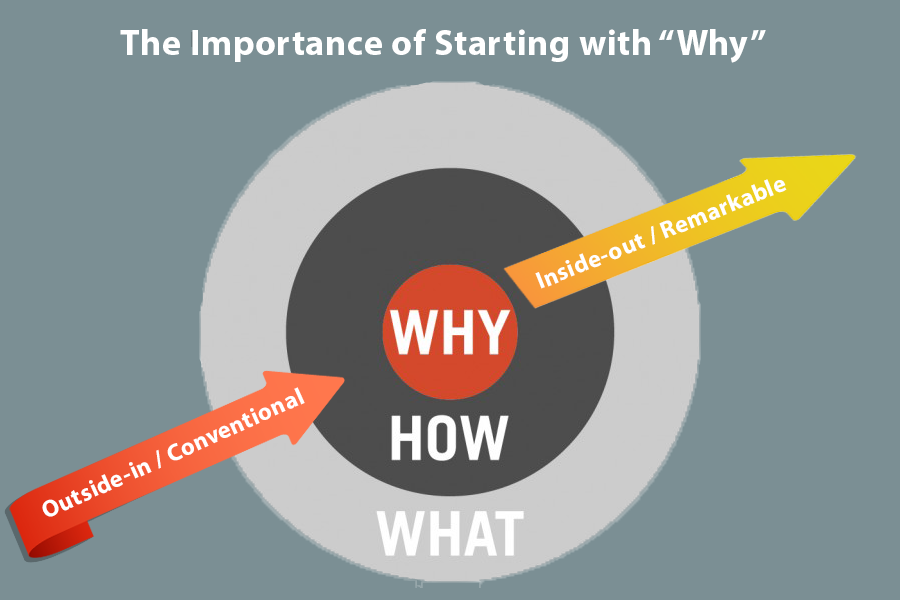
Used the other, and arguably more powerful, way we start with Why we are going to do something. When we know Why, we can then go on to develop How we do something and once we know How we will know What to do maintaining a clear line sight to the Purpose or Why.
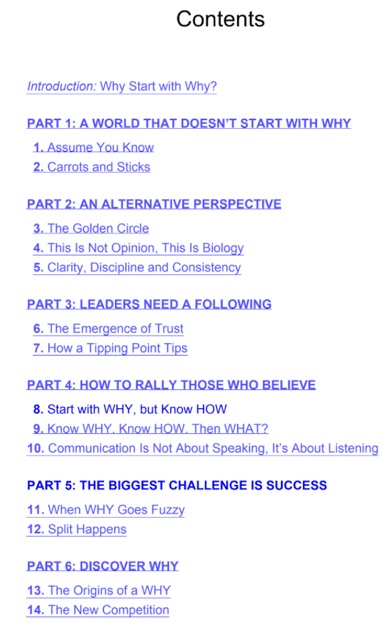
[su_youtube url=”https://youtu.be/Wb8KpHqU5tg”]Consisting of 14 chapters, in six effective parts, it is very easy to read in a day or over the weekend. Following on from his book Sinek has written two further books – the second, on a similar theme, entitled “Find your Why” and his third entitled “Leaders Eat Last”

Categories & Tags:
Leave a comment on this post:
You might also like…

Bank holiday hours for Library Services: Monday 31 August
Library Services staff will be taking a break on Monday 31 August for the bank holiday. You will still be able to access all the resources and help you need via our library website. The 24/7 ...

The real cost of studying in the UK – what international students need to budget for
Moving overseas to pursue a postgraduate degree is one of the most exciting investments you can make in your future. It's also one of the most significant financial commitments you and your family will ...

Seven things you should definitely prepare for before studying at Cranfield University
You're thinking about Cranfield. Maybe you've done the virtual tour, read through the course pages, spoken to the course director or attended a webinar. Now, you're trying to figure out what life here is actually ...

From insurance to aerospace: why I chose to study a PhD with Cranfield
My path to studying for a PhD wasn't exactly a straight line. I had just graduated with an MEng in Aerospace Engineering from the University of Surrey and, like a lot of people, wasn't ...

How to build a business that keeps growing
Ask any business owner about their ambitions and "growth" will almost certainly feature near the top of the list. More customers, higher revenues, larger teams and new markets are often seen as signs of ...

Three practical ways SMEs can build resilience in a challenging business environment
Economic uncertainty, shifting customer expectations and rapid technological change have become part of everyday business. While no organisation can predict every challenge, small and medium-sized enterprises (SMEs) can improve their resilience by focusing on ...