

Advancing Uncrewed Aerial Systems: My Journey at Cranfield University
13/05/2024
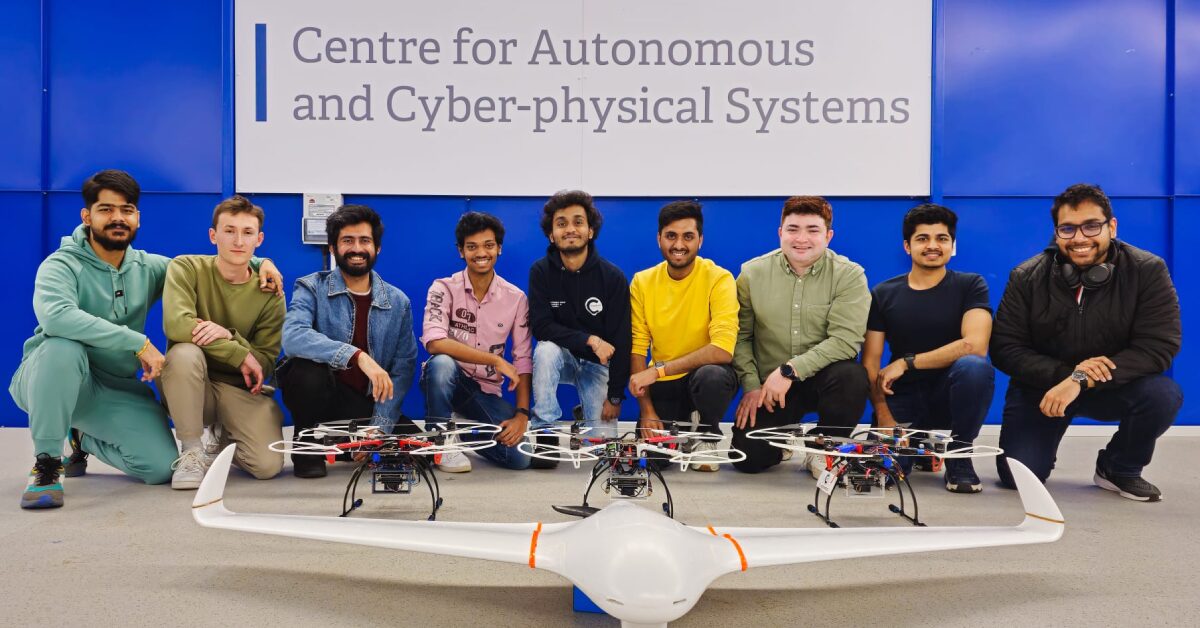
Cranfield University has offered me countless opportunities in the short time I have been here, and I am committed to making the most of them.
 Muhammad Haad Shaikh, current student, Autonomous Vehicle Dynamics and Control MSc
As an expert in drones and uncrewed aircraft systems, I make it a habit to engage with student UAS activities wherever I go. Cranfield University has provided me with the perfect platform to do just that! With the support of my MSc in Autonomous Vehicle Dynamics and Control, which sits within the Centre for Autonomous and Cyber-Physical Systems, I have achieved more than I ever anticipated.
The course adopts a holistic approach to learning, providing a comprehensive understanding of autonomous systems, including their physical dynamics, controls theory, artificial intelligence, guidance, navigation, and more. This emphasis on cutting-edge research is what drew me to the course as well as the state-of-the-art facilities, such as the Indoor Flying Arena, have further amplified my research work.
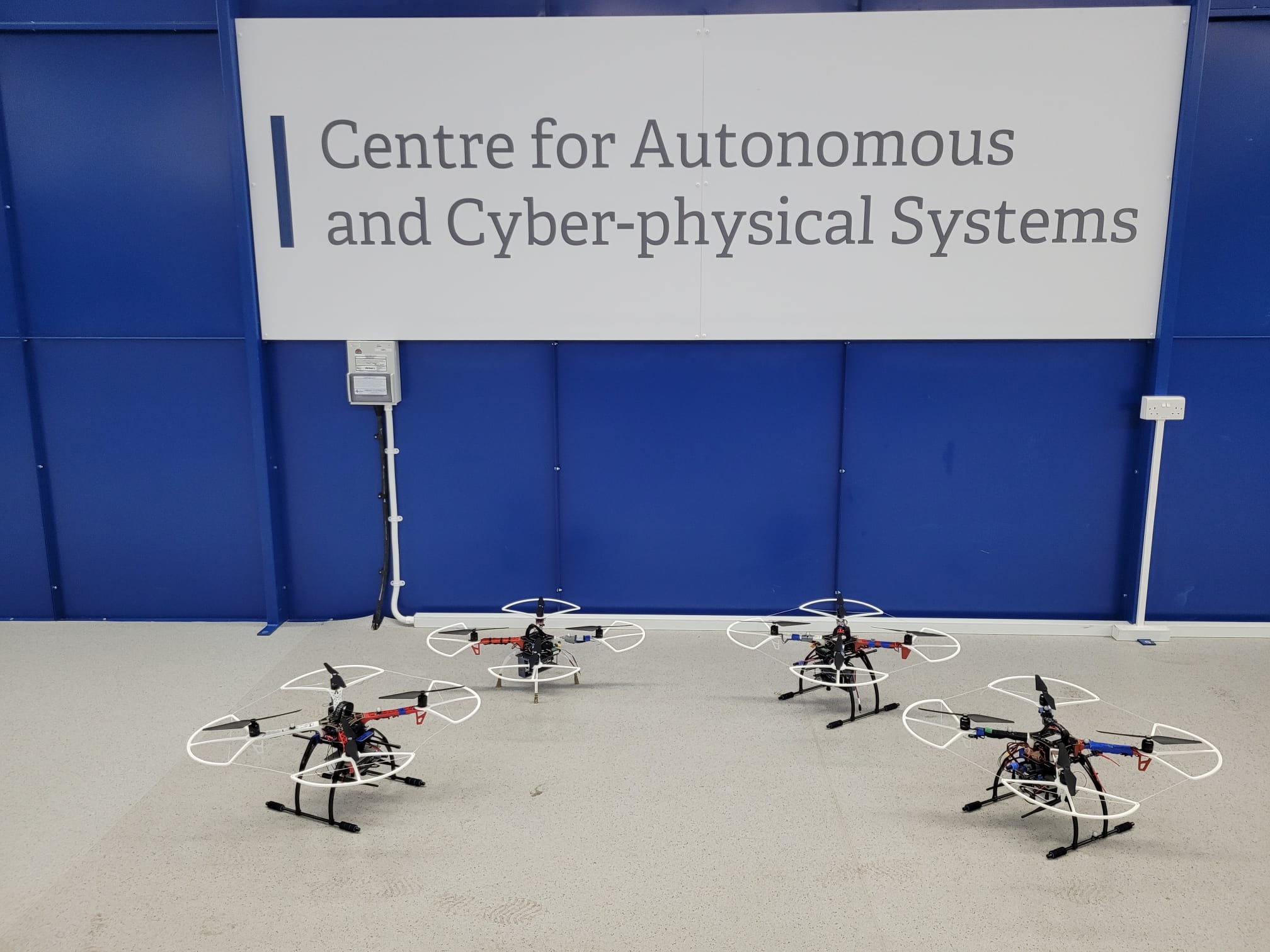
Before delving into extracurricular activities, as part of my Group Design Project (GDP) group I undertook a challenging task: building an autonomous swarm of drones for surveillance. Sponsored by Leonardo, this project required us to construct an indoor GPS-denied swarm of drones capable of navigating with a motion capture system to detect and track unknown ground vehicles within an area. Despite the numerous hurdles we faced, including long hours of dedication from mid-January until March, we successfully delivered on Leonardo’s specifications. You can see the demonstration video of our GDP project here.
What you witness in the demonstration is two drones in a centralised swarm conducting an area search in an indoor environment to locate ground vehicles. Upon detecting a ground vehicle, the intelligent swarm pauses to track it before continuing the search. This capability is crucial for surveillance scenarios and demonstrates the potential for more advanced swarming technologies, as desired by Leonardo. Moreover, the swarm is designed to support the loss of a team member, ensuring the overall system’s continuity, even in the event of an agent malfunction or loss.
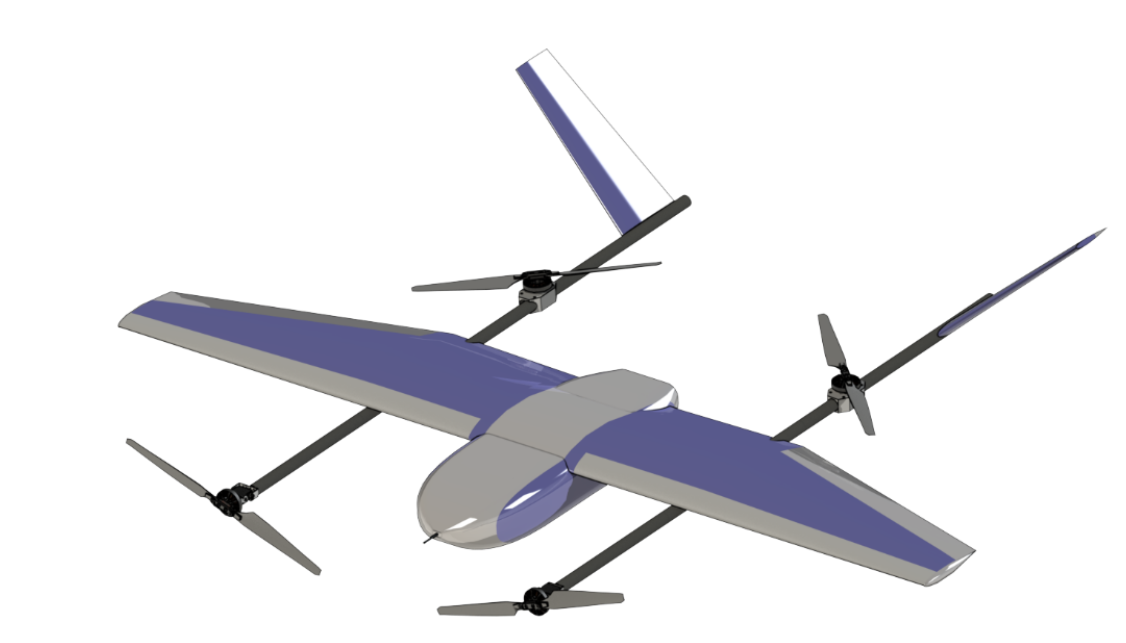
Simultaneously with my GDP, I was involved in another exciting initiative with CranSEDS: the Solar UAV Prototype. CranSEDS is a student society with Cranfield University, which also forms part of the branch of the UKSEDS (UK Students for the Exploration and Development of Space). The group is comprised of students who are passionate about space, technology and engineering from across the university.
Sponsored by GDST London and Airbus, this project tasked CranSEDS with developing a proof-of-concept for area survey and mapping over the Arctic to locate polar icebergs. As one of the project managers, I oversaw the design, development, and management of the team. The CranSEDS Solar UAV team successfully designed, built, and test flew the aircraft from scratch. With the maiden flight just completed, we are now gearing up to install solar cells on the UAV for its next flight, scheduled for the second week of June. Follow the CranSEDS Solar UAV LinkedIn.
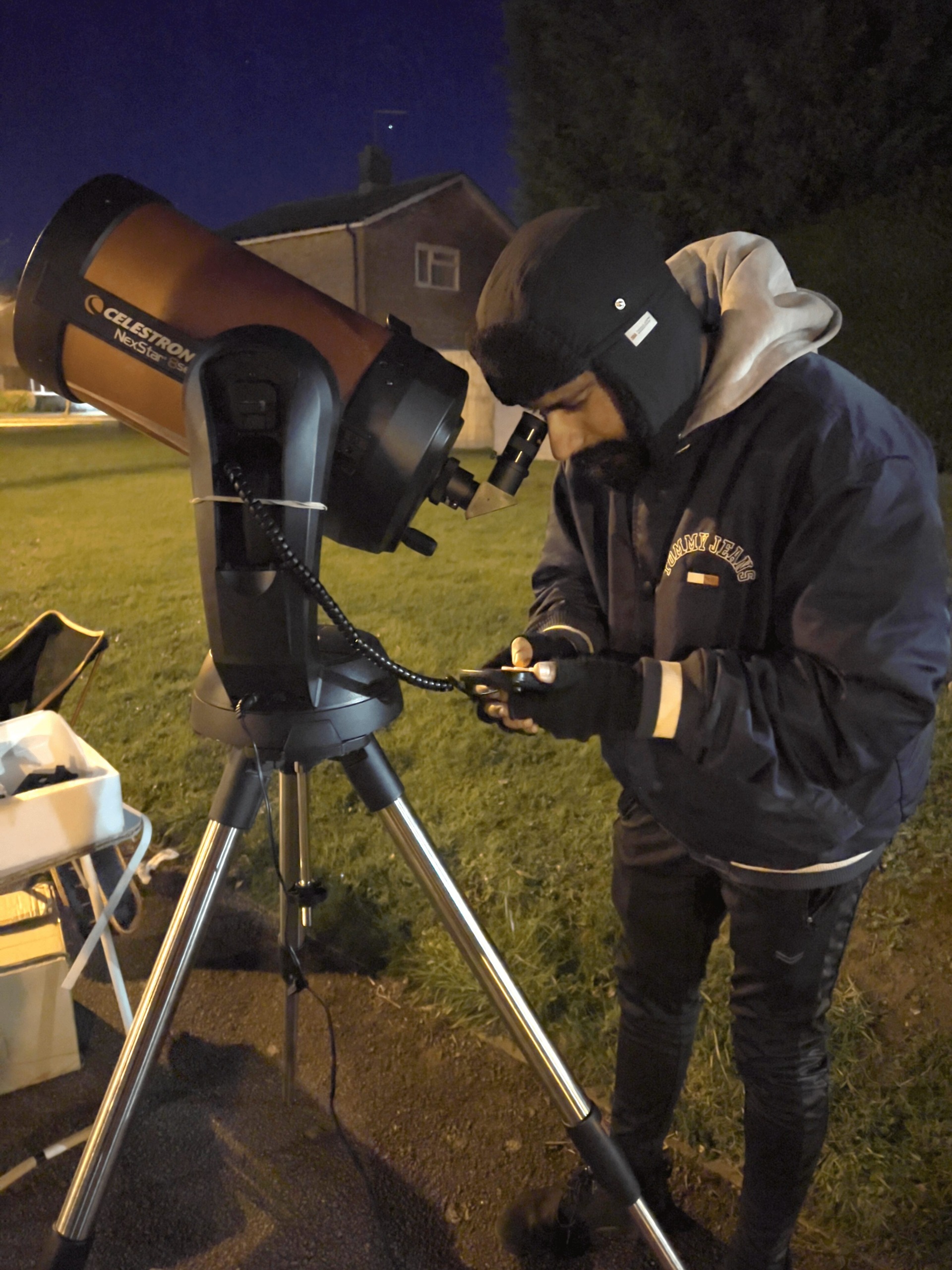
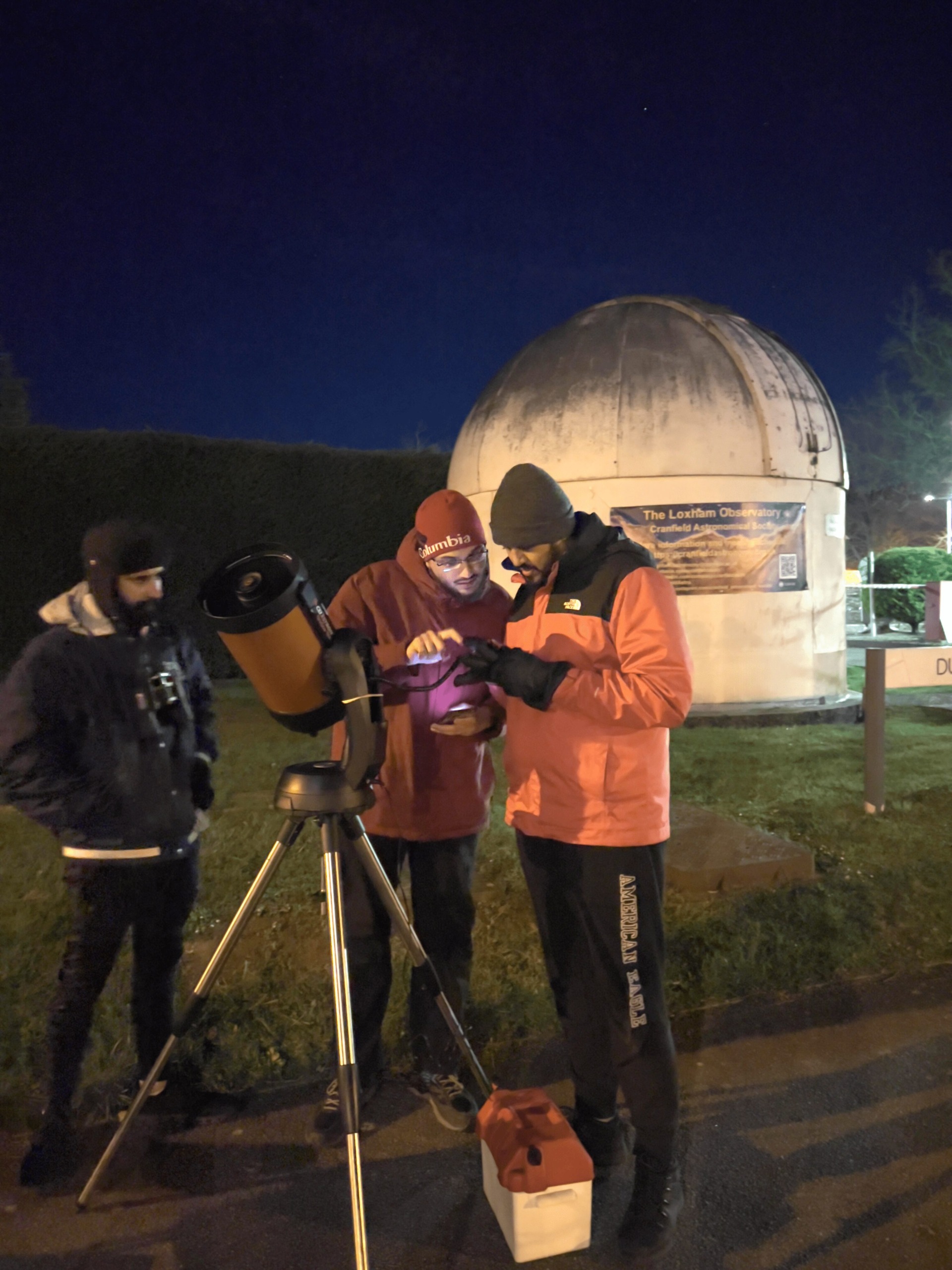
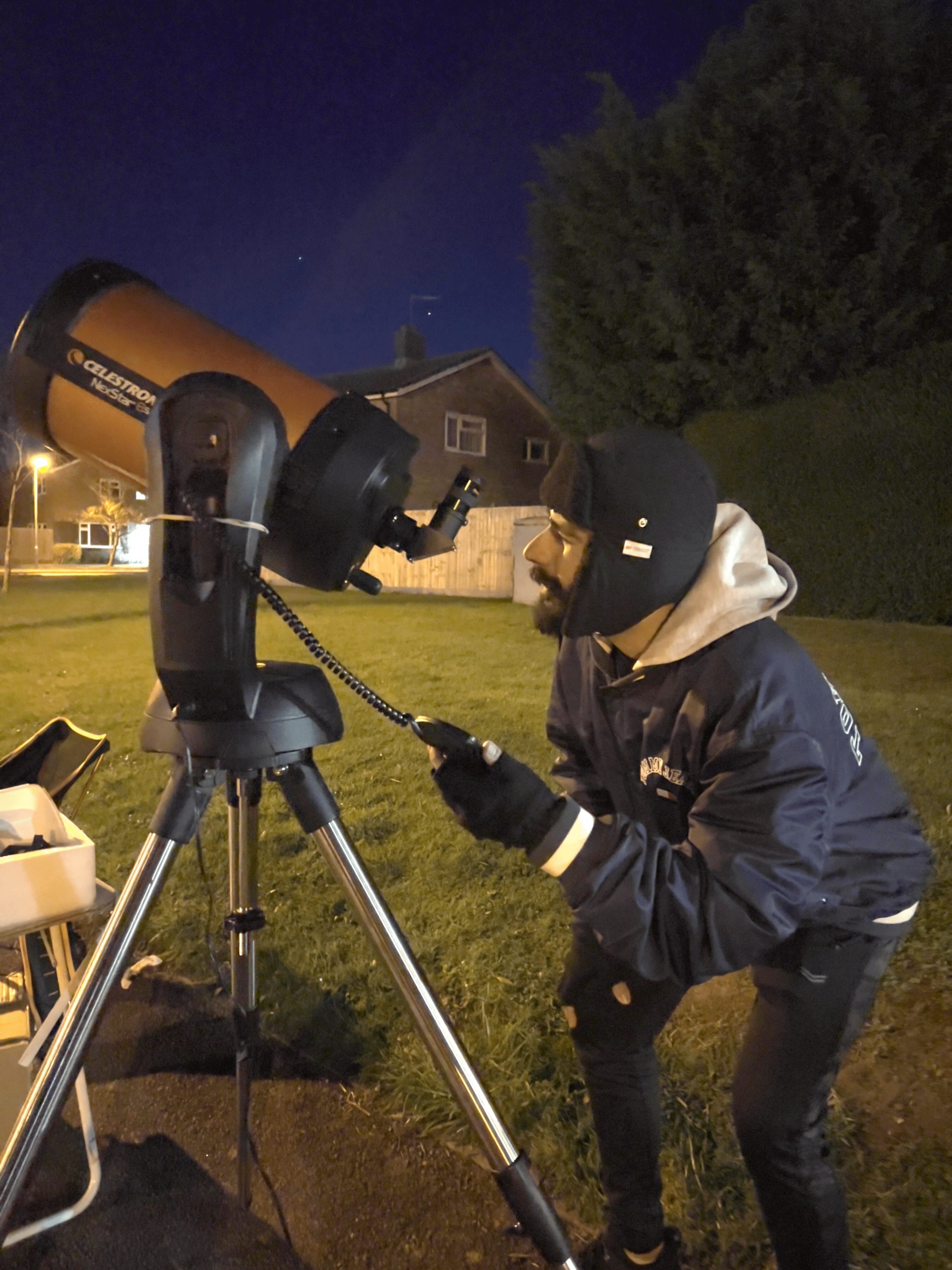
(UIAS) Society at Cranfield University. The society focuses on student development in uncrewed systems and oversees all student-led UAS activities. This year, we have been conducting demonstrations for autonomous systems to external visitors and participating in the IMechE UAS Challenge 2024. Our team is building a 2+2 tilt rotor VTOL quad-plane capable of carrying 2kg of payload for the challenge. With the support of the Cranfield UAS Operations Team and the Centre of Autonomous and Cyber Physical Systems, we aim to test fly the aircraft by the end of May 2024.
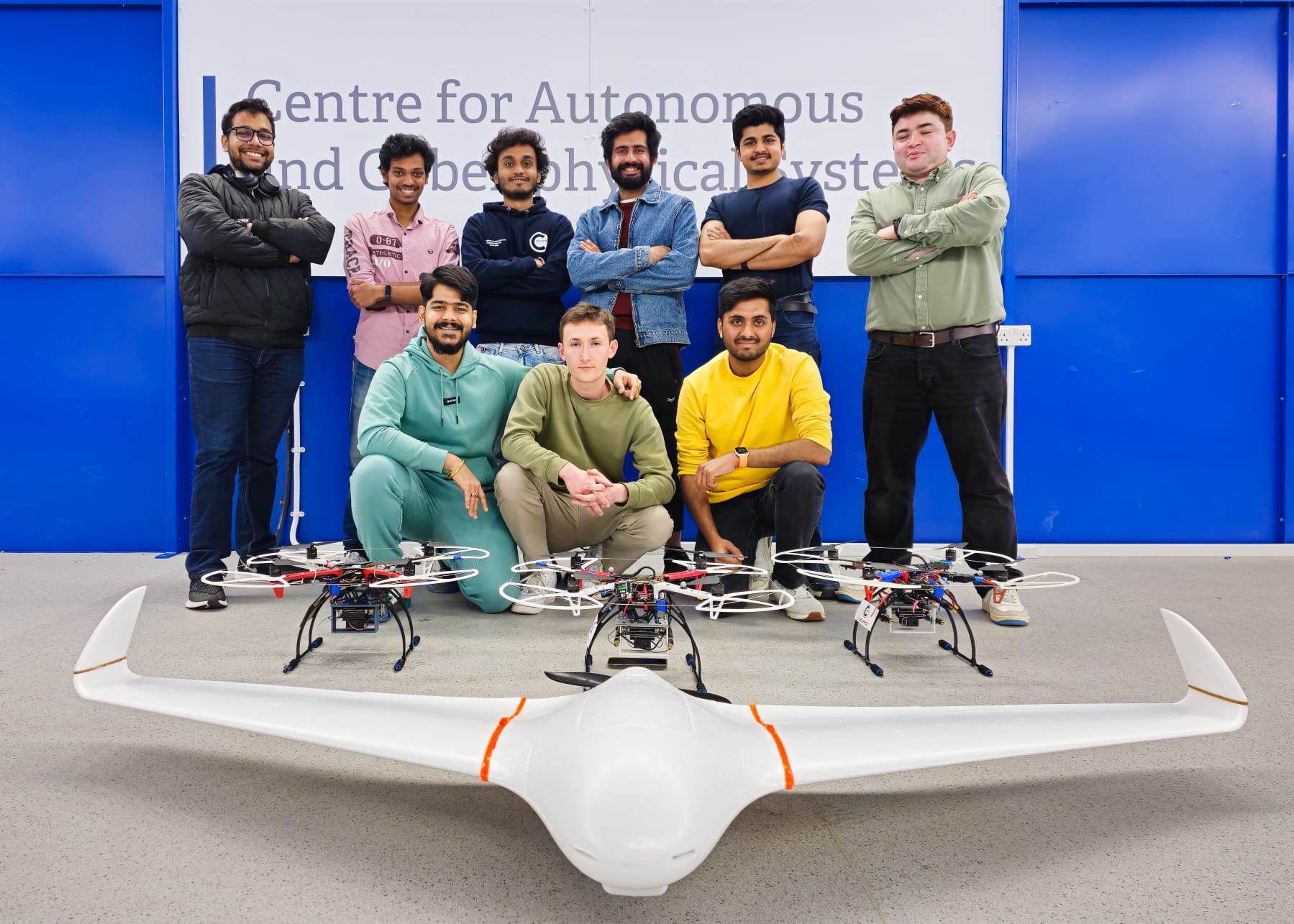
There is much more happening at Cranfield, and being at the forefront of all UAS activities provides me with a spotlight I relish. Balancing the demanding academic workload of the MSc program with such enriching extracurricular experiences sets me apart. Moreover, projects that translate theoretical knowledge into tangible solutions have a far greater impact. Cranfield University has offered me countless opportunities in the short time I have been here, and I am committed to making the most of them.


Categories & Tags:
Leave a comment on this post:
You might also like…

Keen to develop your study skills?
Alongside the technical skills and academic knowledge that you will gain on your course, as a Cranfield student you have the opportunity to develop a range of other skills that can enhance your learning experience. ...

The V-conomy: powering the sixth wave of global economic growth
The world could be on the verge of a major surge in economic growth and development, driven by the convergence of AI and clean energy technology. Waiting to ride the K-wave The Russian ...

Need help using the Python programming language?
We know some of our students are currently trying to learn Python, so we wanted to make you aware of some great LinkedIn Learning videos that can help. But don't you have to pay for ...
What does it really take to become a Chevening Scholar?
Say “Turkmenistan” to most people and you’ll get a blank look. That was true when I left Ashgabat for the UK to study an MSc in Logistics and Supply Chain Management at Cranfield University ...

Get a head start on referencing and plagiarism
We offer a module on Referencing And Avoiding Plagiarism which you can find on your Canvas dashboard. It explains the role and importance of citing references and how to incorporate the work of other authors ...
How Cranfield shaped my journey as an Aerospace Engineer
If I'm being specific about the moment it clicked, it was reading a paper called "On the Role and Challenges of Computational Fluid Dynamics (CFD) in the Aerospace Industry" by two Boeing engineers, P. ...
Comments are closed.