


Thank you IWA and Cranfield University!
24/02/2022
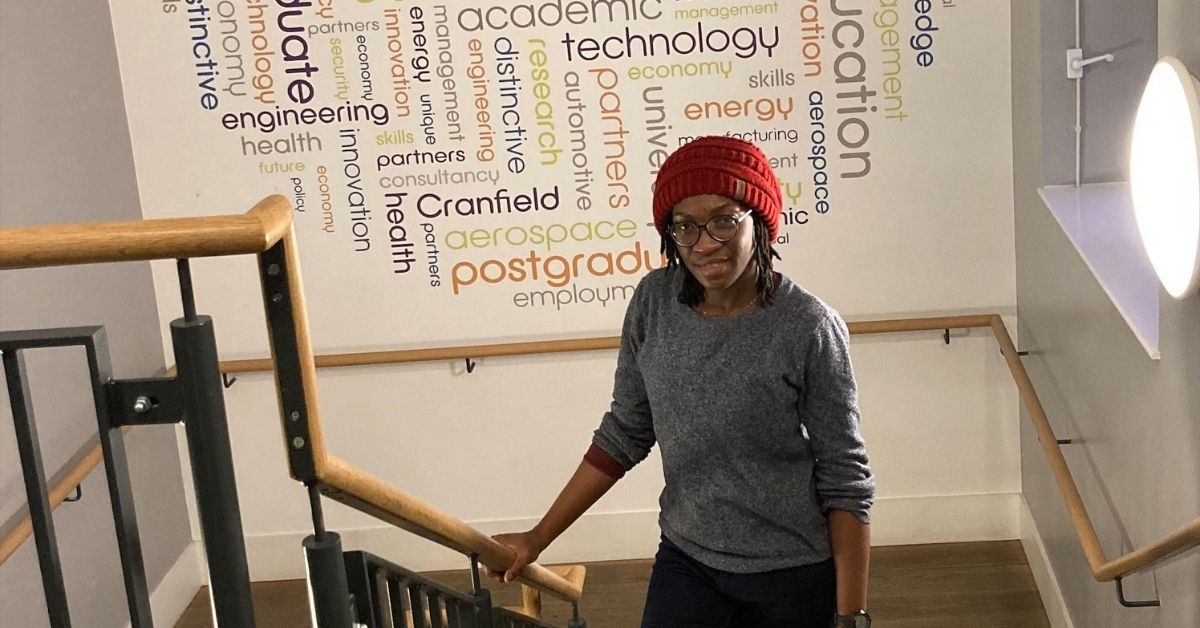
Having been in the water and sanitation industry for a few years, I was aware of some of the gaps in my professional abilities. To move forward confidently, I knew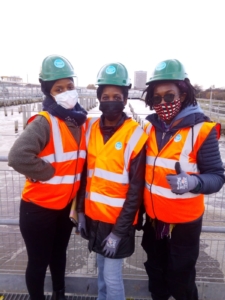 I had to address some of these areas. An MSc was a good starting point and finding an appropriate MSc that addressed these issues was key. My goal is to be good at designing and optimising treatment processes so I can be part of projects that develop sanitation technologies. This has always been driven by my desire to use my knowledge to enable people to live higher-quality lives.
When I came across the Cranfield MSc in Water and Wastewater Engineering, I knew it fit with my goal. Though the thought of working through these areas of engineering design in a year was terrifying, at the same time the expectation of being a proficient design engineer was exciting so I applied for the MSc. I was aware of some of the work that Cranfield University had done. I was impressed with how they considered the context in technology design by going as far as designing a waterless toilet used inside the home with the aim being to reduce water demand for daily domestic use. I also understood Cranfield to be one of the leading institutions when it came to development in the water sector. Attaining an MSc at Cranfield would mean learning from some of the best, but that was still only half the picture. Something I understood only by being here is how the relationship between industry, academia and government is strong. I believe this furthers appropriate and relevant development of technology. The engineering processes you learn and people you learn from, enable you to acquire knowledge that not only makes you useful in today’s water industry but also in the future as new technology is developed. The course also considers context on a broader scale which ultimately means the results of what you learn will have an impact on quality of life anywhere in the world.
School fees is always a difficult factor to address when applying for study. As an international student, the hurdle of funding is a make-or-break situation. Applying for scholarships can be a daunting task with complex requirements. The joy of getting accepted to study can be overshadowed by the difficult task of looking for funding and all this can almost result in giving up and having to figure out another way to achieve your goal. Luckily the International Water Association (IWA) and Cranfield University Excellence scholarships were available to me. There are no restrictions on which countries can apply. The application process is very straightforward with no complicated requirements. The application required and encouraged me to really think about how I felt this MSc would help me achieve my goal. This sets a good starting point on key things to look out for as one proceeds with the course and questions can be asked directly to aspects of water and wastewater that one may be interested in. It ultimately helps you start the course with some focused direction and somewhere to build on. Needless to say, I was very happy to be awarded the scholarship as it removed one of the biggest hurdles of postgraduate education, especially in a developing country.
The IWA itself is also a diverse treasure trove of information that is useful in shaping the kind of professional you want to be. There are groups for different aspects of the sector from treatment processes like membrane technology, to concepts such as the circular economy. If you desire to learn, discuss, or collaborate, the platform with experts from all over the world is available.
The IWA Cranfield University Excellence Scholarship gave me, an international student, the opportunity to learn about water and wastewater treatment technology in a different and more developed context and in a multicultural environment with diverse thinking. I am exposed to current and future technologies and opinions of experts who have done considerable and impactful work in the sector. My thinking is challenged. A lot of what I thought has changed or been enriched. All this helps me to be a better engineer giving me a better chance of being a part of the work I want to do in the future.

Categories & Tags:
Leave a comment on this post:
Comments are closed.
You might also like…

Engineering Tomorrow. Part two: Can we move around the world without emissions?
Moving people and goods around the world is essential to modern life. But every journey has an environmental cost, and reducing the emissions associated with transport is one of the major engineering challenges of ...

Following in the footsteps of aerospace pioneers
I came to Cranfield to understand how aircraft stay in the sky. Months later, I was measuring the performance of aircraft engines in flight aboard the National Flying Laboratory Centre's Saab 340B. My ...

From looking up at jet engines to powering the future of flight
From flying aboard Cranfield's Saab 340B flying classroom to rebuilding a gas turbine component by component, Jouni Kailouh's journey shows how specialist, hands-on experience can turn a fascination with propulsion into a future career ...
Engineering Tomorrow. Part one: Can we power the future without costing the Earth?
The world needs energy. To power homes, industries, transport and the technologies shaping our future. But as demand grows and the pressure to reduce emissions increases, how do we generate the energy we need ...

Looking ahead: Building foresight skills for a more sustainable future
As sustainability challenges become more complex and uncertain, organisations need people who can look beyond today's pressures and think strategically about the future. From changing regulations and emerging technologies to supply chain disruption and ...

Brazil to Cambridge: How Cranfield helped me build a career in data analytics
I was hungry for something bigger. Before Cranfield, I was living in São Paulo, Brazil, working as a Data and Market Intelligence Analyst in the trading division of Raízen. My background is actually ...
I have applied on that IWA scholarship I wish I pass through and make a difference as far as SDG goal 6 is concerned in low developed countries like Uganda
Excellent Tapuwa! All the best.
Perseverance pays Engineer. Hoping the knowledge you have acquired will be beneficial to your home country especially the waterless toilet inside the house.