

Corporate to campus: why returning to university was the right decision
02/03/2017
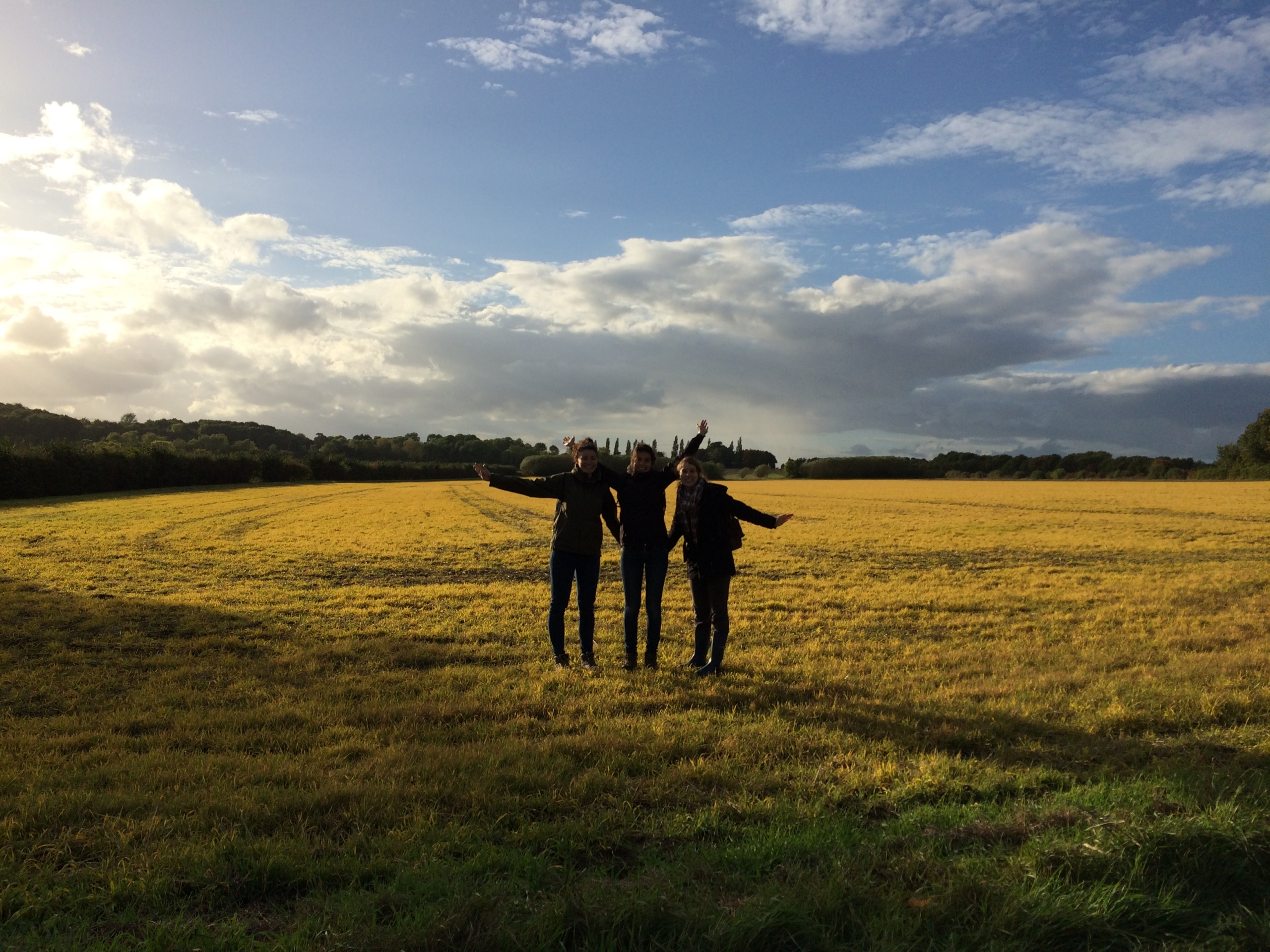
As I prepared to return to university ten years after my first efforts, I must admit I was a little nervous and had prepared myself to be a rare breed on campus: a mature student! But I quickly – and very happily! – discovered that I was more unique because I spoke English as my first language than because I was born in the eighties. Cranfield is an amazing melting pot of cultures, and I’ve learned just as much about the world outside the classroom as I have inside. Thanks to my lovely – both younger and older! – classmates I now know how where Comoros is, what Capoeira is really all about, and how to make the perfect French crêpe. So my fear of feeling out of place was completely unfounded (and also perhaps a little silly given that Cranfield is a postgraduate-only university!), allowing me to focus on my second worry about returning to student life: keeping up in the classes …
Fast forward six months and I’ve just completed the taught course element of my MSc in Community Water and Sanitation. Many have asked ‘why the radical change?’ from my previous life of analysing the corporate strategies of energy multinationals, and I have a good answer! My first degrees were in History and International Relations, and a somewhat complicated career path led me to a research analyst position working with a great team. Although I was enjoying the challenges of the role, I felt like something was missing: I wanted to make a hands-on positive difference to everyday lives.
I knew very quickly that switching my focus to water was the natural next step for me as I’ve always been frustrated by the lack of access to water and sanitation for all. I also knew that as an oil and gas analyst I had regretted not having a technical understanding of the sector. Choosing the course Community Water and Sanitation at Cranfield was therefore easy for me, as no other degree would provide both the technical (‘hard-hat’) and social (‘woolly-hat’) knowledge that I was looking for. I’m also impatient, so the prospect of meeting practitioners, practical fieldwork and contributing to solving real-life problems suited me perfectly.
But it took over a year of procrastinating, internships and job searches before I convinced myself that returning to university full-time would be worth the investment in time and money, and that it would provide the knowledge and experiences that I was craving to jump-start a new career. But as I stood in line to register last September, I did still wonder if I would be proved to be correct …
My interim assessment is that I absolutely made the right decision. I couldn’t have asked for more from the taught courses. I do not know everything about water supply, sanitation and hygiene in developing countries, but I don’t expect that I ever will. What I do know however is that I have a solid foundation of knowledge on which to build my future career. I’ve stood in rivers, handled pumps, and made a mess in labs all in an effort to put the theory into practice – even the assignments are designed to provide real-life experiences! And I already have a network of contacts thanks to a fantastic selection of guest lecturers.
I should balance such praise with the confession that it hasn’t been an easy journey. I spent most of the first week googling terms used in the lecture before I could even begin to understand what I was supposed to be learning about, and choosing to stay based in London has made logistics challenging and I know I’ve missed out on key elements of student life by not living closer. But it is all worth it – I’ve lost count of the number of times that friends and former colleagues have told me that I look much happier now! So armed with a little bit of confidence, a great amount of knowledge and a huge smile, I am now about to start my next adventure … the Group project … wish me luck!

Categories & Tags:
Leave a comment on this post:
You might also like…
Library services over Easter, 3-6 April
Kings Norton Library will remain open for study 24/7. You will need your University ID card to enter the building and can use the self-service machines to borrow and return items as usual. Barrington Library ...

How do I access the full-text of Harvard Business Review (HBR)?
This is a frequently asked question, and it's worth knowing how to access this key management journal. So, how do you access HBR in full-text? The short answer is via our eJournals finder. You can find ...

Engineering problem to solve? Let Knovel help you find a solution
Did you know that Knovel provides you with more than just eBooks? Knovel is a key database for many engineering, mechanical and materials courses here at Cranfield University, and contains content from an extensive range ...
What happens when female scholars meet influential leaders?
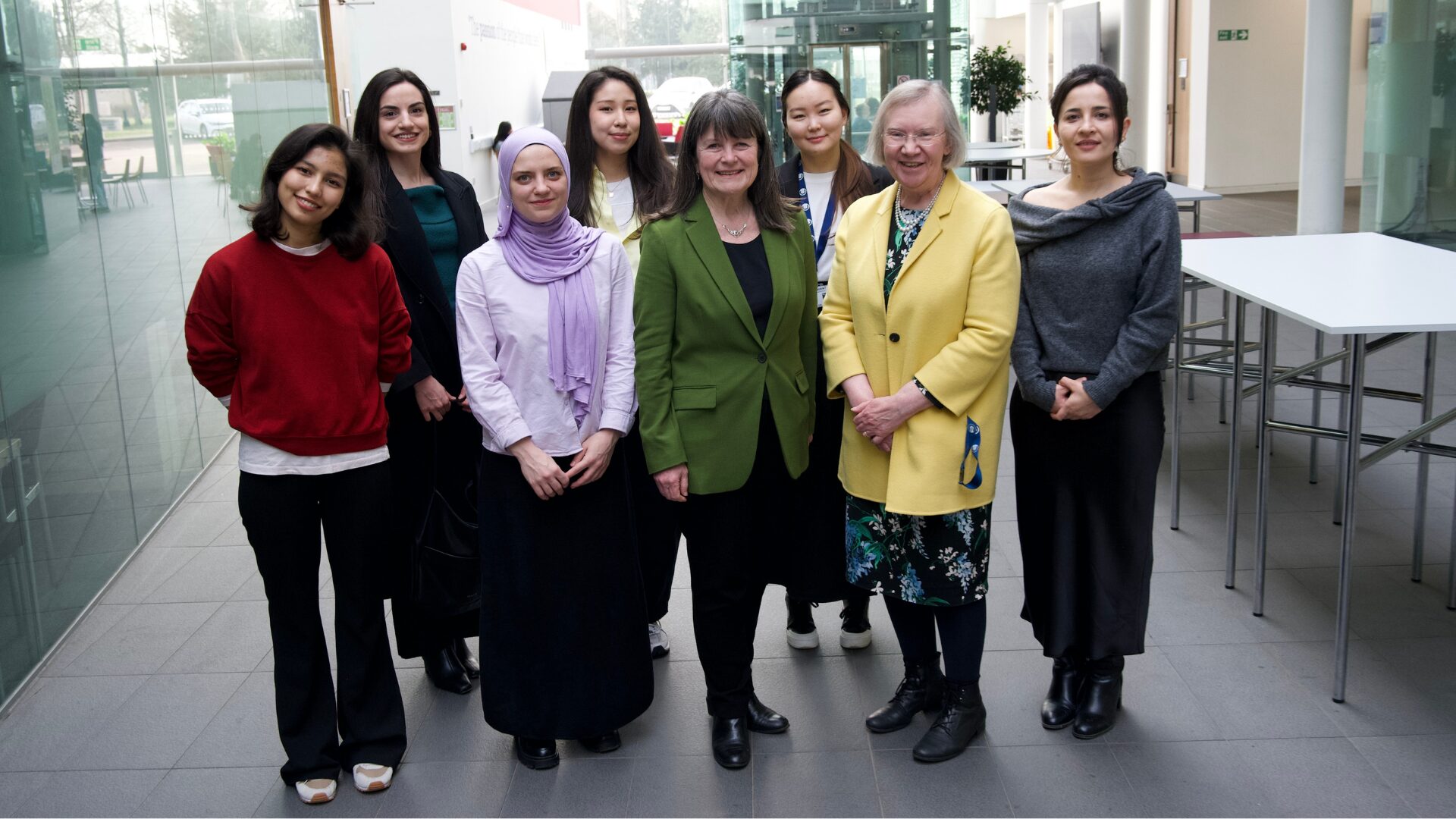
On the 5 March 2026, our British Council Women in STEM Scholars had the privilege of sitting down with two excellent role models of industry and academia: Professor Dame Karen Holford, ...
From MSc to CEO: Igniting a research revolution
For many, a master’s degree is achieving a big milestone. Kilyan Ocampo, Computational Fluid Dynamics alumni shares how studying at Cranfield helped launch his career in the energy sector. Today, Kilyan ...

Commuting, collaborating and growing: My first term experience at Cranfield
My first term at Cranfield University has been an extremely positive and rewarding experience. While the course has been intense at times, it has pushed me in the best possible way and allowed me ...