

A sit down with Dr Edwina Mercer
26/03/2020
Can you tell me about your background and how you came to Cranfield?
I studied a Geography degree at the University of Hull because I’m interested in different cultures and the natural environment. What I discovered during that time was that there is a huge problem with water resources, so I focused my dissertation on that.
My dissertation assessed the impact that the increasing number of oil palm plantations have on water quality. There was a huge loss in endemic biodiversity and that made me realise that I want to find the solutions for water related problems and that’s when I started to research Water Engineering at a post grad level.
I did my MSc in Water and Wastewater Engineering here at Cranfield in 2012-13. Then that led onto my thesis project which was phase 1 of the Nano Membrane Toilet. I then took a year to experience the industry job sector at Suez Environment and then I returned to do my PhD which was phase 2 of the Nano Membrane Toilet.
I came at just the right time when everything was just starting up with the Nano Membrane Toilet so it’s been an exciting journey from its start to where it has progressed.
Did you know much about Cranfield before you came here?
I hadn’t heard of Cranfield before I started looking into the MScs but I found it really stuck out because of its industrial links what it has done globally.
As I have gone to water science related conferences around the world and talked to people at other institutions, I have found it is well known for its management, aerospace and water science. At the International Water Association conferences, everybody knows about Cranfield.
So now you are a Post Doc at Cranfield, can you tell me about your research now?
A new water science research area in non-sewered sanitation has been introduced since ‘Reinvent the Toilet Challenge’ which funded the Nano Membrane Toilet and that has led to my post doc in Sanitation Science.
The project I am working on now is funded by the Bill and Melinda Gates Foundation through Duke University and in collaboration with Melbourne University. It has allowed me to interact and learn from international experts from a truly multidisciplinary team. We are investigating the characteristics and behaviour of fresh faeces in order to provide a strong scientific understanding to enable the design and engineering of de-watering technologies for non-sewered sanitation systems. Moisture content is one of the key inhibitors for energy recovery and therefore, if minimise moisture content, we can make these systems off-grid and sustainable. Understanding the science behind faecal dewatering will provide an effective dewatering solution which requires minimal cost and energy requirements allowing such systems to become commercially available.
Do you have a typical day?
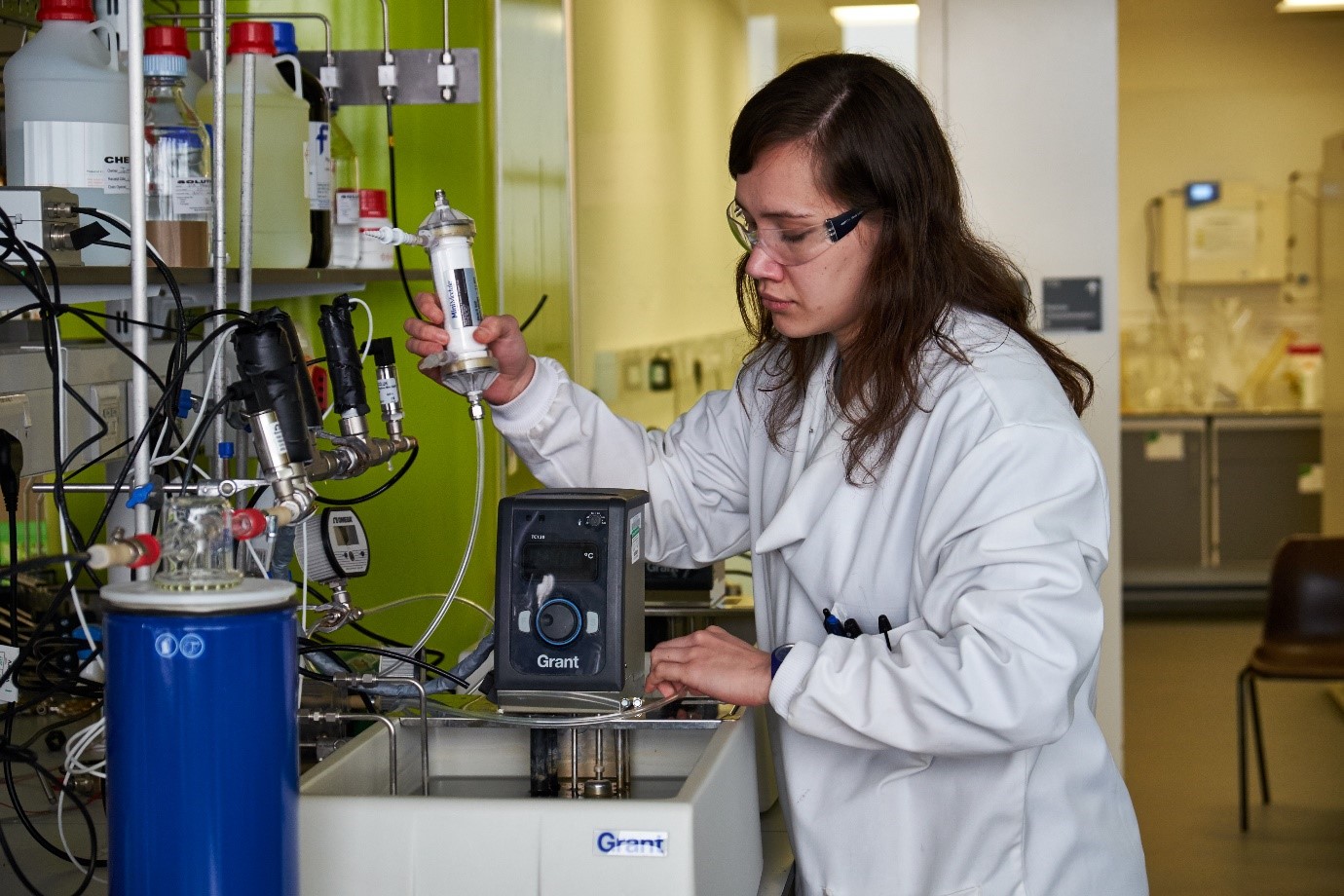
On a typical day, I collect ‘donations’, which consist of fresh urine and faeces, which are later used for various experiments in the lab.
The donations come from anonymous volunteers in the office. These donations are extremely valuable to move this research forward. Other scientists can order all their chemicals from Fisher Scientific or Sigma Aldrich but we specifically need this material so it’s very important for people to donate.
What are the biggest challenges in role or area of research?
The research that we are carrying out is quite novel in the fact that it’s a waste matrix that’s never been really trialed before so has been like venturing into the unknown. In my PhD, a lot of it was applying advanced technologies to this waste matrix which is more concentrated and behaves completely differently. New methods had to be developed and many of the results unexpected when compared to conventional wastewater. It has been like really learning from scratch but has also been exciting to become a pioneer.
Have you had any unique experiences at Cranfield?
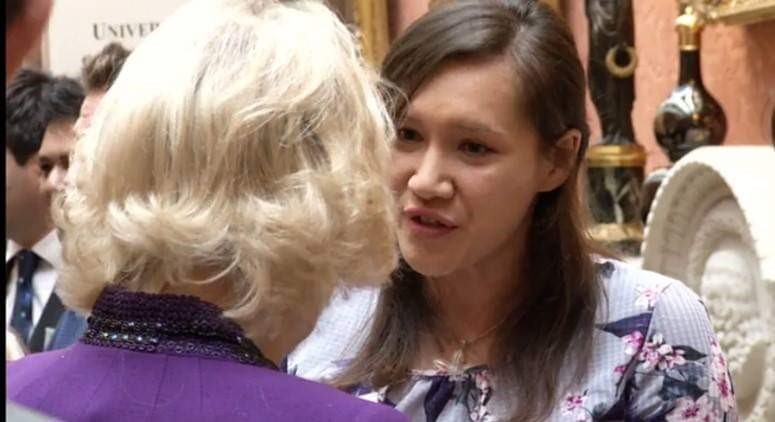
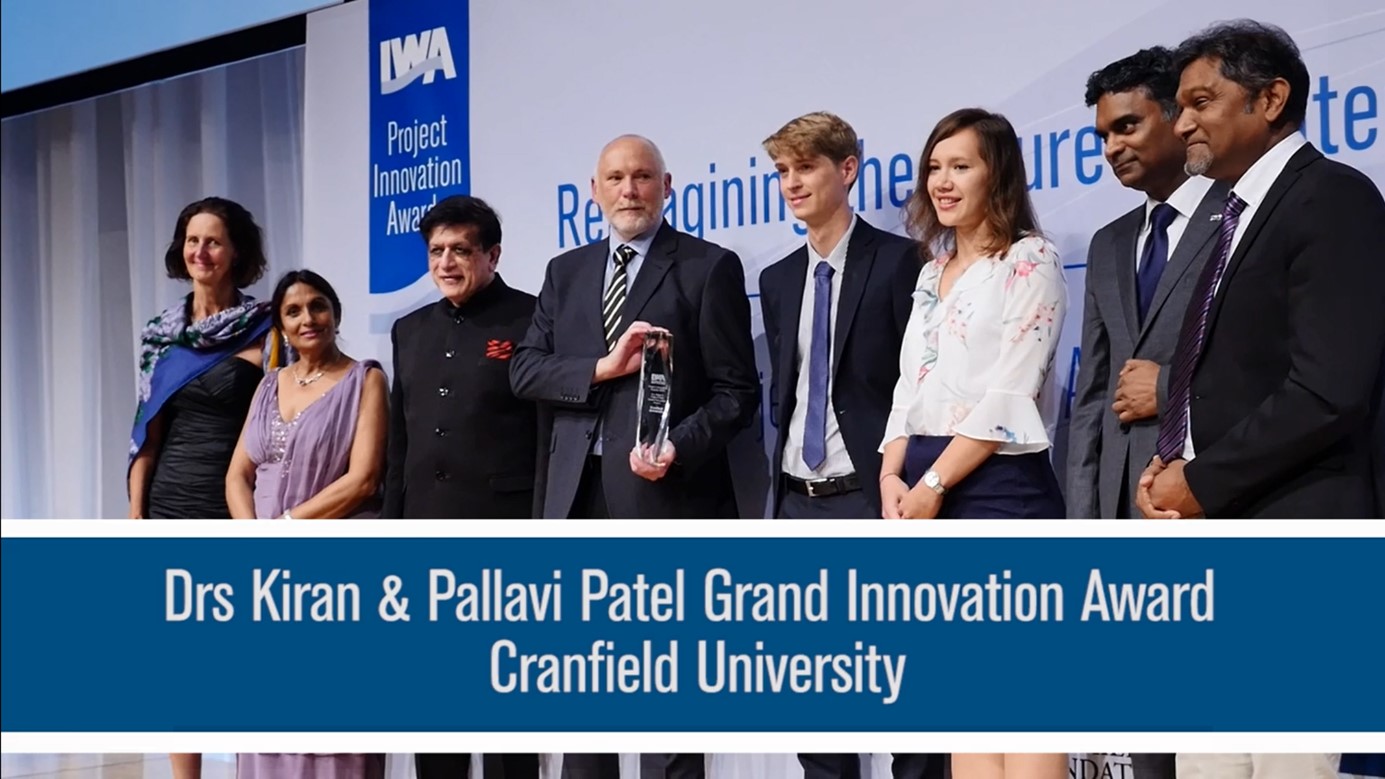
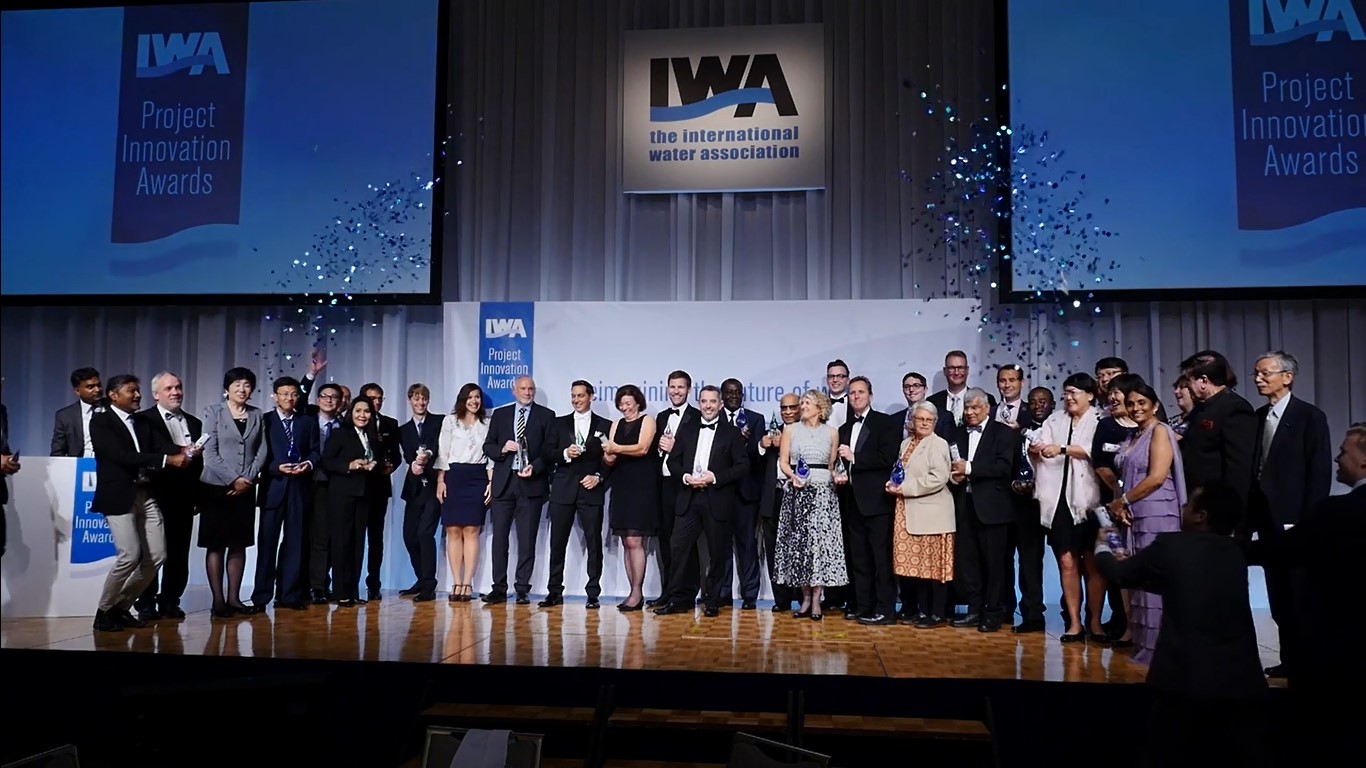
I was very lucky to go with the University to Buckingham Palace when we won the Queen’s Anniversary Prize in 2015 for Water and Sanitation. Also, the Nano Membrane Toilet won the Grand Innovation Prize from the International Water Association so we got the opportunity to go to Tokyo. So usually, my day-to-day life is in the lab and is about getting your hands dirty and then suddenly you can go from that to complete luxury at Buckingham Palace and to these incredible high profile award ceremonies where you realise what all your hard work has contributed to.
What do you like most about working at Cranfield?
I like how international and intimate Cranfield University is. When I was a student, one of my best experiences was being part of the football and badminton teams and you get to know people closely. You end up getting to know everybody on campus and it’s a really friendly bunch of people. You also get to work with a lot of international contacts in the projects and it’s very inspiring to bounce ideas off such a diverse array of people.
What are you most proud of?
I think probably coming from a geography background and then completely changing my expertise. When I first arrived, my MSc course had a lot of students with engineering backgrounds so I had to really come up to scratch with them. But the Cranfield MSc provided really good introductory courses and provide great support along the way from staff members. The staff to student ratio is 1:7, which is a lot more than other universities and there’s always opportunities to get involved in.
The other thing I’m really proud of is how much I have contributed to the Nano Membrane Toilet project and I am grateful to be part of such an inspiring team.

Categories & Tags:
Leave a comment on this post:
You might also like…
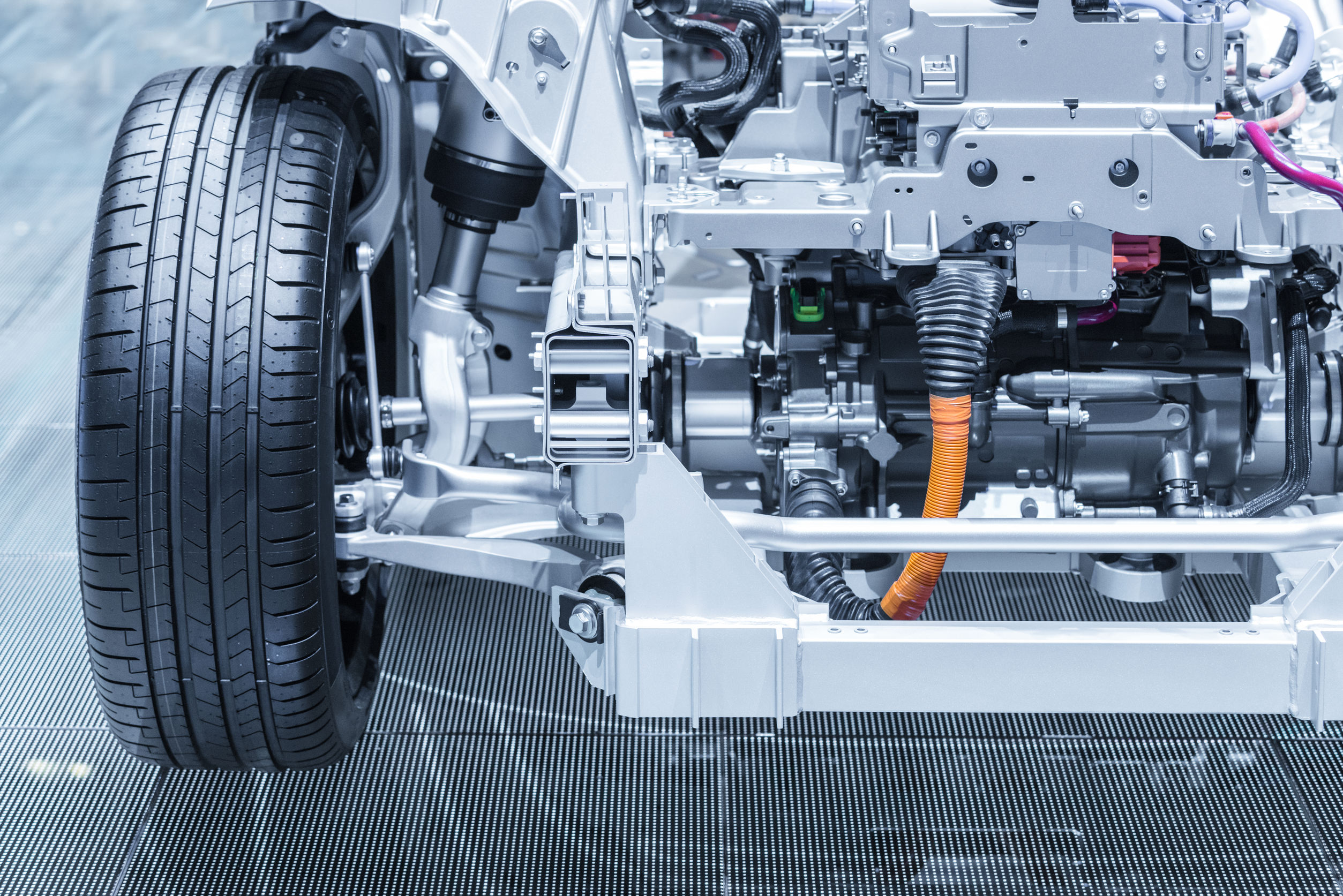
Driving the future of automotive excellence with three new scholarships
Cranfield University has a long history within the top echelon of motorsport, car development and safety designs within the automotive industry, working in the era where we’ve seen significant safety improvements, engineering feats and ...

Academic writing and being critical
Academic writing is daunting. Capturing all your thoughts and analysis and putting them down onto paper in some sort of understandable fashion is a challenge. Did you know we have resources in our Cranfield Study ...
My Cranfield experience: How studying for the Strategic Marketing MSc landed me a job in my dream industry
For Shraddha Mahapatra, studying for a postgraduate master’s degree at Cranfield School of Management unlocked the path to a career working in her dream industry sector. Shraddha had gained an MBA in her native ...
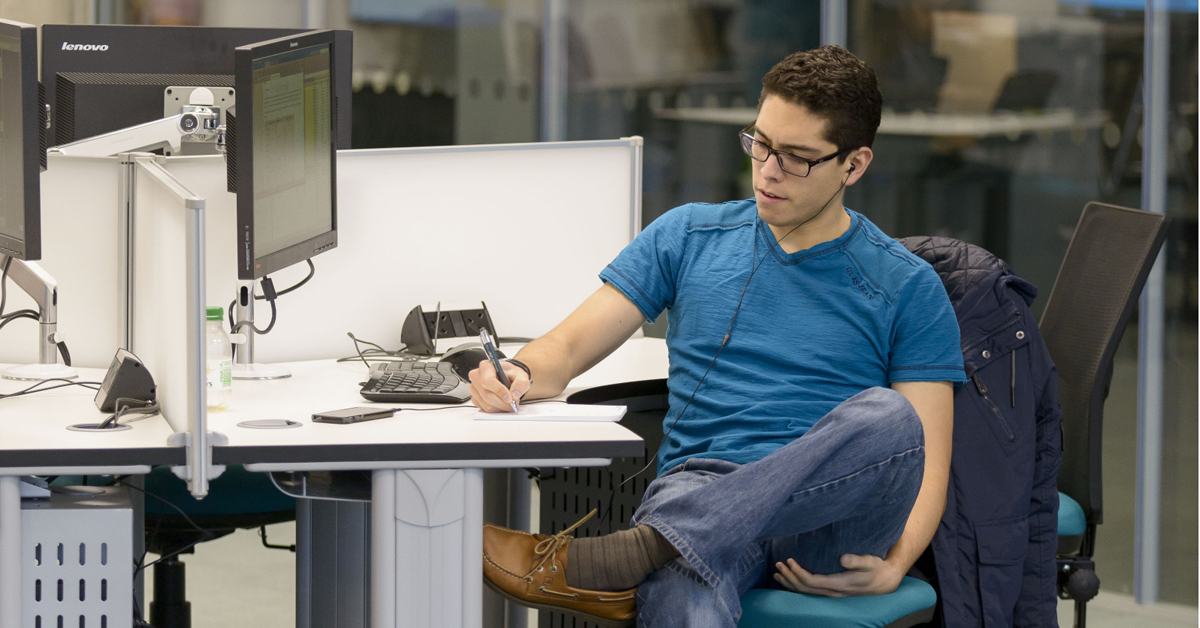
Keen to develop your study skills?
Alongside the technical skills and academic knowledge that you will gain on your course, as a Cranfield student you have the opportunity to develop a range of other skills that can enhance your learning experience. ...
From classroom to reality: Supply chain insights from Cranfield’s Manchester study tour
Each year, Cranfield University organises a study tour for MSc Logistics and Procurement & Supply Chain Management students. For the 2025–2026 cohort, students were given the option to select one of three study groups: ...
Systematic literature review – Managing duplicates
One of the questions which often comes up when discussing the SLR process is how do I manage my references in the most efficient way during the process of going from my search results to ...
That’s my sister!