

My pursuit for green energy…
17/09/2021
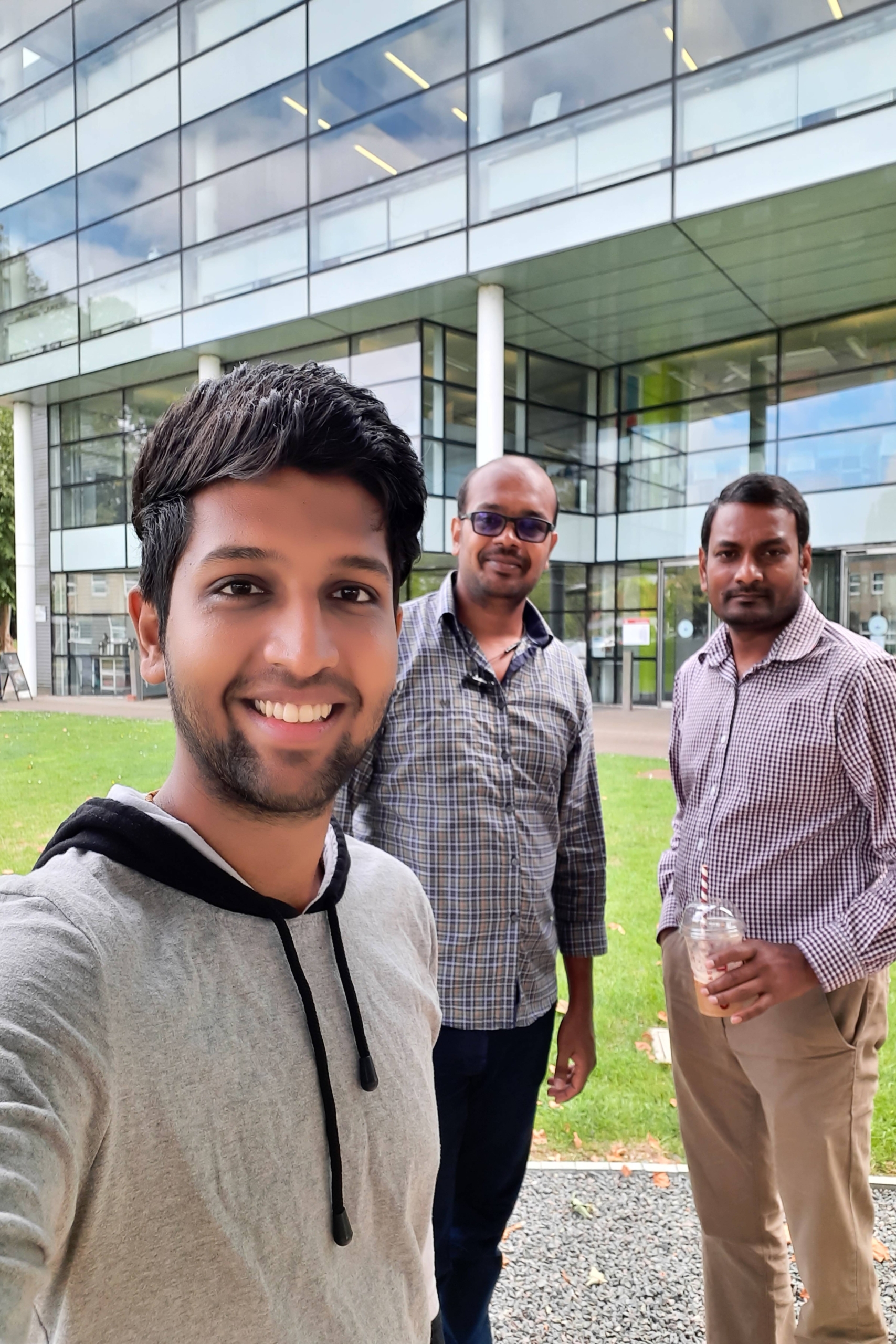
The pursuit of green energy is an exciting journey, which can span across exploring different alternate energy sources that help us fight against climate change, and renewables are the key to achieving net-zero emissions as soon as possible. Hence, after exploring the nuclear energy industry (SMRs) for my group project, I wanted to focus on the biggest problem of renewable energy for my research thesis: Intermittency. Energy storage is one of the key aspects of integrating more renewables into the energy mix, and one of the best ways to do that is using thin air!
Liquid Air Energy Storage (LAES) is one of the most mature and scalable energy storage technologies in the market right now. Any extra renewable energy from the grid can be used to compress ambient air to high pressures and then subsequently cool it down to ~-194 oC, where air liquefaction occurs and then, stored in tanks at atmospheric pressure (charging cycle). The stored liquid air could then be expanded through a turbine after evaporating and super-heating through various stages to produce useful work at peak demand (discharging cycle). But increasing the round-trip efficiency of the LAES system is one of the most highly researched topics within that domain. Therefore, my thesis focuses on a novel layout incorporating a heat pump and a transcritical CO2 (TCO2) power cycle to increase the overall round-trip efficiency of a given LAES system. Air-expansion cycle and TCO2 cycle operate as topping and bottoming cycles respectively to produce more output energy from the system, thereby increasing its overall round-trip efficiency. Modelling was performed through ASPEN+ by creating process simulations, which were validated against experimental data too. As a result, the flexible and independent novel layout proposed, achieved a maximum increase in its round-trip efficiency to 57%, compared to the baseline model with 48.5% selected for validation.
Adding to this, industry collaboration with the world’s largest data-colocation provider, Equinix, had provided the opportunity to explore a case study and apply the flexible LAES model for a data centre backup power application for 10 days of uninterrupted power supply. By changing the model parameters to suit the output conditions of the backup system, the new case study explored the opportunity to combine grid balancing, profitability, backup power and heating/cooling capabilities to be integrated to the data centres for a multi-purpose energy storage application with Combined Heat and Power (CHP) capabilities. The industrial case study model also boasted the highest efficiency from all models (57%), and proved the scalability and flexibility of a LAES system which can be independent and applicable anywhere, without any geographical constraints. The vast amount of knowledge acquired from this research was enlightening to me and cemented my passion towards finding innovative solutions to help build a sustainable planet for the future.
I received excellent support throughout the project from my supervisors, Dr. Kumar Patchigolla and Dr. Dhinesh Thanganadar, who shaped this project into a success. I would like to take this moment to also thank my industrial supervisor, Mr. David Hall from Equinix, who supported the idea and provided valuable suggestions to make the case study a reality.
I have learnt so much throughout my MSc journey, through the experience and knowledge of many professors and industrial experts across various fields. I will forever be grateful for the people who believed in me and my passions from my childhood, without them, I couldn’t have reached where I am now. So, a hearty thanks to all those people, and to Cranfield University, for making my dream come true!

Categories & Tags:
Leave a comment on this post:
You might also like…
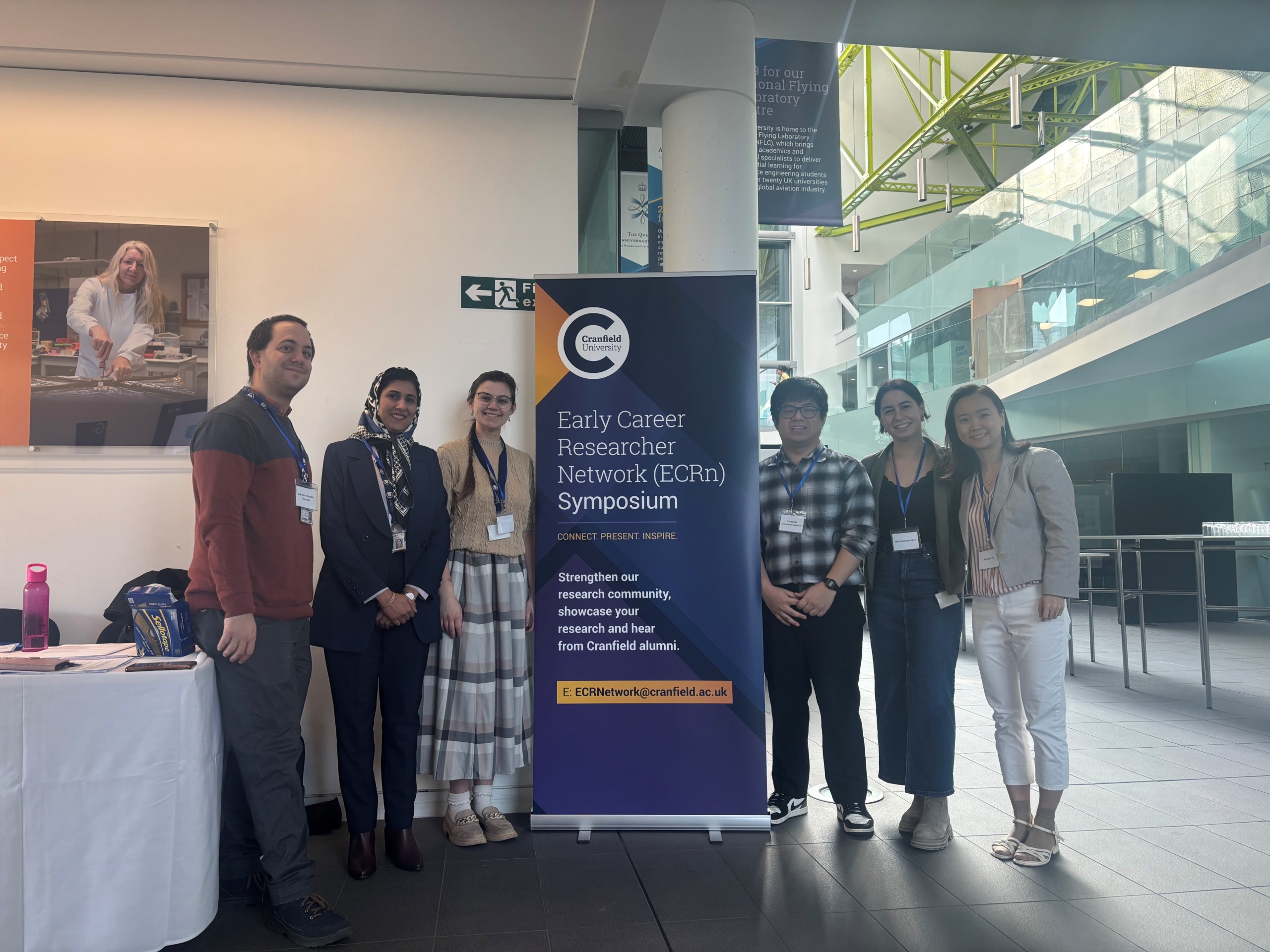
Building more than research: Reflections from the ECRn Symposium 2026
There’s something quietly powerful about a room full of early career researchers. Not just the ideas, although there were plenty of those—but the conversations, the curiosity, and the sense that everyone is figuring things ...
Library services over Easter, 3-6 April
Kings Norton Library will remain open for study 24/7. You will need your University ID card to enter the building and can use the self-service machines to borrow and return items as usual. Barrington Library ...

How do I access the full-text of Harvard Business Review (HBR)?
This is a frequently asked question, and it's worth knowing how to access this key management journal. So, how do you access HBR in full-text? The short answer is via our eJournals finder. You can find ...
Engineering problem to solve? Let Knovel help you find a solution
Did you know that Knovel provides you with more than just eBooks? Knovel is a key database for many engineering, mechanical and materials courses here at Cranfield University, and contains content from an extensive range ...
What happens when female scholars meet influential leaders?
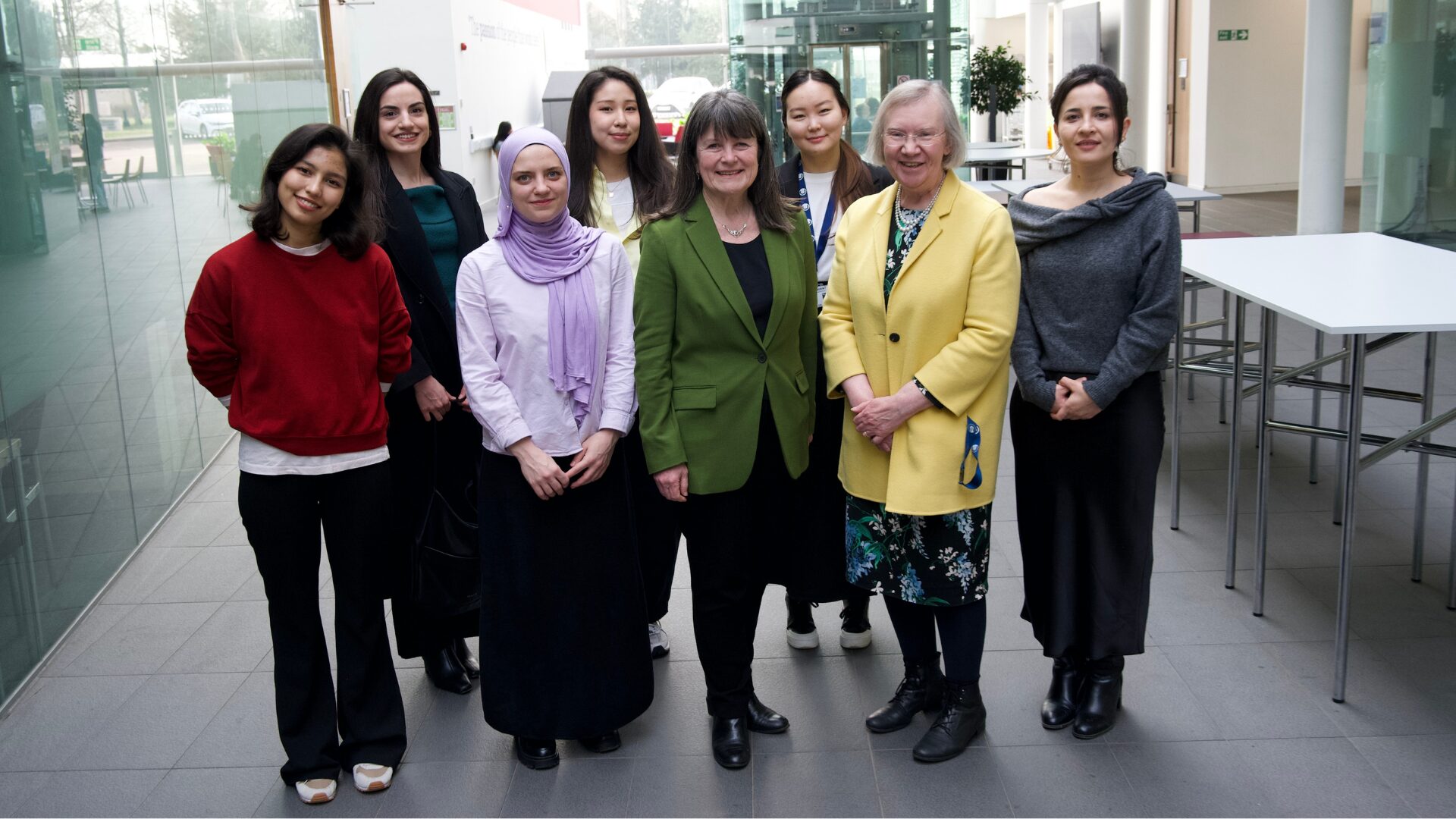
On the 5 March 2026, our British Council Women in STEM Scholars had the privilege of sitting down with two excellent role models of industry and academia: Professor Dame Karen Holford, ...
From MSc to CEO: Igniting a research revolution
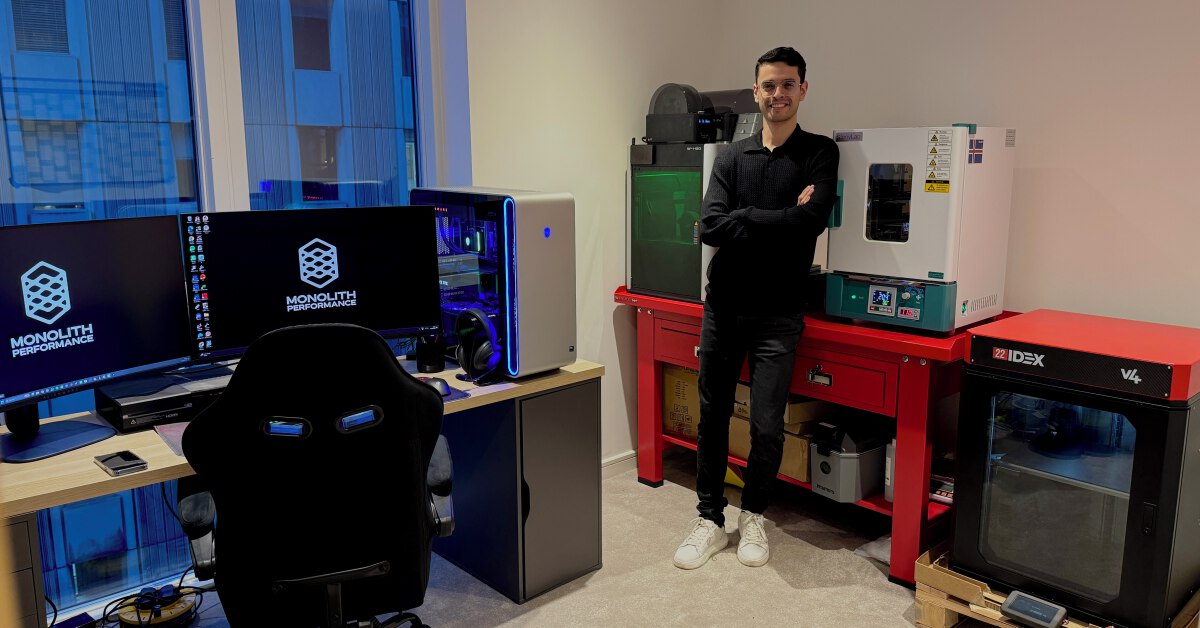
For many, a master’s degree is achieving a big milestone. Kilyan Ocampo, Computational Fluid Dynamics alumni shares how studying at Cranfield helped launch his career in the energy sector. Today, Kilyan ...