


Cranfield University Knowledge Transfer Partnership (KTP) Associates – transforming businesses through academic expertise
25/07/2022
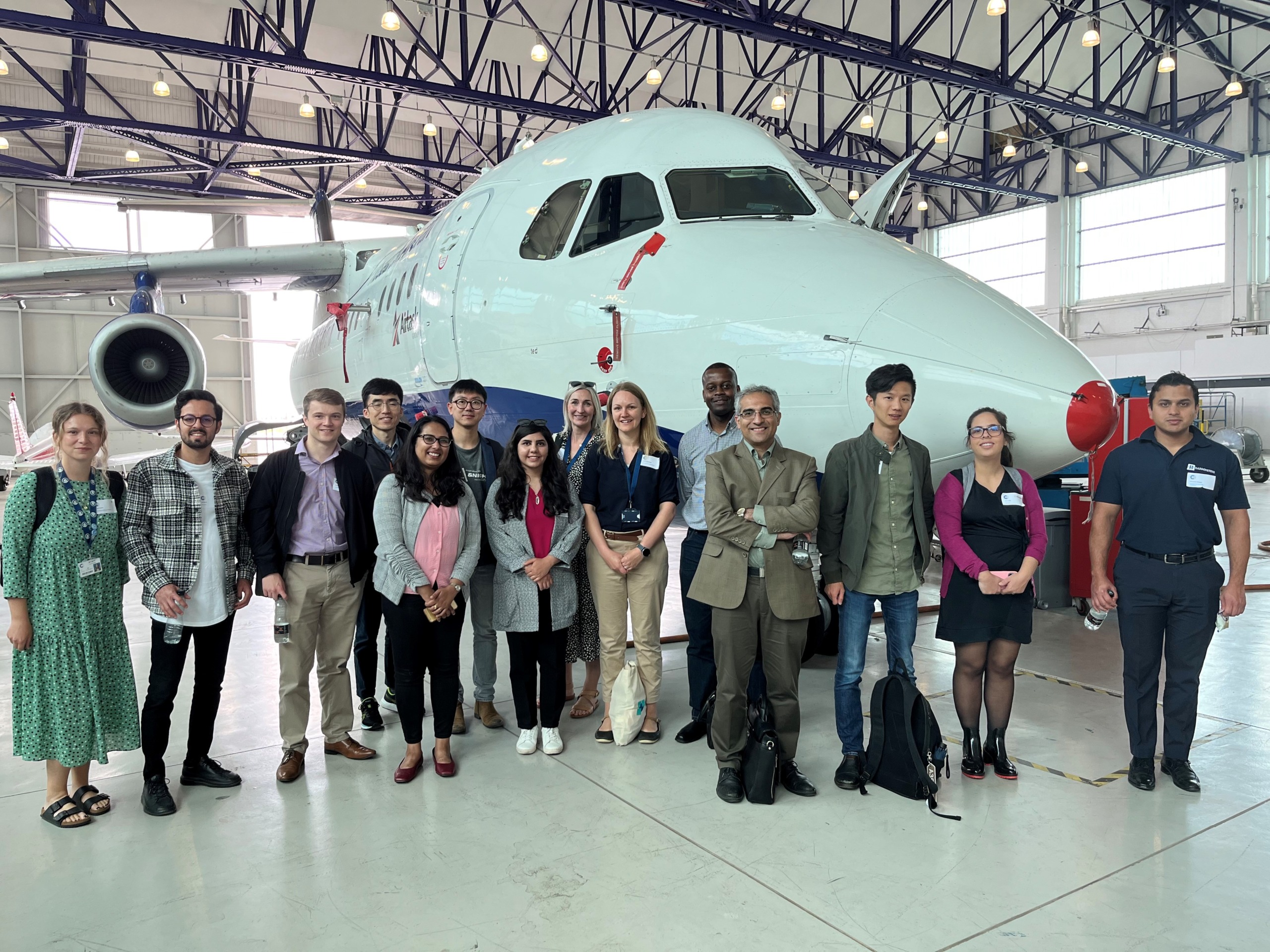
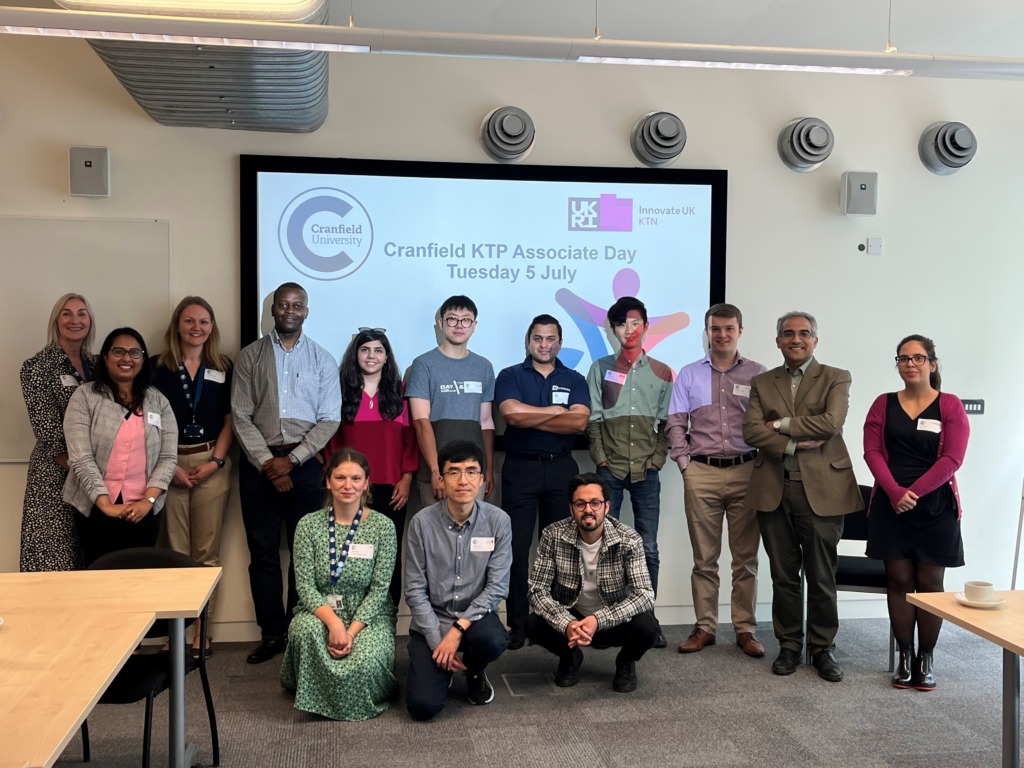
Recently, Associates from Cranfield University, who are employed full time on KTP projects based at companies around the UK, came to Cranfield campus to network and share their experiences. It was a relaxed, informal day with the emphasis on building relationships and learning from each other. We were lucky to have some former Associates join, plus one of Innovate UK’s Knowledge Transfer Advisers, who shared their top tips on how to get the most out of the KTP Associate experience.
It was great to be able to meet face to face again and many of our current Associates were able to attend, representing the diversity of businesses in our current portfolio.
At Cranfield University, we have a portfolio of diverse projects with businesses that are run under Innovate UK’s KTP scheme. KTPs are a unique three-way collaboration that bring together world-class university experts, a qualified graduate (Associate) and ambitious industry partners to accelerate their strategic innovation and growth. Knowledge is developed and transferred into the industry through a full-time Associate (who is employed by the university but works at the company site). KTP projects are also expected to lead to benefits to the University in terms of teaching, research, publications and enhanced relationships with industry.
The Associate’s role is to work with the company and university team to develop the knowledge required to solve a particular challenge the company is working on. They embed the technology or techniques required to maintain the new capability in the company after the project successfully completes. Associates make a real impact within the company they work in, helping it to innovate, grow and develop, whilst also building their own skills and achievements. KTP is one of the UK’s largest recruiters of recently qualified graduates. Positions are available across the UK, with up to 500 jobs created each year.
Our Associates also enjoyed a tour of the Facility for Airborne Atmospheric Measurements aircraft housed at Cranfield University – a world-class research facility dedicated to the advancement of atmospheric science. We are looking forward to getting together again in the near future.
Interested in finding out more about the KTP scheme?

Categories & Tags:
Leave a comment on this post:
You might also like…

Mendeley: a powerful tool to organise and manage your references
Are you looking for a way to manage your references, create in-text citations and reference lists for your assignments or thesis? If so, you may wish to consider using Mendeley. What is it? Mendeley is ...

Keen to develop your study skills?
Alongside the technical skills and academic knowledge that you will gain on your course, as a Cranfield student you have the opportunity to develop a range of other skills that can enhance your learning experience. ...

The V-conomy: powering the sixth wave of global economic growth
The world could be on the verge of a major surge in economic growth and development, driven by the convergence of AI and clean energy technology. Waiting to ride the K-wave The Russian ...

Need help using the Python programming language?
We know some of our students are currently trying to learn Python, so we wanted to make you aware of some great LinkedIn Learning videos that can help. But don't you have to pay for ...

What does it really take to become a Chevening Scholar?
Say “Turkmenistan” to most people and you’ll get a blank look. That was true when I left Ashgabat for the UK to study an MSc in Logistics and Supply Chain Management at Cranfield University ...

Get a head start on referencing and plagiarism
We offer a module on Referencing And Avoiding Plagiarism which you can find on your Canvas dashboard. It explains the role and importance of citing references and how to incorporate the work of other authors ...