


How practical sessions are revving up our automotive MScs
07/01/2020
Here at Cranfield, we pride ourselves on the strong practical vein of our courses. We understand that true knowledge comes not just from listening, reading and writing, but from doing.
Research shows that practical leaning boosts individuals’ know-how and proficiency and makes them feel that their education is more relevant – moreover, it has been shown to improve self-esteem in the workplace, perhaps because individuals feel better equipped to overcome challenges.
But what does this look like in practice and what do our students really think about this approach?
Real-life research on the automotive MScs
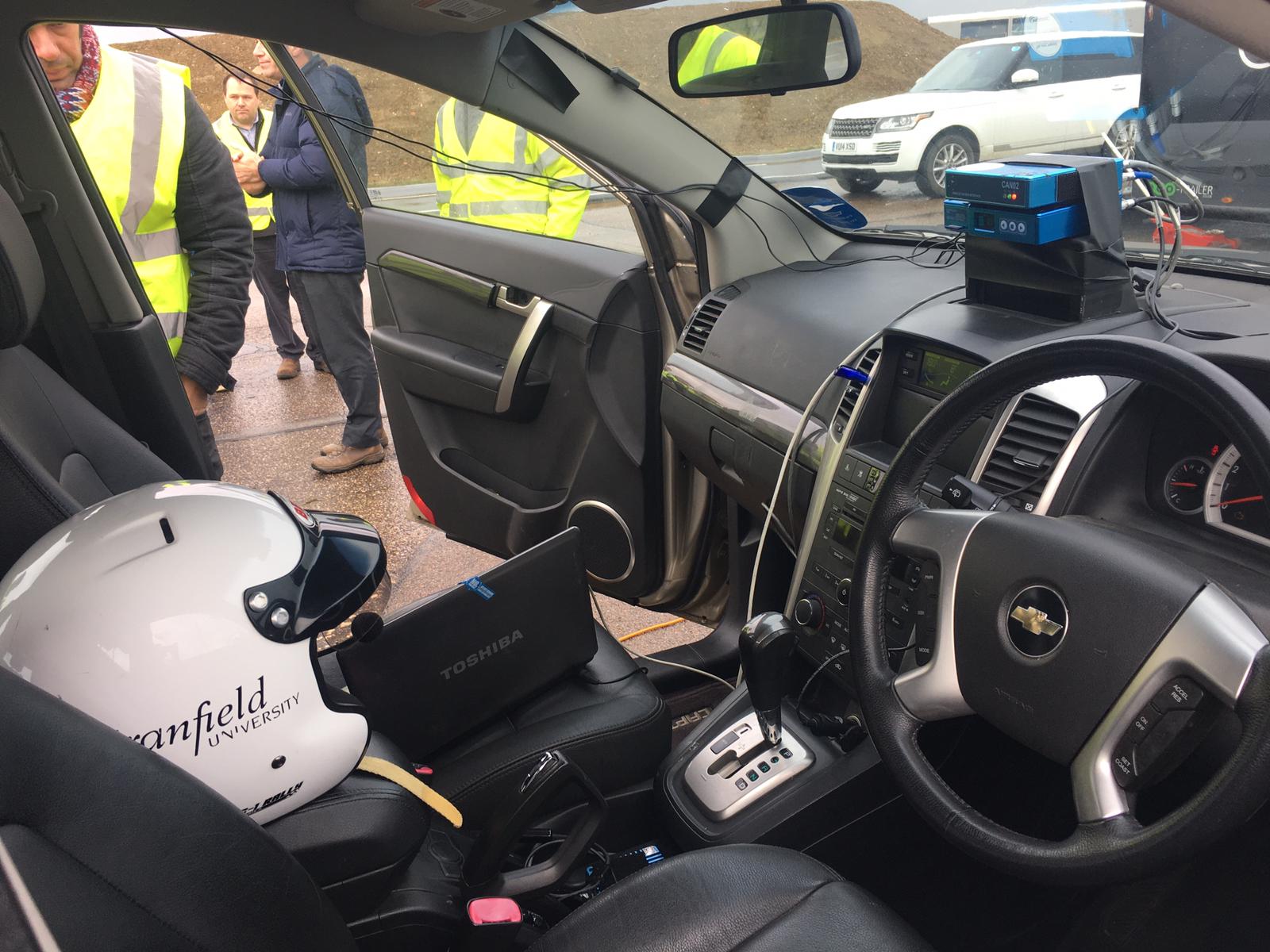
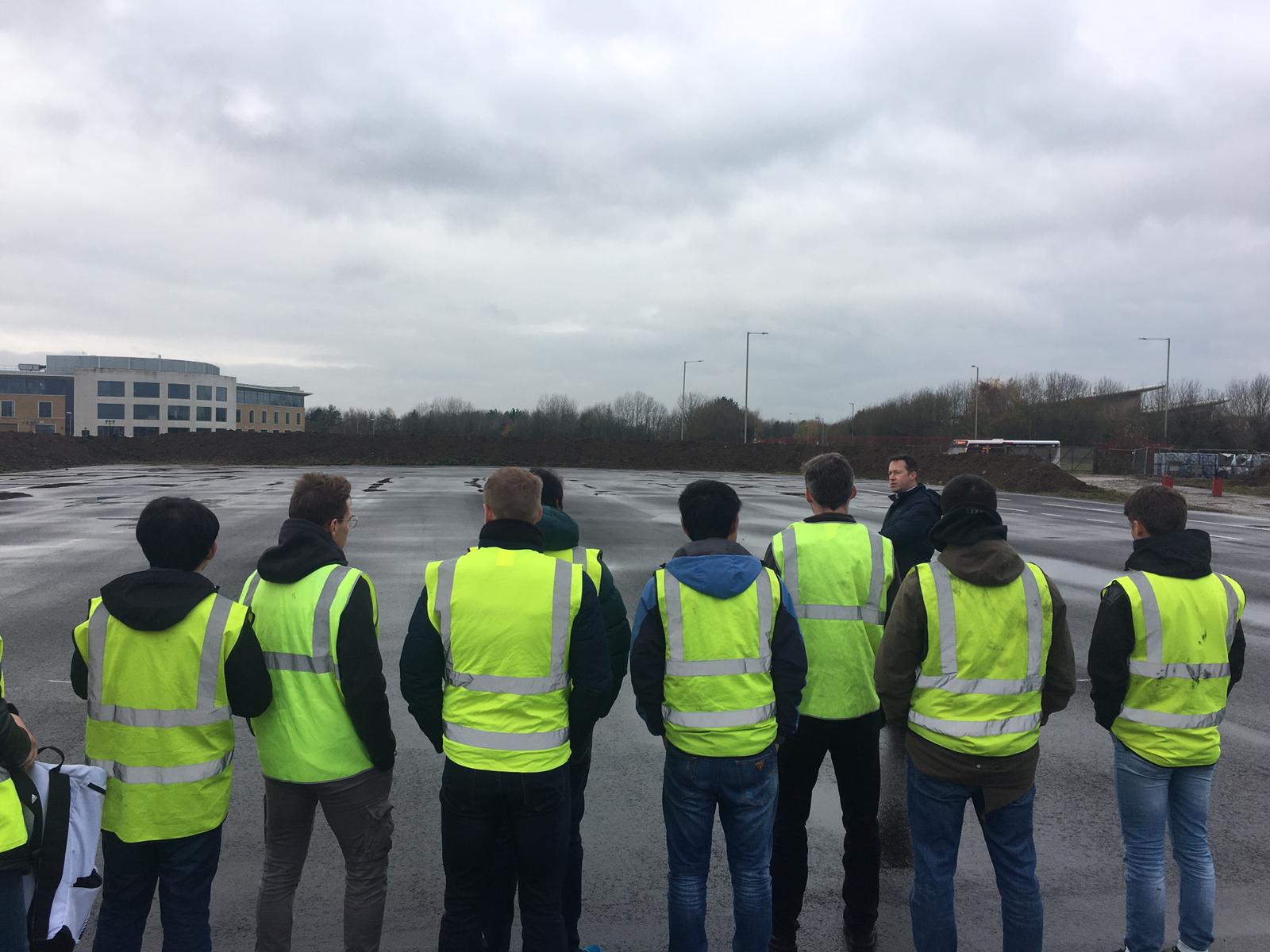
During the last week of November, students studying our Automotive Engineering and Automotive Mechatronics MScs took part in two practical sessions, as part of their Vehicle Dynamics module. The first session was a handling test, which took place on our Multi-User Environment for Autonomous Vehicle Innovation (MUEAVI) road, and the second session was a hands-on look at suspension designs in our mechatronics laboratory.
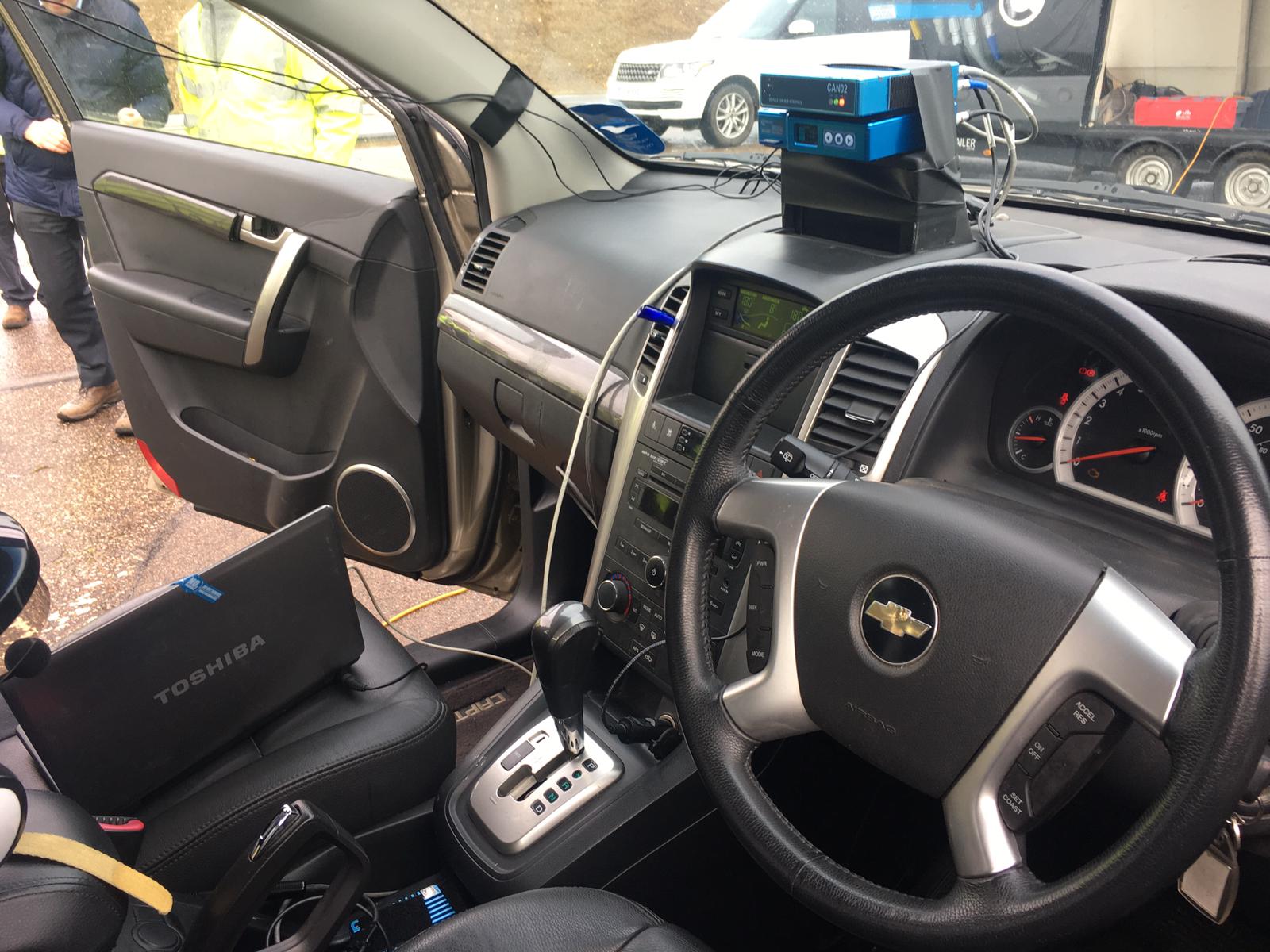
Describing the first practical session, Dr Efstathios Velenis said: “The vehicle handling practical at MUEAVI aims at demonstrating current approaches of vehicle instrumentation and standard techniques of objective evaluation of vehicle handling performance. The test procedure includes a variety of dynamic and steady-state cornering manoeuvres. The tests are repeated for different configurations of the suspension.
“Post-processing of the data is presented and the effects of the different suspension modifications on the cornering performance of the vehicle are studied and discussed in class. The focus is on the interpretation of the observed behaviours based on the theory covered in the module.”
This was a jam-packed day that saw students actively involved in the sessions (despite the bleak weather!) and allowed them to apply their learning in an everyday setting.
MSc student Georges Sayes commented: “These practical sessions offer a different approach to studying, which is better than a purely theoretical one. We can really understand the different technologies that are employed and the benefits of each of them.
“Learning only the theory does not allow you to really understand the fundamental functioning of different suspension designs, for example.
“During the handling session outside, we could apply what we had learned the day before. By seeing how the vehicle could perform on the track, we were able to validate our calculations on real vehicles.
“Through these sessions, we get closer to the automotive industry and acquire a better and deeper understanding.”
Another MSc student, Sreeram Santosh Vasamsetty, said: “Cranfield offers a huge number of practical sessions compared to other universities and these sessions are really impressive and industry-orientated. We deal with real-life situations.
“AVEC has great facilities and, for me, the most interesting part of the day was the vehicle handling session.
“Automotive companies want to hire students from Cranfield because we’ve dealt with real-life scenarios.”
Our automotive students have plenty more to look forward to throughout the rest of the academic year, including continuing to work on their group design project. Next year also marks the 60th anniversary of our Advanced Vehicle Engineering Centre (AVEC), so it’s an exciting time to be studying an automotive MSc at Cranfield.

Categories & Tags:
Leave a comment on this post:
You might also like…

Library services over Easter, 3-6 April
Kings Norton Library will remain open for study 24/7. You will need your University ID card to enter the building and can use the self-service machines to borrow and return items as usual. Barrington Library ...

How do I access the full-text of Harvard Business Review (HBR)?
This is a frequently asked question, and it's worth knowing how to access this key management journal. So, how do you access HBR in full-text? The short answer is via our eJournals finder. You can find ...

Engineering problem to solve? Let Knovel help you find a solution
Did you know that Knovel provides you with more than just eBooks? Knovel is a key database for many engineering, mechanical and materials courses here at Cranfield University, and contains content from an extensive range ...
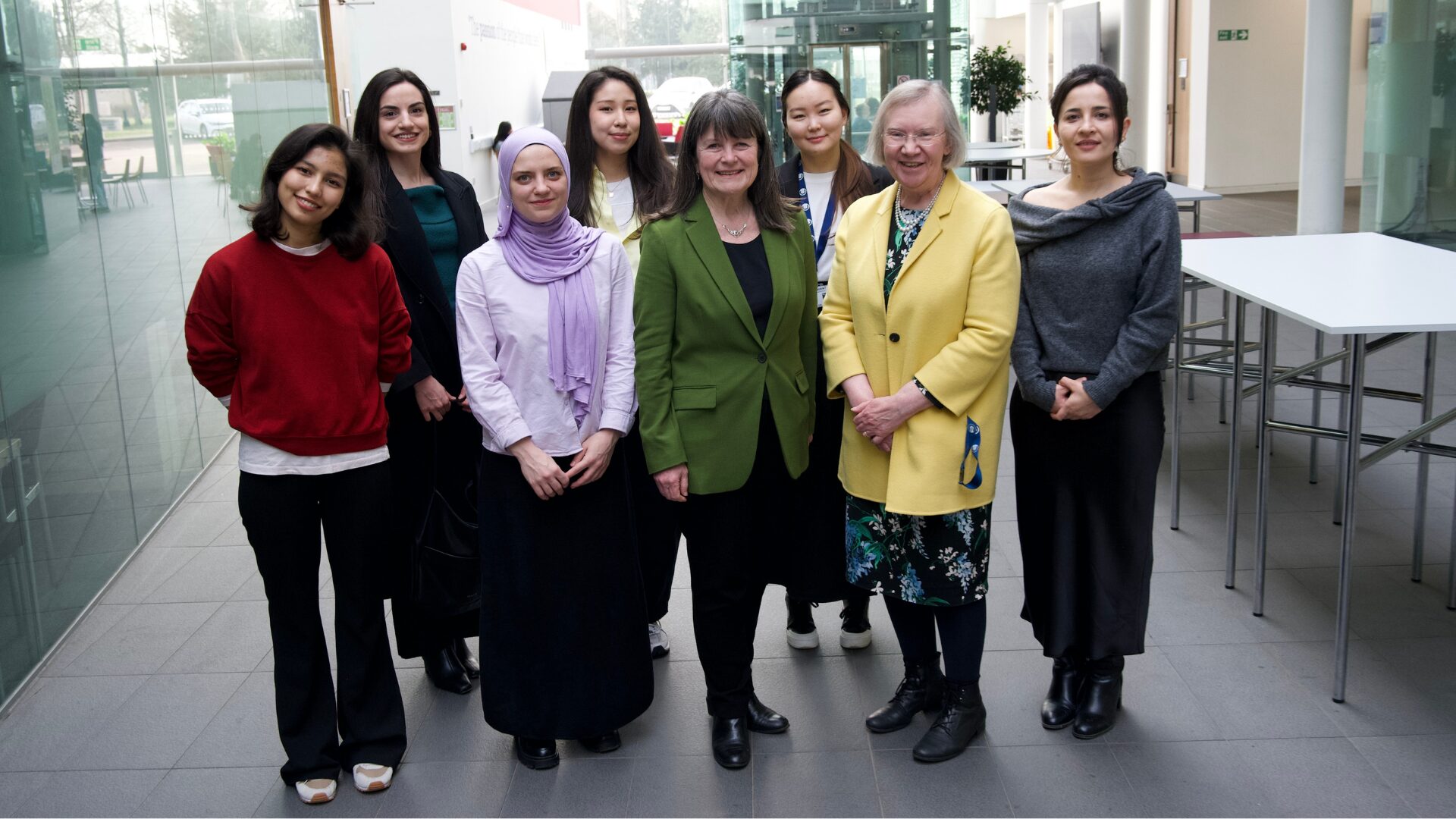
What happens when female scholars meet influential leaders?
On the 5 March 2026, our British Council Women in STEM Scholars had the privilege of sitting down with two excellent role models of industry and academia: Professor Dame Karen Holford, ...
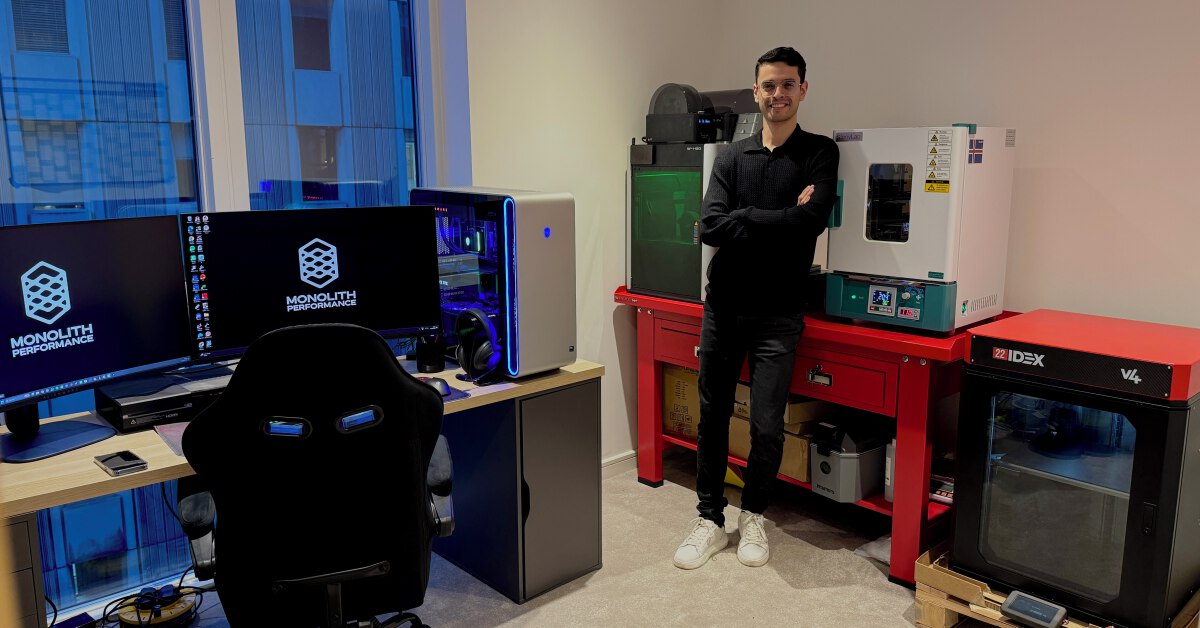
From MSc to CEO: Igniting a research revolution
For many, a master’s degree is achieving a big milestone. Kilyan Ocampo, Computational Fluid Dynamics alumni shares how studying at Cranfield helped launch his career in the energy sector. Today, Kilyan ...
Commuting, collaborating and growing: My first term experience at Cranfield
My first term at Cranfield University has been an extremely positive and rewarding experience. While the course has been intense at times, it has pushed me in the best possible way and allowed me ...