

From student to Hypercar Engineer: Lorenzo’s journey at Cranfield
19/03/2024

Lorenzo Carena, born and raised in Italy, graduated with a master’s degree in Connected and Autonomous Vehicle Engineering (CAVE) from Cranfield University in June 2022. While the initial part of his studies was disrupted by COVID-19 lockdowns, his typical days involved on-campus lectures, practical sessions, and socialising with classmates.
Following his internship in Belgium, Lorenzo chose Cranfield for its reputation, industry partnerships, course structure, and positive alumni feedback. The university’s strong research background in aviation and automotive, coupled with its extensive network in the automotive industry, particularly impressed him. The professors’ industry experience and a recommendation from a friend studying at Cranfield solidified his decision.
The CAVE program perfectly complemented Lorenzo’s mechanical engineering background, delving deeper into controls and automation. The course structure covered the complexities of automated and autonomous driving, and it highlighted the hands-on learning opportunities through lectures, assignments, and access to the department’s vehicle prototypes workshop.
“The Group Design project stands out,” Lorenzo recalls. “My team and I frequently collaborated in the IMEC workshop and study rooms.”
Currently, Lorenzo works as a System Engineer in the Control Systems Team at Rimac Technology in Zagreb, Croatia, where he contributes to the development of cutting-edge hypercars. The knowledge gained at Cranfield in control systems, embedded systems, automotive communication protocols, system engineering, and automotive safety regulations has proven invaluable in his role.

Reflecting on his journey at Cranfield, he believes that it has provided an intense and exciting academic experience. Beyond studying, he became the first CAVE MSc course representative and Education Representative for the School of Aerospace, Transport and Manufacturing. In this position, he was able to address issues, bring up concerns, submit requests to the university, and work with all parties to find solutions together.
“Being a bridge between the university and students allowed me to interact with many people and work collaboratively to find solutions,” he says. “The university’s willingness to listen to students was particularly commendable.”
Lorenzo co-founded the Cranfield Autonomous Vehicle Society to organise events related to assisted, automated, and autonomous driving. Through this society, many students were able to contact industry representatives to help broaden their knowledge of the world of assisted, automated, and autonomous driving technologies.
Looking ahead, he aspires to continuously learn and grow in the automotive engineering field, contributing to creating the best supercars and hypercars while inspiring and leading others. He also envisions using his engineering skills for social causes, potentially through organisations like Engineers Without Borders.
For those considering Cranfield, Lorenzo offers this advice:
• Passion is key: Approach learning with passion, both during studies and your career. It’s not just about passing exams but building a strong technical foundation.
• Curiosity is crucial: Actively seek opportunities to expand your knowledge and network beyond academics.
• Value teamwork: Be humble and appreciate your colleagues. Effective teamwork is essential.

“The quality of the University under all aspects, came from a friend who was studying a PhD.”


Categories & Tags:
Leave a comment on this post:
You might also like…
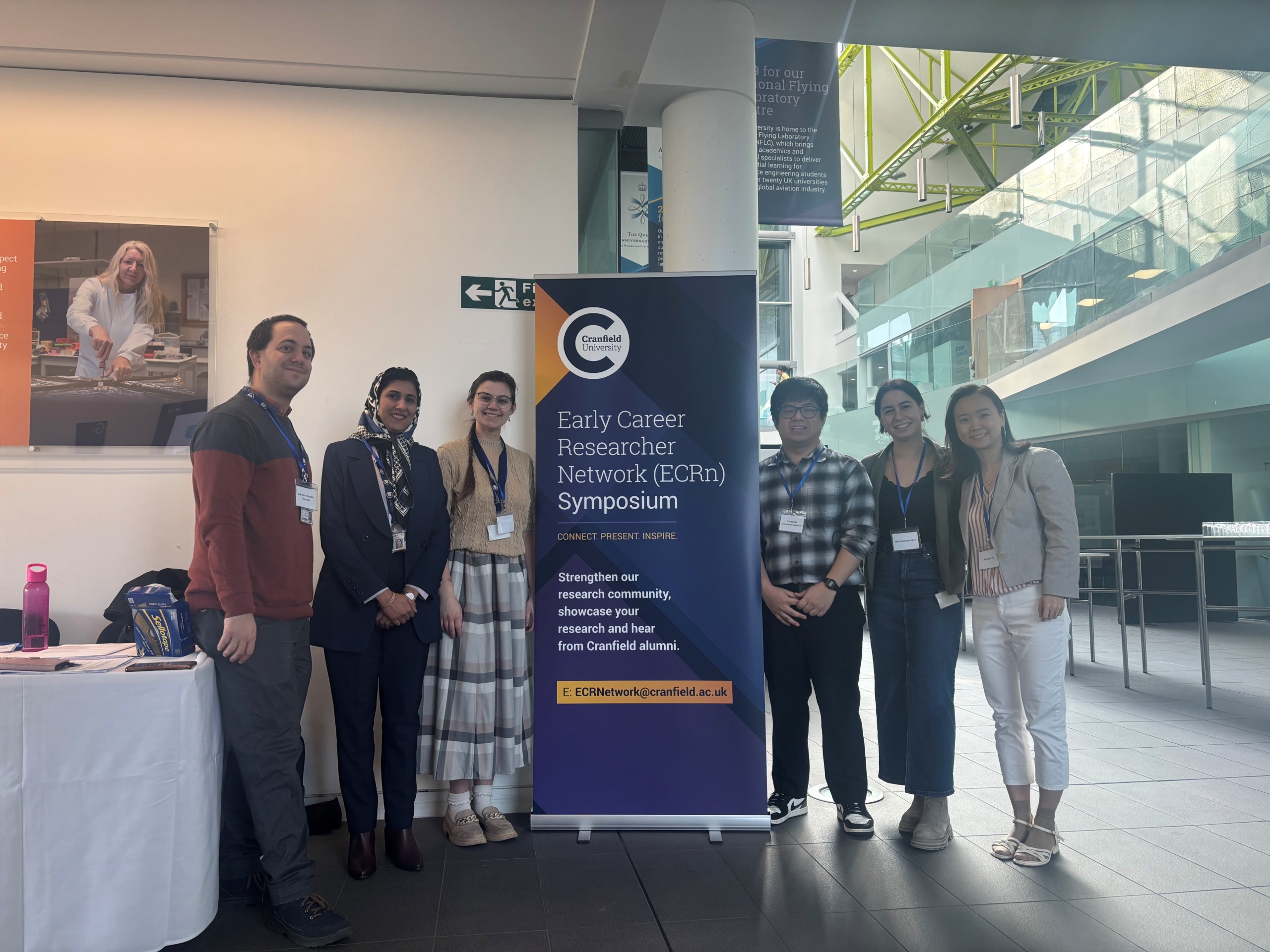
Building more than research: Reflections from the ECRn Symposium 2026
There’s something quietly powerful about a room full of early career researchers. Not just the ideas, although there were plenty of those—but the conversations, the curiosity, and the sense that everyone is figuring things ...
Library services over Easter, 3-6 April
Kings Norton Library will remain open for study 24/7. You will need your University ID card to enter the building and can use the self-service machines to borrow and return items as usual. Barrington Library ...

How do I access the full-text of Harvard Business Review (HBR)?
This is a frequently asked question, and it's worth knowing how to access this key management journal. So, how do you access HBR in full-text? The short answer is via our eJournals finder. You can find ...

Engineering problem to solve? Let Knovel help you find a solution
Did you know that Knovel provides you with more than just eBooks? Knovel is a key database for many engineering, mechanical and materials courses here at Cranfield University, and contains content from an extensive range ...
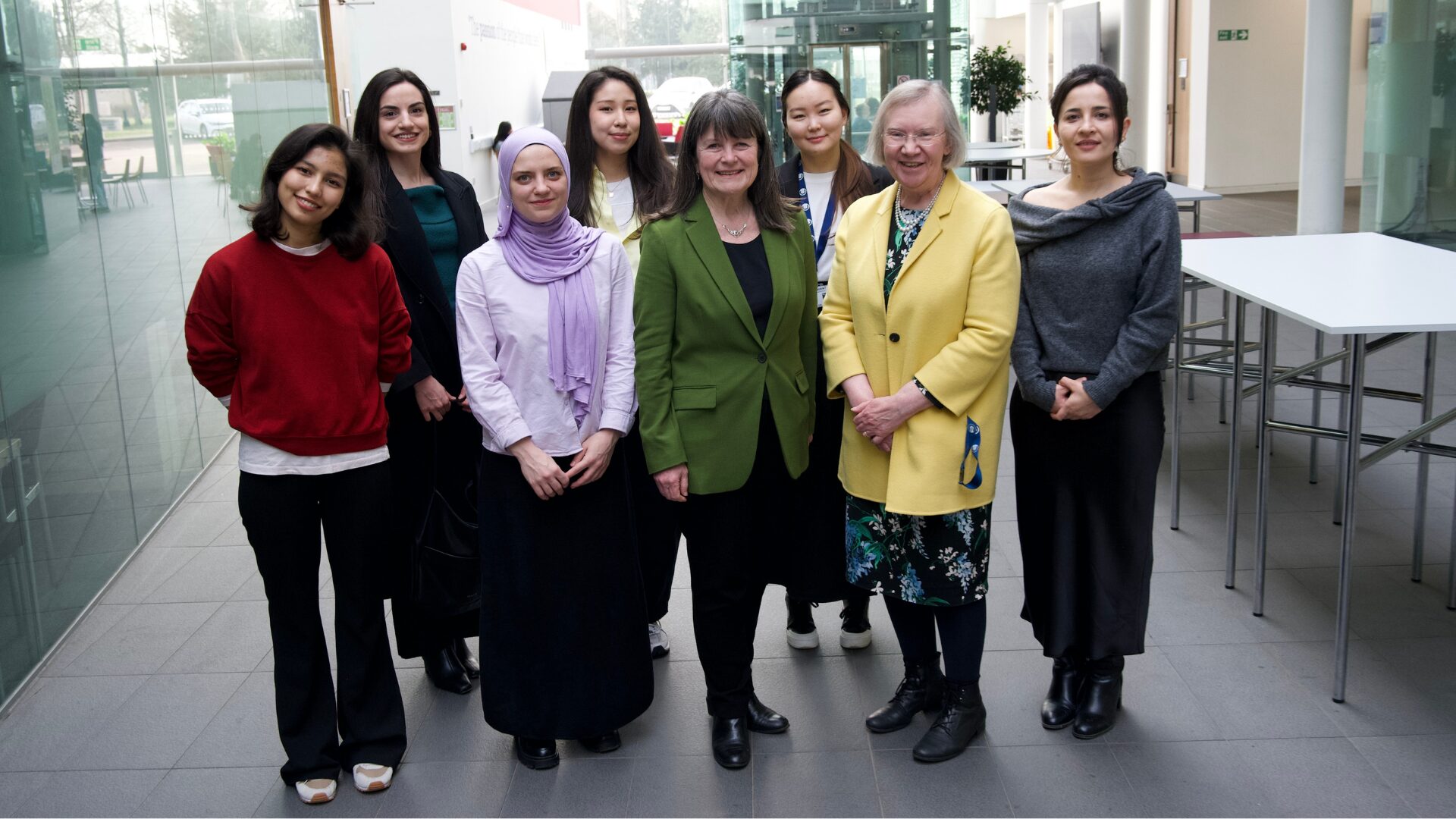
What happens when female scholars meet influential leaders?
On the 5 March 2026, our British Council Women in STEM Scholars had the privilege of sitting down with two excellent role models of industry and academia: Professor Dame Karen Holford, ...
From MSc to CEO: Igniting a research revolution
For many, a master’s degree is achieving a big milestone. Kilyan Ocampo, Computational Fluid Dynamics alumni shares how studying at Cranfield helped launch his career in the energy sector. Today, Kilyan ...
Comments are closed.