

Predictive maintenance research at Cranfield University: A PhD perspective
30/01/2025
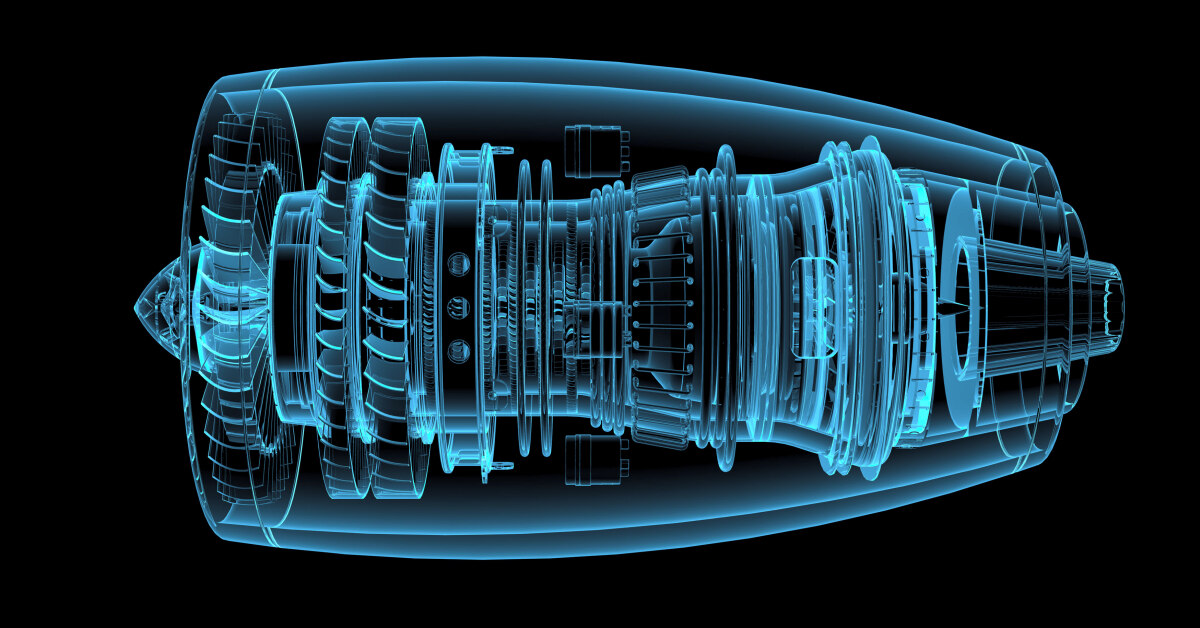
Imagine a world where jet engines don’t just fly, they predict their own maintenance needs. That’s the future Felix Fu is working towards as part of his PhD at Cranfield University, the epicentre of innovation in transport systems.
Why Cranfield?
Cranfield wasn’t just the perfect academic fit; it was a passport to a global adventure. Chosen as one of 15 researchers for the prestigious Horizon 2020 MSCA MOIRA project, I found myself collaborating with top companies like Rolls-Royce and Airbus. This project, focused on advanced diagnostics and prognostics, perfectly aligned with my passion for bridging the gap between research and real-world applications.
My journey unfolds
My PhD journey has been anything but ordinary. From presenting my work at international conferences to specialised training sessions like Bayesian Machine Learning at Oxford, Cranfield has opened doors to incredible opportunities. But the real highlight? The chance to blend technical development with European travel, exploring the canals of Venice, the Guggenheim Museum in Bilbao, and even trekking the Dolomites! This unique blend of academics and adventure fuels my research fire.
Predicting the future of aviation safety
My research focuses on a “hybrid prognostic methodology,” a blend of physics-based models and innovative data-driven techniques. Imagine this: a crystal ball for aviation systems, predicting the health of critical components like gas turbines with incredible precision. This translates to reduced downtime, enhanced safety, and lower operational costs for airlines worldwide.

Beyond the lab
My research isn’t confined to theory. Collaborations with Rolls-Royce and open datasets from NASA ensure every model and simulation is grounded in real-world challenges. From the lab to the runway, my work is tested, refined, and applied where it matters most. My findings, published in seven peer-reviewed papers, are already contributing to global conversations on predictive maintenance, pushing boundaries and ensuring every flight is a little safer.
A day in the life of a PhD researcher
My days are a mix of innovation, collaboration, and adventure. Mornings begin with data analysis and refining models, sometimes followed by teaching MSc students—sharing my knowledge is part of the thrill. Afternoons brim with brainstorming sessions with peers, workshops like personal effectiveness training, and even condition monitoring courses across Europe.
My secondments at Tetra Pak and IKERLAN weren’t just about research; they were cultural immersions, allowing me to savour local delicacies and explore breathtaking landscapes.
Fuelling innovation: The Cranfield advantage
The Cranfield Doctoral Network is a melting pot of ideas. It has connected me with researchers across disciplines, enriched my teaching experience, and broadened my professional horizons. Cranfield’s commitment to bridging academia and industry ensures research translates into real-world impact.
Cranfield’s global impact
Cranfield is redefining transport systems and sustainability on a global scale. Through revolutionary research and collaborations, we tackle pressing issues in aviation safety and efficiency, while promoting sustainable solutions.
Beyond the PhD
After completing my PhD in 2025, I envision leading research on safer and more sustainable transportation systems. Whether in academia, industry, or consultancy, I aim to utilise my skills and global network to solve critical challenges, foster international collaborations, and be at the forefront of predictive maintenance innovation.
Advice for aspiring researchers
“Dive in with curiosity and an adventurous spirit! Transport systems research demands both technical expertise and creative thinking. Embrace international collaborations and soak up the world’s diverse perspectives. But remember, balance is key. Don’t let the hard work overshadow the joy of exploration—whether it’s conquering a ski slope, indulging in local cuisine, or making lifelong friends.”
A fun fact
When I’m not refining models, you’ll find me carving up the slopes snowboarding or engaging in a friendly fencing bout. The research might be cutting-edge, but I believe life’s journey should be a balance between challenge and joy—just like my research.




Categories & Tags:
Leave a comment on this post:
You might also like…
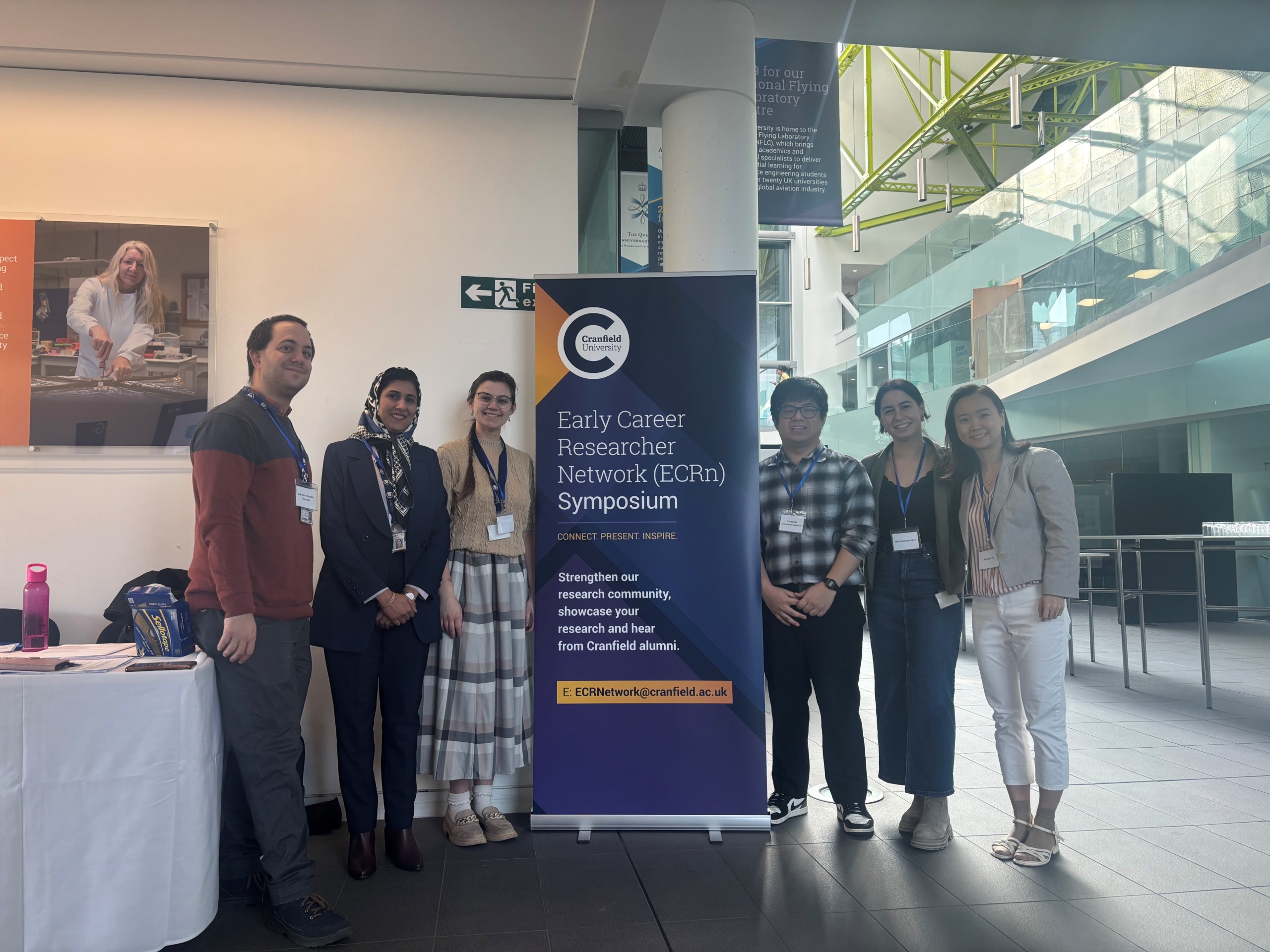
Building more than research: Reflections from the ECRn Symposium 2026
There’s something quietly powerful about a room full of early career researchers. Not just the ideas, although there were plenty of those—but the conversations, the curiosity, and the sense that everyone is figuring things ...
Library services over Easter, 3-6 April
Kings Norton Library will remain open for study 24/7. You will need your University ID card to enter the building and can use the self-service machines to borrow and return items as usual. Barrington Library ...

How do I access the full-text of Harvard Business Review (HBR)?
This is a frequently asked question, and it's worth knowing how to access this key management journal. So, how do you access HBR in full-text? The short answer is via our eJournals finder. You can find ...

Engineering problem to solve? Let Knovel help you find a solution
Did you know that Knovel provides you with more than just eBooks? Knovel is a key database for many engineering, mechanical and materials courses here at Cranfield University, and contains content from an extensive range ...
What happens when female scholars meet influential leaders?
On the 5 March 2026, our British Council Women in STEM Scholars had the privilege of sitting down with two excellent role models of industry and academia: Professor Dame Karen Holford, ...
From MSc to CEO: Igniting a research revolution
For many, a master’s degree is achieving a big milestone. Kilyan Ocampo, Computational Fluid Dynamics alumni shares how studying at Cranfield helped launch his career in the energy sector. Today, Kilyan ...