


My Cranfield course: Pre-master’s in Engineering
23/11/2020
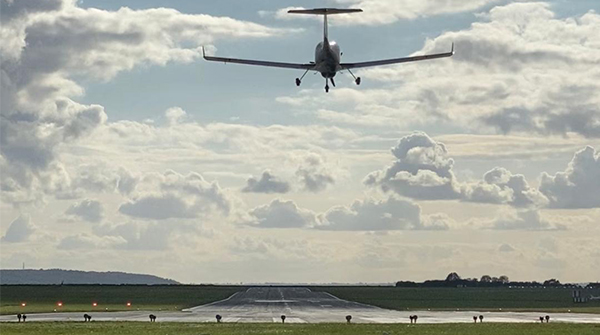
Hi! We are Zoe and Céline, and we’ve both just started on Cranfield’s Pre-master’s in Engineering course. In this series of blogs, we hope to share with you our journey through the course as we prepare for our master’s year at Cranfield.
What are our backgrounds?
I, Zoe completed a Chemistry degree at the University of Bristol before joining BAE Systems on their graduate programme. After three years in the company, I had progressed to Senior Engineer but felt that I was missing some key theoretical knowledge that would prevent me from becoming a better engineer. I also decided that I should follow my passion of working in the aerospace (especially space) industry, so decided to combine the two and pursue a Pre-master’s in Engineering at Cranfield, followed by an MSc in Astronautics and Space Engineering.

I, Céline completed an MSc in both Economics and Space Studies at the Catholic University of Leuven in Belgium. Hereafter I was very lucky to join the Young Graduate Trainee program at the European Space Agency (ESA) as an Economic Business Analyst. However, just like Zoe, I felt that I was missing some key theoretical knowledge that would prevent me from becoming a better engineer, especially in the private (space) industry. I think Cranfield’s pre-master’s as preparation for a follow-up master is the perfect opportunity to make this happen.

What’s the Pre-master’s in Engineering about?
The Pre-master’s programme is specifically designed to help students from non-traditional academic backgrounds to develop the knowledge and skills to be able to succeed on Cranfield’s master’s degrees (list on the course website). It is broken into twelve taught units and an independent research project and examined by a mixture of coursework and formal exams. So far this term, we’ve studied Basic Aerodynamics, Aerospace Engineering, Maths, Computing, and Engineering Stress Analysis. My notes for Aerospace Engineering are full of high-speed sketches of aircraft and aircraft systems!
What’s the teaching like?
With the pandemic, roughly half of our modules so far have been taught face-to-face. Lecture recordings and slides are always available, and the lecturers are really helpful – we also run regular peer-to-peer review sessions. The students on our course have a really diverse range of backgrounds and previous experience, so we all help each other out! Most of the core texts for our course are available online, and the library has set up a “click and collect” service if you need anything else.
What extra-curriculars are there?
Both of us have joined the Cranfield Students for the Exploration and Development of Space (CRANSEDS) which is really exciting! They are going ahead with several projects for now, including building rockets for UK and EU competitions, rovers, and a rocket motor test stand. Other societies still running during lockdown include the Astronomical Society, who have been hosting a range of fascinating talks; the Cranfield Students’ Association is also hosting a range of activities.
In addition, Cranfield University has many facilities for taking part in sporting, recreational, and social activities. There is a fitness centre, playing fields, sports pitches, and several tennis courts, which is an ideal way to relax away from your academic work and meet new people. And even with the current Covid-19 situation, Cranfield has put much effort into looking for alternatives or to make it happen in a safe way.
That’s all for now – look out for our next blog, as we submit coursework and head into exam season!
Find out more information on this course; Pre-master’s in Engineering.

Categories & Tags:
Leave a comment on this post:
You might also like…
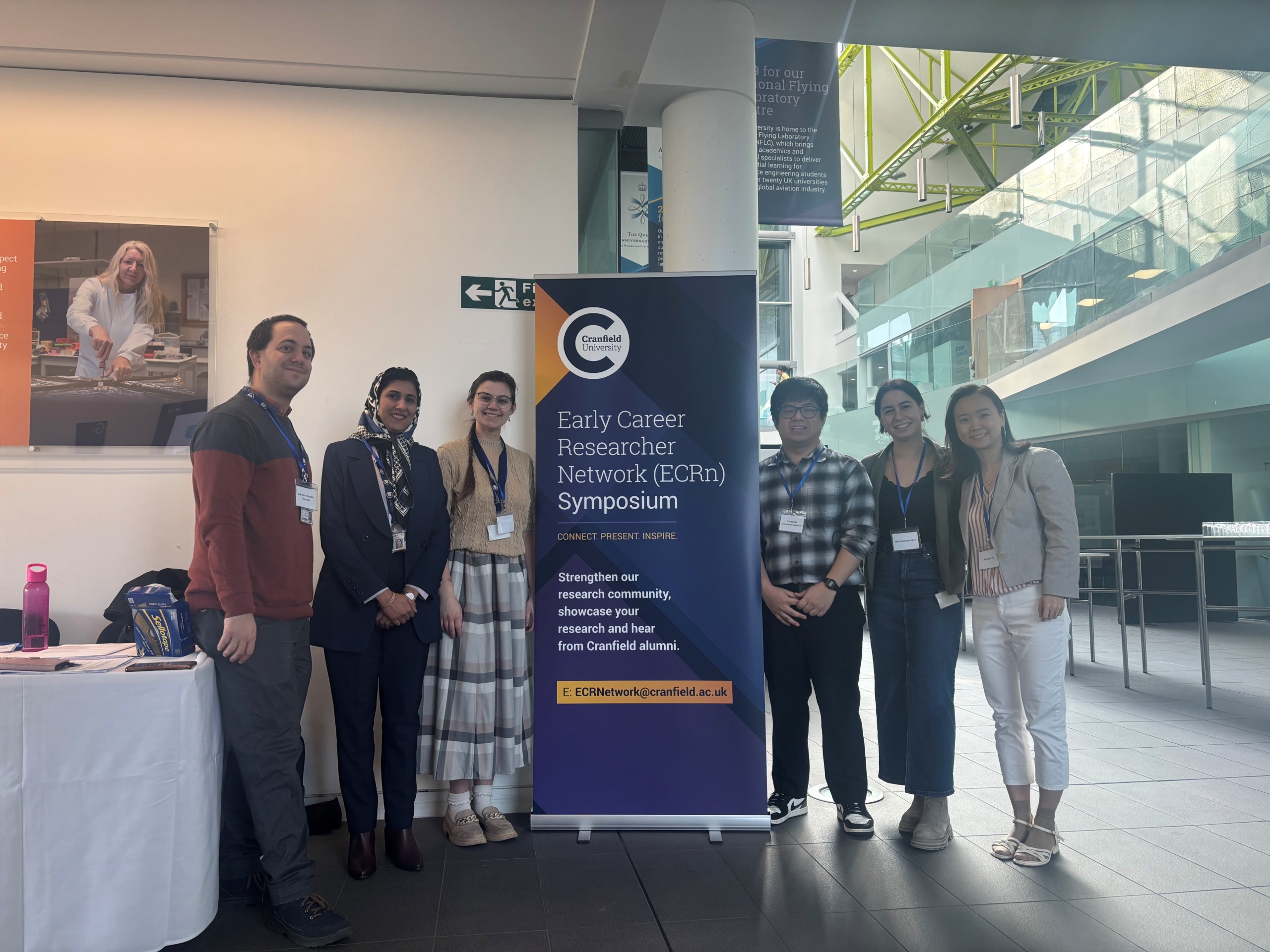
Building more than research: Reflections from the ECRn Symposium 2026
There’s something quietly powerful about a room full of early career researchers. Not just the ideas, although there were plenty of those—but the conversations, the curiosity, and the sense that everyone is figuring things ...
Library services over Easter, 3-6 April
Kings Norton Library will remain open for study 24/7. You will need your University ID card to enter the building and can use the self-service machines to borrow and return items as usual. Barrington Library ...

How do I access the full-text of Harvard Business Review (HBR)?
This is a frequently asked question, and it's worth knowing how to access this key management journal. So, how do you access HBR in full-text? The short answer is via our eJournals finder. You can find ...

Engineering problem to solve? Let Knovel help you find a solution
Did you know that Knovel provides you with more than just eBooks? Knovel is a key database for many engineering, mechanical and materials courses here at Cranfield University, and contains content from an extensive range ...
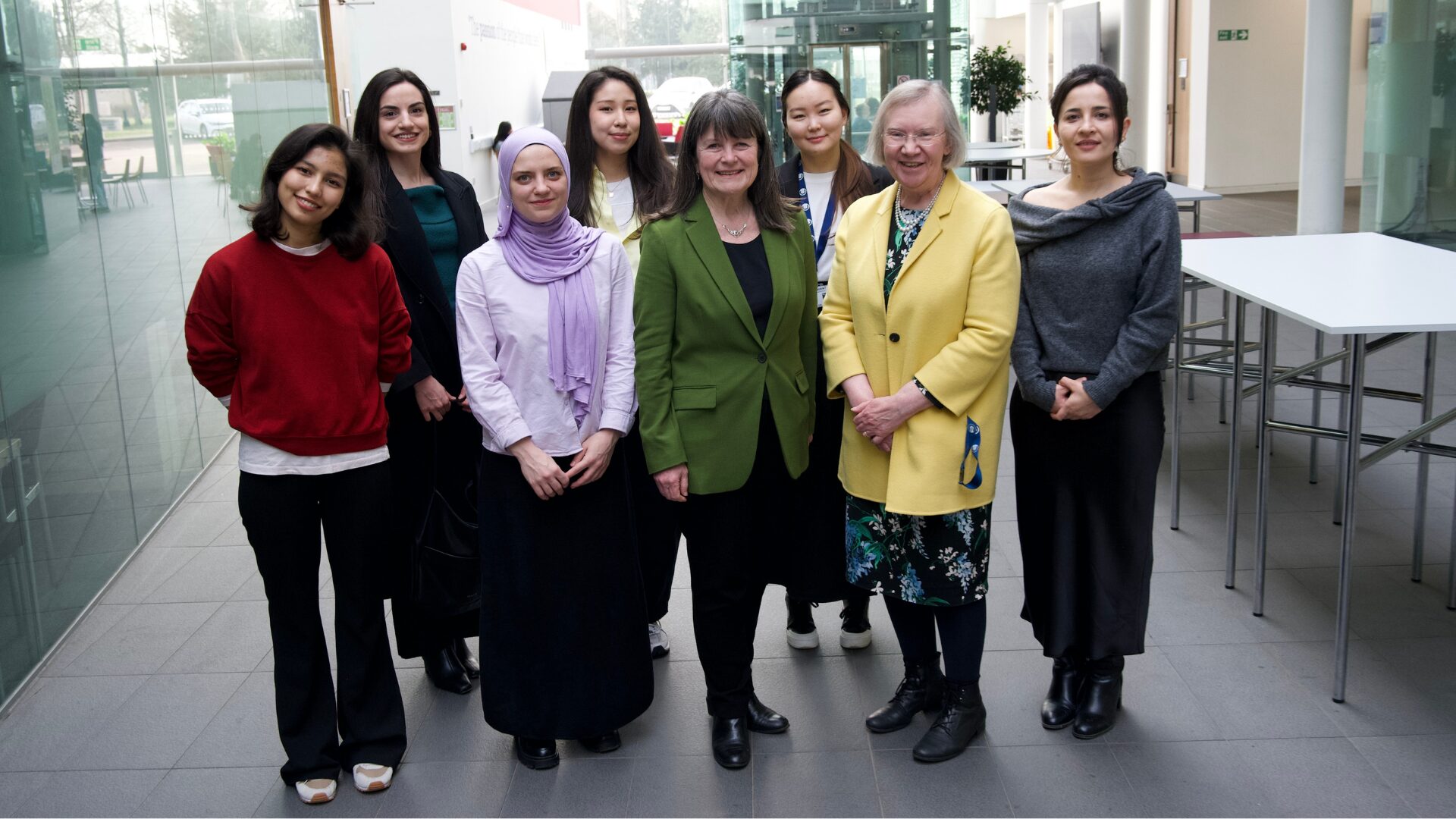
What happens when female scholars meet influential leaders?
On the 5 March 2026, our British Council Women in STEM Scholars had the privilege of sitting down with two excellent role models of industry and academia: Professor Dame Karen Holford, ...
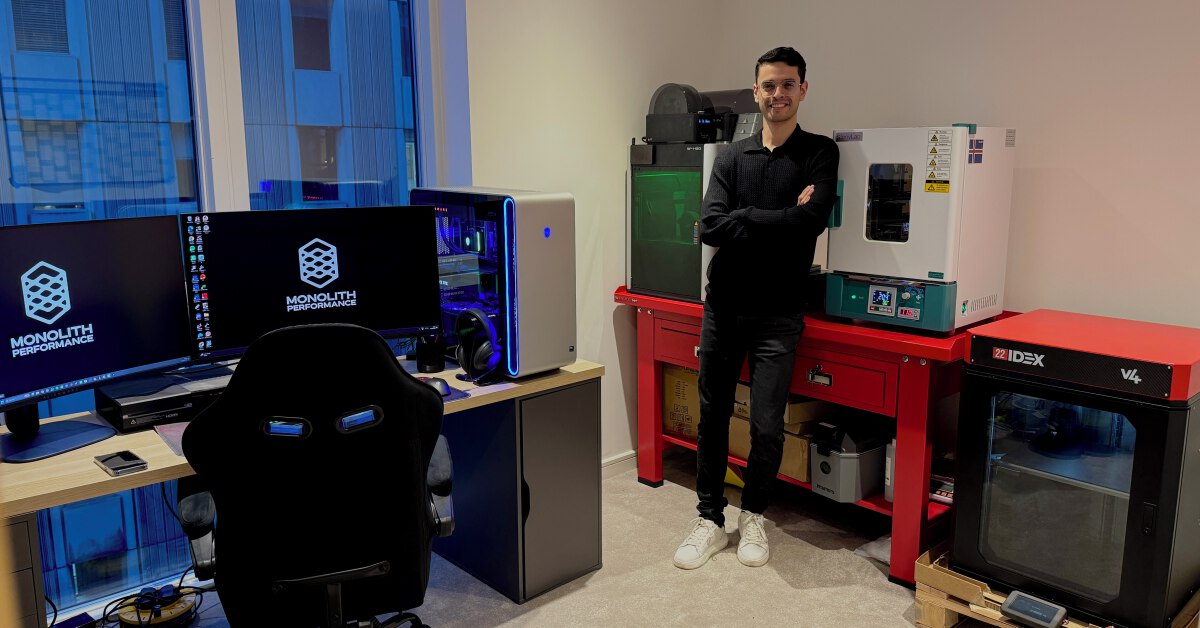
From MSc to CEO: Igniting a research revolution
For many, a master’s degree is achieving a big milestone. Kilyan Ocampo, Computational Fluid Dynamics alumni shares how studying at Cranfield helped launch his career in the energy sector. Today, Kilyan ...