

On-demand webinar: Industry and manufacturing’s journey to net zero
07/02/2024

On Tuesday 30 January 2024, Cranfield University hosted a webinar on the theme of net zero. Globally, countries, governments, and industries are focused on reducing greenhouse gas emissions to as close as zero as possible, to avoid cataclysmic climate change and safeguard our planet for future generations. Achieving this requires tangible actions, including replacing fossil fuels with renewable energy sources, utilising new materials and implementing innovative technologies, and reducing deforestation.
Complete the form to view the webinar recording.
During this expert-led webinar, we discussed the latest thinking and research being carried out to achieve net zero and create a sustainable future. Our panel of experts covered a range of topics, including:
- Defining net zero and its importance.
- Current strategies in materials engineering.
- The role of hydrogen (in civil aviation and other industries).
- Net zero practices in asset management.
- The wider macroeconomic and geopolitical context.
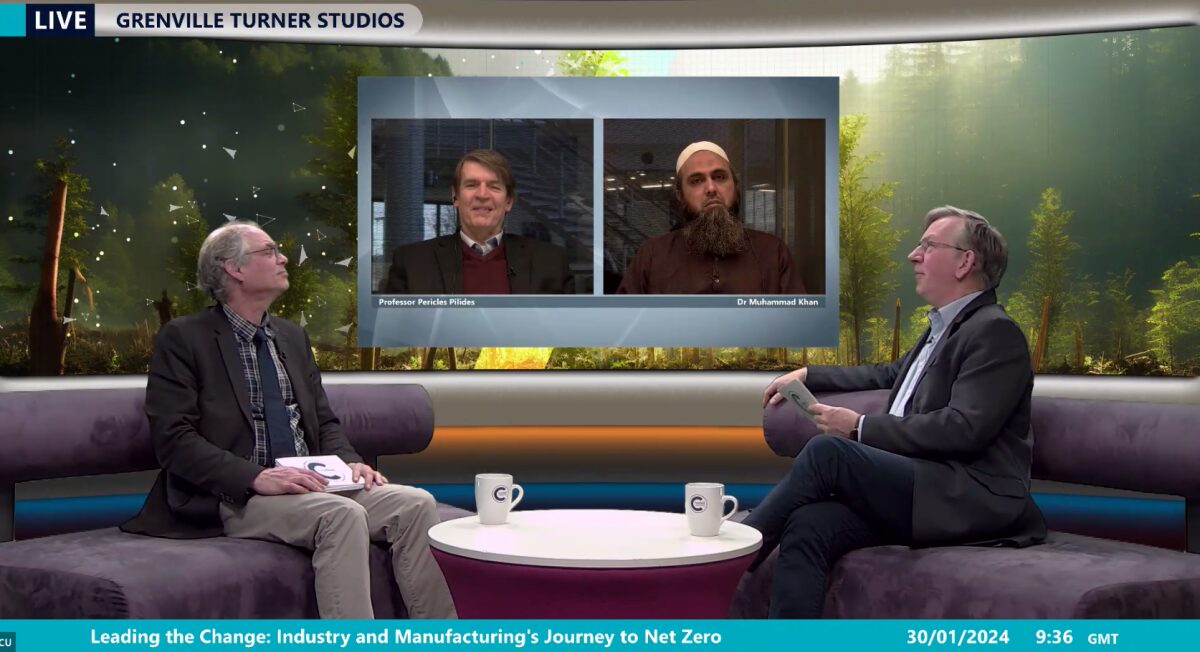
The panel
Professor Pericles Pilidis
Professor Pericles Pilidis is a professor in gas turbine performance in the Centre for Propulsion and Thermal Power Engineering at Cranfield University. He has organised and contributed to many international teaching and applied research programmes in the power, gas, oil and aviation industries, and is currently addressing research interests in the field of hydrogen for air, land and sea applications.
Dr David Ayre
Dr David Ayre is a senior lecturer in composites and polymers in the Composites and Advanced Materials Centre at Cranfield University. He is the course director for the Advanced Materials MSc, and has 10 years’ experience working in industry as a chemist in the nuclear power generation industry.
Dr Muhammad Khan
Dr Muhammad Khan is the acting head of centre for the Centre for Life-cycle and Engineering Management in Cranfield University. He has been involved in industrial and academic research for the last 20 years, and is currently working with his research group in areas including structural health monitoring, environmentally assisted material degradation, and asset maintenance and health assessment.
Watch the webinar recording now.

Categories & Tags:
Leave a comment on this post:
You might also like…
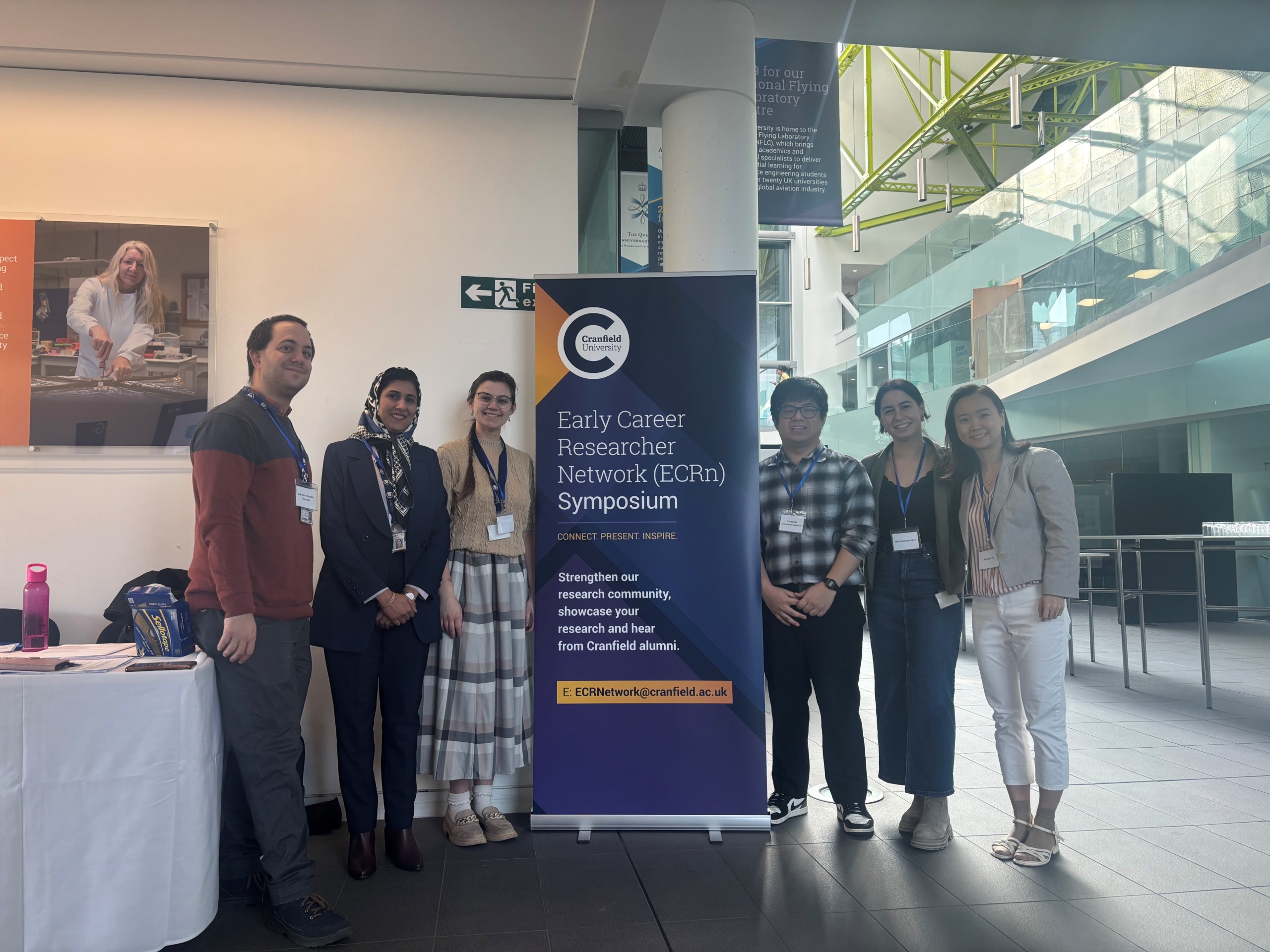
Building more than research: Reflections from the ECRn Symposium 2026
There’s something quietly powerful about a room full of early career researchers. Not just the ideas, although there were plenty of those—but the conversations, the curiosity, and the sense that everyone is figuring things ...

Library services over Easter, 3-6 April
Kings Norton Library will remain open for study 24/7. You will need your University ID card to enter the building and can use the self-service machines to borrow and return items as usual. Barrington Library ...

How do I access the full-text of Harvard Business Review (HBR)?
This is a frequently asked question, and it's worth knowing how to access this key management journal. So, how do you access HBR in full-text? The short answer is via our eJournals finder. You can find ...

Engineering problem to solve? Let Knovel help you find a solution
Did you know that Knovel provides you with more than just eBooks? Knovel is a key database for many engineering, mechanical and materials courses here at Cranfield University, and contains content from an extensive range ...
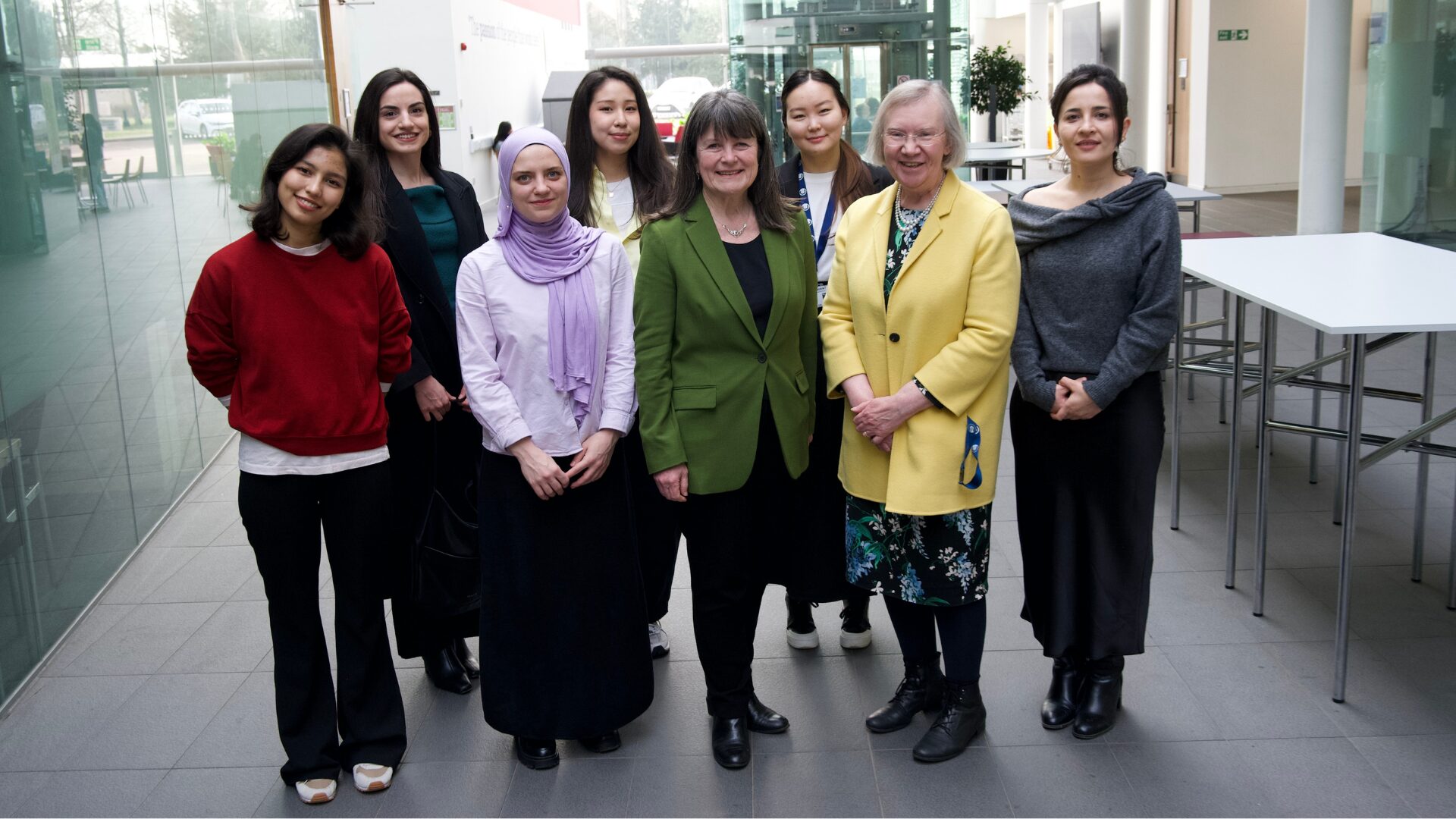
What happens when female scholars meet influential leaders?
On the 5 March 2026, our British Council Women in STEM Scholars had the privilege of sitting down with two excellent role models of industry and academia: Professor Dame Karen Holford, ...
From MSc to CEO: Igniting a research revolution
For many, a master’s degree is achieving a big milestone. Kilyan Ocampo, Computational Fluid Dynamics alumni shares how studying at Cranfield helped launch his career in the energy sector. Today, Kilyan ...
Comments are closed.