


Designing immortal products at C4D!
31/01/2019
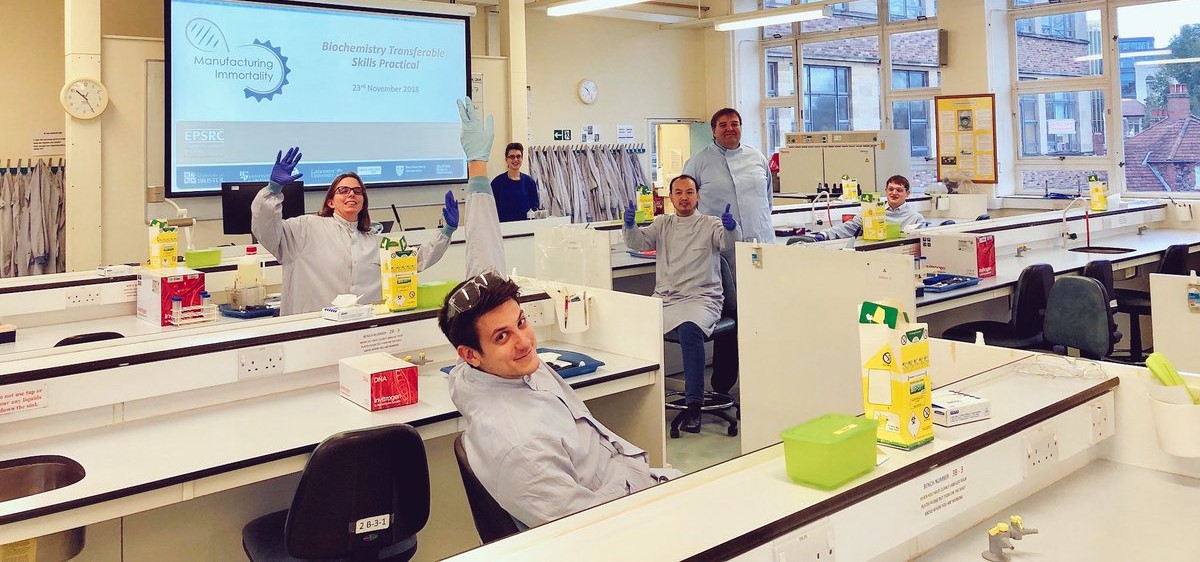
When I first heard the term ‘self-healing products and materials’, I thought it sounded like science fiction! However, I was soon to discover that there were many scientists and researchers around the globe working to make this technology a reality, opening up a whole new stream of smart material and design research possibilities.
Designing and researching self-healing materials – bringing an end to premature obsolescence of products and materials. As a designer and sustainability enthusiast by background, the idea that we could create products and materials that could autonomously repair themselves, frankly, sounded really cool and something I had to get involved with.
Luckily I was chosen to join the ‘Manufacturing Immortality’ team, which is an EPSC funded research consortium between Cranfield University, University of Bristol, University of Aberdeen, Lancaster University, University of Manchester, Northumbria University Newcastle and Sheffield Hallam University; and I was given the chance to investigate the design opportunities and sustainability implications of integrating this new smart material into products.
As a former master’s graduate in Centre for Design Engineering (C4D) myself, I was happy to return to Cranfield and to the department that helped me to begin my career in academia, but also excited to be examining such an interesting topic alongside industry and researchers from 6 UK universities as well. A multi-disciplinary team, we are mix of chemists, biologists, engineers, scientists and designers each tackling a different aspect of how to develop self-healing materials.
To give you a little more back ground on how self-healing materials work, essentially there are two main categories of self-healing materials intrinsic and extrinsic; extrinsic self-healing materials introduce a healing agent to the damaged site either through microcapsules or vascular networks, much like how your own skin heals. Whereas intrinsic self-healing materials have an innate self-repairing capability which occurs at a molecular level, and is activated by stimuli, such as heat or mechanical force, and so these materials can just be left out in sun, or pushed back together and they will heal like new.

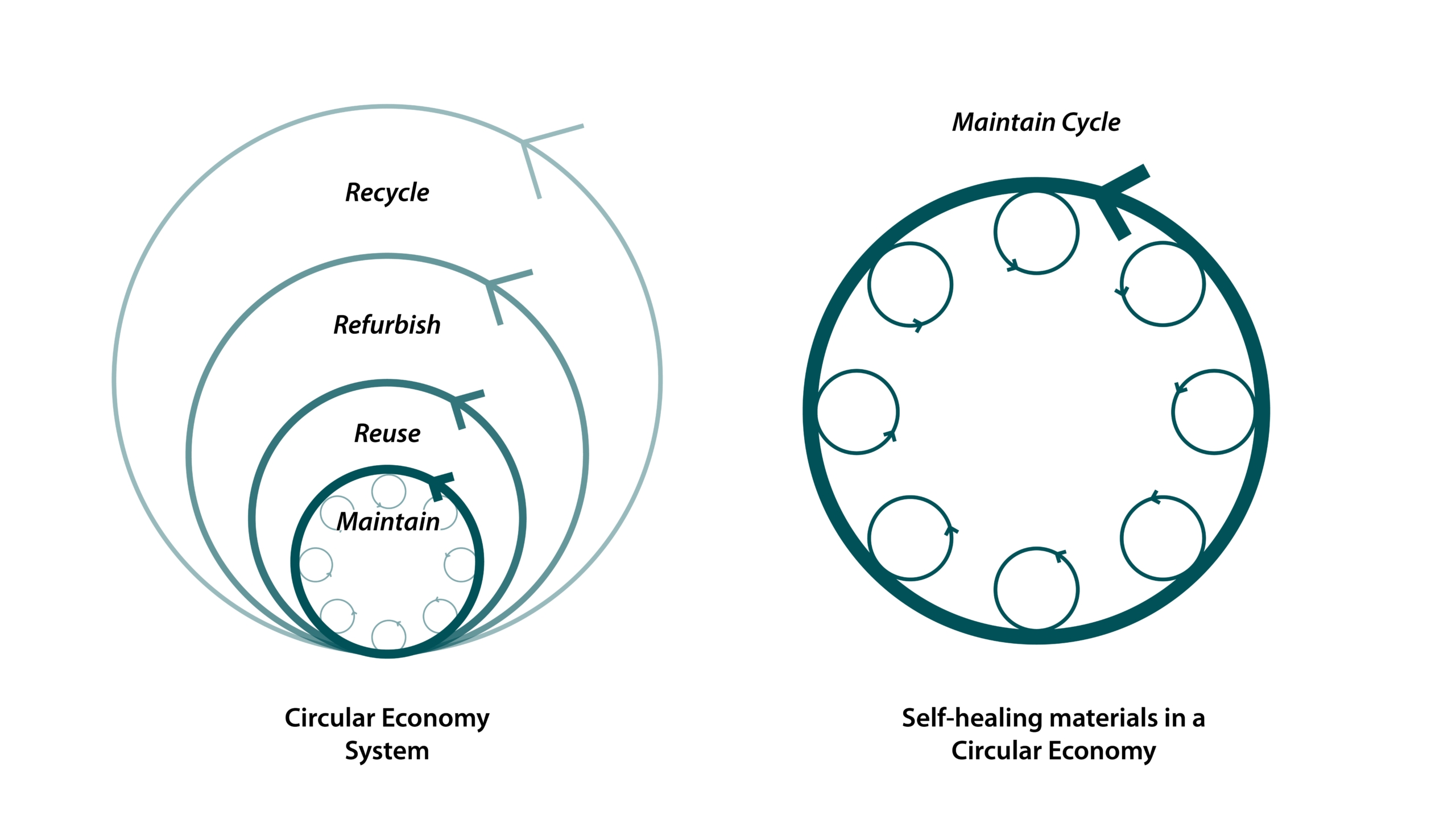
These materials can be used in loads of different applications, and it’s my job to figure out the most environmentally and economically beneficial uses. Within sustainability systems like the Circular Economy, if a product is able to heal itself this would extend its useful service life, reducing the environmental impact and costs associated with undertaking such a repair as shown in the figure below.
One scenario that really benefit are batteries, for say laptops or electric cars. As most people have experienced, batteries degrade over time and so don’t hold their charge as well after a few years, but if we apply self-healing technology they can stop this degradation from occurring, which results in longer lasting, better quality products for consumers.
This is just one example, but throughout the next 2 years of this project we are working closely with industry partners such as Siemens, Ellen MacArthur Foundation, Zentraxa and Overlander Batteries, to find the most exciting opportunities, and hopefully will contribute to reducing the environmental burden that industrialised products and materials place on the world.



Categories & Tags:
Leave a comment on this post:
You might also like…
Building more than research: Reflections from the ECRn Symposium 2026
There’s something quietly powerful about a room full of early career researchers. Not just the ideas, although there were plenty of those—but the conversations, the curiosity, and the sense that everyone is figuring things ...

Library services over Easter, 3-6 April
Kings Norton Library will remain open for study 24/7. You will need your University ID card to enter the building and can use the self-service machines to borrow and return items as usual. Barrington Library ...

How do I access the full-text of Harvard Business Review (HBR)?
This is a frequently asked question, and it's worth knowing how to access this key management journal. So, how do you access HBR in full-text? The short answer is via our eJournals finder. You can find ...
Engineering problem to solve? Let Knovel help you find a solution
Did you know that Knovel provides you with more than just eBooks? Knovel is a key database for many engineering, mechanical and materials courses here at Cranfield University, and contains content from an extensive range ...
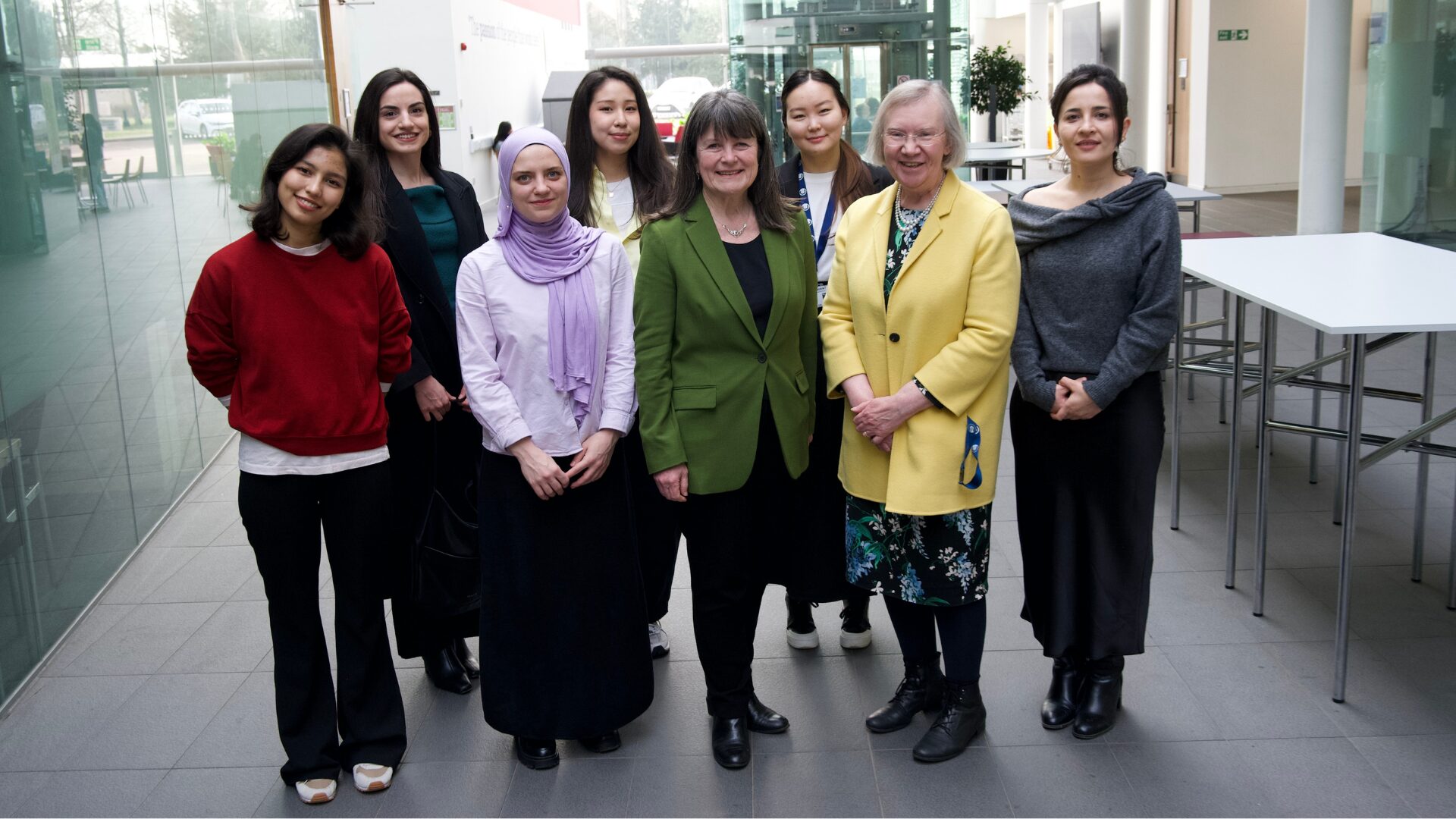
What happens when female scholars meet influential leaders?
On the 5 March 2026, our British Council Women in STEM Scholars had the privilege of sitting down with two excellent role models of industry and academia: Professor Dame Karen Holford, ...
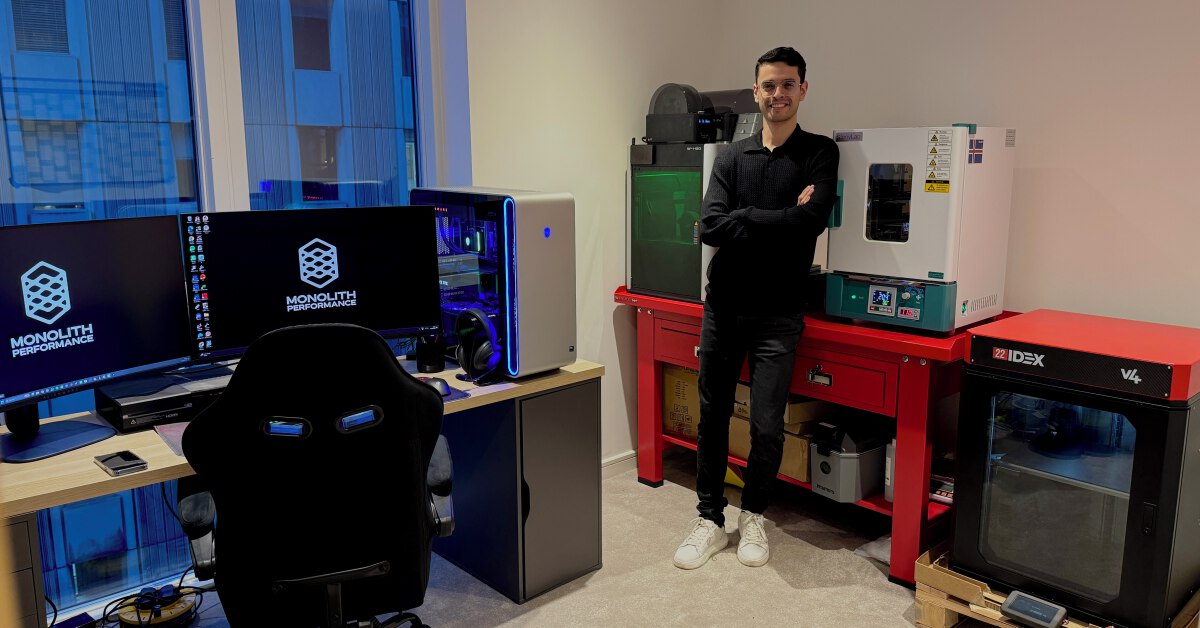
From MSc to CEO: Igniting a research revolution
For many, a master’s degree is achieving a big milestone. Kilyan Ocampo, Computational Fluid Dynamics alumni shares how studying at Cranfield helped launch his career in the energy sector. Today, Kilyan ...