


Beyond Powerpoint – Meditations on the Thailand tour
18/05/2018
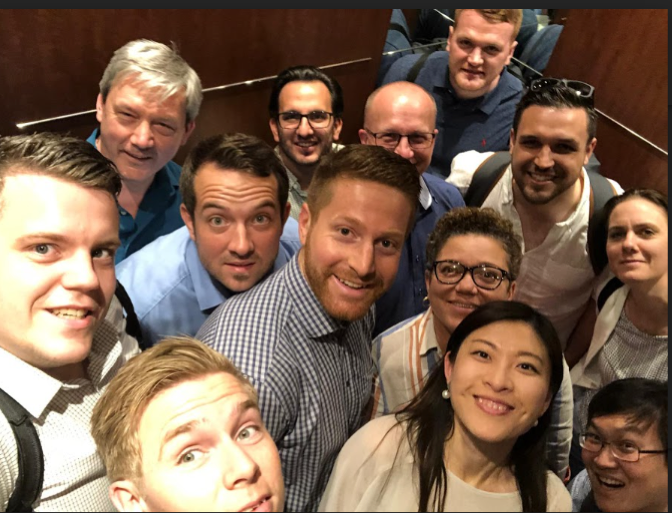
I am sure that nobody will be surprised that meticulous planning ensured we visited a cross-section of successful, professional businesses and were informed and educated by people who understood our requirements. The variety of industry sectors, the variation in seniority of those presenting, and the differences in the scale of the businesses visited, guaranteed that the module’s learning outcomes would be delivered. Every visit was of value in demonstrating that the management techniques we have learnt can be applied globally. I feel it would be wrong to single out any of the visits, each of which made a different contribution, but rather I would like to take this opportunity to thank all our hosts.
That’s all very clinical and misses the lessons that reside beyond the powerpoint slides. Visiting the country allows a far broader and more valuable learning experience: the feel and culture of a place, the nature of the people, a sense of their values. Thailand is called the “Land of Smiles” for a reason. The people are wonderful, well-educated, and exceptionally caring and keen to please. As a rapidly developing country still in touch with its impoverished roots, the people lack the sense of entitlement that pervades long-established European democracies. The Buddhist philosophy grants them a positive attitude in whatever they are doing and suggests that Western texts on motivation and performance management should be left at home. I cannot but think what a very different and satisfying experience it must be to work with Thai people.
It was insightful too to appreciate the strength and global reach of the Cranfield Alumni network; this must be the envy of many a university and it will be an honour to join its ranks.
My thanks go to Cranfield, particularly the irrepressible Benny and Denyse, to our hosts in Thailand and to my colleagues on the tour. How can you place a value on the camaraderie that is forged in hot chillis and quenched in Singha beer?


Categories & Tags:
Leave a comment on this post:
You might also like…
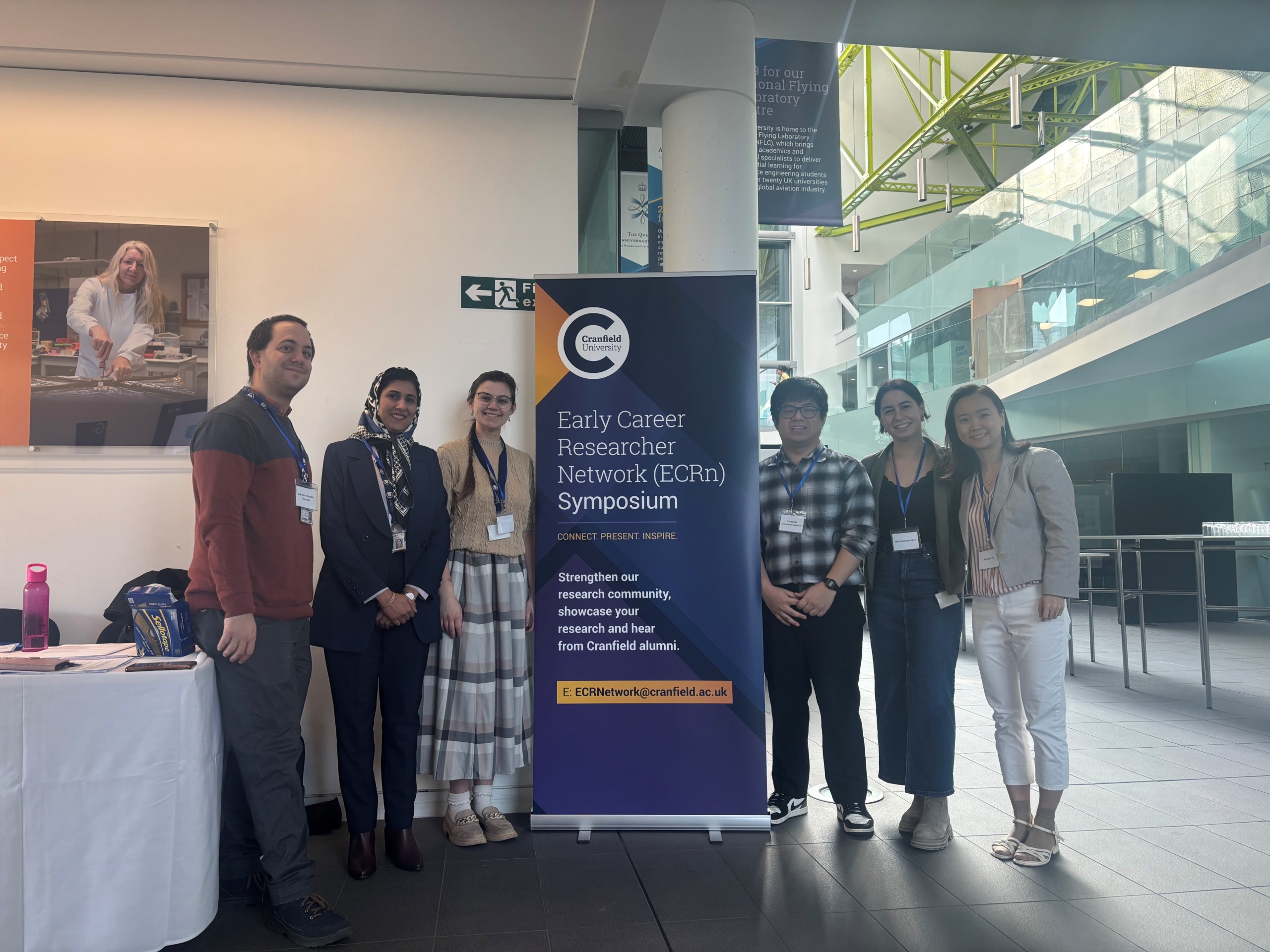
Building more than research: Reflections from the ECRn Symposium 2026
There’s something quietly powerful about a room full of early career researchers. Not just the ideas, although there were plenty of those—but the conversations, the curiosity, and the sense that everyone is figuring things ...

Library services over Easter, 3-6 April
Kings Norton Library will remain open for study 24/7. You will need your University ID card to enter the building and can use the self-service machines to borrow and return items as usual. Barrington Library ...

How do I access the full-text of Harvard Business Review (HBR)?
This is a frequently asked question, and it's worth knowing how to access this key management journal. So, how do you access HBR in full-text? The short answer is via our eJournals finder. You can find ...

Engineering problem to solve? Let Knovel help you find a solution
Did you know that Knovel provides you with more than just eBooks? Knovel is a key database for many engineering, mechanical and materials courses here at Cranfield University, and contains content from an extensive range ...
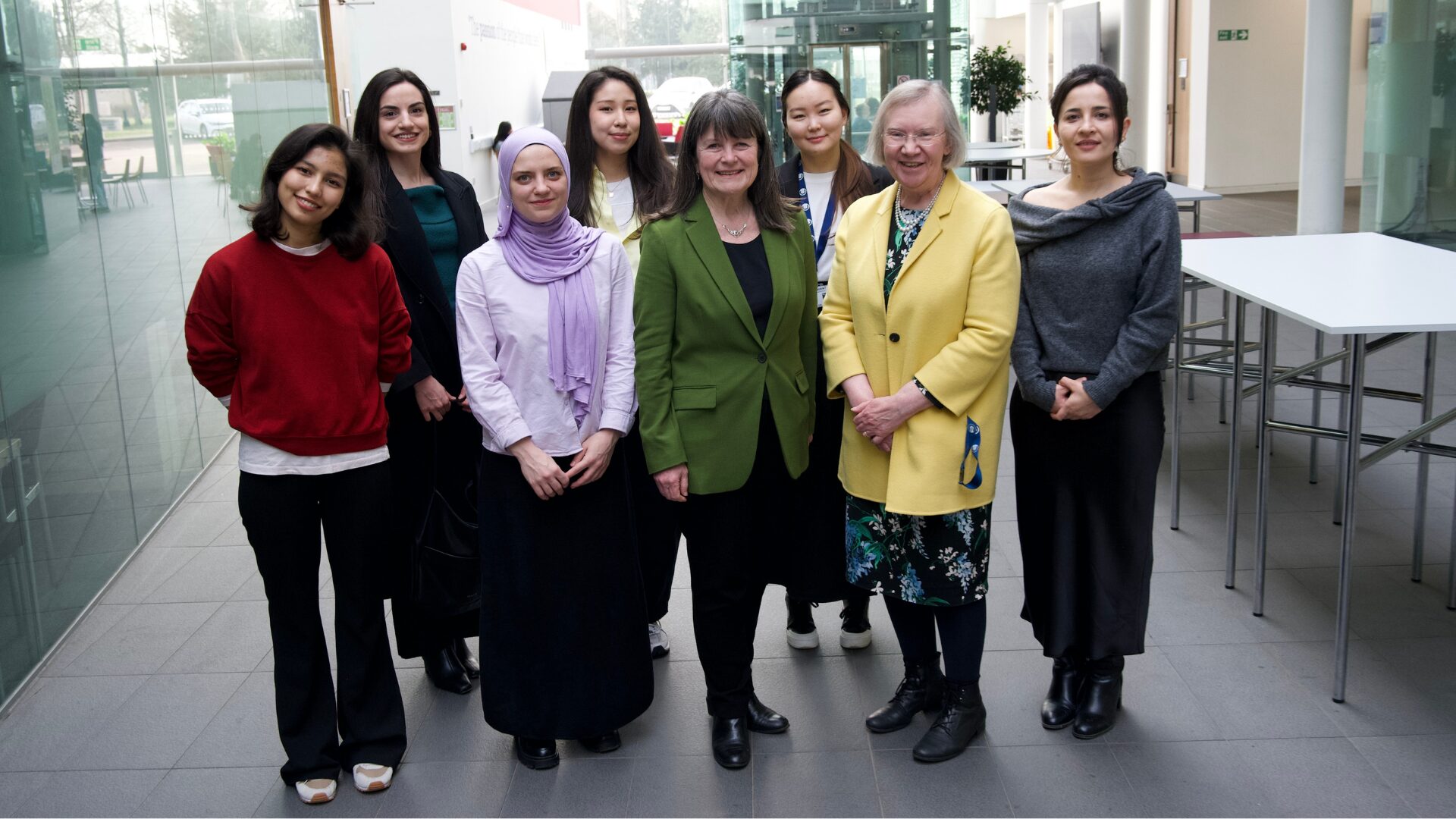
What happens when female scholars meet influential leaders?
On the 5 March 2026, our British Council Women in STEM Scholars had the privilege of sitting down with two excellent role models of industry and academia: Professor Dame Karen Holford, ...
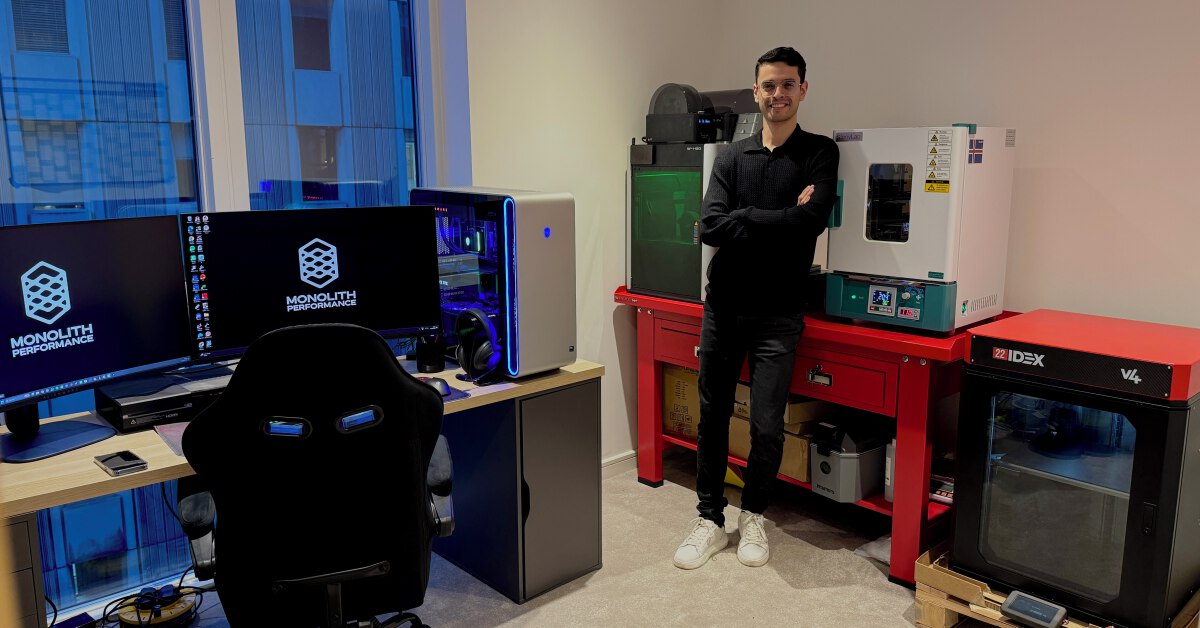
From MSc to CEO: Igniting a research revolution
For many, a master’s degree is achieving a big milestone. Kilyan Ocampo, Computational Fluid Dynamics alumni shares how studying at Cranfield helped launch his career in the energy sector. Today, Kilyan ...