

Universities and the local community – what’s our role?
24/01/2017

Universities have a tremendous impact on local communities.
According to Universities UK research, higher education institutions like Cranfield and Cambridge contribute £2.5 billion to the local East of England economy, as well as 63,000 jobs.
Those are significant numbers but, aside from the economic impact, we also have an important cultural and educational role in our local community. That is something that hasn’t always come naturally to universities and, at Cranfield, we are working hard to change the distant image of ‘those people on the other side of the airfield’.
For our recent 70th anniversary, we put the local community at the heart of everything we did with an Open Doors event and a Festival of Flight air display – specifically aimed at engaging young people from the local area. Around 6,000 local people, aero aficionados, and technology enthusiasts joined us on a cold September day to take a look at our work up close. Hopefully we inspired children from across the region to be the next Elon Musk, Helen Sharman or Tim Peake.
Inspiring children and young people is a key part of our work with the local community. It’s often the part staff enjoy most too, particularly when a colleague gets stumped by a question from a group of Year 8 students! It’s with the aim of inspiring the next generation of leaders in technology and management that we focus most of our work with the local community, whether that is running the Cranfield Business Challenge or inviting local pupils to imagine the future of manufacturing.
I started this blog with a reminder about universities’ significant economic impact on local communities and hopefully our greatest impact will is yet to come. When in future decades the next groundbreaking inventor or entrepreneur replies to the question “what inspired you?”, it would be great if the answer was, “It was at Cranfield, on a cold and wet September day…”

Categories & Tags:
Leave a comment on this post:
You might also like…
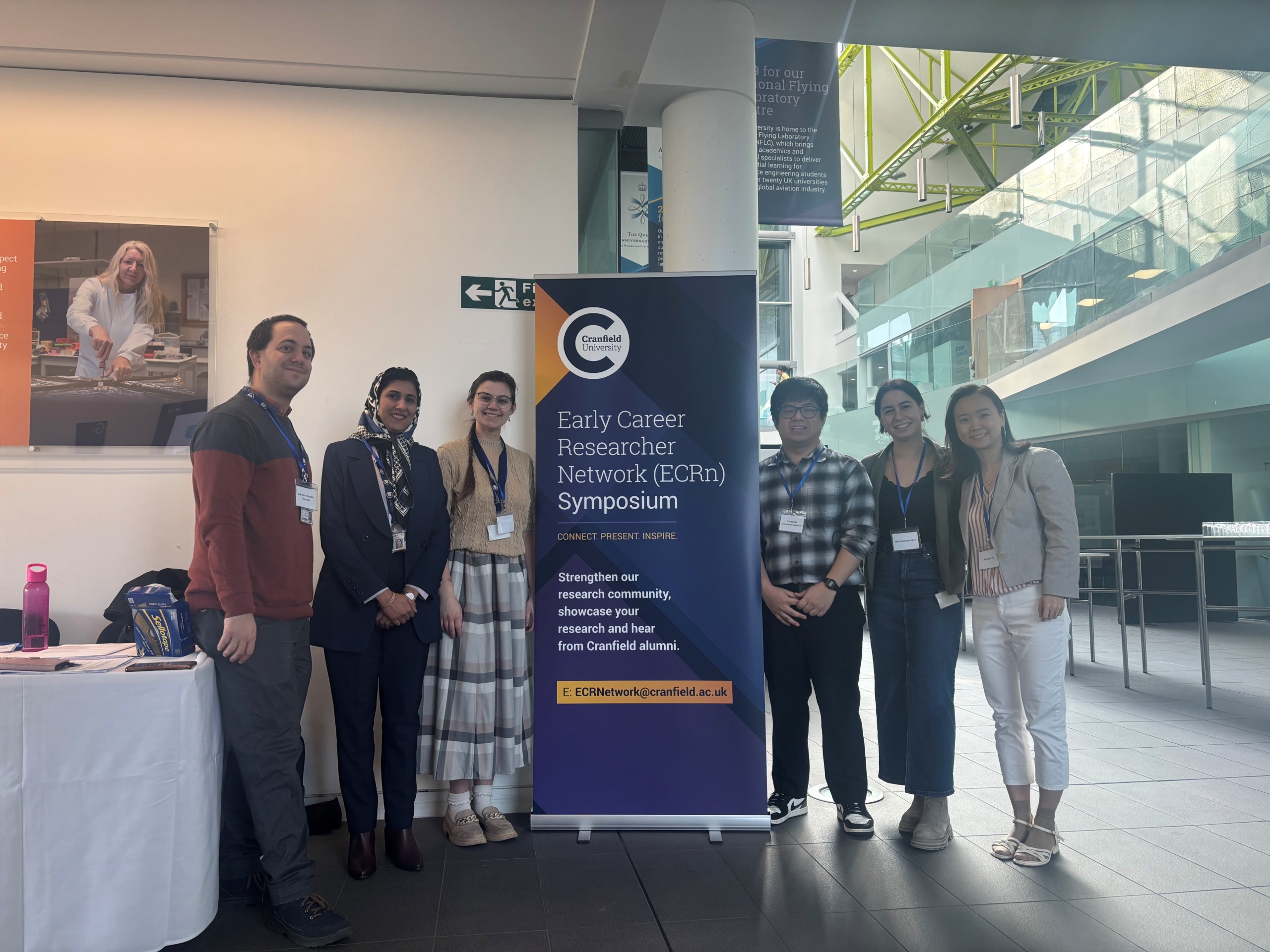
Building more than research: Reflections from the ECRn Symposium 2026
There’s something quietly powerful about a room full of early career researchers. Not just the ideas, although there were plenty of those—but the conversations, the curiosity, and the sense that everyone is figuring things ...

Library services over Easter, 3-6 April
Kings Norton Library will remain open for study 24/7. You will need your University ID card to enter the building and can use the self-service machines to borrow and return items as usual. Barrington Library ...

How do I access the full-text of Harvard Business Review (HBR)?
This is a frequently asked question, and it's worth knowing how to access this key management journal. So, how do you access HBR in full-text? The short answer is via our eJournals finder. You can find ...

Engineering problem to solve? Let Knovel help you find a solution
Did you know that Knovel provides you with more than just eBooks? Knovel is a key database for many engineering, mechanical and materials courses here at Cranfield University, and contains content from an extensive range ...
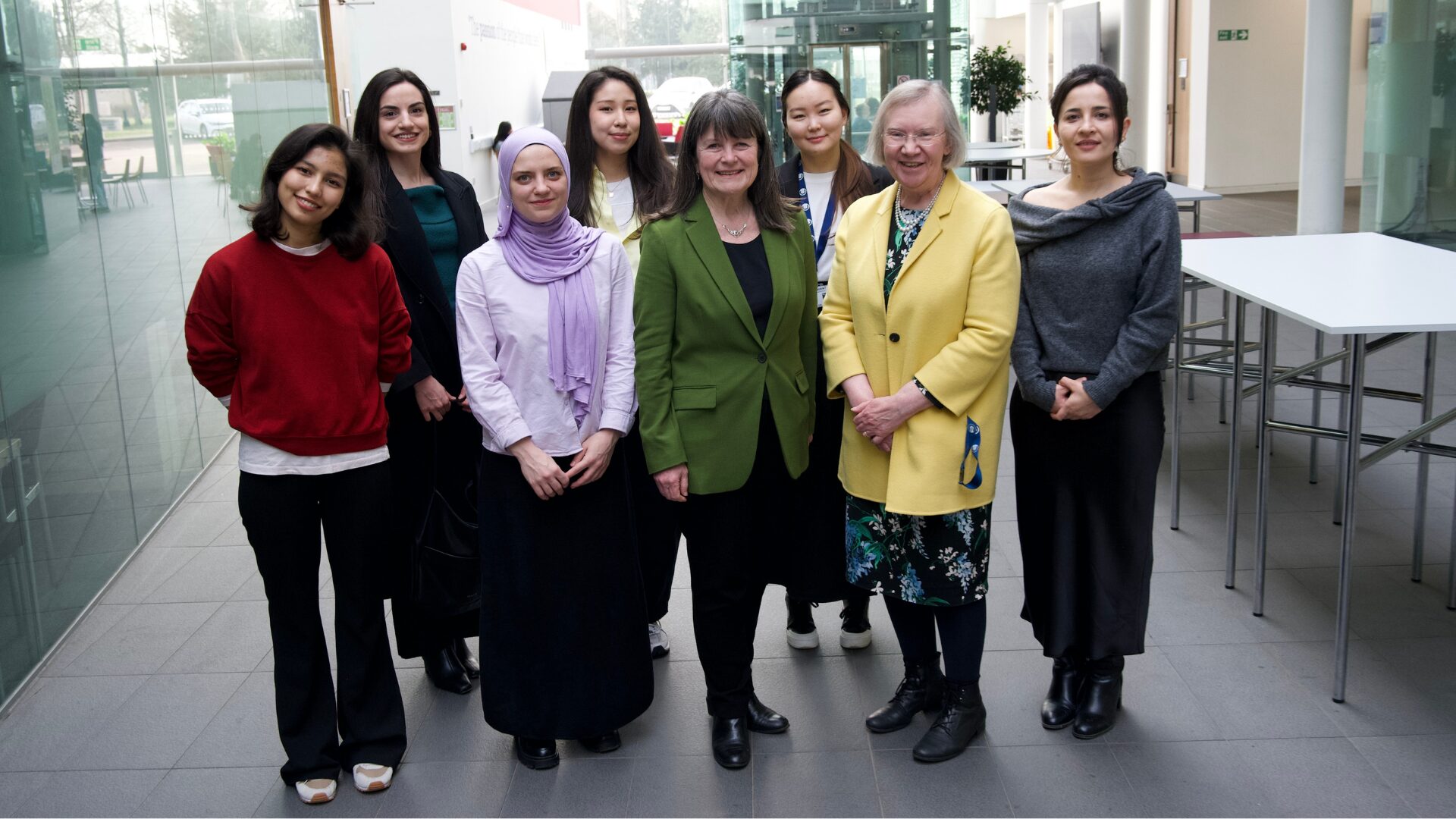
What happens when female scholars meet influential leaders?
On the 5 March 2026, our British Council Women in STEM Scholars had the privilege of sitting down with two excellent role models of industry and academia: Professor Dame Karen Holford, ...

From MSc to CEO: Igniting a research revolution
For many, a master’s degree is achieving a big milestone. Kilyan Ocampo, Computational Fluid Dynamics alumni shares how studying at Cranfield helped launch his career in the energy sector. Today, Kilyan ...