


Why restrict access to research data?
05/07/2023

There are many reasons that open access to research data might be inappropriate e.g. political sensitivities, health and safety risks or agreements with commercial funders.
The ‘open’ publication of anonymised data should be ruled out first, as using any kind of access restriction will most likely discourage some researchers from wishing to use your data. You should also remember that an embargo period can be applied to any data published in CORD.
Visit the Library Services website to read our guidance on when it may be appropriate the restrict access to your data, and about how to ensure it meets the FAIR principles.
If you have any questions or need further advice on sharing your research data, please contact our Research Data Manager.
Image by Thomas Breher from Pixabay

Categories & Tags:
Leave a comment on this post:
You might also like…
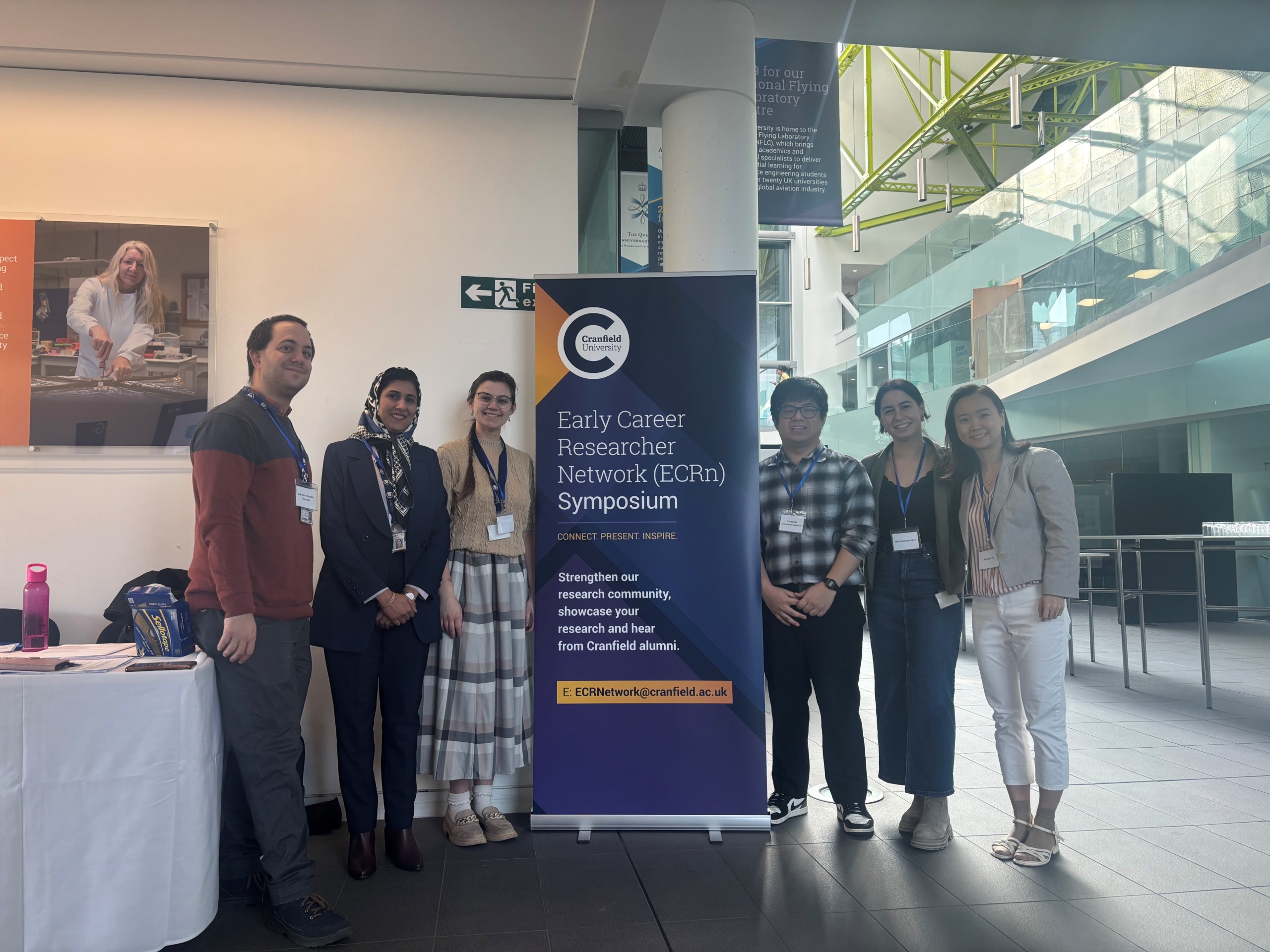
Building more than research: Reflections from the ECRn Symposium 2026
There’s something quietly powerful about a room full of early career researchers. Not just the ideas, although there were plenty of those—but the conversations, the curiosity, and the sense that everyone is figuring things ...
Library services over Easter, 3-6 April
Kings Norton Library will remain open for study 24/7. You will need your University ID card to enter the building and can use the self-service machines to borrow and return items as usual. Barrington Library ...

How do I access the full-text of Harvard Business Review (HBR)?
This is a frequently asked question, and it's worth knowing how to access this key management journal. So, how do you access HBR in full-text? The short answer is via our eJournals finder. You can find ...

Engineering problem to solve? Let Knovel help you find a solution
Did you know that Knovel provides you with more than just eBooks? Knovel is a key database for many engineering, mechanical and materials courses here at Cranfield University, and contains content from an extensive range ...
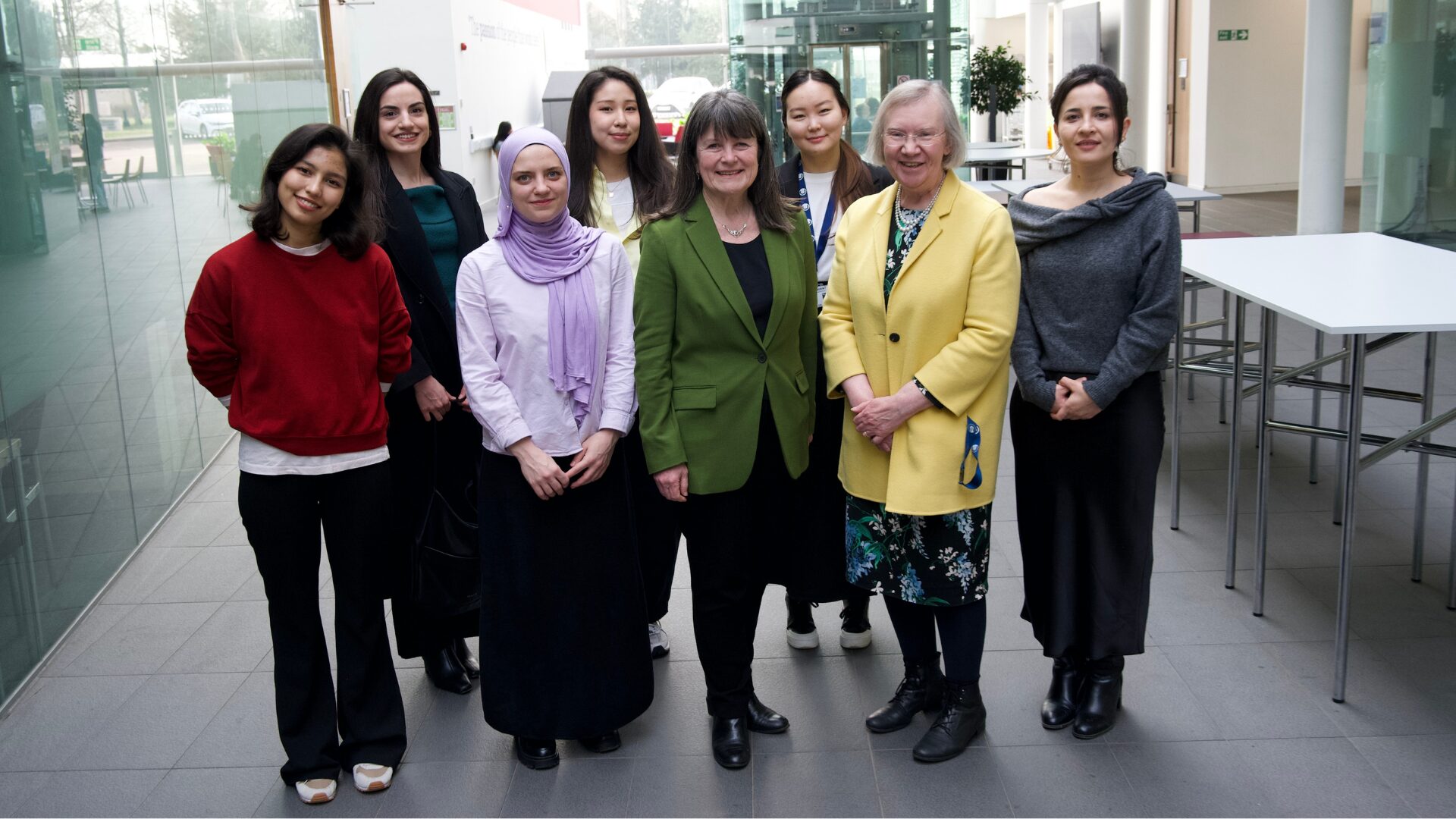
What happens when female scholars meet influential leaders?
On the 5 March 2026, our British Council Women in STEM Scholars had the privilege of sitting down with two excellent role models of industry and academia: Professor Dame Karen Holford, ...
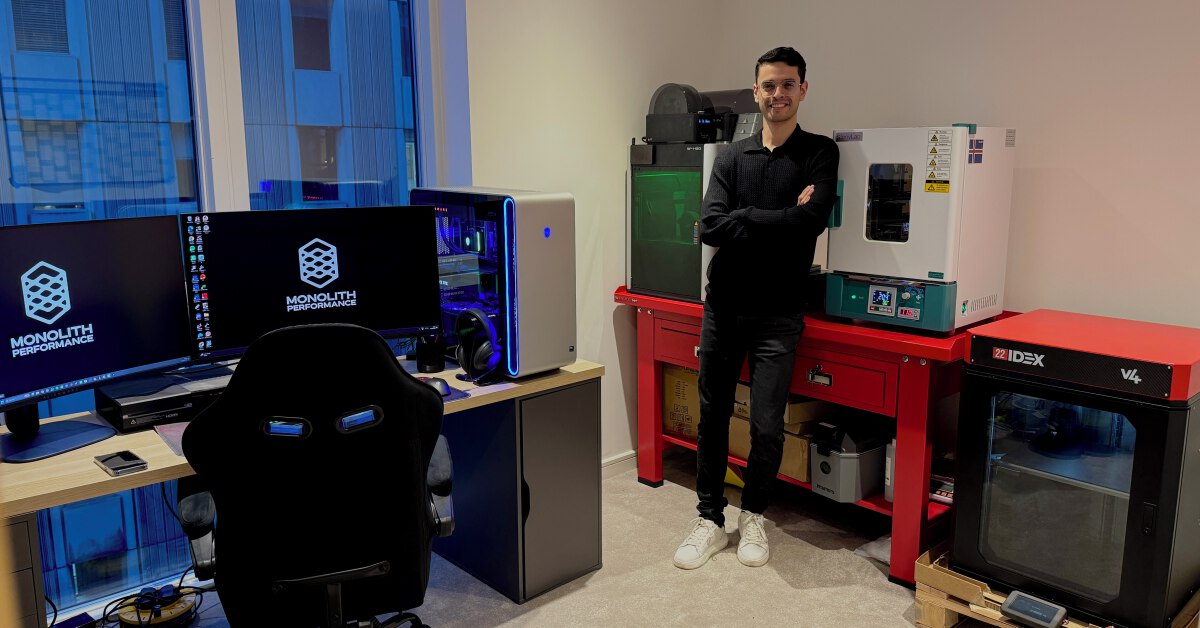
From MSc to CEO: Igniting a research revolution
For many, a master’s degree is achieving a big milestone. Kilyan Ocampo, Computational Fluid Dynamics alumni shares how studying at Cranfield helped launch his career in the energy sector. Today, Kilyan ...
Comments are closed.