


How do I reference a thesis… in the APA7 style?
12/07/2022

Many of you will be using theses in your research. Although these may not have been published in the traditional sense, when you incorporate content from theses into your own work, it needs to be cited and referenced just as you would do for content taken from a traditional publication like a book or a journal. In this post we will explain how to write a reference for a thesis.
Theses and dissertations are treated slightly differently in APA7 depending on whether they are ‘published’ (e.g. in a database, a website or an institutional repository) or ‘unpublished’ (e.g. only available in print format in the University library). We will cover both types here.
So what information do you need to record to reference a thesis?
- Author (Surname, Initials.)
- (Date – year of publication – include day and month if available – within round brackets).
- Title – in italics, with any subtitle separated by a colon. [Follow this with a description – e.g. Unpublished MSc thesis – in square brackets. For published theses, also include the awarding institution here].
- Publisher / source. If published, include the name of the website, repository or database. If unpublished, simply include the name of the awarding institution.
- URL (if available, and only if the thesis is available to your readers)
And how does this all fit together to make a reference? Here are some examples for you to follow.
An ‘unpublished’ print thesis or dissertation:
Neumann, A.J. (2006). Critical analysis of the importance of branding in B2B marketing. [Unpublished MSc thesis]. Cranfield University.
Ellis, S. (2012). The shifting shape of useful knowledge in literacy teaching. [Unpublished PhD thesis]. University of Strathclyde.
A ‘published’ thesis or dissertation:
Champniss, G. (2013). All for one and one for all: encouraging prosocial behaviours through brand-convened consumer groups. [PhD thesis, Cranfield University]. CERES. https://dspace.lib.cranfield.ac.uk/handle/1826/8067
Marin-Uribe, P.L. (1995). The impact of liberalization on market structure in the European airline industry. [PhD thesis, London School of Economics and Political Science]. EThOS. https://ethos.bl.uk/OrderDetails.do?uin=uk.bl.ethos.307656
Remember that each ‘element’ of your reference – except the URL – should be followed by a full-stop and a space. It is also important to always format APA7 references with a hanging indent. This may not always be obvious with shorter references.
When you refer to the thesis in your own work, simply follow the traditional citing conventions of name and date.
For all your referencing questions – please contact your Library – Kings Norton Library and MIRC on Cranfield campus or Barrington Library on Shrivenham campus.
Please note: Cranfield supports two different referencing styles – APA7 (Author-date) and Numbered (NLM). Please make sure you use the style preferred by your supervisor or lecturer. The advice above relates only to the APA7 style. If you have any questions about referencing, please contact the Library.
Feature image from Pixabay. Available at: https://pixabay.com/photos/student-typing-keyboard-text-woman-849824/

Categories & Tags:
Leave a comment on this post:
You might also like…
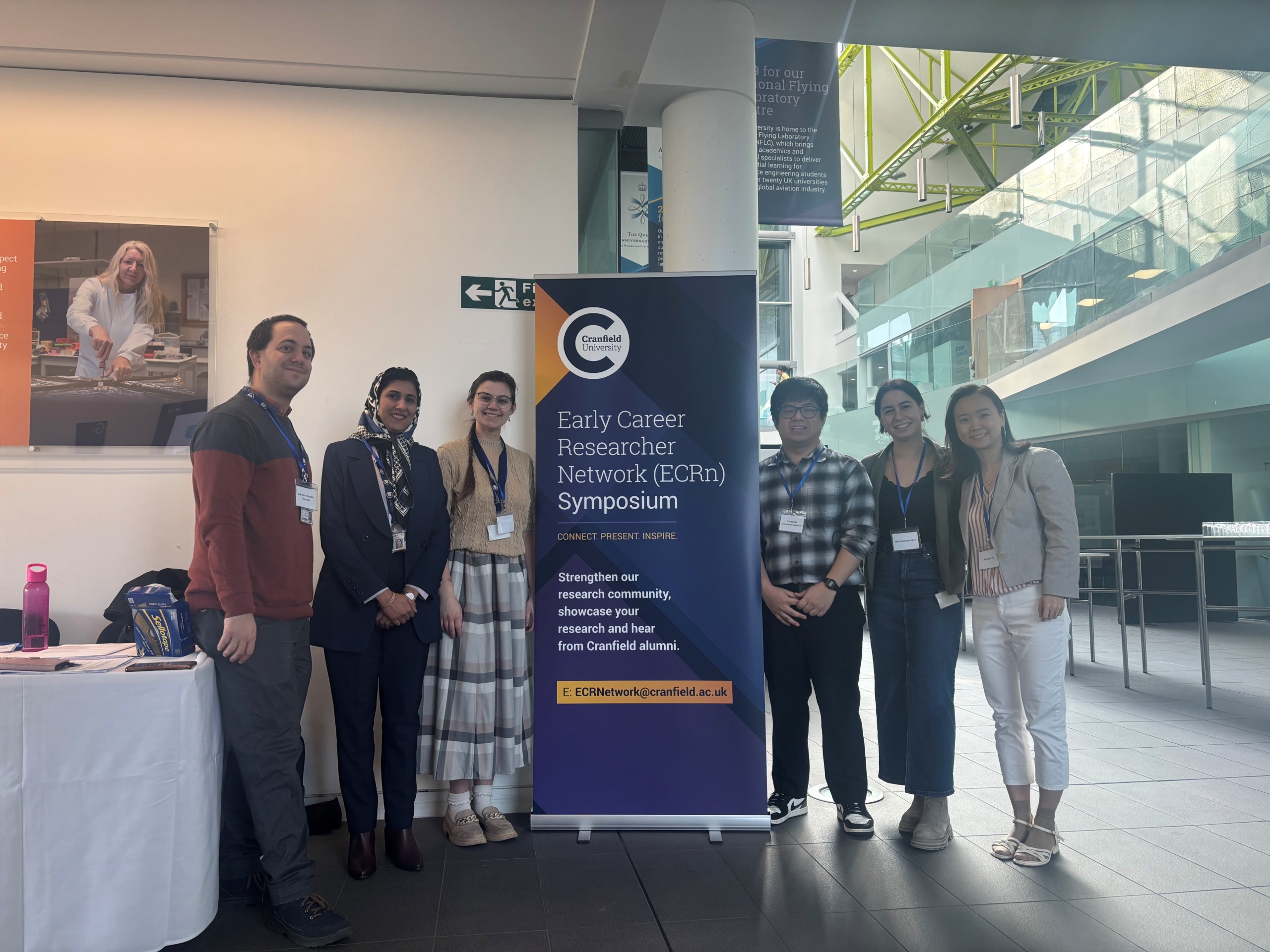
Building more than research: Reflections from the ECRn Symposium 2026
There’s something quietly powerful about a room full of early career researchers. Not just the ideas, although there were plenty of those—but the conversations, the curiosity, and the sense that everyone is figuring things ...
Library services over Easter, 3-6 April
Kings Norton Library will remain open for study 24/7. You will need your University ID card to enter the building and can use the self-service machines to borrow and return items as usual. Barrington Library ...

How do I access the full-text of Harvard Business Review (HBR)?
This is a frequently asked question, and it's worth knowing how to access this key management journal. So, how do you access HBR in full-text? The short answer is via our eJournals finder. You can find ...
Engineering problem to solve? Let Knovel help you find a solution
Did you know that Knovel provides you with more than just eBooks? Knovel is a key database for many engineering, mechanical and materials courses here at Cranfield University, and contains content from an extensive range ...
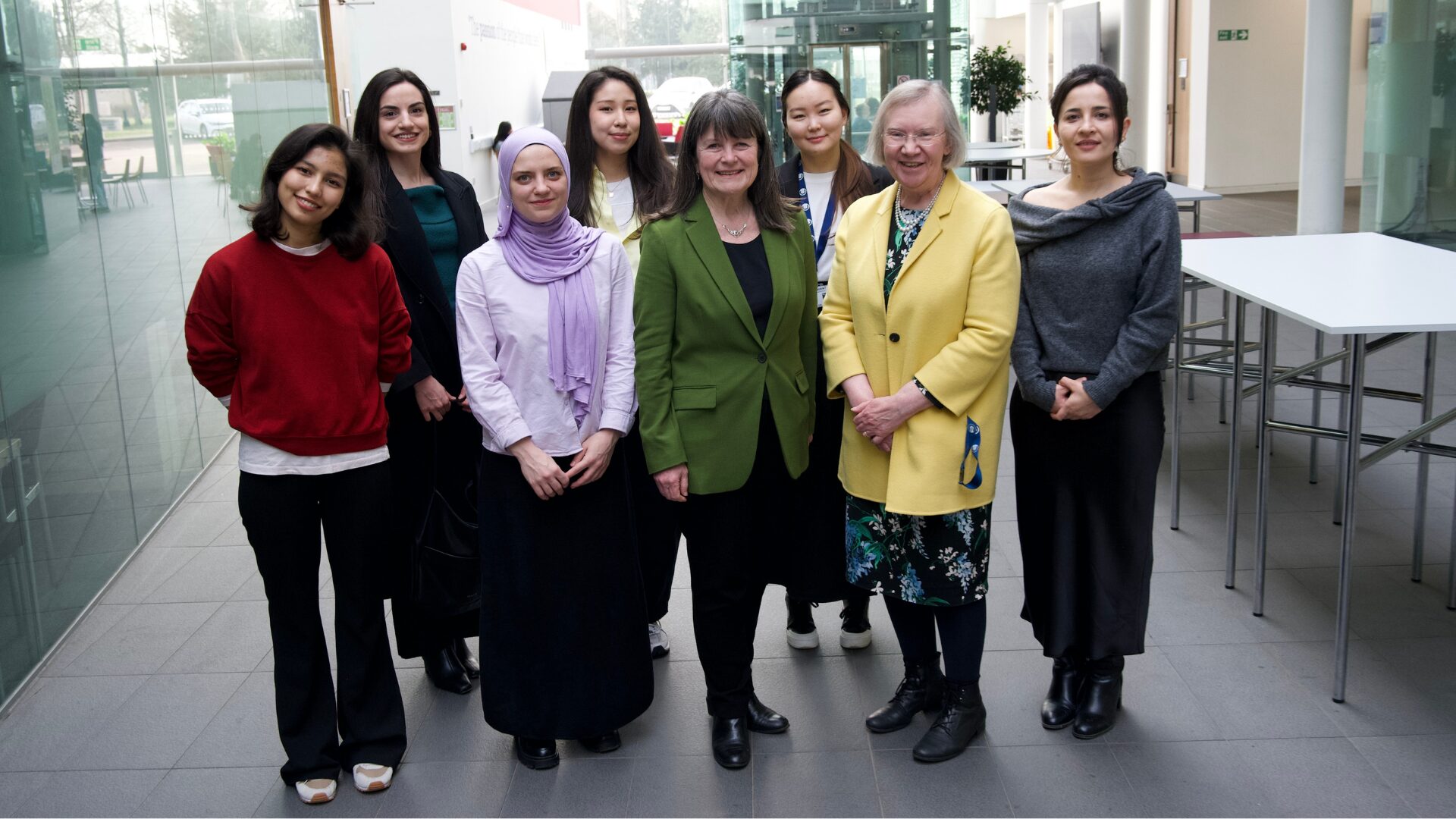
What happens when female scholars meet influential leaders?
On the 5 March 2026, our British Council Women in STEM Scholars had the privilege of sitting down with two excellent role models of industry and academia: Professor Dame Karen Holford, ...
From MSc to CEO: Igniting a research revolution
For many, a master’s degree is achieving a big milestone. Kilyan Ocampo, Computational Fluid Dynamics alumni shares how studying at Cranfield helped launch his career in the energy sector. Today, Kilyan ...