

Critical evaluation of sources – some frameworks to help you to assess the quality of the information that you find
18/09/2025

Being able to assess the quality of the information that we find is a key academic skill. It enables us to:
• Understand the strengths and weaknesses of others’ work
• Identify authoritative sources and influential writers
• Locate areas where more research is needed.
Drawing on high-quality sources demonstrates our understanding of our topic, the breadth of our research and lends credibility to our own conclusions. But how do we go about discerning quality? We need to critically evaluating our sources. Taking a structured approach can help. There are a number of frameworks that offer systematic, step-by-step approaches to assessing information quality. These frameworks are usually based around headings and sets of questions. Sometimes the questions focus on the information source; sometimes the questions prompt us to reflect on what we as information searchers bring to the process. Here are two examples:
RADAR
This framework focusses on the information source.
- Relevance – Is the information pertinent to your area of study?
- Authority – How has this been established? Consider the reputation(s) or standing of the author(s) and any associated organisations or corporate entities. Are there any potential conflicts of interest, or vested interests?
- Date – Is the information likely to be superseded? In the context of your research, is the information current enough?
- Appearance – News, trade and industry information is presented differently to academic research or empirical data. There are different intended audiences and different levels of detail. In the context of your research, is this important?
- Reason – Consider why the information was created. Was it to reporting findings? To announce a new product to market? Does the source seek to persuade or influence the reader?
Content adapted from Mandalios, J. (2013). RADAR: An approach for helping students evaluate Internet sources. Journal of Information Science, 39(4), 470-478.
IF I APPLY
This framework is divided into personal steps and source steps. The personal steps focus on us and our information seeking behaviours. The source steps are questions to ask of the sources that we find.
Personal Steps
- Identify your opinions and thoughts regarding your research topic. Are there counter arguments or different viewpoints to consider? Is there any potential for bias, including internal bias.
- Find the least biased reference sources for an overview of the topic.
- Intellectual courage is needed to seek authoritative voices that may challenge either our own or the consensus viewpoint. Consider whether all views and opinions are equally credible or valid.
Source Steps
- Authority How is this established? Can you identify the authors(s)? Does the author have education, experience, and expertise in the field?
- Purpose/Point of view Does the author have an agenda beyond education or information? Is the information presented clearly and objectively?
- Publisher Does the publisher have an agenda? Is the publisher established and reputable? Does the publisher have clear peer-review, archiving and discovery policies and services?
- List of sources (bibliography) Is the evidence unique, reliable, accessible? Do the sources used lend credibility to the work?
- Year of publication Does the date of publication affect the information quality or relevance? Are the sources that have been used current, or have they been superseded?
Useful links:
RADAR and IF I APPLY are not the only frameworks available. In brief, headings only, here are three more:
- CRAAP – Currency, Relevance, Authority, Accuracy, and Purpose
- 5Ws and an H – Who, What, When, Where, Why, and How
- PROMPT – Presentation, Relevance, Objectivity, Method, Provenance, Timeliness
When considering these five frameworks together, we can see some common themes – integrity, bias, credibility and recentness. These factors are all essential components in the critical evaluation of resources and in discerning the quality of information.
Like many skills, the ability to critically evaluate sources takes time to develop. We hope that you find the frameworks a useful way to develop your skills.
For further reading, you may wish to look at ‘Thinking and reading critically’ on the Study Skills Hub.
If you have a framework or set of guidelines that you find helpful for critical evaluation, let us know.
Feature image from geralt on Pixabay. Available at: https://pixabay.com/illustrations/quality-scrabble-business-control-6813293/

Categories & Tags:
Leave a comment on this post:
You might also like…
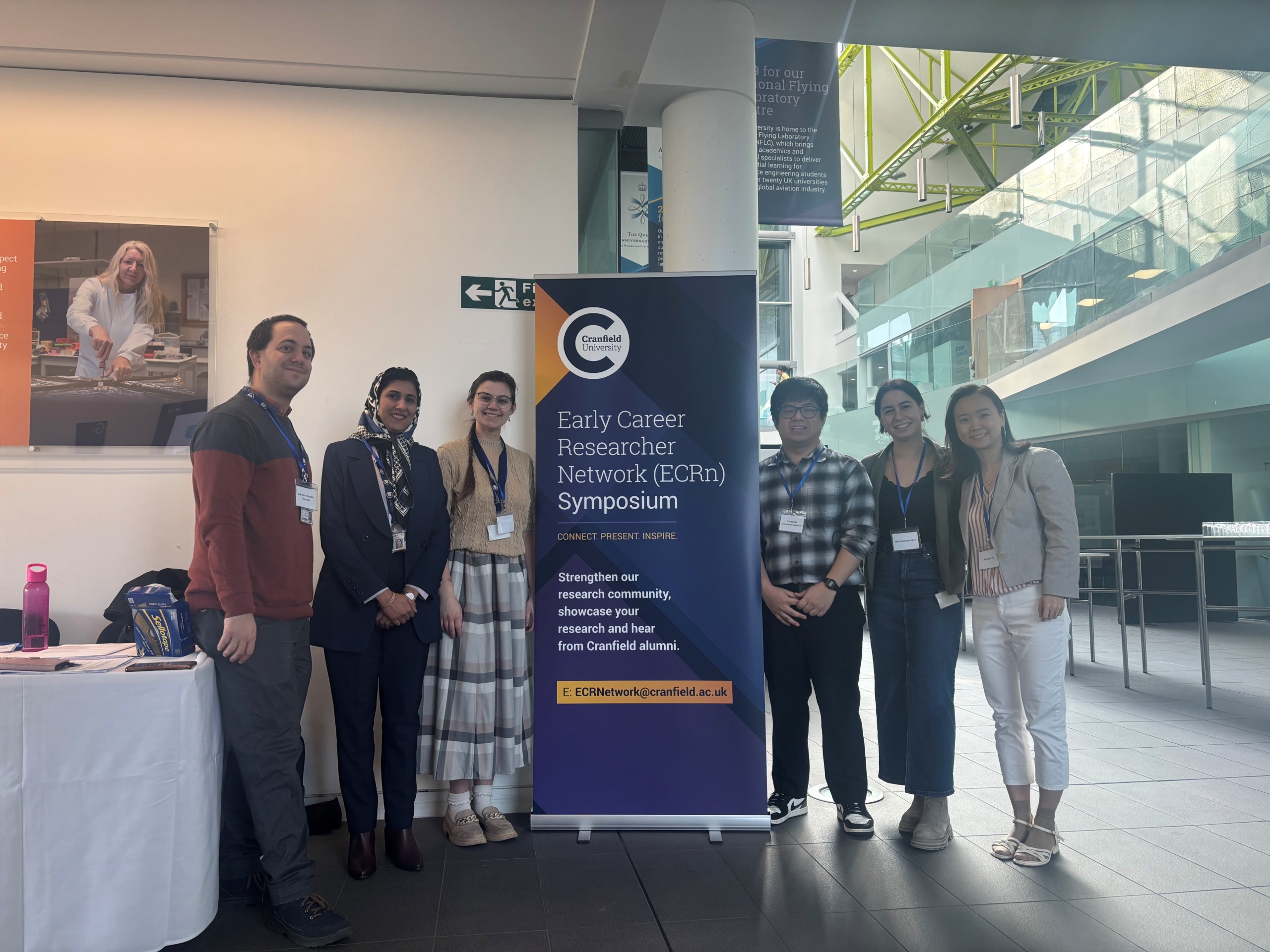
Building more than research: Reflections from the ECRn Symposium 2026
There’s something quietly powerful about a room full of early career researchers. Not just the ideas, although there were plenty of those—but the conversations, the curiosity, and the sense that everyone is figuring things ...

Library services over Easter, 3-6 April
Kings Norton Library will remain open for study 24/7. You will need your University ID card to enter the building and can use the self-service machines to borrow and return items as usual. Barrington Library ...

How do I access the full-text of Harvard Business Review (HBR)?
This is a frequently asked question, and it's worth knowing how to access this key management journal. So, how do you access HBR in full-text? The short answer is via our eJournals finder. You can find ...

Engineering problem to solve? Let Knovel help you find a solution
Did you know that Knovel provides you with more than just eBooks? Knovel is a key database for many engineering, mechanical and materials courses here at Cranfield University, and contains content from an extensive range ...
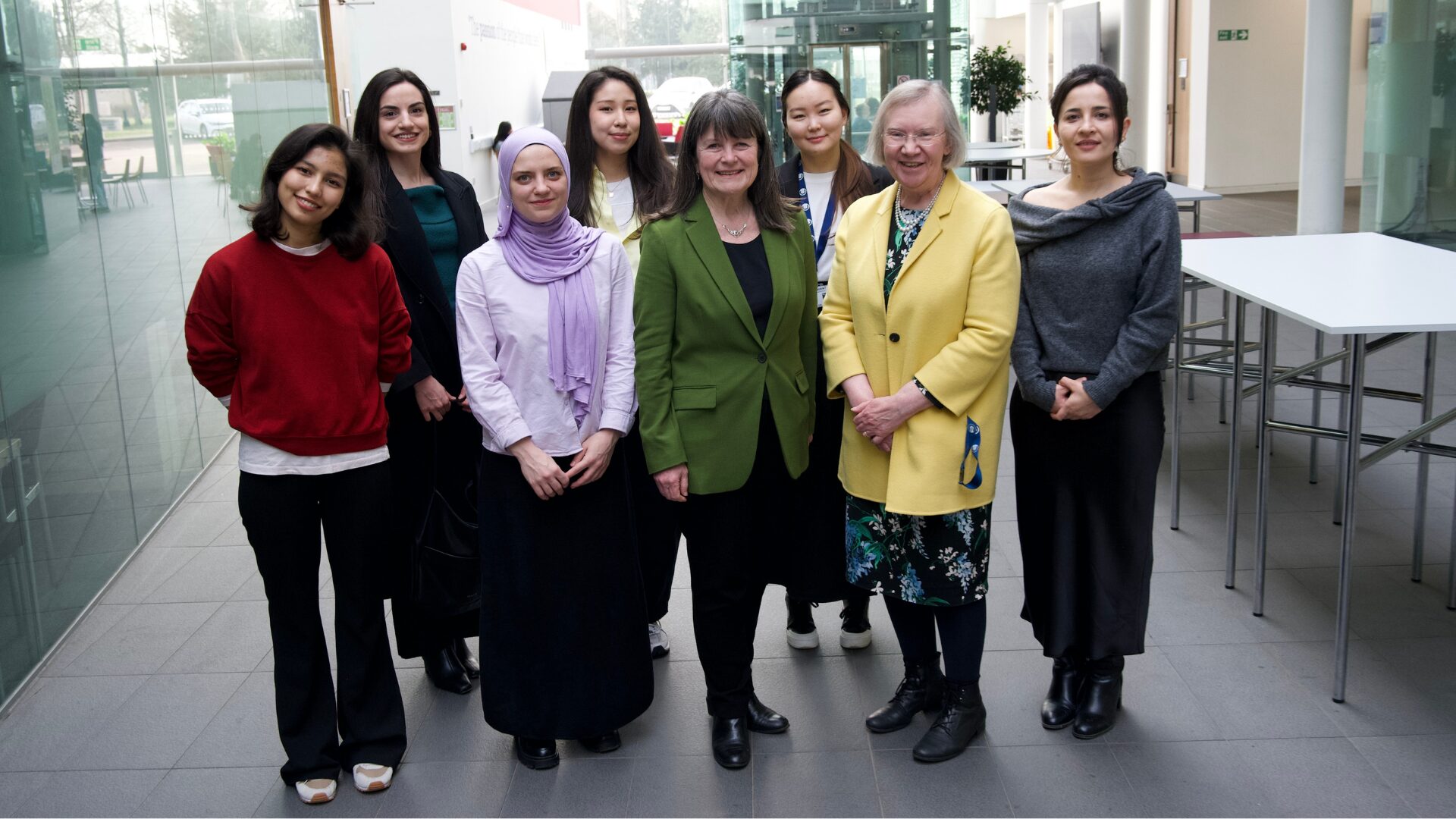
What happens when female scholars meet influential leaders?
On the 5 March 2026, our British Council Women in STEM Scholars had the privilege of sitting down with two excellent role models of industry and academia: Professor Dame Karen Holford, ...
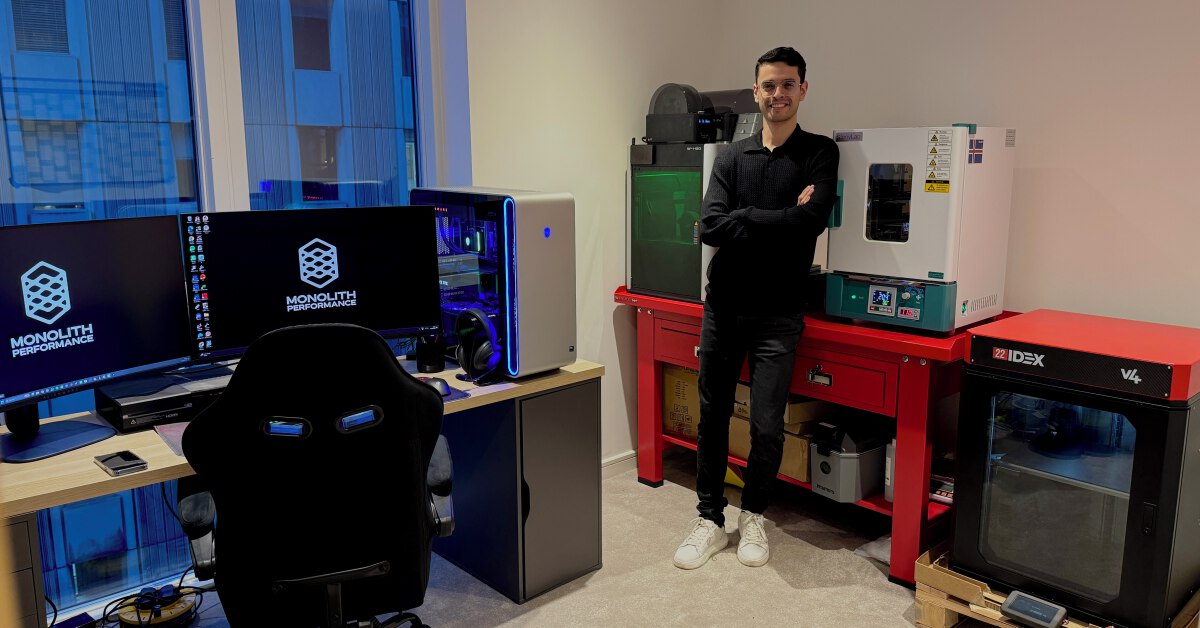
From MSc to CEO: Igniting a research revolution
For many, a master’s degree is achieving a big milestone. Kilyan Ocampo, Computational Fluid Dynamics alumni shares how studying at Cranfield helped launch his career in the energy sector. Today, Kilyan ...
Comments are closed.