

Academic writing and being critical
30/06/2025

Academic writing is daunting. Capturing all your thoughts and analysis and putting them down onto paper in some sort of understandable fashion is a challenge. Did you know we have resources in our Cranfield Study Skills Hub to make this process easier to manage?
It is important to think critically when writing. Use our Critical Thinking section to learn more about this process and find examples of the critical questions you should be asking when you gather information and prepare to write.
Our Writing Critically section helps you expand from being merely descriptive to showing the significance of your findings, providing your interpretation of the evidence and source material, building a critical argument and demonstrating your own understanding and position on the topic.
The Academic writing section brings you the essence of writing;
- forms of writing (descriptive, critical or reflective),
- key features of academic writing (formal, objective, precise, balanced, structured, evidenced and critical),
- the writing process including planning, editing and proofreading your work,
- overcoming writer’s block; which is very common and can be overcome,
- the writing stages including clarifying, linking your key elements together, and things to watch out for!
We also understand that conducting a literature review and writing your thesis can be a daunting process. The Writing your thesis page includes key guides and resources to help you write, format and submit your thesis.
Looking for a training workshop? There are ‘Academic language support’ workshops in DATES on various aspects of writing, including how to avoid plagiarism, what it means to write critically and in an academic style, and how to structure a text to improve flow and clarity.
Photo by Dan Dimmock on Unsplash

Categories & Tags:
Leave a comment on this post:
You might also like…

Norman C. T. Liu scholarships providing the next generation of opportunities to succeed in Air Transport Management
Cranfield University is proud to work with global industry leaders who believe in investing in the next generation of aviation professionals. One of those leaders, Norman C. T. Liu, has personally committed to supporting ...
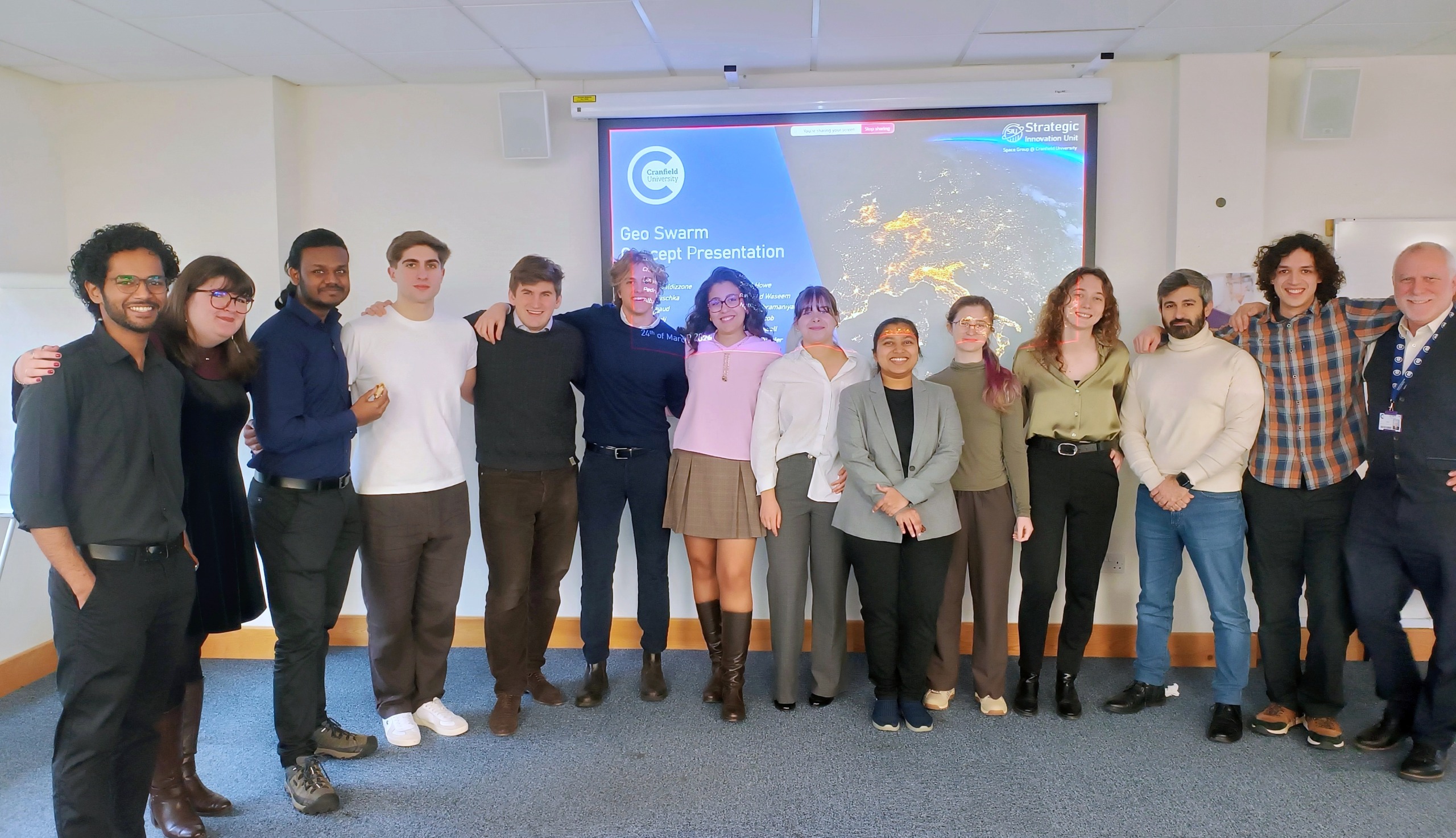
Designing the future of space: My group design project experience at Cranfield
For three years, I worked at Tata Consultancy Services (TCS) in India. While my time in the IT sector provided me with a strong analytical foundation, my true passion had always been anchored in ...

How do I reference lecture notes… in the NLM style?
If your course material contains original content that you want to use in your work, it will need to be referenced as follows: What information do you need in the reference? Author – surname initials e.g. ...
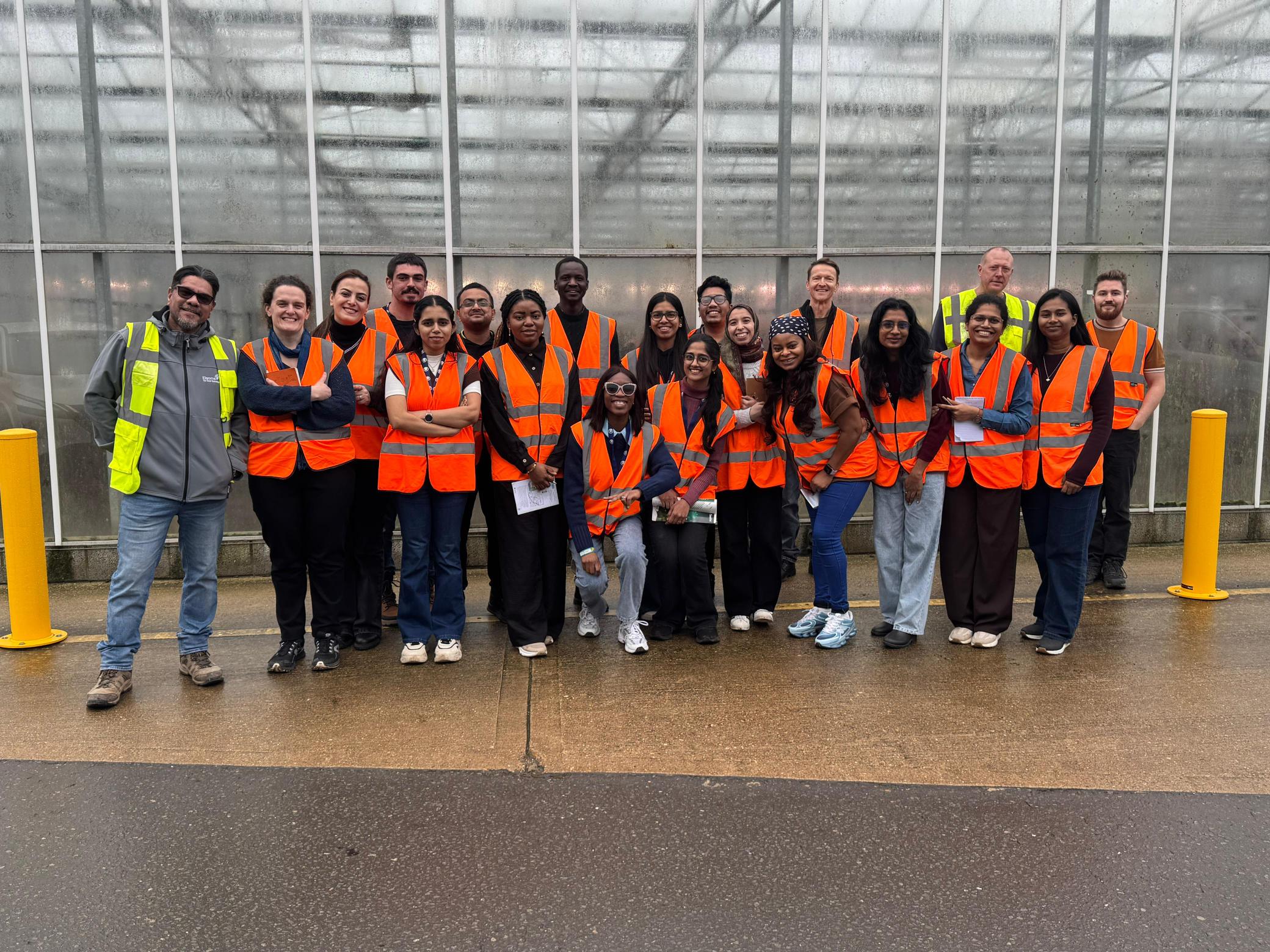
From Nigeria to Cranfield: My journey into Future Food Sustainability
My name is Jolaosho Eniola, and I’m studying the MSc in Future Food Sustainability. I’m originally from Nigeria, and I’m passionate about food systems, food sustainability, food supply chain and creating solutions that improve ...

How to present well as a group
You will have put a lot of work into your research or group project and want to show everyone what you have achieved or discovered, so you need to impart this knowledge as clearly as ...
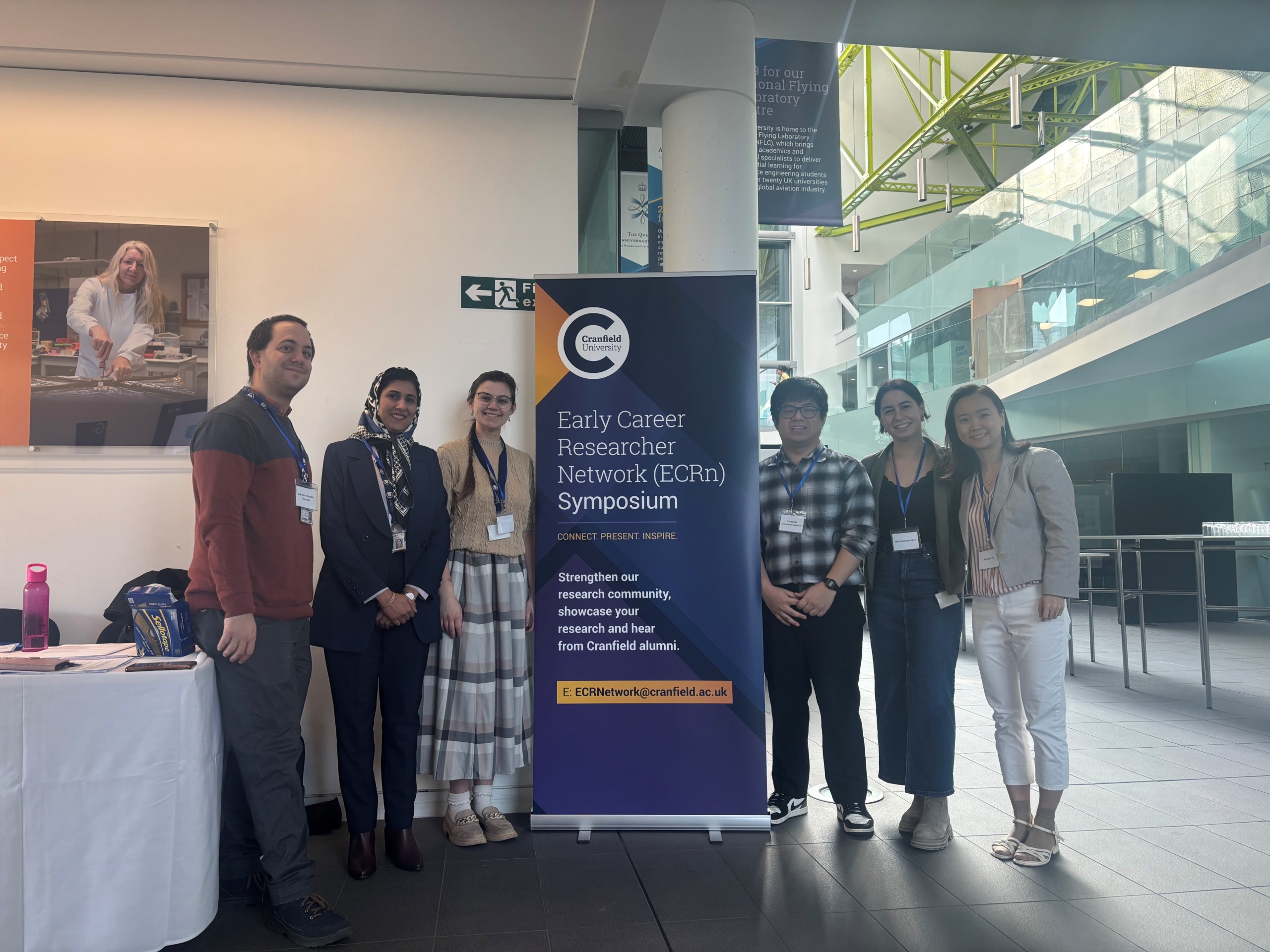
Building more than research: Reflections from the ECRn Symposium 2026
There’s something quietly powerful about a room full of early career researchers. Not just the ideas, although there were plenty of those—but the conversations, the curiosity, and the sense that everyone is figuring things ...
Comments are closed.