

Why I joined the Cranfield MBA’s diverse cohort…
17/03/2021
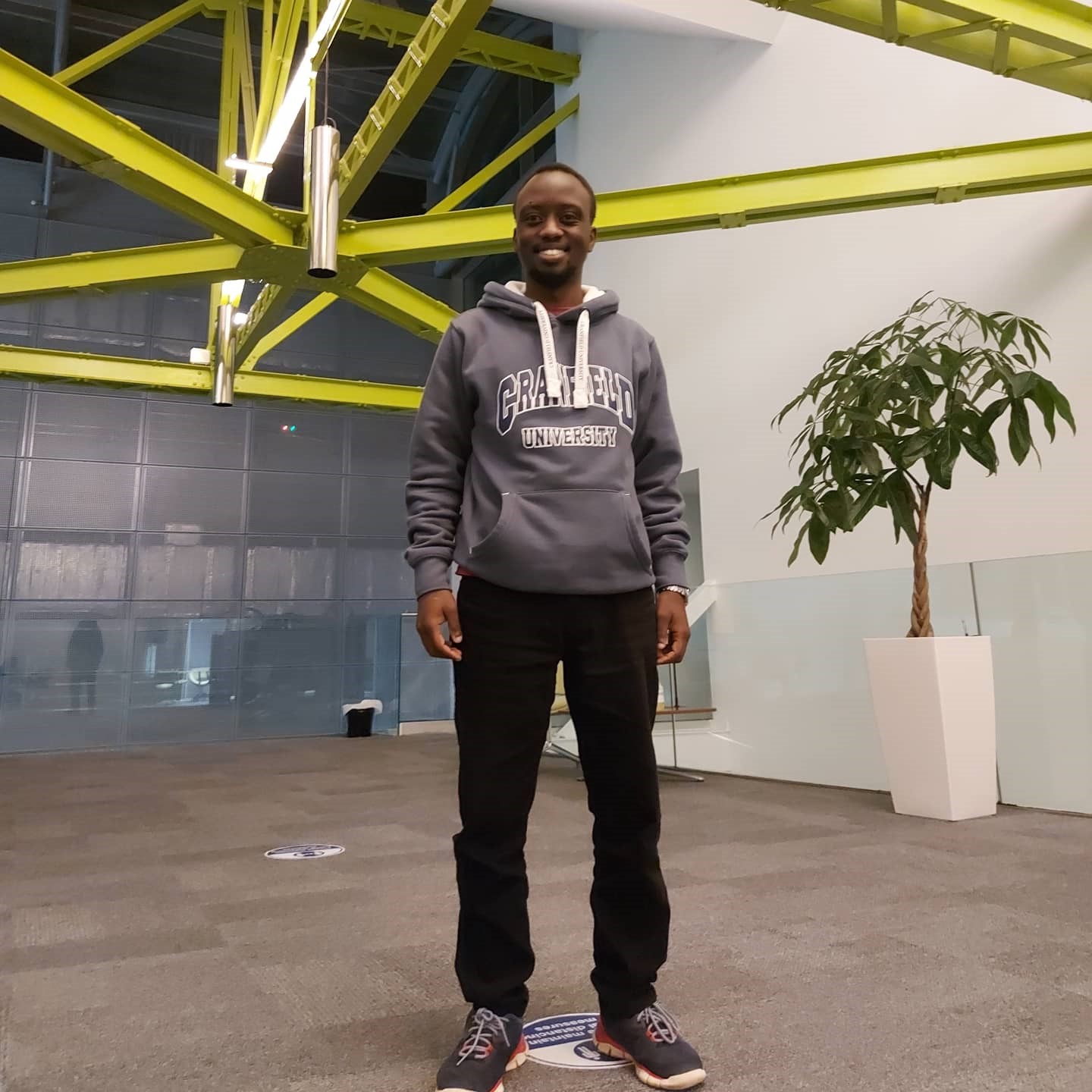
Growing up and going through my schooling in Kenya, I longed to explore life beyond its borders. I turned down requests to undertake my post-graduate studies in the country, hoping to get into a reputable business institution thousands of miles from home. From my work experience, mainly client-facing, I would be intrigued by the decisions taken by management: the assets they procured, the market segment they’d target, the time of their launch of products, the choice of words in Directors’ Reports, the influence of intangible assets, such as brands, on generating corporate growth and I knew I needed a better understanding of organisations as a whole, and knowledge on what makes business leaders tick hence my decision to pursue an MBA.
I understood early on that to be individually valuable or desire running a competitive company, one had to understand the various cultures, apply this understanding in making decisions, and retain the best talent in the company. Reading a book, I’m afraid, would not cut it. To go further, having undertaken an assignment for UNICEF in South Sudan, working in a different country would not cut it either. The need for an MBA and a case for business schools come to the fore.
More than ever, today, we witness an interconnectedness amongst people, businesses, and nations. The main reason is the ubiquity of digital disruptions that seem to emerge from different parts of the world and impact almost all sectors. You would find a company whose operations are under four jurisdictions – the factory in China, the IT support team in India, the executive team located in Seattle, and clients in the United Kingdom. Whereas this, in the past, was unheard of, companies have adopted a collaborative approach, casting aside the competitive mind-set that once ruled.
People are becoming more exposed to different nationalities as part of their team or customer or supplier base. As a result, they come into contact with cultures other than their own. People from all walks of life have a standard way of doing things, and these practices by and large characterise them. This varies from how one talks to how one dresses, the types of foods, beliefs around religion, and that they hold and value dearly. The need to decode these various cultures, arising from different backgrounds, to avoid misunderstandings and needless conflicts has been a coveted skill. A team with five nationalities most probably has 5 cultures, and in them, it lies the success in achieving the company’s strategy by working together. Understanding this as a business leader is crucial, not just the different languages and foods but also the values of your team shaped as a result of their culture. Values, then, become an essential element as from them are emotions triggered, beliefs solidified, and actions are taken.
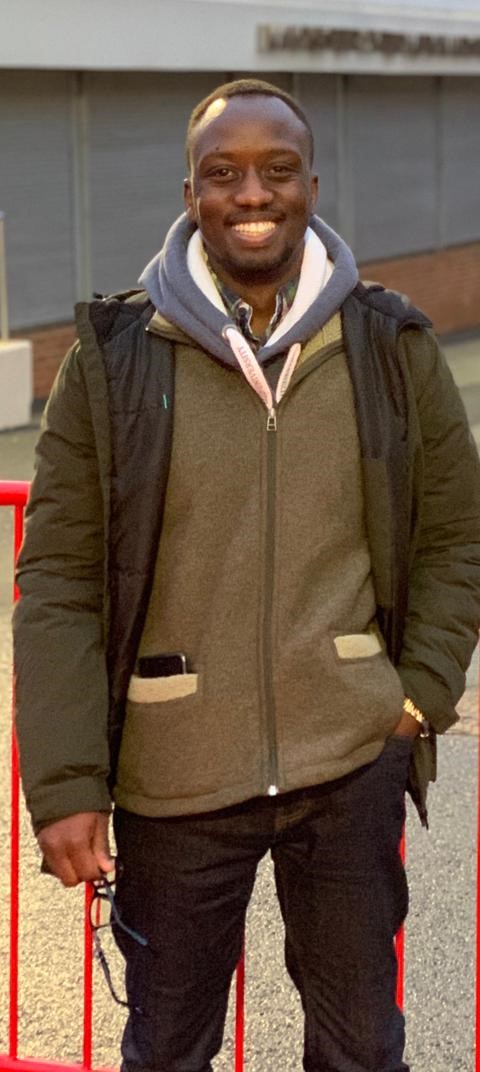
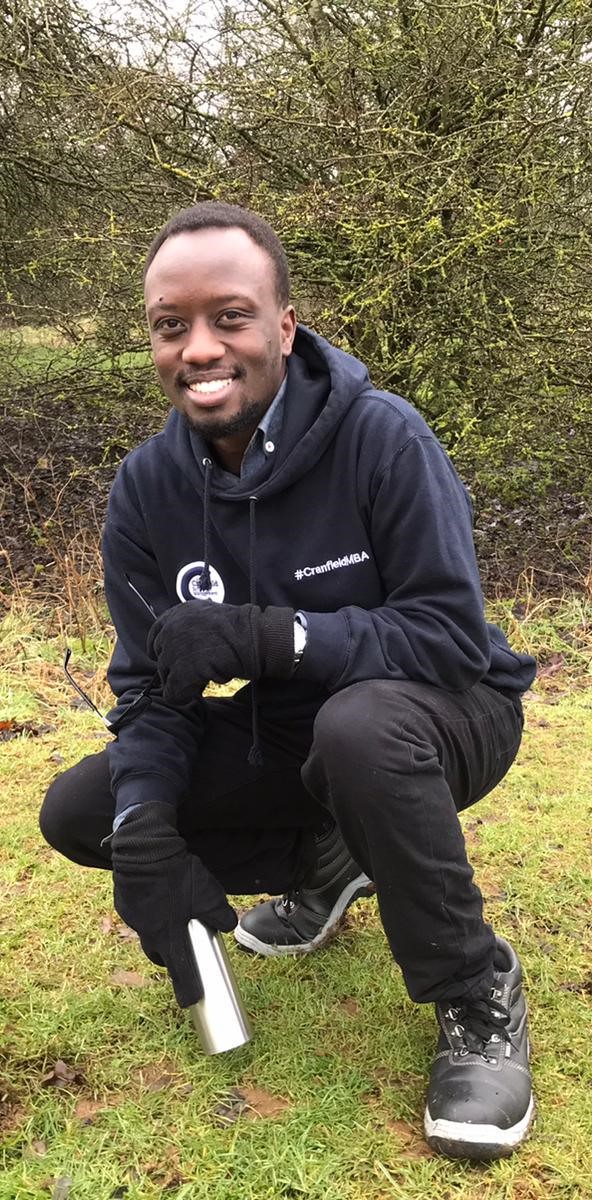
My time at Cranfield School of Management has brought me in contact with as many cultures as I have my entire life in these last four months. I worked with KPMG East Africa in the Audit business unit and had a team mostly comprised of Kenyans, once worked in an engineering engagement with a Japanese colleague, and held training sessions with neighbouring nationalities; Ugandans, Tanzanians, and Rwandese. Having worked in a global firm, it did make sense to join a school that was global in its representation, and one of the questions I posed during the interview process was “how many nationalities would be present?”
It is imperative to note that businesses are led by people, and decisions are made by people. These people have biases, expectations, different views of life, which get tangled in the day to day running of an organisation. It could range from what are the metrics to give importance in decision making to beliefs of one’s countrymen being the bravest and women being the fairest in the world. The best way to do away with prejudices and discriminations that are not based on facts is to meet them, share a meal with them, form a team with them, and hear them. As time goes by, stereotypes tend to fade, and this is due to constant interactions and education from other cultures that an MBA and business schools provide to their students.

My cohort of close to 40 comprises various nationalities: Britons, American, Australian, Indians, Chinese, Hong Kong, Ugandan, South African, Chile, Greek, and Kenyan. The diversity within the cohort has been a strength, leading to richer discussions and better learning teams. Currently, pursuing an entrepreneurial venture with a team of different nationalities has highlighted the different ideas and skills brought by the team and opened my eyes to innovative problem-solving tools to the solution we are developing. As a result, my perspective has been broadened listening to my colleagues’ work experiences, understanding the sectors and economies they worked in and coming to the unfortunate conclusion that my definition of a big dream was not big enough.
From a wider lens, Cranfield University, with the various schools and courses – not just in students but also its teaching faculty – boasts of different nationalities. With the great challenge faced in the global economy of communicating across cultures, Cranfield School of Management has positioned itself as one of the most sophisticated and knowledgeable institutions. The rich history of its alumni who are now at the heart of spearheading change in organisations and those who started their own companies that span jurisdictions point to the relevance of its education to business. Businesses benefit from having professionals who are consciously aware of different cultures and can turn that to building strong, diverse teams who go out and serve global customers and negotiate deals with international suppliers.
As you consider doing an MBA, consider travelling thousands of miles. If for no other reason, at least to understand cultures, through the open, honest, warm, free environment, which will shape you to be a better business leader and make you a better individual.
We celebrate diversity at Cranfield, and have a number of scholarship opportunities that have been set up to help students from around the world. If you are interested in travelling to the UK for a transformative year on the Cranfield MBA, take a look here https://bit.ly/2OZDWJd.

Categories & Tags:
Leave a comment on this post:
You might also like…
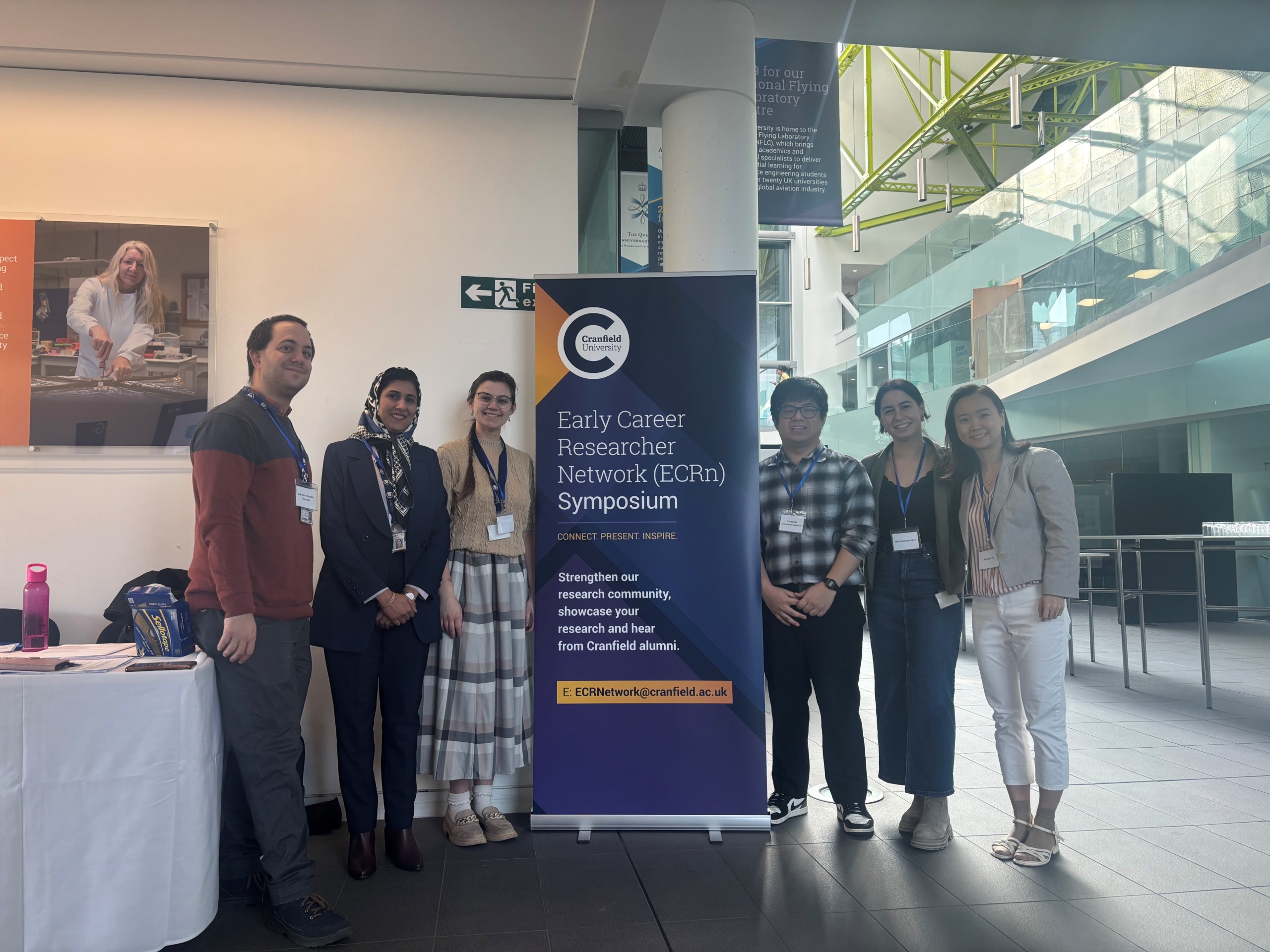
Building more than research: Reflections from the ECRn Symposium 2026
There’s something quietly powerful about a room full of early career researchers. Not just the ideas, although there were plenty of those—but the conversations, the curiosity, and the sense that everyone is figuring things ...

Library services over Easter, 3-6 April
Kings Norton Library will remain open for study 24/7. You will need your University ID card to enter the building and can use the self-service machines to borrow and return items as usual. Barrington Library ...

How do I access the full-text of Harvard Business Review (HBR)?
This is a frequently asked question, and it's worth knowing how to access this key management journal. So, how do you access HBR in full-text? The short answer is via our eJournals finder. You can find ...

Engineering problem to solve? Let Knovel help you find a solution
Did you know that Knovel provides you with more than just eBooks? Knovel is a key database for many engineering, mechanical and materials courses here at Cranfield University, and contains content from an extensive range ...
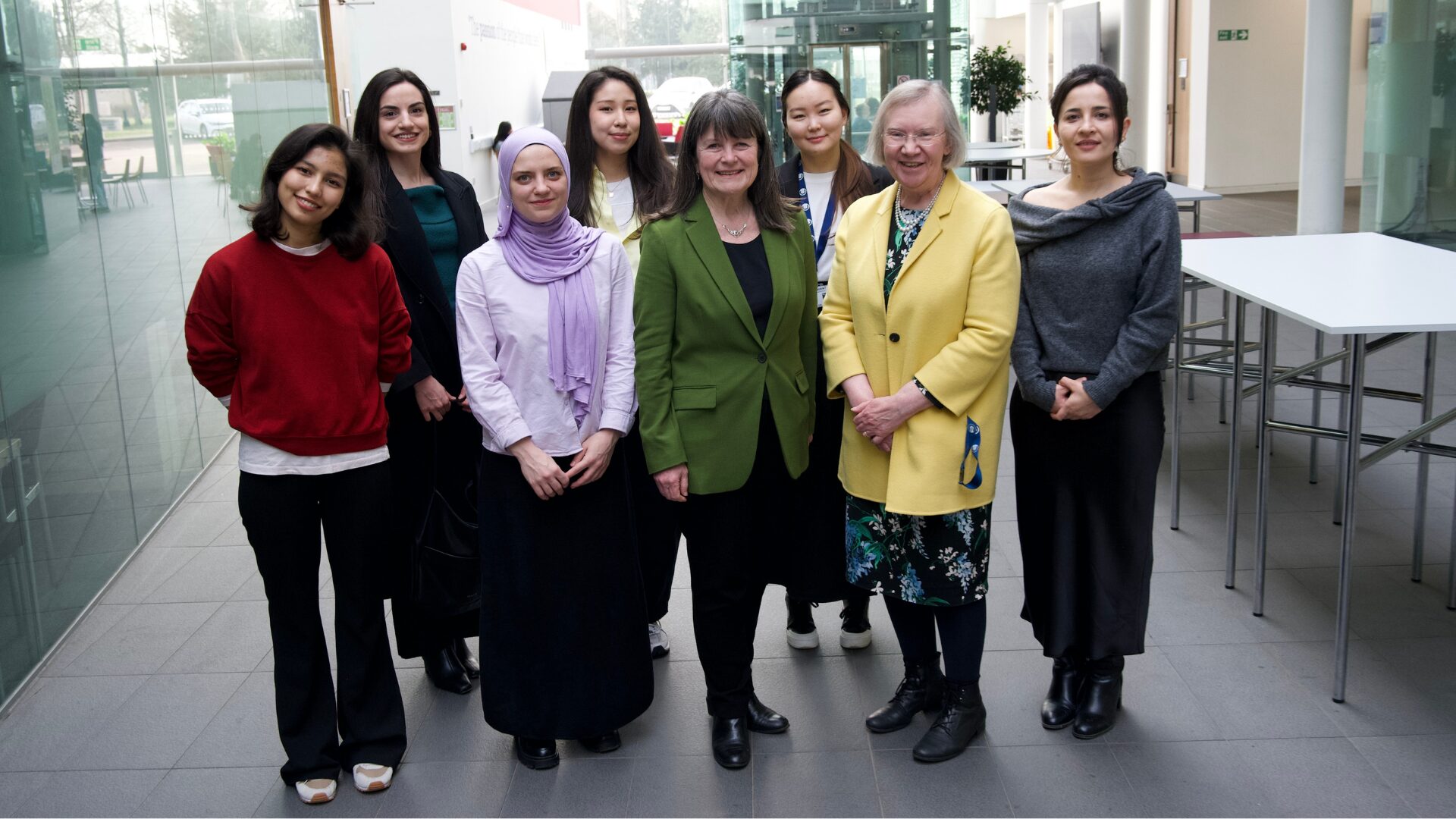
What happens when female scholars meet influential leaders?
On the 5 March 2026, our British Council Women in STEM Scholars had the privilege of sitting down with two excellent role models of industry and academia: Professor Dame Karen Holford, ...
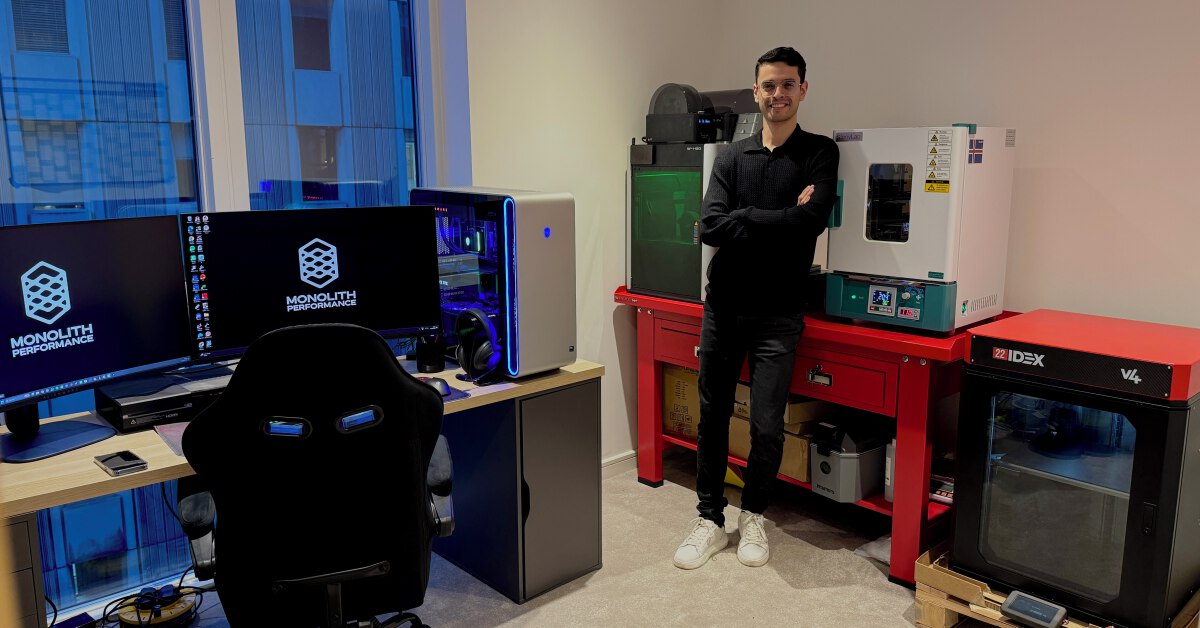
From MSc to CEO: Igniting a research revolution
For many, a master’s degree is achieving a big milestone. Kilyan Ocampo, Computational Fluid Dynamics alumni shares how studying at Cranfield helped launch his career in the energy sector. Today, Kilyan ...