

The Sustainability of a Solutionist Mindset
09/03/2023
‘Have a solutionist mindset’
These words were spoken by Ms Solitaire Townsend, the founder of Futerra, who kicked off the Edie 23 conference Consisting of 130+ speakers and 700+ delegates. To achieve the goals of the Paris Agreement and limit global warming to well below 2 degrees Celsius, a rapid and profound transition away from fossil fuels is necessary.
Mikaela Loach, a British climate justice activist, writer, and podcaster explained that without a just transition, there is a risk that the costs of decarbonisation will be unfairly borne by vulnerable communities, leading to social unrest and political opposition to climate action.
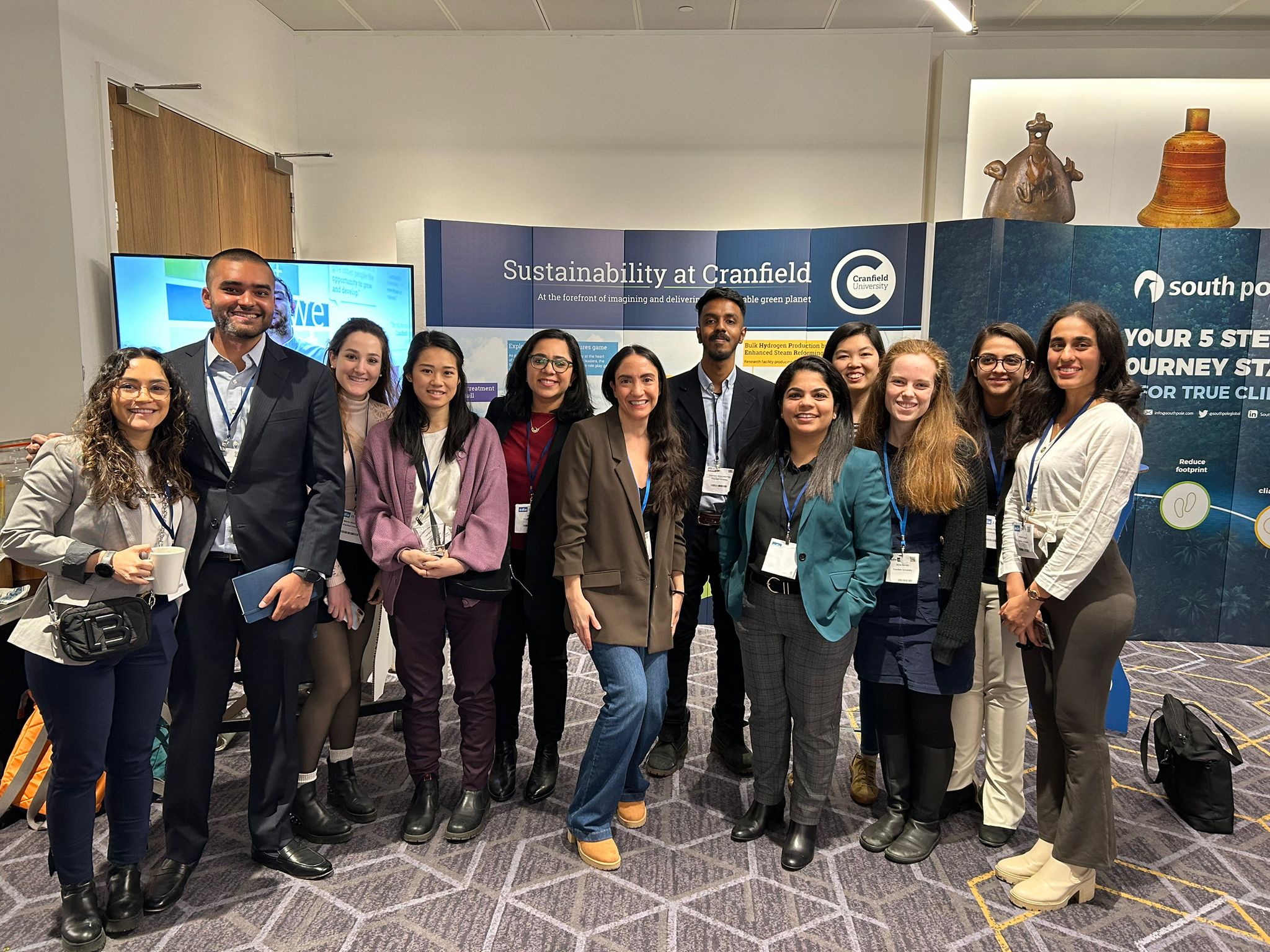
Edie 23 celebrated its birthday on 1 March 2023. The theme this year was Leadership Through Crisis. Attending the conference was quite surreal for our cohort, as we got an insight into the sustainable development initiatives taken by industrial pioneers in sustainability. The forum deconstructed sustainability into chunks of issues, as the speaker series brought forth significant challenges into the limelight. The workshops created strategies, and the panel discussions brought dialogue with the industrial giants such Christian Dior and Pukka Herbs to see the best method to tackle these issues.
Each sector chosen was carefully deliberated upon. Attendees were quite outspoken about their views concerning their business and overall trends in tackling major issues such as reporting standards, scope emissions and transparency in supply chains. It was insightful to see the decarbonising the supply chain workshop unfurl workshop hosted by Ms Sophie Bidwell, the Director of Springwise. The group activities with business owners and individuals from social and ethical sourcing gave their views on which approach would be more beneficial for their companies. A significant highlight of this event was integrating SDGs into the decisions, to create a more conscientious impact towards increasing transparency and improving the living conditions of minimum wage workers in developing countries.
It was evident and consistent amongst all sectors that there has been a lot of controversy about green washing and green hushing. I noticed that sometimes diplomacy is not an option. There is a need for a more robust infrastructure to tackle this, as companies that are green hushing need to be empowered to be more outspoken. Companies misinterpreted as greenwashing should exercise more due diligence before creating unattainable goals. It was a delightful structure of examples and strategies that SouthPole created to develop more resilience in their business.
A key takeaway was how stringent companies must be in marketing and revealing tangible goals, rather than what they could have achieved. It is essential to distinguish between consumer criticisms based on a lack of awareness versus genuine complaints by institutions that have actually done evidence-based analysis to call them out. I also understood the importance of transparent reporting guidelines and maintaining a consistent flow of verifications by different standards.
Pillar of Sustainability
Another pillar of sustainability that was talked about was the Environmental, Social and Governance aspects of Finance. Chaired by Dominic Waughray, Dorothy Maxwell, Heather Buchanan and Steve Howard, the panel created a holistic conversation on how environment and governance go hand-in-hand. It also discussed the importance of creating green finance instruments in Carbon Accounting to support businesses looking forward to paving a green path.
Attending the Wild Wild West panel discussion was a step towards unscrambling the ESG alphabet soup and including biodiversity as a significant investing sector. It talked about the jargon that deters traditional financial institutions from adapting quickly and adding layman’s terms to make it more digestible for those slowly understanding sustainability’s role. The infrastructure of reporting and disclosure is slowly building ground up. My takeaway from this session was that the importance of regulations that could streamline the funds and help to mobilise green capex more efficiently.
The Mess-Up Night was my favourite
Prominent companies such as Interface humbly came forward to discuss their mistakes, inspiring us to remain humble and realise the importance of accountability. It depicted sustainability as the power of taking risks and arming ourselves with lessons and impacts.
Towards the end of the programme, I asked Cranfield’s visiting professor, Professor Hugh Wilson, his thoughts. He said; “This event has been a cathartic journey, as trying to make a difference can cause burnouts often. Watching people dedicated to the same cause as you, is motivating and helps build resilience”. Thanks to Edie’s sponsor, MyMynd, seeing everyone unlock their potential to thrive was inspiring.
Concluding this article, I want to thank Cranfield University for this opportunity, and for giving us this platform to correlate our class learning with industrial standards and expectations. It is fascinating to be alive in an ever-evolving world!


Categories & Tags:
Leave a comment on this post:
You might also like…

Keen to develop your study skills?
Alongside the technical skills and academic knowledge that you will gain on your course, as a Cranfield student you have the opportunity to develop a range of other skills that can enhance your learning experience. ...

The V-conomy: powering the sixth wave of global economic growth
The world could be on the verge of a major surge in economic growth and development, driven by the convergence of AI and clean energy technology. Waiting to ride the K-wave The Russian ...

Need help using the Python programming language?
We know some of our students are currently trying to learn Python, so we wanted to make you aware of some great LinkedIn Learning videos that can help. But don't you have to pay for ...

What does it really take to become a Chevening Scholar?
Say “Turkmenistan” to most people and you’ll get a blank look. That was true when I left Ashgabat for the UK to study an MSc in Logistics and Supply Chain Management at Cranfield University ...

Get a head start on referencing and plagiarism
We offer a module on Referencing And Avoiding Plagiarism which you can find on your Canvas dashboard. It explains the role and importance of citing references and how to incorporate the work of other authors ...

How Cranfield shaped my journey as an Aerospace Engineer
If I'm being specific about the moment it clicked, it was reading a paper called "On the Role and Challenges of Computational Fluid Dynamics (CFD) in the Aerospace Industry" by two Boeing engineers, P. ...
Comments are closed.