

Taking part in the supply chain simulation game
16/01/2017
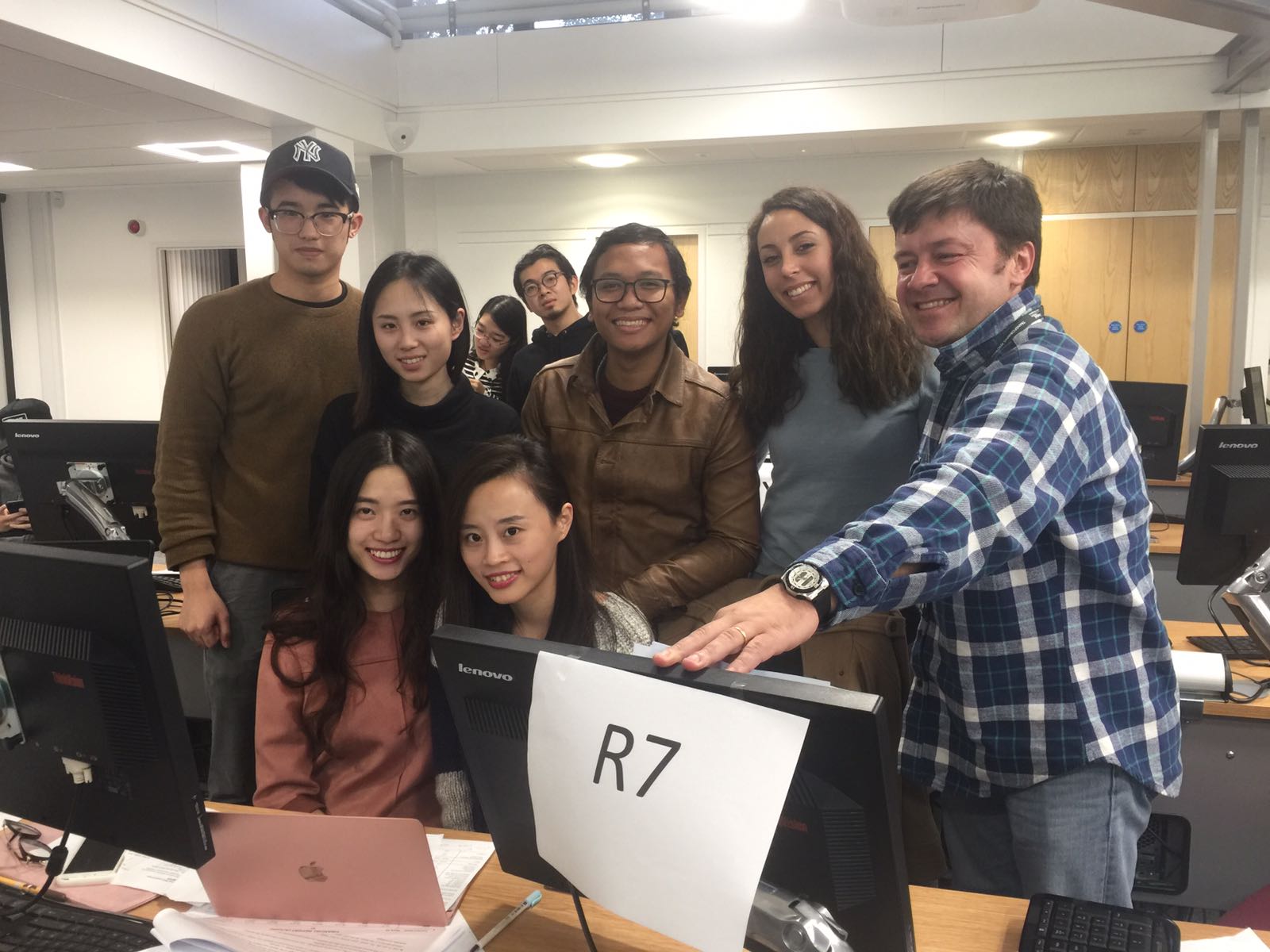
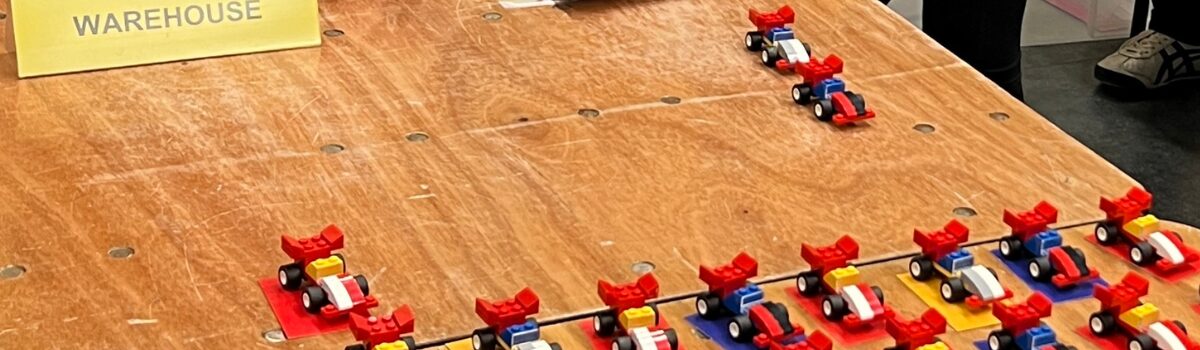
My name is Immanuel, and I’m from Indonesia. I would like to share with you about Supply Chain simulation games which are a part of our Supply Chain Strategy and Sustainability module in term one. Wait, a game? Yes! We did a simulation to gain a first-hand experience on how to manage the business from the supply chain perspective! The simulation game is very interesting and, not to mention, being marked! So, we needed to take it seriously and enjoy the process.
In this simulation, we were working in our learning groups to manage the fashion industry supply chain. The aim was to obtain the most profitable supply chain amongst all the learning groups. YES, the game was on and the competition was intense! It is indeed a good experience for us as it challenged our team to work effectively, just like in the real industry. We need to manage our team to work together on how to interpret the demand, and turn it into market fulfillment. Something that sounds very familiar from our class lectures! It was time to make it happen!
The game itself divided into three consecutive days. On the first and second days we ‘played’ with simulation software and on the third day we presented our results. In the simulation software, we had to determine our supply chain and procurement strategy, to explore our organizational structure and decision-making process, and the most important thing was to work in the team. Synergizing the work between departments is the key in the supply chain. It’s so true, it’s impossible to work by yourself in this game!
Once we have done the above activities, then we had to present our result in front of all our colleagues and lecturers. We have Vahid and Hendrik, who gave very helpful support during the game. Despite their kindness, they need to give us the ‘brutal facts’ about our performance! Basically, our presentation needs to tell our approach and result of the game and what we have learned through the game.
After all, we had so much fun in the game and are now able to reflect that what we have learned in class is so closely related to the real case study! Congratulation for Red Team One for the most profitable supply chain in Red Stream with nearly ten million Euro profit (if I remember correctly)! I believe a lot of investors are chasing them now to manage their supply chain! Also, thanks to Vahid and Hendrik for guiding us through three really interesting days of the game! We can’t wait for what next term will bring us into!

Categories & Tags:
Leave a comment on this post:
You might also like…

Engineering problem to solve? Let Knovel help you find a solution
Did you know that Knovel provides you with more than just eBooks? Knovel is a key database for many engineering, mechanical and materials courses here at Cranfield University, and contains content from an extensive range ...
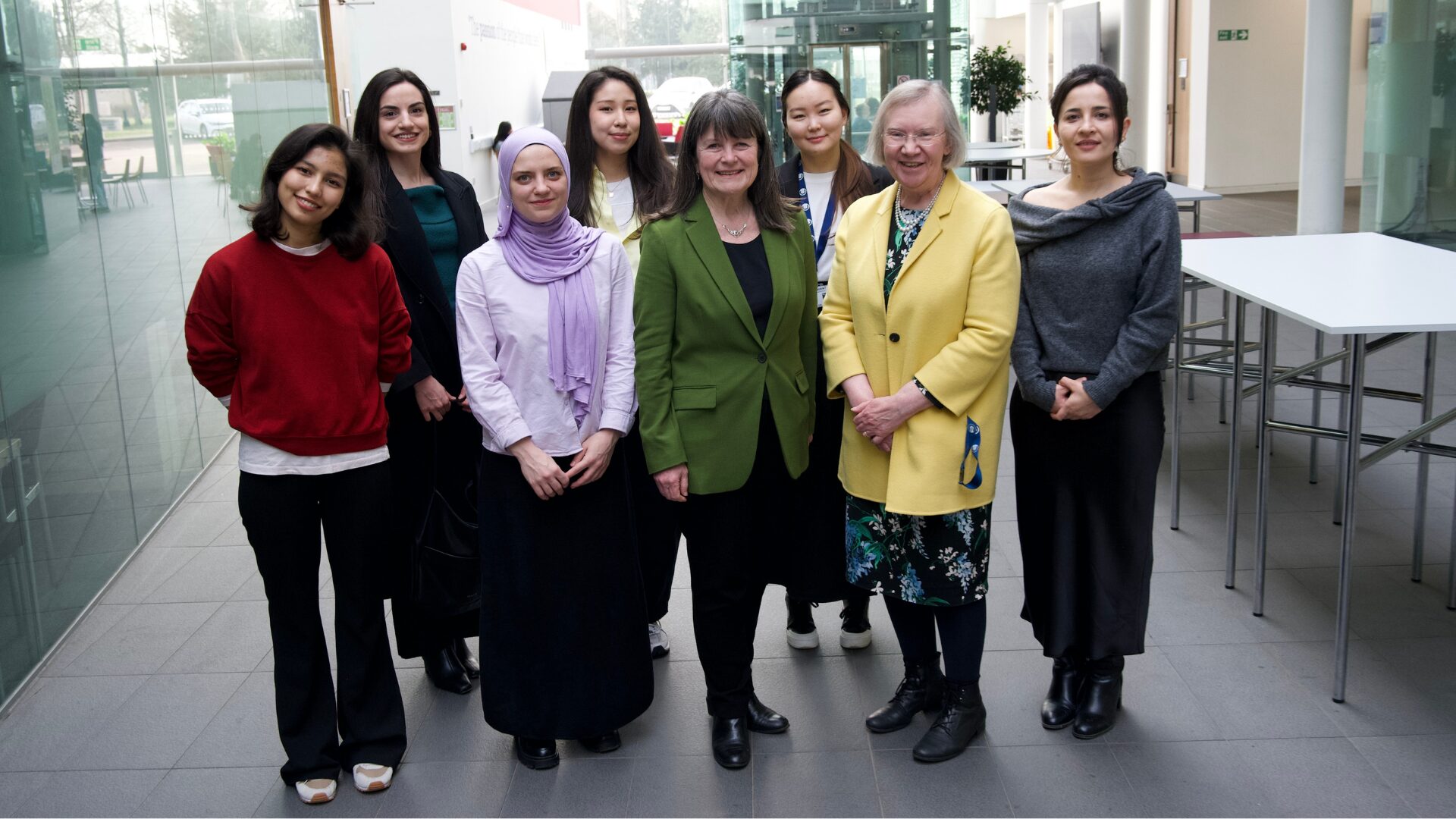
What happens when female scholars meet influential leaders?
On the 5 March 2026, our British Council Women in STEM Scholars had the privilege of sitting down with two excellent role models of industry and academia: Professor Dame Karen Holford, ...
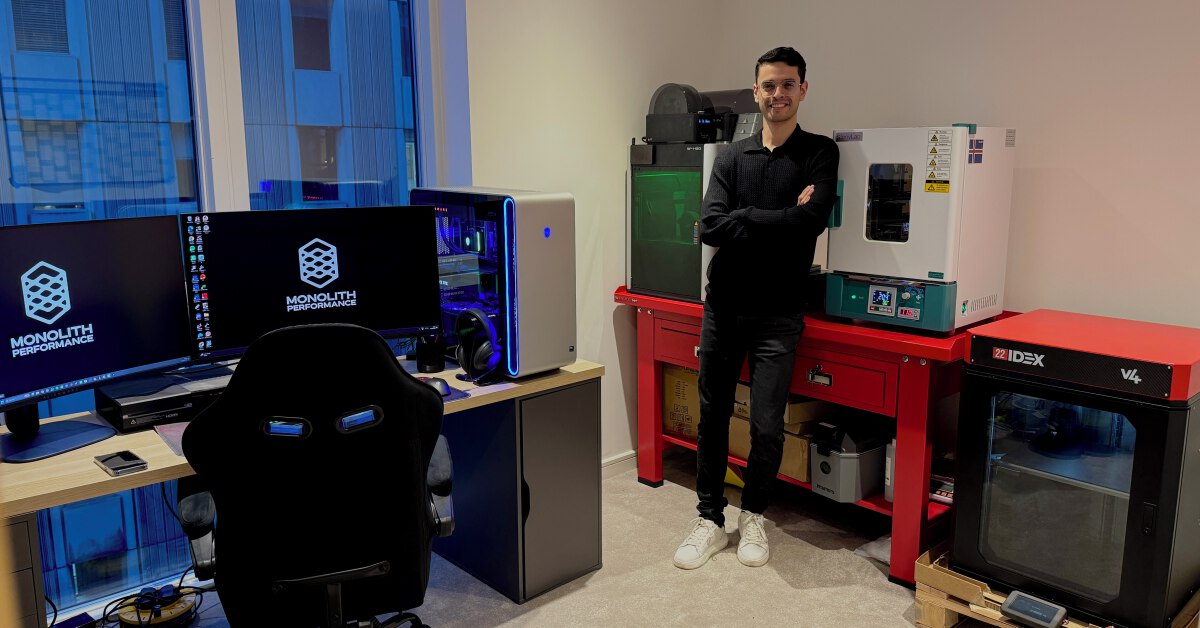
From MSc to CEO: Igniting a research revolution
For many, a master’s degree is achieving a big milestone. Kilyan Ocampo, Computational Fluid Dynamics alumni shares how studying at Cranfield helped launch his career in the energy sector. Today, Kilyan ...
Commuting, collaborating and growing: My first term experience at Cranfield
My first term at Cranfield University has been an extremely positive and rewarding experience. While the course has been intense at times, it has pushed me in the best possible way and allowed me ...

Sourcing country analysis – a guide to Library sources
For those researching a country, you will find that country information tends to take two forms: Analysis - country reports are descriptive reports covering most areas of interest on a country. They contain an analysis ...

The degree that launched my marketing career
Insights from Tayo George, Strategic Marketing MSc Alumni I chose the Strategic Marketing MSc at Cranfield because I wanted a programme that combined academic rigour with practical, commercial relevance. The emphasis on applied learning, ...