


L’ORÉAL: “a pure player in beauty for 105 years”
10/05/2017
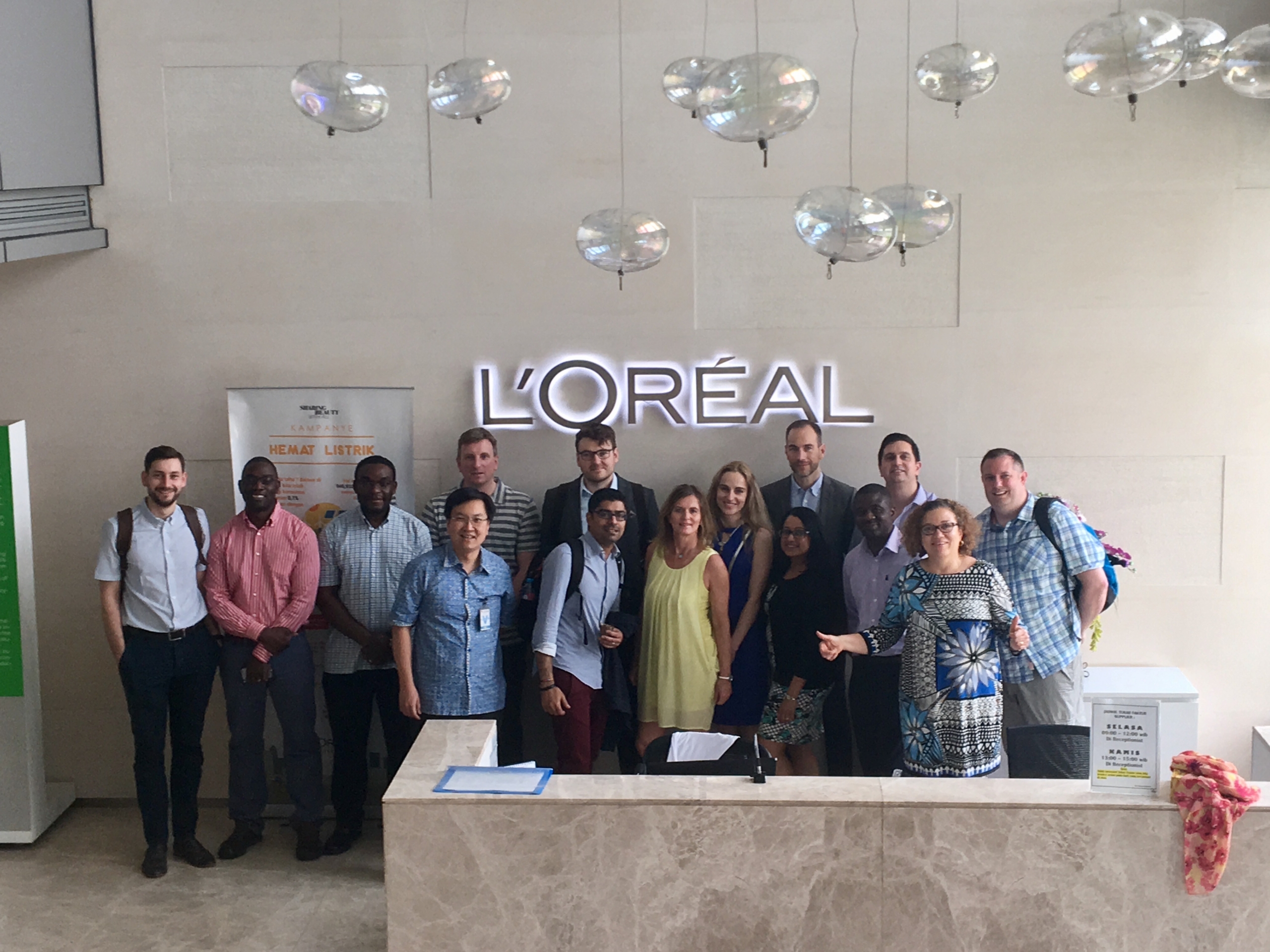
 Tuesday afternoon was dedicated to the world of beauty with a visit to the L’ORÉAL plant in Jababeka. The factory is producing skin and haircare products for south-east Asia. It was opened in 2012, employs around 450 employees and with the size of premises, 220 000m², it is the biggest in the entire L’ORÉAL group. Concerning the final sales, 46% of production is made for the local Indonesian market, 35% goes to Thailand and the rest of 19% is exported to other ASEAN countries.
After the plant director Mr. Guillaume Delaplace gave us an introduction to the L’ORÉAL story and supply chain practices, we were taken on a tour around the production lines. They contain weighing, processing and filling. What impressed us most was the filling and packaging section for cosmetics; not only for the state-of-the-art equipment but also for the subtle, sweet, fruity smells of perfumes used in the creams. Today the process is partly manual and partly robotic. The plan is to make this section fully automated with no need for human work besides workers in the control room and machine settings. One of such fully robotic stations produces 2,000,000 units (imagine cream pots) a month. Recently the total face care production accounts for around 12,000,000 units per month and hair care around 2,000,000 units per month. Just to show how cosmetics are popular in Indonesia, there are 500 of new products introduced by L’ORÉAL every year.
Written by Alena Laskova, Matthew Heaford and Levan Merkviladze

Categories & Tags:
Leave a comment on this post:
You might also like…
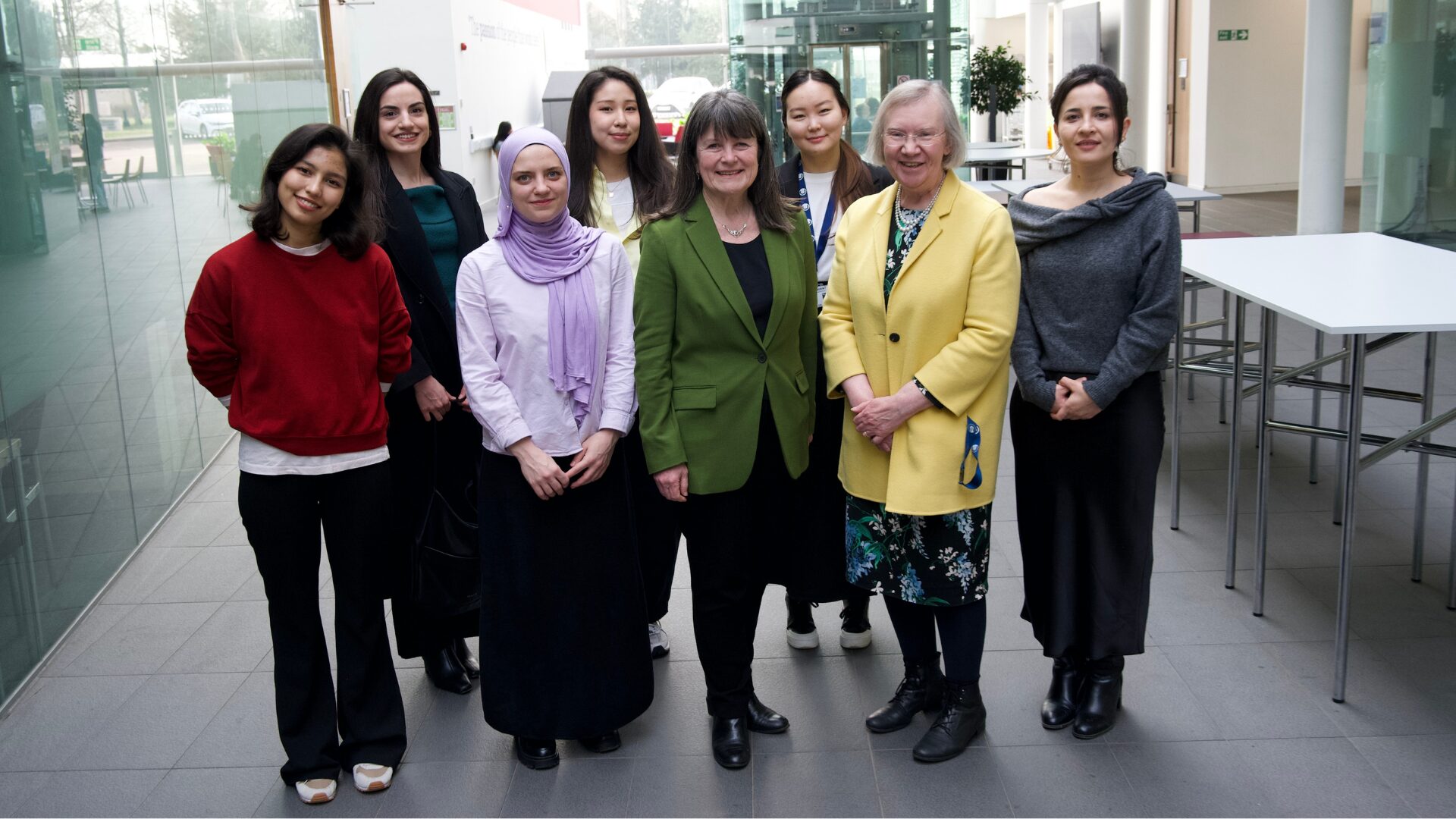
What happens when female scholars meet influential leaders?
On the 5 March 2026, our British Council Women in STEM Scholars had the privilege of sitting down with two excellent role models of industry and academia: Professor Dame Karen Holford, ...
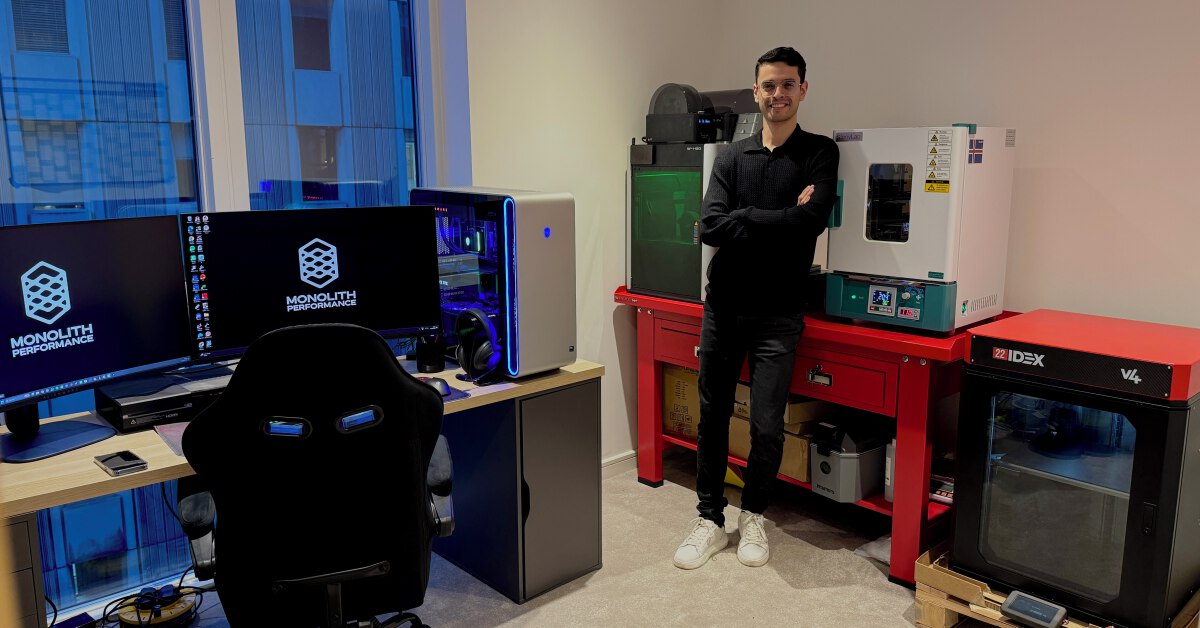
From MSc to CEO: Igniting a research revolution
For many, a master’s degree is achieving a big milestone. Kilyan Ocampo, Computational Fluid Dynamics alumni shares how studying at Cranfield helped launch his career in the energy sector. Today, Kilyan ...
Commuting, collaborating and growing: My first term experience at Cranfield
My first term at Cranfield University has been an extremely positive and rewarding experience. While the course has been intense at times, it has pushed me in the best possible way and allowed me ...

Sourcing country analysis – a guide to Library sources
For those researching a country, you will find that country information tends to take two forms: Analysis - country reports are descriptive reports covering most areas of interest on a country. They contain an analysis ...

The degree that launched my marketing career
Insights from Tayo George, Strategic Marketing MSc Alumni I chose the Strategic Marketing MSc at Cranfield because I wanted a programme that combined academic rigour with practical, commercial relevance. The emphasis on applied learning, ...
From national service to Environmental Engineering: My journey to Cranfield
Postgraduate study is often a defining step in shaping one’s academic and professional direction. For me, pursuing an MSc in Environmental Engineering at Cranfield University has been both a personal and professional adventure—one that ...