


Level 7 apprenticeships support social mobility and address skills gaps
14/01/2025

A recent article in The Times painted a misleading picture of Level 7 apprenticeships, accusing companies of sending senior executives on management courses, and diverting levy funding away from entry-level apprenticeships. The story fails to reflect the full picture of Level 7 apprenticeships and misrepresents the basis on which Executive MBA (EMBA) qualifications are available, implying that apprenticeship levy funding is used for this separate qualification.
In fact, the EMBA is not covered by the apprenticeship levy, and is only open to apprentices once they complete their Senior Leadership Apprenticeship. Apprentices or their employers must then pay additional fees to enable them undertake further study with a view to achieving an EMBA qualification.
The popular misconception that apprenticeship funds are being abused to train high-level highly qualified managers doesn’t stack up.
Senior Leadership Apprenticeships are tightly regulated and open up opportunities to those without formal qualifications, helping to build diversity in leadership roles and widen career opportunities for under-represented groups. Three in five Level 7 Senior Leader apprentices come from half of the most deprived areas in the UK, and for many it’s the first time they’ve studied for a formal academic qualification.
Level 7 apprenticeship provision is essential to help businesses fill skills gaps and improve productivity, not just in leadership but other crucial areas such as biosciences, manufacturing, digital and cyber.
From talking to companies, I know there is a clear need for senior leaders with advanced skills that won’t go away any time soon. These Level 7 apprenticeships help both public and private sectors address real challenges in management and leadership – driving reform in priority areas such as our specialist NHS-focused apprenticeship, and building economic growth in the UK.
Those in mid-career who are moving into management, or who need to develop their skills in leadership, should not be dismissed so readily. They are not taking away opportunities from younger apprentices and fully deserve to have the opportunity to learn and develop.
We welcome Skills England’s focus on what employers need to grow the economy, and we will continue to work closely with businesses to answer their education needs.
Professor Dame Karen Holford DBE FREng


Categories & Tags:
Leave a comment on this post:
You might also like…
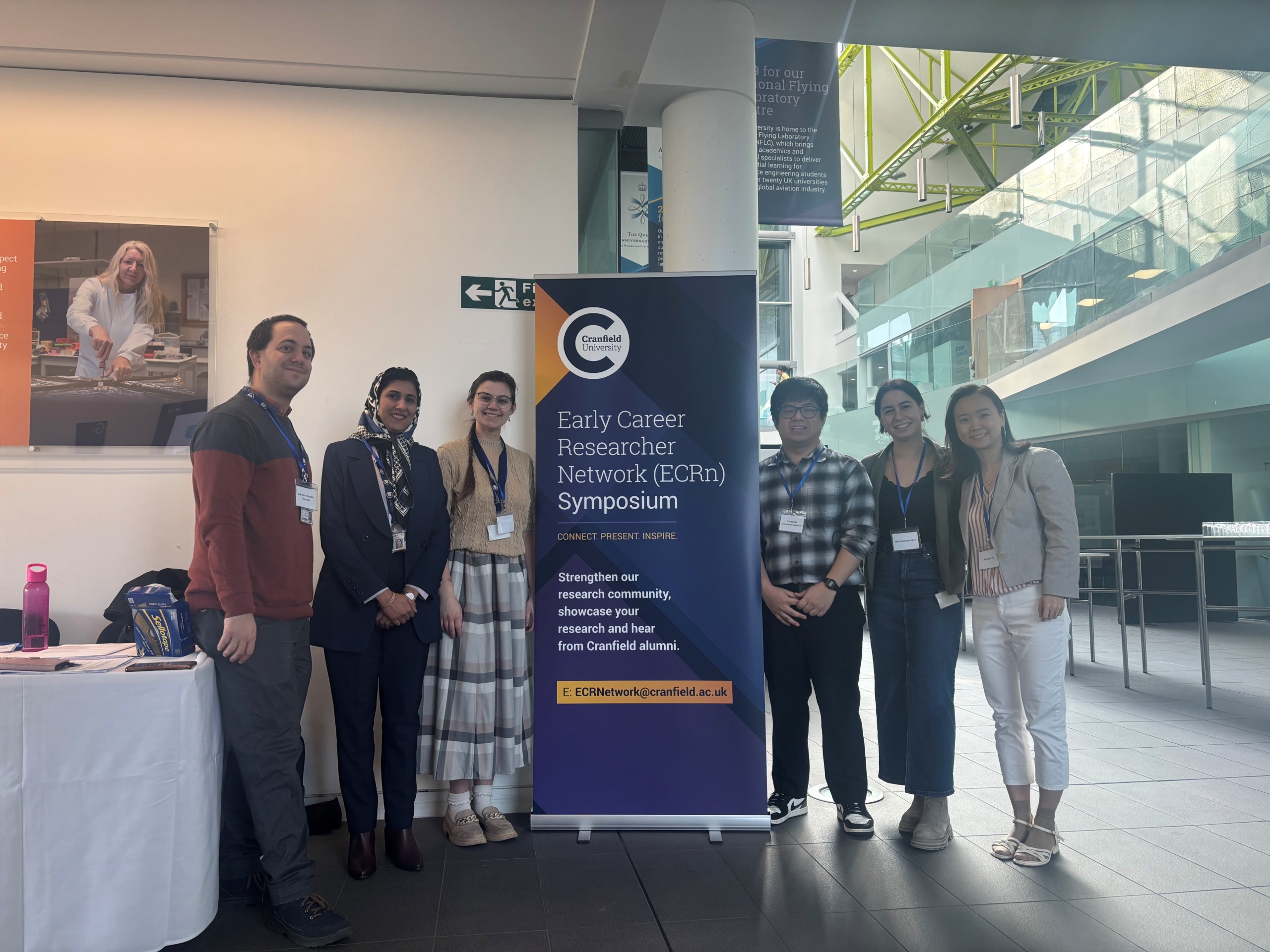
Building more than research: Reflections from the ECRn Symposium 2026
There’s something quietly powerful about a room full of early career researchers. Not just the ideas, although there were plenty of those—but the conversations, the curiosity, and the sense that everyone is figuring things ...

Library services over Easter, 3-6 April
Kings Norton Library will remain open for study 24/7. You will need your University ID card to enter the building and can use the self-service machines to borrow and return items as usual. Barrington Library ...

How do I access the full-text of Harvard Business Review (HBR)?
This is a frequently asked question, and it's worth knowing how to access this key management journal. So, how do you access HBR in full-text? The short answer is via our eJournals finder. You can find ...

Engineering problem to solve? Let Knovel help you find a solution
Did you know that Knovel provides you with more than just eBooks? Knovel is a key database for many engineering, mechanical and materials courses here at Cranfield University, and contains content from an extensive range ...
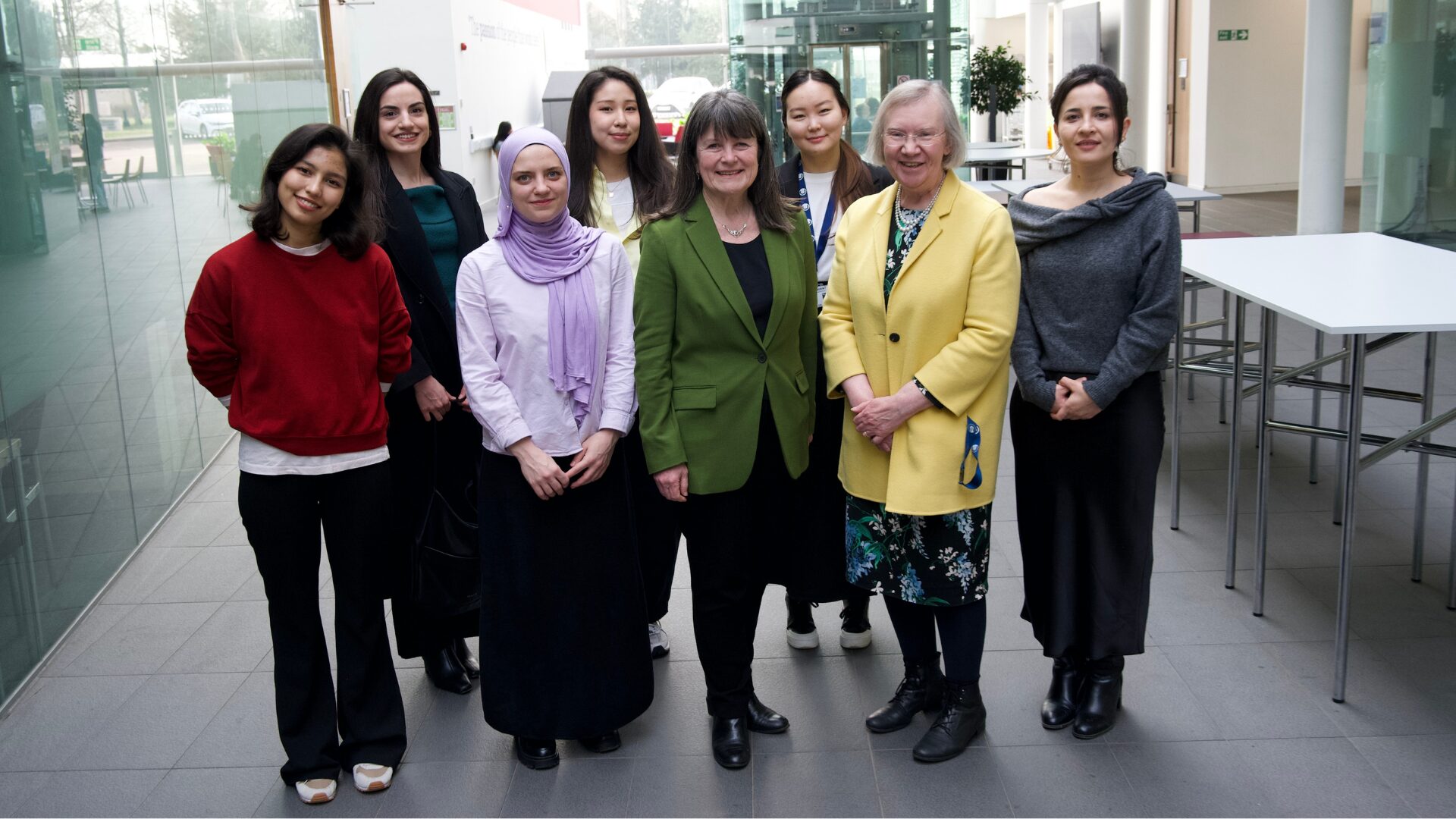
What happens when female scholars meet influential leaders?
On the 5 March 2026, our British Council Women in STEM Scholars had the privilege of sitting down with two excellent role models of industry and academia: Professor Dame Karen Holford, ...

From MSc to CEO: Igniting a research revolution
For many, a master’s degree is achieving a big milestone. Kilyan Ocampo, Computational Fluid Dynamics alumni shares how studying at Cranfield helped launch his career in the energy sector. Today, Kilyan ...