


Is Efficiency all that Important?
11/10/2023

Everyone talks about efficiency – the efficiency of the NHS, an efficient car manufacturer, the efficiency of an individual. But how important is this really? Why do people tend to talk about efficiency rather than effectiveness? What is the difference?
Management Guru, Peter Drucker is quoted as saying: “Efficiency is doing things right. Effectiveness is doing the right things.” If what matters is doing the right things, why do we tend to talk so much about doing things right?
The truth is, that it is easier to measure efficiency, that we are doing things right. It tends to be more tangible – hours taken, money spent, milestones achieved. It is also more immediate than effectiveness. It is easier to report and to show progress. We like the certainty of it. Effectiveness tends to be realised in the longer term when the benefits of an activity start to emerge. It is less certain, especially with long term projects which are conceived in the context of one set of circumstances and are completed when the world has moved on.
The point to make is that both are important. But, before you launch into deciding how to be efficient you need to be as sure as you can that you are embarking on the most appropriate approach, product or solution. Is the action you are contemplating the best way of improving a situation? Building a road in a place where people are unlikely to use it is a waste of money even if it is delivered on time and on budget. But being inefficient and putting too much resource into building a road, even if it is in the right place, means other activities will have less resource.
Recent research into major projects showed that once the business case had been agreed, far less effort was put into whether the ultimate aims were still likely to be achieved. It is important to be efficient, but you should always keep the end in mind.
Mike and Pippa Bourne’s new book Concise Introduction to Performance Management is available at https://www.e-elgar.com/shop/gbp/concise-introduction-to-performance-management-9781803922300.html


Categories & Tags:
Leave a comment on this post:
You might also like…
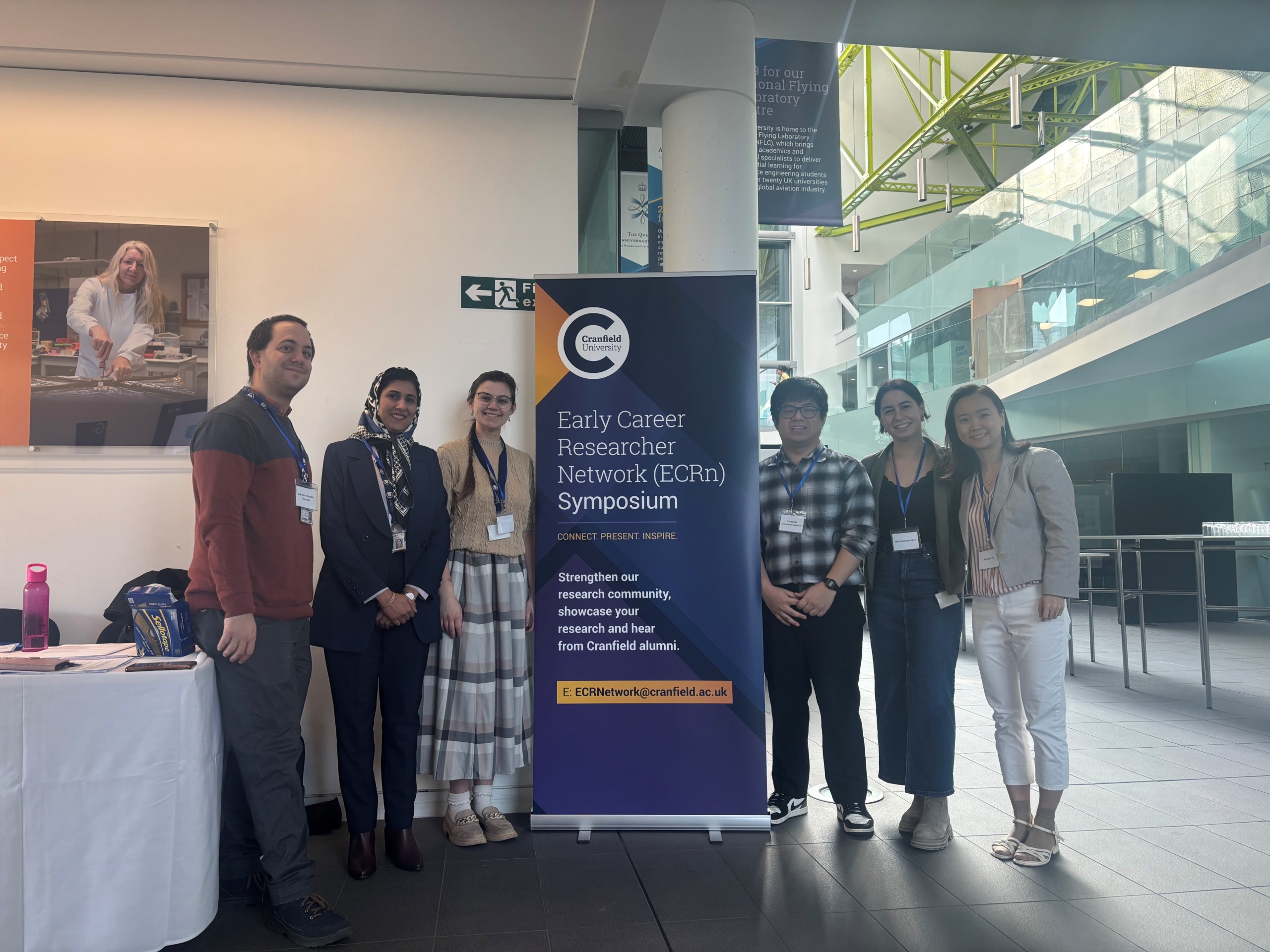
Building more than research: Reflections from the ECRn Symposium 2026
There’s something quietly powerful about a room full of early career researchers. Not just the ideas, although there were plenty of those—but the conversations, the curiosity, and the sense that everyone is figuring things ...

Library services over Easter, 3-6 April
Kings Norton Library will remain open for study 24/7. You will need your University ID card to enter the building and can use the self-service machines to borrow and return items as usual. Barrington Library ...

How do I access the full-text of Harvard Business Review (HBR)?
This is a frequently asked question, and it's worth knowing how to access this key management journal. So, how do you access HBR in full-text? The short answer is via our eJournals finder. You can find ...

Engineering problem to solve? Let Knovel help you find a solution
Did you know that Knovel provides you with more than just eBooks? Knovel is a key database for many engineering, mechanical and materials courses here at Cranfield University, and contains content from an extensive range ...

What happens when female scholars meet influential leaders?
On the 5 March 2026, our British Council Women in STEM Scholars had the privilege of sitting down with two excellent role models of industry and academia: Professor Dame Karen Holford, ...

From MSc to CEO: Igniting a research revolution
For many, a master’s degree is achieving a big milestone. Kilyan Ocampo, Computational Fluid Dynamics alumni shares how studying at Cranfield helped launch his career in the energy sector. Today, Kilyan ...
Comments are closed.