

My thesis and working with industry
06/08/2018
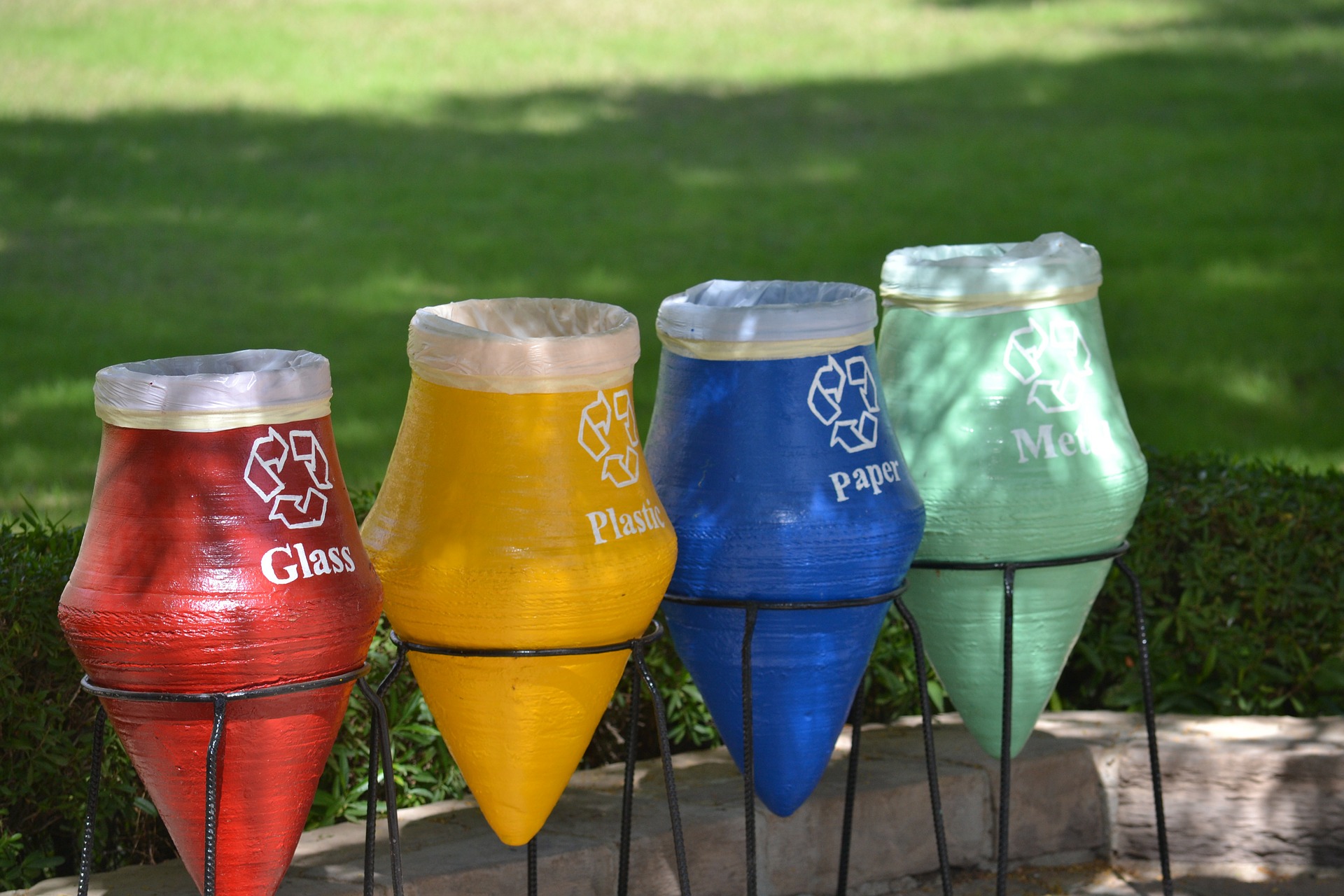
Coming from a background in geography, and always having shown an interest in the relationship between the three pivotal aspects of sustainability – the environment, economy and society – the next logical step for me after completing my undergraduate degree was to study Environmental Management for Business. The highlight of this course, in my opinion, has been to understand how creating and managing a sustainable environment can lead to real economic and social improvements. On this course, not only has this been highlighted in theory, through learning the relevant skills, however I have also experienced this in practice, by working with real clients within the sector.
I have recently been given the exciting opportunity to work alongside AvISO Consultancy with one of their clients, Compact & Bale, for my MSc thesis. Compact & Bale are a waste management company committed to the circular economy concept. Their business model ensures that they continue to divert unwanted materials from disposal and back into the value chain. To highlight their environmental commitment, the company provides their clients with a certificate that communicates their environmental performance from recycling. However, at present, the company are unable to provide details of the method used to quantify the environmental benefits. Therefore, to back up their claims, Compact & Bale have requested an updated, transparent and robust method to quantify and communicate the benefits of sending unwanted cardboard to be recycled.
The aim of the project is therefore to develop an excel tool that can calculate the environmental benefits of recycling cardboard. The benefits should be presented in an engaging and informative manor. To achieve this aim, the thesis will primarily consist of secondary data research. However, to understand the requirements of the company, and to collect primary data on-site, the project has also involved frequent contact with AvISO and Compact & Bale, including a site visit.
This project originally engaged me because I believe that environmental awareness and communication is an interesting, critically important and contemporary issue to be addressed. Therefore, the project presented a perfect opportunity to transfer my interest into a real situation. I was also excited to develop the technical skills that I had gained on this course surrounding carbon footprinting. Moreover, the project has given me the opportunity to create a tool specifically designed for environmental communication with companies. I like that I will be able to demonstrate, using digestible facts and figures, how a simple action can have significant environmental impacts. As a result, companies can visualise tangible achievements and become motivated towards improved resource efficiency.
This project has therefore given me the experience of working alongside AvISO with a client that is passionate about reducing environment burdens. Working with a client has challenged me to create an outcome that is of high quality, while performing professionally and delivering work in a timely manner. Although this has been difficult at times, it has been incredibly rewarding. Working to the genuine needs of a client to help improve and validate their environmental performance is an opportunity that I have amply enjoyed so far and hope to continue doing within my future career. If I were to offer advice to anyone considering studying a similar MSc, it would be to make the most of the opportunities that arise from your studies. If given the chance, make the most of working with real companies in a sector that you are interested in, because the experience that you gain from this is invaluable.

Categories & Tags:
Leave a comment on this post:
You might also like…
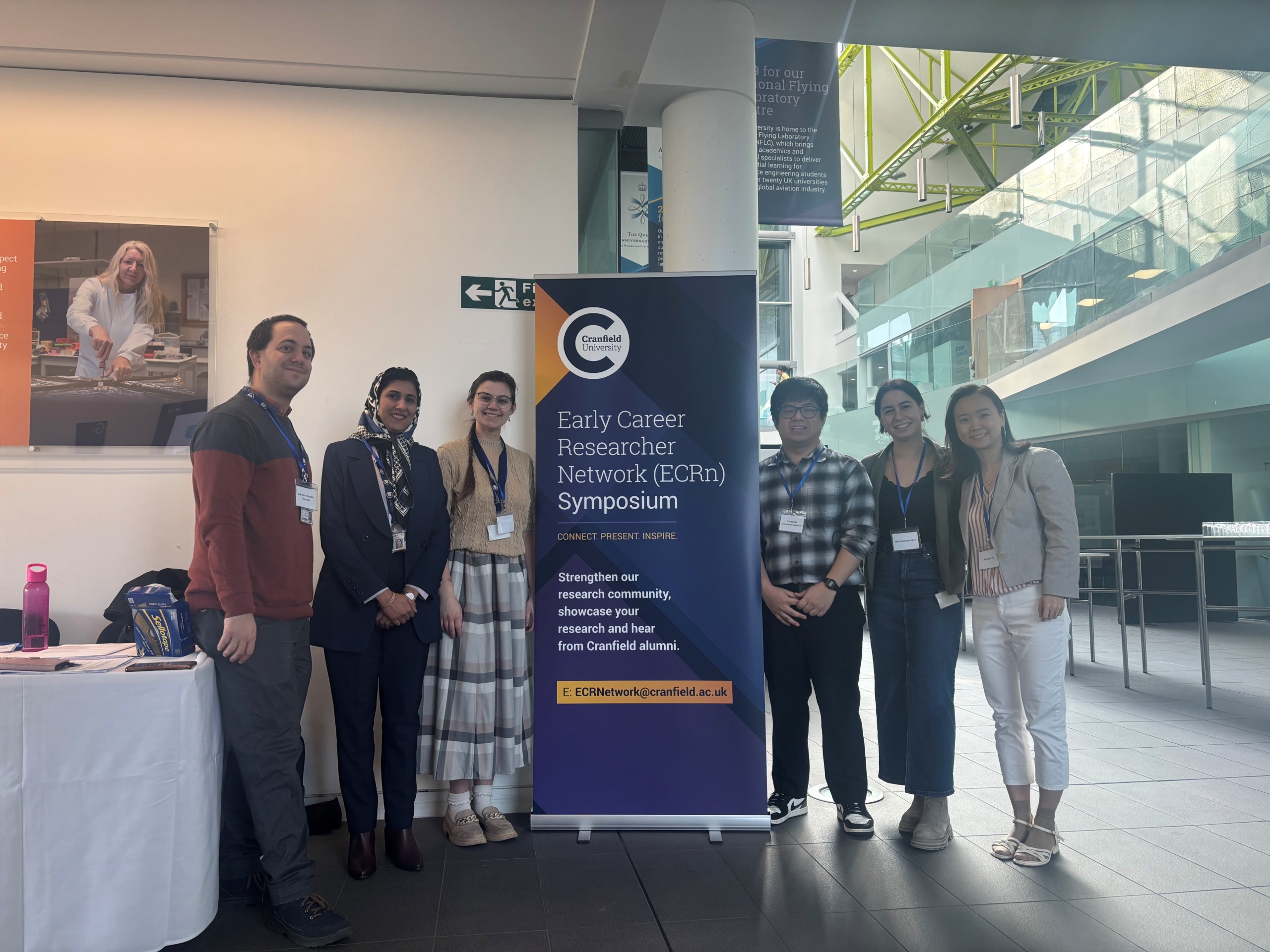
Building more than research: Reflections from the ECRn Symposium 2026
There’s something quietly powerful about a room full of early career researchers. Not just the ideas, although there were plenty of those—but the conversations, the curiosity, and the sense that everyone is figuring things ...
Library services over Easter, 3-6 April
Kings Norton Library will remain open for study 24/7. You will need your University ID card to enter the building and can use the self-service machines to borrow and return items as usual. Barrington Library ...

How do I access the full-text of Harvard Business Review (HBR)?
This is a frequently asked question, and it's worth knowing how to access this key management journal. So, how do you access HBR in full-text? The short answer is via our eJournals finder. You can find ...

Engineering problem to solve? Let Knovel help you find a solution
Did you know that Knovel provides you with more than just eBooks? Knovel is a key database for many engineering, mechanical and materials courses here at Cranfield University, and contains content from an extensive range ...
What happens when female scholars meet influential leaders?
On the 5 March 2026, our British Council Women in STEM Scholars had the privilege of sitting down with two excellent role models of industry and academia: Professor Dame Karen Holford, ...
From MSc to CEO: Igniting a research revolution
For many, a master’s degree is achieving a big milestone. Kilyan Ocampo, Computational Fluid Dynamics alumni shares how studying at Cranfield helped launch his career in the energy sector. Today, Kilyan ...