


SETAC Europe 28th Annual Meeting in Rome
29/05/2018
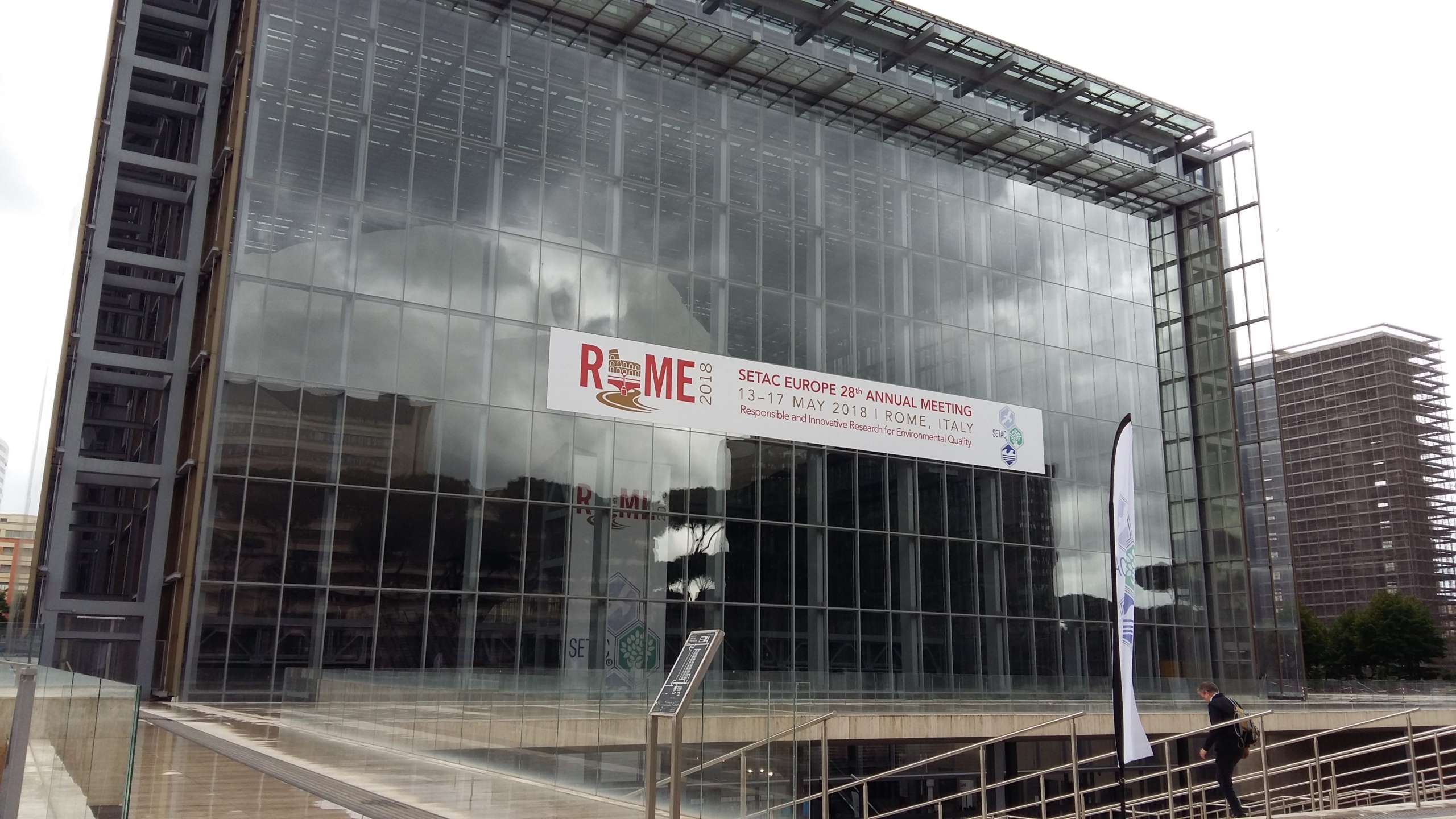
I recently had the opportunity to take part in the SETAC Europe 28th Annual Meeting from 13th to 17th May in Rome. I was honoured that our abstract has been accepted for oral presentation at this conference with over 2600 abstract submissions! In my field of study this is, without argument, the largest meeting. The final parallel programme with over 80 sessions was a great opportunity to know more about emerging research, regulatory developments and the latest methodologies in environmental toxicology and chemistry.
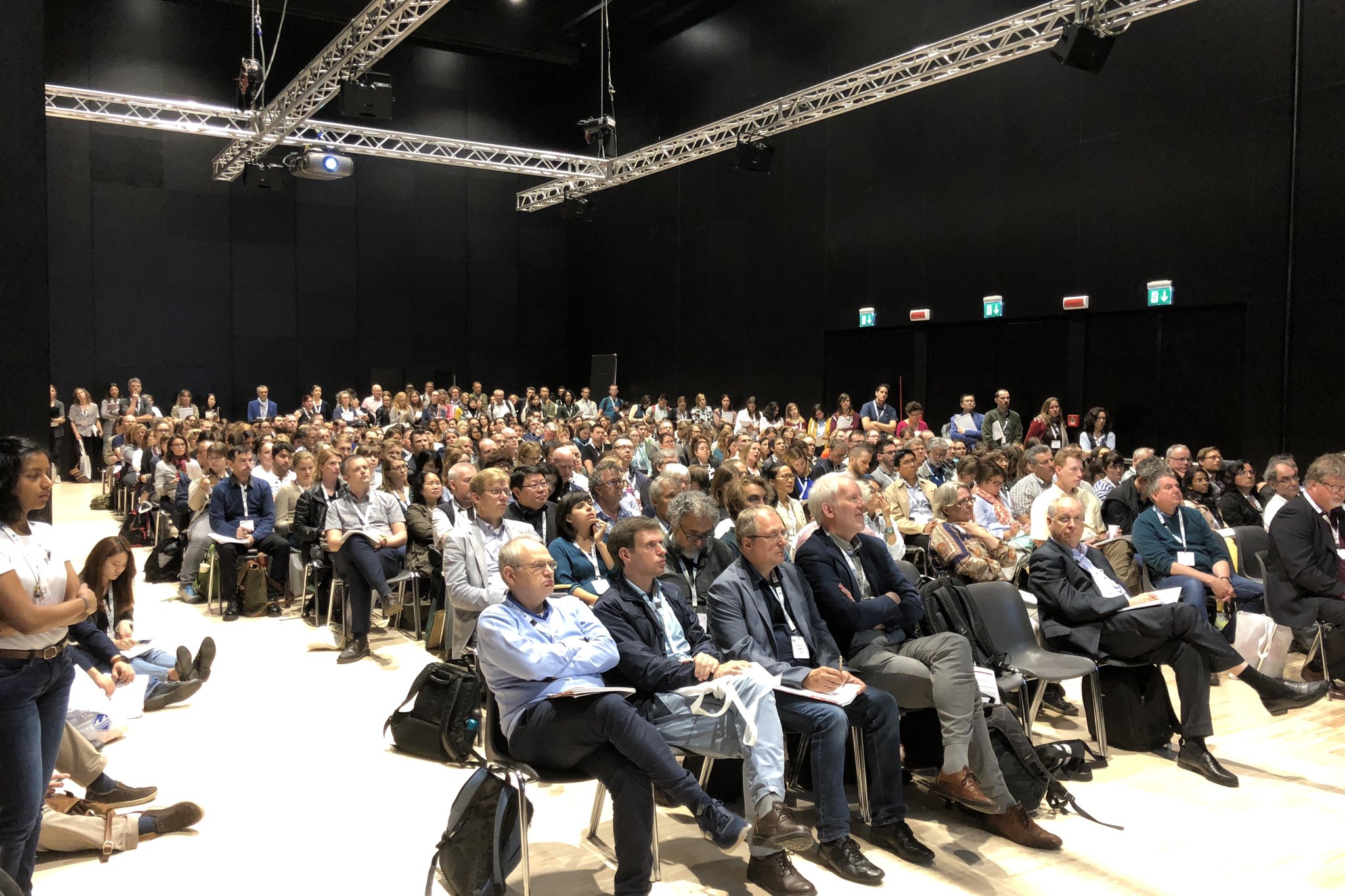
I presented results from my work on “Linking bioavailability of complex mixture to toxicity changes to assess recovery of contaminated soils” at the “Bioavailability and realistic risk assessment of organic chemicals” session on Monday afternoon. The work we presented was the outcome of a 6 months laboratory scale experiment with the aim of assessing the impact of biochar or compost amendments on the bioavailability of complex chemical mixtures. During my platform presentation, the room was crowded with more than 250 people, and I had very interesting questions from the audience; it was a good opportunity to present outcome of my project and to receive feedback from academic and industrial peers.
During the conference I attended many high quality sessions, where experienced speakers were addressing a wide range of topics, with the overarching theme of “Responsible and Innovative Research for Environmental Quality”. Responsible research and innovation should bring together stakeholders (scientists, regulators, industry, and social actors) to collaborate towards an ethical and sustainability approach that ensure a correct implementation of scientific progress in our society with the overall aim of safeguarding of the environment.
The conference also provided a number of events happening in parallel such as: mentoring opportunities, training courses, job-events, and students activities. On Tuesday I participated to the 5K fun-run, which was a good opportunity to meet people passionate about sport and make some friends from all over the world, I also won a medal!
[su_carousel source=”media: 11151,11150,11158″ width=”300″ height=”300″ items=”1″ title=”no”]During the conference I met several researchers who wanted me to update them further on the outcome of my project, which was was very encouraging and delightful; I did receive very good commendations as well as constructive criticism, some of which I have already implemented into my work.
If you work in the field of environmental toxicology and chemistry , SETAC is a must-go event! Next on the horizon will be our REMEDIATE Conference: “Remediation and Land management : research meet practice” at Riddel Hall, Queen’s University Belfast on 19th-20th September. See you there!

Categories & Tags:
Leave a comment on this post:
You might also like…

Engineering Tomorrow. Part two: Can we move around the world without emissions?
Moving people and goods around the world is essential to modern life. But every journey has an environmental cost, and reducing the emissions associated with transport is one of the major engineering challenges of ...

Following in the footsteps of aerospace pioneers
I came to Cranfield to understand how aircraft stay in the sky. Months later, I was measuring the performance of aircraft engines in flight aboard the National Flying Laboratory Centre's Saab 340B. My ...

From looking up at jet engines to powering the future of flight
From flying aboard Cranfield's Saab 340B flying classroom to rebuilding a gas turbine component by component, Jouni Kailouh's journey shows how specialist, hands-on experience can turn a fascination with propulsion into a future career ...
Engineering Tomorrow. Part one: Can we power the future without costing the Earth?
The world needs energy. To power homes, industries, transport and the technologies shaping our future. But as demand grows and the pressure to reduce emissions increases, how do we generate the energy we need ...

Looking ahead: Building foresight skills for a more sustainable future
As sustainability challenges become more complex and uncertain, organisations need people who can look beyond today's pressures and think strategically about the future. From changing regulations and emerging technologies to supply chain disruption and ...

Brazil to Cambridge: How Cranfield helped me build a career in data analytics
I was hungry for something bigger. Before Cranfield, I was living in São Paulo, Brazil, working as a Data and Market Intelligence Analyst in the trading division of Raízen. My background is actually ...