

Quarry Life and Cranfield Life
15/07/2025
It might be thrilling to push yourself past your comfort zone, but it can also leave you feeling anxious and self-conscious. What if this is unsuccessful? What if I’m not as talented as I believe I am? There are many what-if scenarios, but these just serve to downplay our skills and record. This sums up my exciting time at Cranfield University perfectly. Now, if this isn’t you and you’re able to deal with new realities head-on, fantastic! However, if you can identify with this, I’m happy to tell you that everything works out in the end, often even better than you planned.
Despite receiving numerous acceptance offers from institutions across the UK, Cranfield was the obvious decision due to the structure of the Environmental Engineering course and strong industry links, which were reflected in the course’s content and delivery. We completed eight modules in the first five months, each with lengthy lectures and assessments that required critical thinking and the capacity to apply theoretical information to real-world situations in diverse geographical regions. I had the incredible opportunity to interact with a small but diverse group of students and instructors, exchanging personal experiences and cultural knowledge.
The highlight of my time at Cranfield was the group project. We provided consulting services to a company looking into green infrastructure features for ecosystem service provisioning as a team of seven students from several courses. Even though working in teams can be difficult, I had a wonderful experience getting to know my team and our excellent supervisors. I simultaneously developed many different skills, like leadership, communication, time management, and ownership. Our dedication and hard work paid off as we were awarded the School of Water, Engineering and Environment’s best poster and presentation prizes for the 2021–2022 academic year.
The final lap in this relay race required the completion of individual thesis projects. I chose a subject that I thought fit within my knowledge base, as would most others. Fortunately, I was redirected away from this project and instead got to work with outstanding supervisors, Mark Pawlett and Lynda Deeks. Interestingly, my thesis was a part of the Quarry Life Awards 2022 organised by Heidelberg Materials in collaboration with various quarries across the UK. Spanning 19 countries and over 70 partner quarries and over 1400 proposals since its inception, its aim is to promote biodiversity and create awareness of the ecological value of extraction sites using a combination of science, research and educational best practices at community, national and international levels.
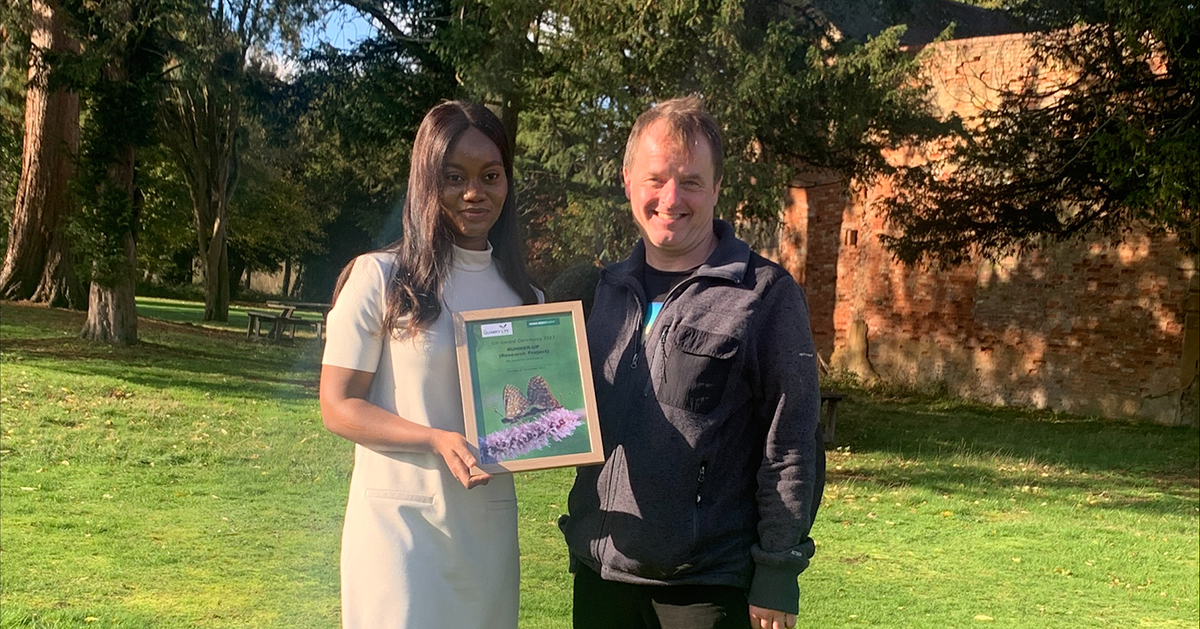
In my study, I evaluated a soil restoration strategy and interpreted its implications on soil biodiversity and carbon sequestration within multiple land uses. This necessitated soil sampling in the sweltering summer heat, laboratory analysis following standard British operating procedures, and statistical analysis of my data. The discussions I had with the quarry manager and personnel to determine the project’s scope were quite enjoyable. I also had the opportunity to work in the labs at Cranfield University, where I learned numerous procedures from the lab technicians, including the analysis of soil phospholipid fatty acids, the assessment of soil microbial biomass by the fumigation-extraction method, and the analysis of soil carbon. Long days in the labs, a lot of reading, and discussions with doctorate and post-doctoral students who were willing to help me reach my goals and objectives were necessary for me to understand new concepts in such a short length of time. After completing my research, I presented my findings to the national and worldwide judges for the Quarry Life Awards, where we were named runners up in the UK’s research stream as well as internationally in the category for nature-based solutions. Going head-to-head with larger teams and industry professionals and still coming in second at both levels is a boost to confidence and evidence that, despite the fact that redirection can be difficult and demanding, perseverance, persistence, and sticking with the process always pay off.
My future goal is to support the growth of sustainable practices in the environmental industry, particularly within the context of developing nations. I intend to build on the platform and abilities Cranfield University has provided me with in order to contribute my fair share to resolving current environmental issues.


Categories & Tags:
Leave a comment on this post:
You might also like…

How do I access the full-text of Harvard Business Review (HBR)?
This is a frequently asked question, and it's worth knowing how to access this key management journal. So, how do you access HBR in full-text? The short answer is via our eJournals finder. You can find ...

Engineering problem to solve? Let Knovel help you find a solution
Did you know that Knovel provides you with more than just eBooks? Knovel is a key database for many engineering, mechanical and materials courses here at Cranfield University, and contains content from an extensive range ...
What happens when female scholars meet influential leaders?
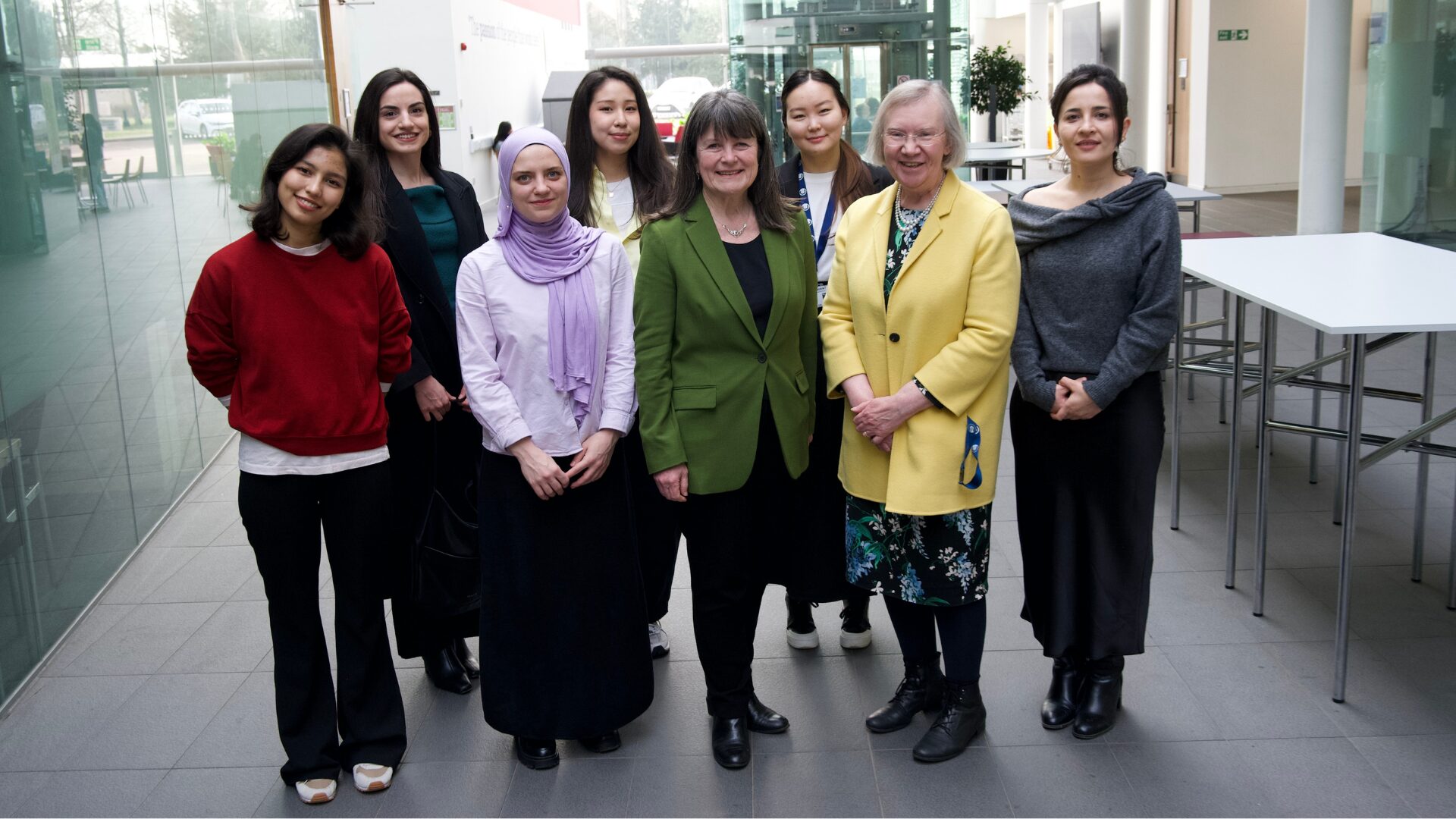
On the 5 March 2026, our British Council Women in STEM Scholars had the privilege of sitting down with two excellent role models of industry and academia: Professor Dame Karen Holford, ...
From MSc to CEO: Igniting a research revolution
For many, a master’s degree is achieving a big milestone. Kilyan Ocampo, Computational Fluid Dynamics alumni shares how studying at Cranfield helped launch his career in the energy sector. Today, Kilyan ...
Commuting, collaborating and growing: My first term experience at Cranfield
My first term at Cranfield University has been an extremely positive and rewarding experience. While the course has been intense at times, it has pushed me in the best possible way and allowed me ...

Sourcing country analysis – a guide to Library sources
For those researching a country, you will find that country information tends to take two forms: Analysis - country reports are descriptive reports covering most areas of interest on a country. They contain an analysis ...