

My Cranfield University story
27/02/2019
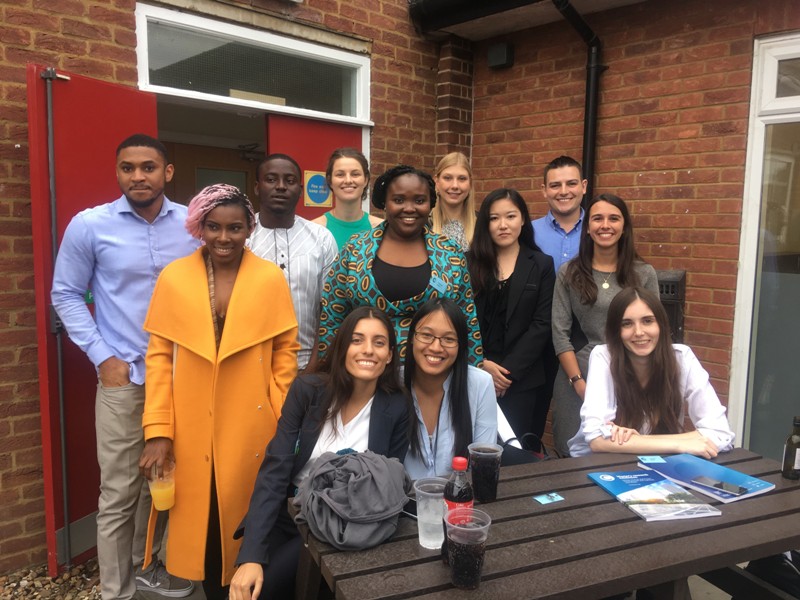
My time at Cranfield University was characterised with a range of multifarious activities. I started my Environmental Engineering MSc in October 2017. My classmates were from different nationalities and with varying academic backgrounds and interests.
My interest in environmental studies became a motivation to further my education in the field and Cranfield University became my preferred choice after close comparison of its curricula against what other UK universities were offering. A key advantage of studying at Cranfield University is the exposure I got from being taught by experts from leading environmental industries. As well as this the career fairs and exhibitions further exposed me to potential employers who, through mock interviews, helped boost my employability index for today’s very competitive labour market.
Classes were quite intensive – spanning up to 8 hours a day, they were competitive and were held for a week per module; with course work handed out at the end of each week. The in-class debates together with group and/or individual presentations added a little competitiveness and made the learning environment more fun. For purposes of practical engagement, we were taken on various excursion trips to several environmental/waste management and treatment facilities. These trips were academically engaging and aided in putting a lot of practical knowledge to the regular classroom work.
The group project phase was challenging, yet thrilling. Our teamwork abilities were tested as we had to work in groups to achieve a common goal regardless of our preferences and individual differences. The individual thesis kicked off right after the group project finished and I had the opportunity of working on another very engaging thesis with my supervisor, Dr. Adriana Encinas-Oropesa and her team. My thesis focused on the designing, building and testing of an energy-efficient biomass stove prototype for a rural community in Mexico. This gave me commensurate access to fabrication labs, work spaces and resources to explore my creative design abilities – a highly commendable approach Cranfield University deploys to encourage creative thinking.
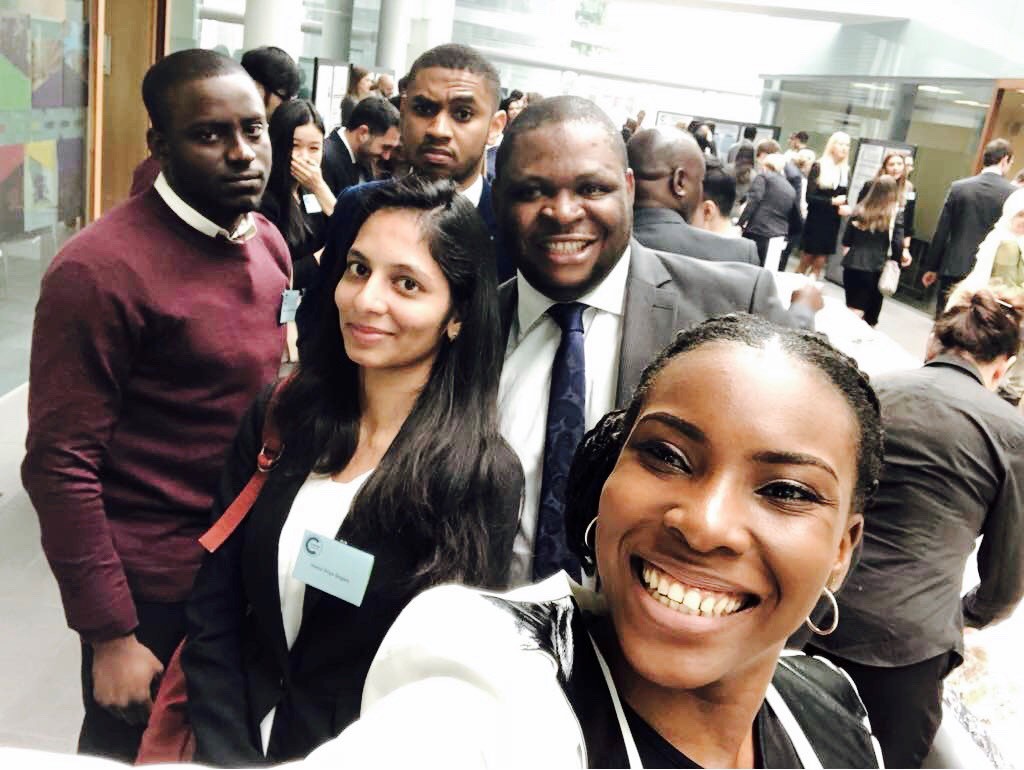
Group project poster presentation day with my group project partners.
Oh, don’t get bored now, we had a social life too. Sporting events, student parties, outdoor BBQ fests, Friday movie nights and video game tournaments, mostly held at the Cranfield Student Association (CSA), were a good way to unwind after a series of tasking academic work. In my opinion, Cranfield University offers a fine blend of academic and social activities, with structured calendars to ensure maximum tutoring within each academic year.
Upon completion of my studies I joined Cranfield University for 2 months as a casual worker which enabled me to participate in the continued desk and lab research of my thesis. During this time, my team and I were able to complete the fabrication and set-up process required to run a pilot-scale test of the newly built biomass stove prototype. I can say that my time at Cranfield University has been really successful and fulfilling and I would highly recommend this institution to any prospective students. My future plans include getting a PhD in Environmental Sustainability with a large focus on rural communities and their everyday practices.

Categories & Tags:
Leave a comment on this post:
You might also like…

Mendeley: a powerful tool to organise and manage your references
Are you looking for a way to manage your references, create in-text citations and reference lists for your assignments or thesis? If so, you may wish to consider using Mendeley. What is it? Mendeley is ...

Keen to develop your study skills?
Alongside the technical skills and academic knowledge that you will gain on your course, as a Cranfield student you have the opportunity to develop a range of other skills that can enhance your learning experience. ...
The V-conomy: powering the sixth wave of global economic growth
The world could be on the verge of a major surge in economic growth and development, driven by the convergence of AI and clean energy technology. Waiting to ride the K-wave The Russian ...

Need help using the Python programming language?
We know some of our students are currently trying to learn Python, so we wanted to make you aware of some great LinkedIn Learning videos that can help. But don't you have to pay for ...
What does it really take to become a Chevening Scholar?
Say “Turkmenistan” to most people and you’ll get a blank look. That was true when I left Ashgabat for the UK to study an MSc in Logistics and Supply Chain Management at Cranfield University ...

Get a head start on referencing and plagiarism
We offer a module on Referencing And Avoiding Plagiarism which you can find on your Canvas dashboard. It explains the role and importance of citing references and how to incorporate the work of other authors ...