

From Sri Lanka to Cranfield: How a Commonwealth Scholarship transformed my environmental engineering journey
29/01/2026
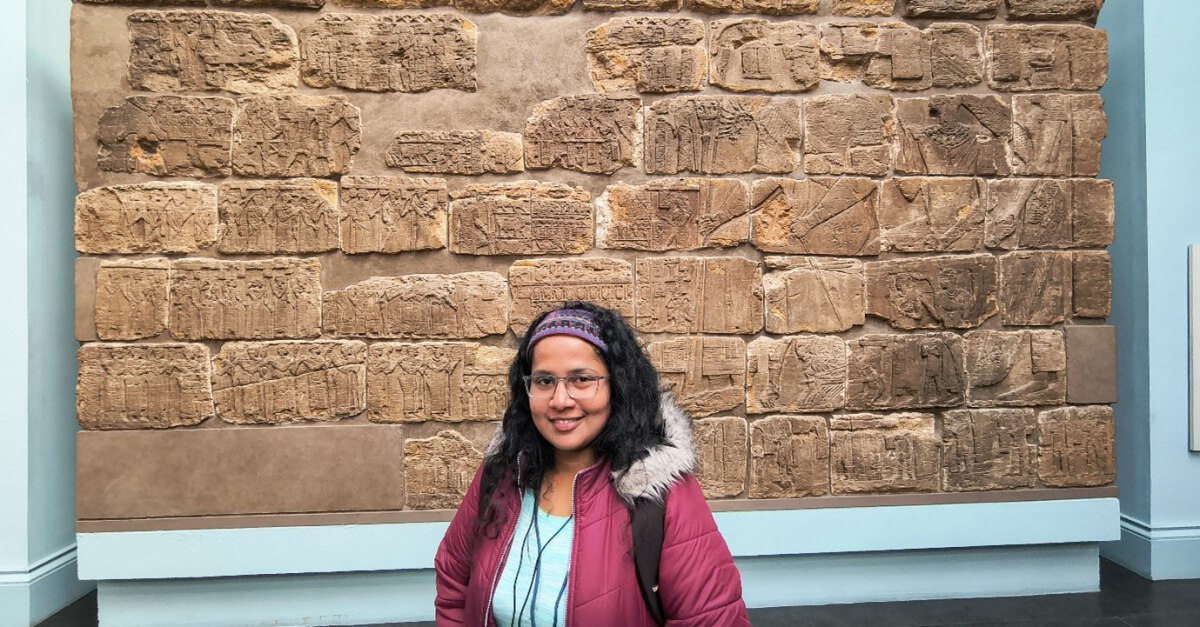
Hi, I’m Kavithanjali Uthayashangar and I’m here to tell you about my journey into environmental engineering. It began with a simple but powerful motivation: a desire to understand how engineering can solve real-world challenges like water scarcity, climate change, and resource management.
Growing up in Sri Lanka, I witnessed first-hand the critical need for evidence-based engineering interventions. Today, as an MSc in Environmental Engineering student I am turning those early aspirations into a professional reality.
Why I chose the MSc in Environmental Engineering
When searching for the right postgraduate programme, Cranfield University immediately stood out for its industry-focused teaching and advanced research facilities. I was looking for a course that balanced technical expertise with practical, real-world application.
The curriculum perfectly aligned with my background in agricultural and environmental engineering, offering diverse career pathways toward becoming an Environmental Scientist, Environmental Engineer, or Environmental Project Manager. What truly convinced me was the course emphasis on environmental systems and its reputation for producing graduates ready for the professional world.
“Studying this programme at Cranfield will equip me with the expertise needed to contribute meaningfully to sustainable environmental solutions, particularly in developing contexts like Sri Lanka, where evidence-based engineering interventions are critically needed.”
Redefining my experience: The Commonwealth Shared Scholarship
Pursuing a degree in the UK as a self-funded student was financially impossible for me. Coming from a middle-class background and having completed my undergraduate studies at Eastern University, Sri Lanka, the Commonwealth Shared Scholarship was the bridge that turned an “unreachable” dream into a reality.
This scholarship is far more than just financial aid; it is a prestigious recognition that allows me to represent my nation on an international stage. It provides:
- Financial stability
- Global networking
- Future planning
Life on campus and preparing for the real world
My experience of studying in the UK, and in particular at Cranfield University, has been truly transformative. Initially, I felt challenged by the high expectations and the feedback I received, which was different from my experience in my home country. However, I soon realised that this rigorous approach is designed to mould and enhance students’ skills.
At Cranfield, the focus on achieving the best outcomes for students is evident in the detailed feedback from module leads, lecturers, and academic writing tutors, which has polished my academic style, refined my approach to assignments, and strengthened my research and critical thinking skills. Overall, studying here has not only improved my technical knowledge but also enhanced my personal growth and professional development, making Cranfield an ideal environment for advancing both wisdom and capability.
Studying on the campus is a transformative experience. It teaches you to have the “Cranfield mindset” which is finding solutions that look perfect on paper but must also be adaptable to work in practice.
On a typical day, you can find me deep in research or enjoying the serene, naturally beautiful campus. When I need a mental reset, I take walks around what I call a “healing paradise” to regain my focus. I even run a YouTube channel where I share short videos of life around campus, capturing the beauty and calm of the surrounding environment.
My future aspirations and advice to you
My ultimate goal is to become an Atmospheric Scientist. Thanks to Cranfield, I am currently working with a thesis tutor specialising in atmospheric science, allowing me to bridge the gap between my undergraduate studies and my career dreams.
To those considering this path: Stay curious and proactive. Real-world environmental problems require a mix of technical knowledge and creativity. Don’t be afraid of challenges or feedback—they are the tools that mould you into a better engineer.
Be prepared to face challenges and learn from feedback, as it is through these experiences that your skills and confidence grow. Additionally, seek guidance from mentors, collaborate with peers, and explore interdisciplinary areas such as atmospheric science, water resources, or sustainability. Most importantly, remain passionate about making a positive impact on the environment and society, as this will drive both your academic and professional success.


Categories & Tags:
Leave a comment on this post:
You might also like…
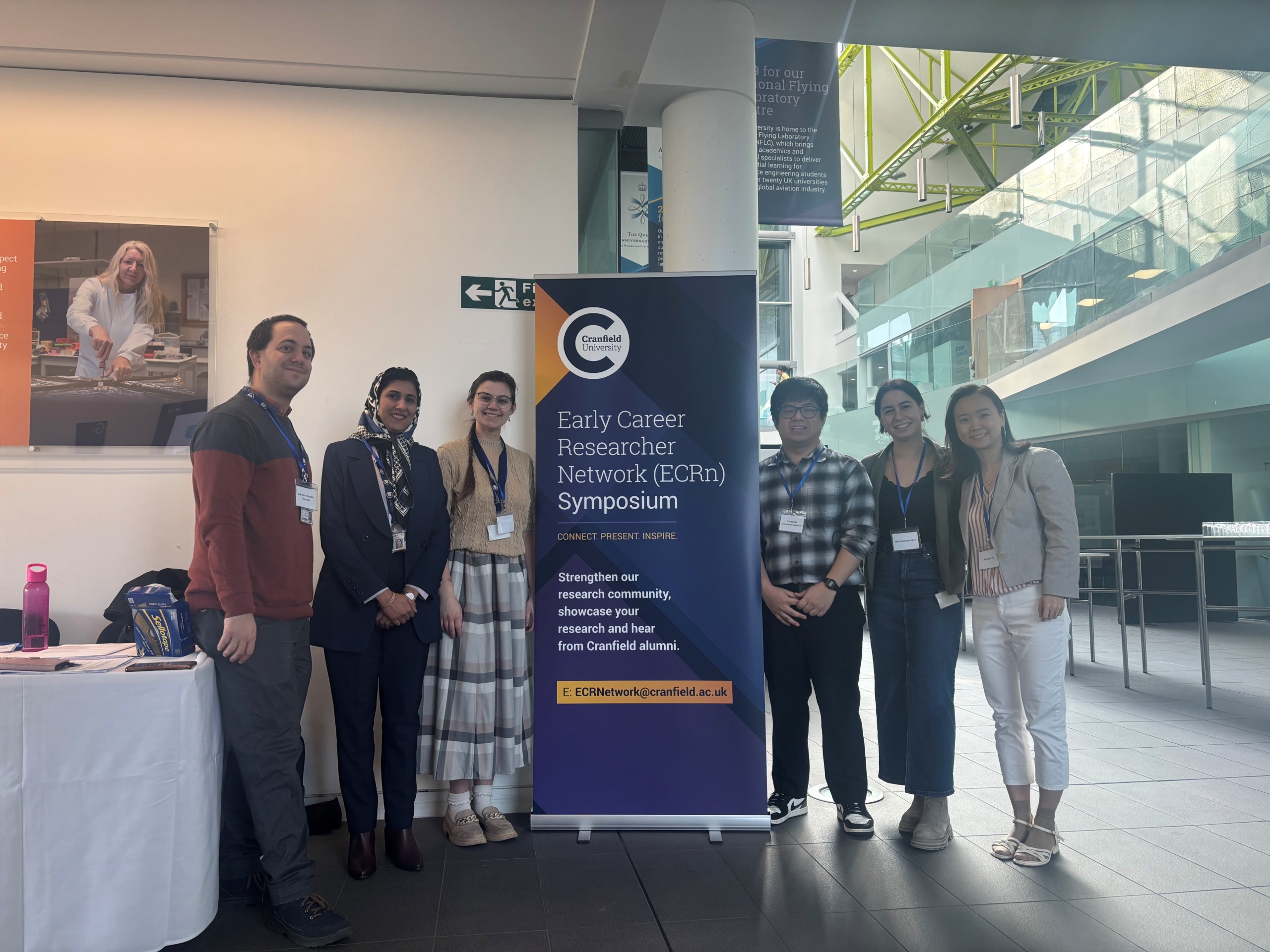
Building more than research: Reflections from the ECRn Symposium 2026
There’s something quietly powerful about a room full of early career researchers. Not just the ideas, although there were plenty of those—but the conversations, the curiosity, and the sense that everyone is figuring things ...
Library services over Easter, 3-6 April
Kings Norton Library will remain open for study 24/7. You will need your University ID card to enter the building and can use the self-service machines to borrow and return items as usual. Barrington Library ...

How do I access the full-text of Harvard Business Review (HBR)?
This is a frequently asked question, and it's worth knowing how to access this key management journal. So, how do you access HBR in full-text? The short answer is via our eJournals finder. You can find ...

Engineering problem to solve? Let Knovel help you find a solution
Did you know that Knovel provides you with more than just eBooks? Knovel is a key database for many engineering, mechanical and materials courses here at Cranfield University, and contains content from an extensive range ...
What happens when female scholars meet influential leaders?
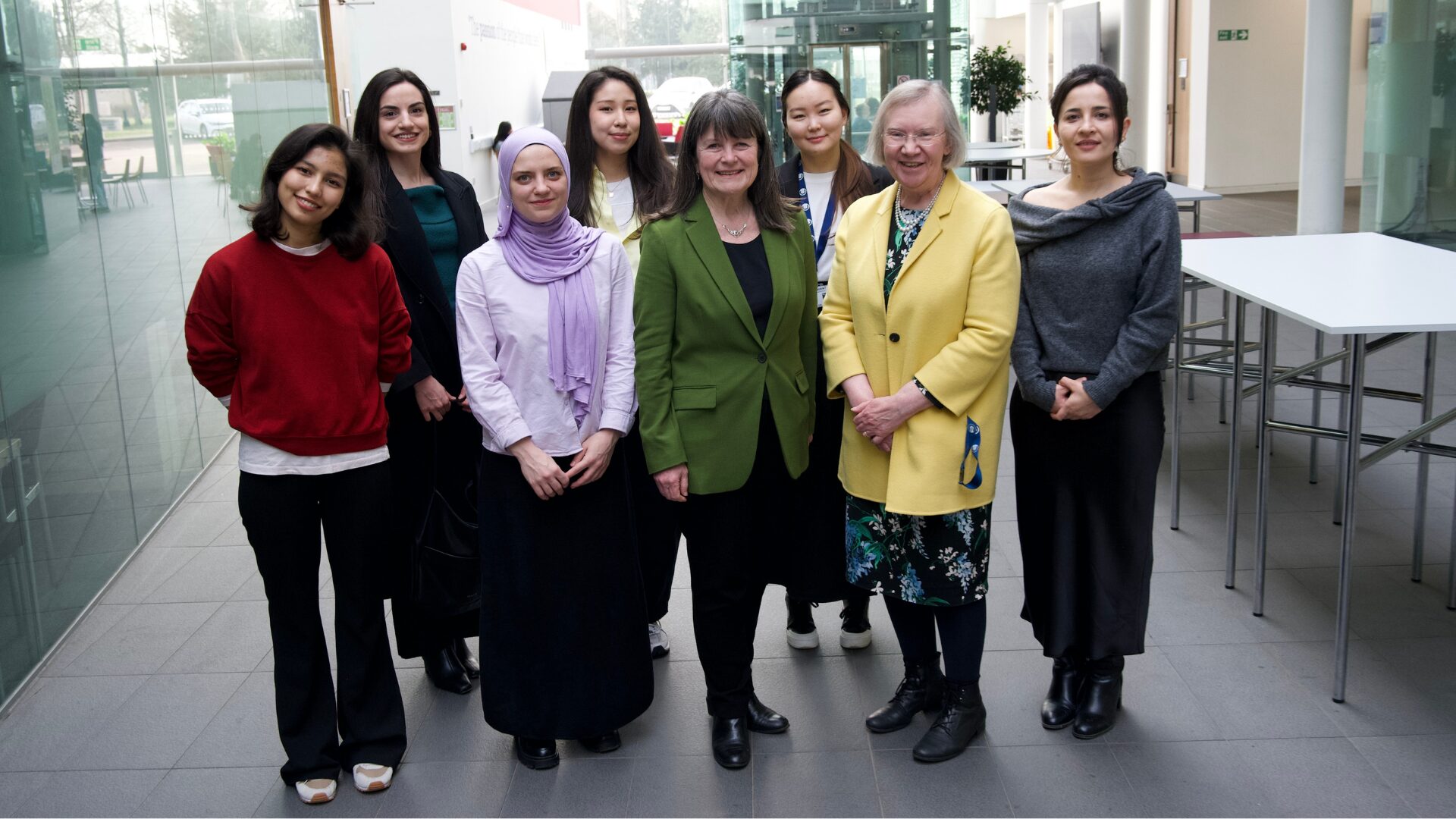
On the 5 March 2026, our British Council Women in STEM Scholars had the privilege of sitting down with two excellent role models of industry and academia: Professor Dame Karen Holford, ...
From MSc to CEO: Igniting a research revolution
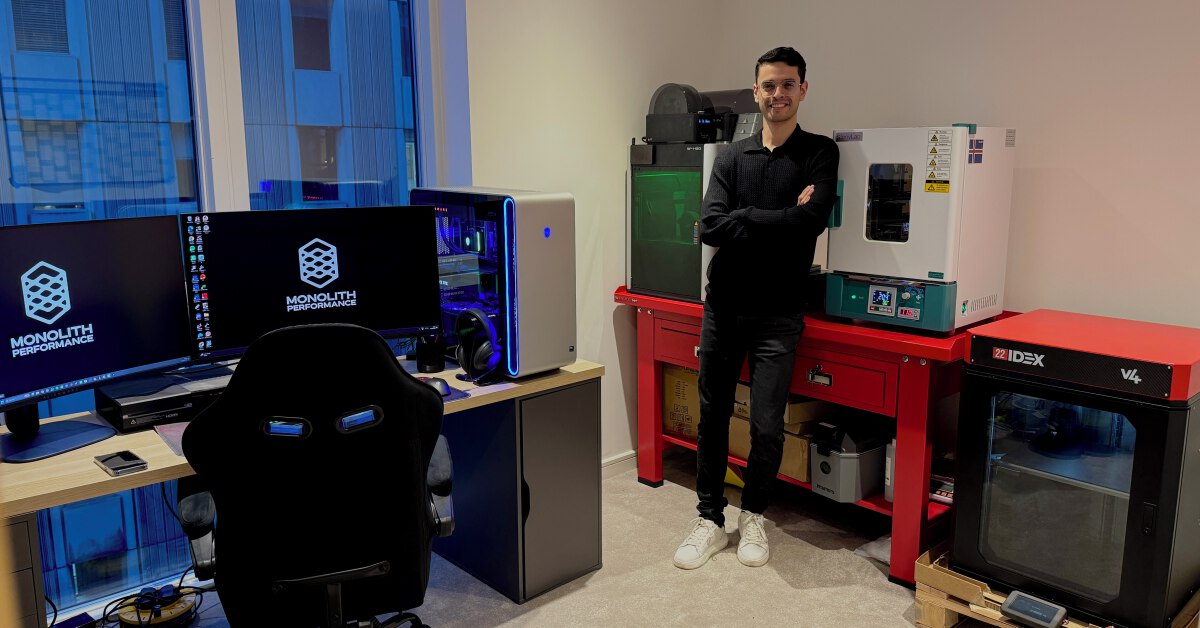
For many, a master’s degree is achieving a big milestone. Kilyan Ocampo, Computational Fluid Dynamics alumni shares how studying at Cranfield helped launch his career in the energy sector. Today, Kilyan ...
Comments are closed.