

My first ever module at Cranfield: Environmental Risks
15/11/2018
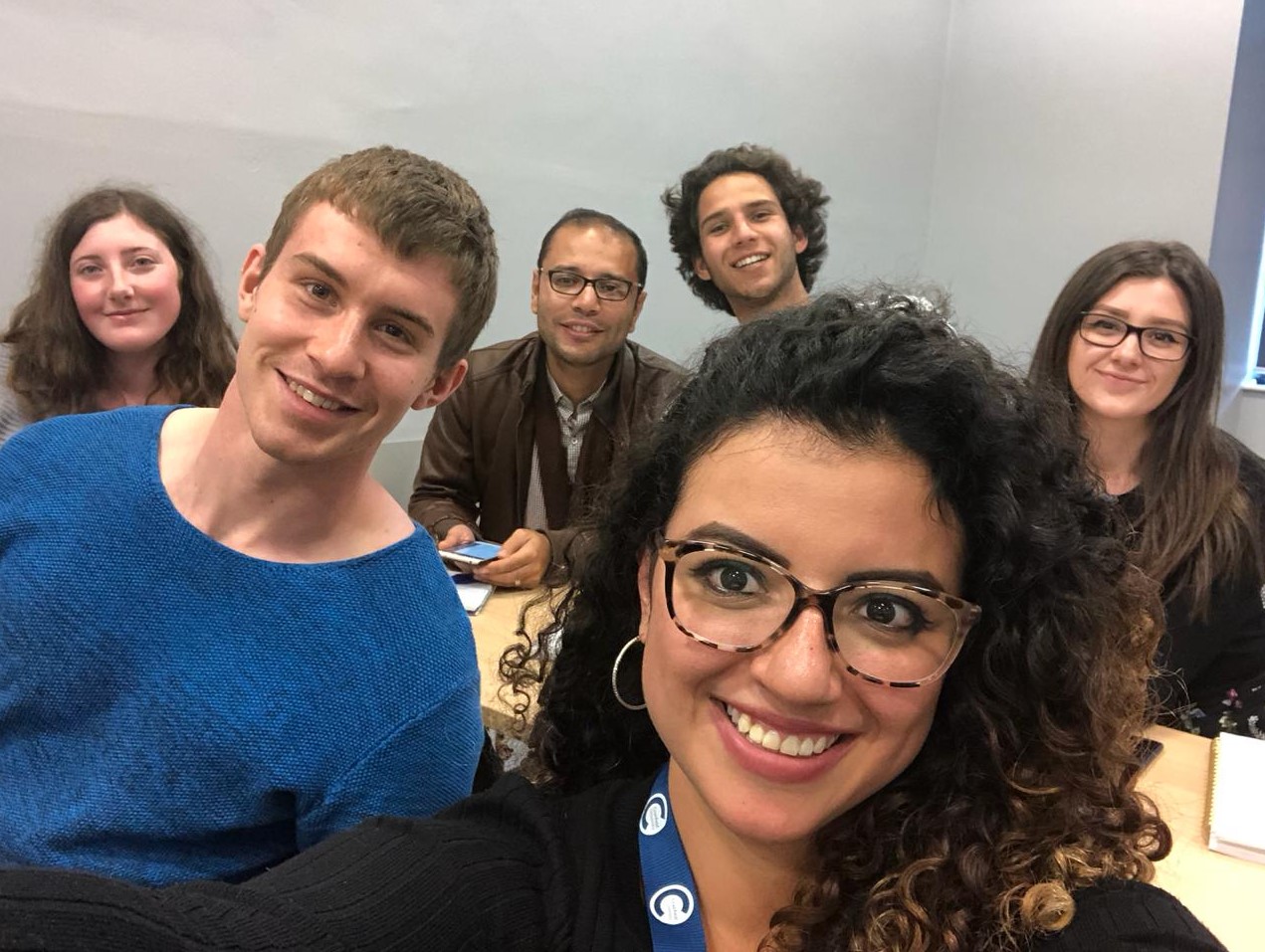
After welcome week provided a safety net to settle in, make friends and get accustomed to structured days again it was time for the real work to start. I am studying the Environmental Engineering MSc and although day one covered background and foundational knowledge, the activities of the day enabled us to get to know our course mates better. I felt this was a crucial strategy, especially for activities later in the week, giving everyone a bit of confidence to be able to speak up, contribute to discussions, and challenge opinions. I feel that Friday’s group project, the creation of a group risk assessment, would not have been half as effective without this. In brief, the task was to evaluate the social and environmental risks of a new development brought to a hypothetical island, where conceptual models, risk magnitude and recommendations were created.
Teaching Style
Simon Jude and Tim Farewell were such charismatic lecturers – making the 9am to 5pm days not so gruelling. The assortment of lectures, group activities and class team work not only kept the brain stimulated but aided with understanding of concepts such as systems interactions and complex hazards. In addition to this, I always felt I could approach both lecturers with ease. One aspect I thought was particularly interesting was how risk was applied and involved in both Tim and Simon’s careers. Gaining an insight into what they’ve done, whether it be pipe failures for Tim or marine renewables for Simon – their experience applied context to the theory. Seeing its application is something my previous course lacked. I feel this enabled me to increasingly think outside the box.
Regarding Friday’s task, I really liked that we had the opportunity to be interviewed. Again, it’s not confining our learning to what’s directly put in front of us but looking at the whole system. The feedback given in a light hearted and entertaining manner was again just a reflection on the personalities of Tim and Simon. Although a very stressful day (even with the addition of Simon’s stress toys), it was great to gain an insight as to how people work – the reward of winning made it all worthwhile!
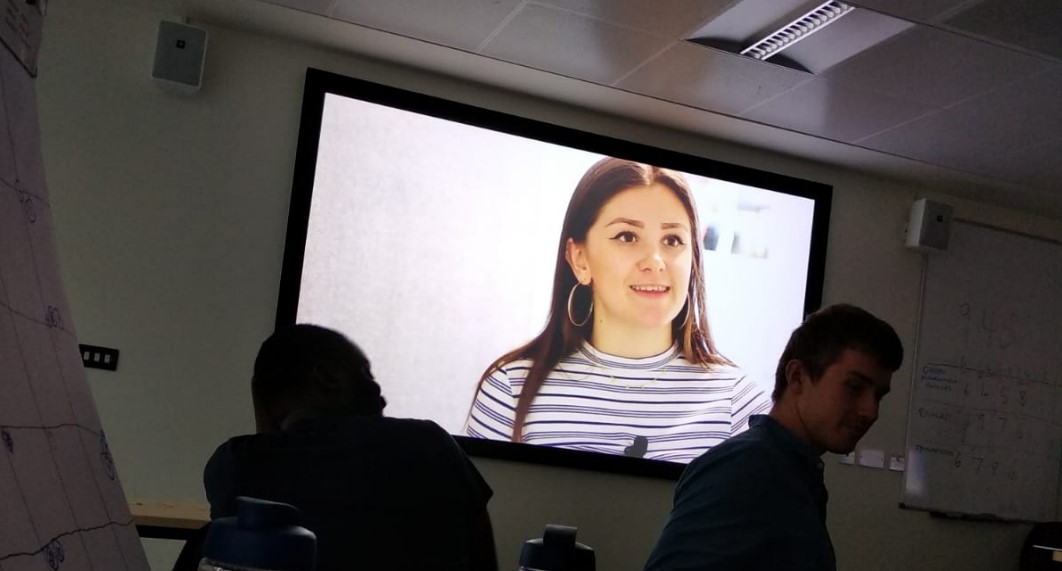
‘Press interviews’ conducted as a part of the group project.
Content
The probability and Monte Carlo Simulation lectures I feel were a really great addition to this course. Having exposure to such software and having experience of its application is not only a skill gained, but one I now have awareness of – particularly crucial when thinking about planning my thesis.
Friday’s task, and the assignment of creating a risk assessment was inevitable – but the way it was conducted made the most out of gaining new skills. The task of critically analysing previous risk assessments, such as the Manchester Airport Group, I feel was extremely beneficial to gain commercial awareness. Going through the whole process of a risk assessment together was great to challenge ideas, and the following week having to do one by myself tested my independent learning and how well I could listen to the feedback.
Summary
Overall, I feel this module gave me a wealth full of skills: risk knowledge, public speaking, interview techniques and communication in a diverse group. Applying for grad jobs as we speak, many jobs are asking for knowledge of risk assessments, and consequently, I am so pleased to have taken this module. This positive experience was just an extension of my feelings of my first few weeks at Cranfield.

Categories & Tags:
Leave a comment on this post:
You might also like…
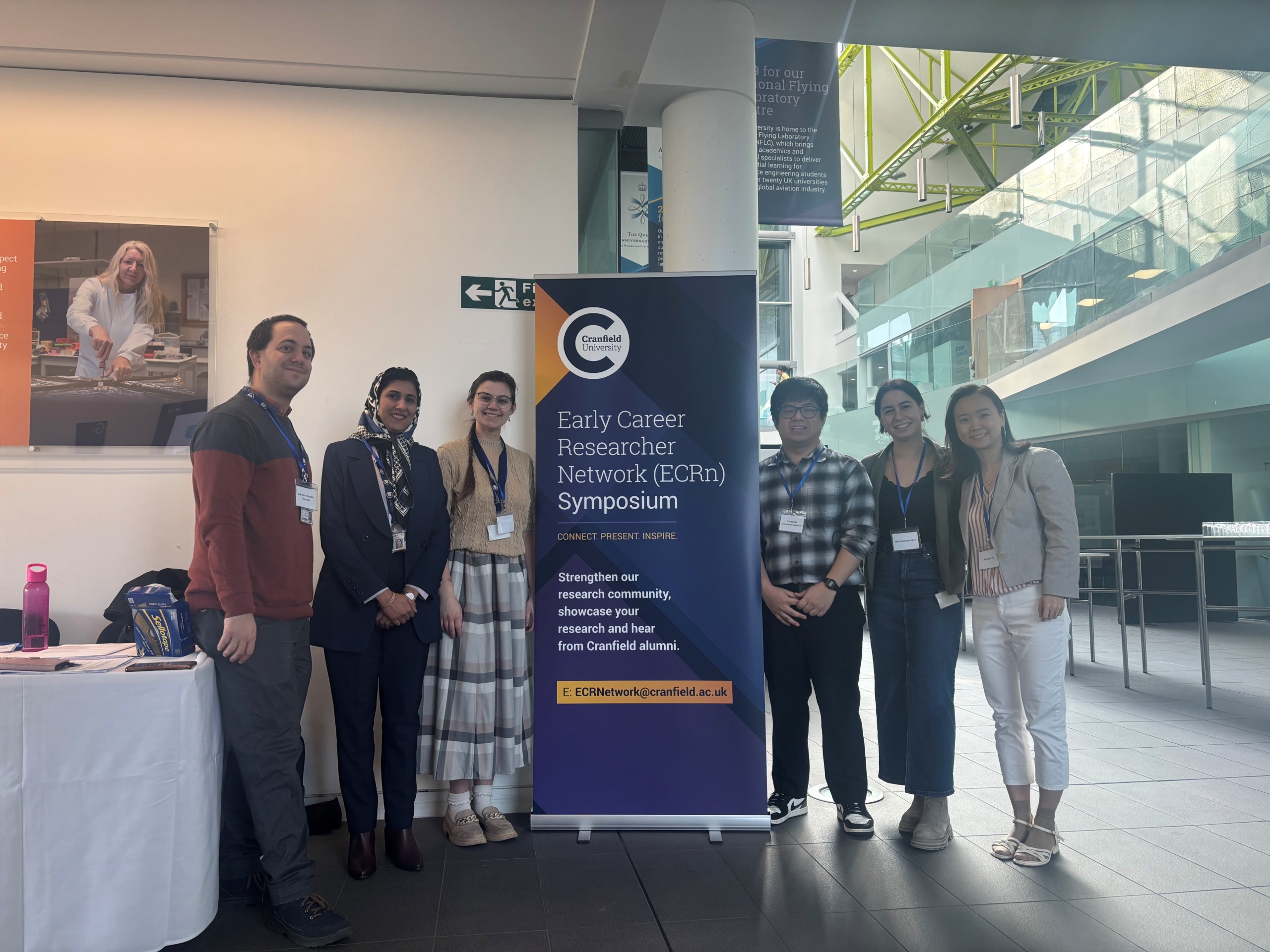
Building more than research: Reflections from the ECRn Symposium 2026
There’s something quietly powerful about a room full of early career researchers. Not just the ideas, although there were plenty of those—but the conversations, the curiosity, and the sense that everyone is figuring things ...

Library services over Easter, 3-6 April
Kings Norton Library will remain open for study 24/7. You will need your University ID card to enter the building and can use the self-service machines to borrow and return items as usual. Barrington Library ...

How do I access the full-text of Harvard Business Review (HBR)?
This is a frequently asked question, and it's worth knowing how to access this key management journal. So, how do you access HBR in full-text? The short answer is via our eJournals finder. You can find ...

Engineering problem to solve? Let Knovel help you find a solution
Did you know that Knovel provides you with more than just eBooks? Knovel is a key database for many engineering, mechanical and materials courses here at Cranfield University, and contains content from an extensive range ...
What happens when female scholars meet influential leaders?
On the 5 March 2026, our British Council Women in STEM Scholars had the privilege of sitting down with two excellent role models of industry and academia: Professor Dame Karen Holford, ...
From MSc to CEO: Igniting a research revolution
For many, a master’s degree is achieving a big milestone. Kilyan Ocampo, Computational Fluid Dynamics alumni shares how studying at Cranfield helped launch his career in the energy sector. Today, Kilyan ...