


From Ecologist to Environmental Manager
01/11/2018

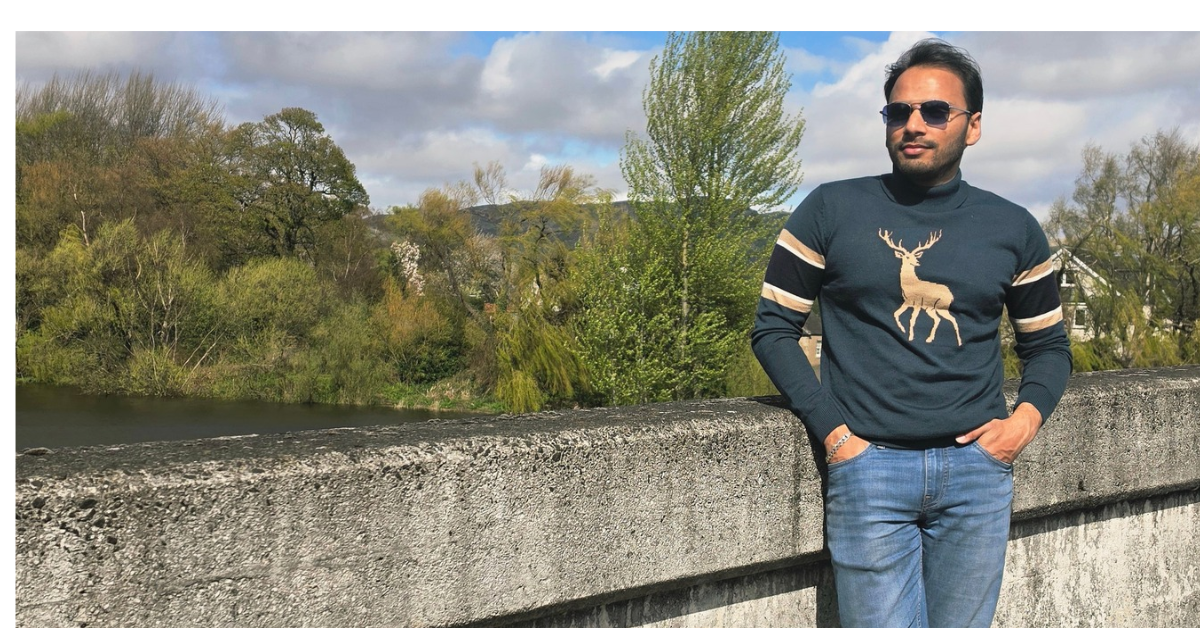
For the past five years, I’ve been training as an ecologist and had some fantastic adventures (like feeding Baraka – picture above!). However, last summer I decided it was time to leave the ecologist world to my esteemed colleagues that have it covered and enter the business side of the world. As they would say – I have defected to the “enemy”.
Changing tack was a scary prospect, I didn’t know whether I’d be able to keep up with the business world, whether I’d fit in or whether I’d be passionate about my new career! However, starting the Environmental Management for Business MSc and my first module (Principles of Sustainability), I realised I made the perfect decision. I wasn’t the odd one out. Within my class, there’s a wide range of backgrounds from chemical engineers to management students. Once we started discussing sustainability, I realised though we had all come from different backgrounds, we all believed in the same concept: we can make a positive difference to the environment.
Something I’ve learnt over my time (and I think it can be very easy to forget) as an ecologist, is that my changes alone are nothing without the work and support from other disciplines. We, as ecologists, cannot save the world alone. We need marketing teams to effectively spread the message, politicians to listen and govern the country and sociologists to help implement changes to society effectively. We may be different in our talents, skills and passions but we all belong to one planet. We all have the same common goal and I think that’s evident at Cranfield University.
What I’ve learnt in my first two weeks here is don’t look at where someone’s come from but look to where they are going. Look at what they want to achieve and whether they align with yours. If they don’t, remember this is not an issue. Discuss and explore. Listen and learn. Grow as an individual, as a society and as a planet.

Categories & Tags:
Leave a comment on this post:
You might also like…

Moving to the UK to study? How to plan for banking, exchange rates and transfers
Currency and banking are two of the most practical parts of financial planning for international students. They are also often the most overlooked. We asked Dr Lakshmy Subramanian, Course Director for Cranfield University's Banking, ...

Cranfield: an environment where innovation thrives
The latest Knowledge Exchange Framework rankings from UK Research and Innovation (UKRI) gives an insight into the real and meaningful impact that UK universities have. The seven categories that make up KEF6 cover everything ...
How Cranfield accelerated my career in Logistics and Supply Chain Management
After graduating from the MSc in Logistics and Supply Chain Management at Cranfield University, I've been reflecting on the experiences that made my journey so valuable and the impact it has had on my ...
Mendeley: a powerful tool to organise and manage your references
Are you looking for a way to manage your references, create in-text citations and reference lists for your assignments or thesis? If so, you may wish to consider using Mendeley. What is it? Mendeley is ...

Keen to develop your study skills?
Alongside the technical skills and academic knowledge that you will gain on your course, as a Cranfield student you have the opportunity to develop a range of other skills that can enhance your learning experience. ...

The V-conomy: powering the sixth wave of global economic growth
The world could be on the verge of a major surge in economic growth and development, driven by the convergence of AI and clean energy technology. Waiting to ride the K-wave The Russian ...