


Cranfield Diaries: My group project experience
24/05/2019
I have a BSc in commercial aviation, and I am currently studying a MSc in Geographical Information Management at Cranfield. Part of our course is taking part in a group project. I was ready for this, eager to dip into something new and exciting! Which is why when I saw the project sponsored by the SidaTim project, I went straight for it.
So, a little background: as a group we are tasked to analyse the financial, environmental and social impacts of Sida Hermaphrodita and Silphium Perfoliatum, two novel bioenergy crops (commonly known as Virginia mallow and cup plants), in collaboration with five other research partners around Europe: Federal Agency of Agriculture and Food (BLE) in Germany as sponsors, University of Freiburg and the 3N Centre of Experts as coordinators, while other partners include West Pomeranian University of Technology Szczecin in Poland, the Council for Agricultural Research and Economics and the Institute of Agro-environmental and Forest Biology in Italy, and us, Cranfield University in the UK. In brief, the entire project is divided into two working sections, and seven work packages, where we were tasked with three of them – and our supervisor, being a part of the core team, has regular contact with the rest of the project partners.
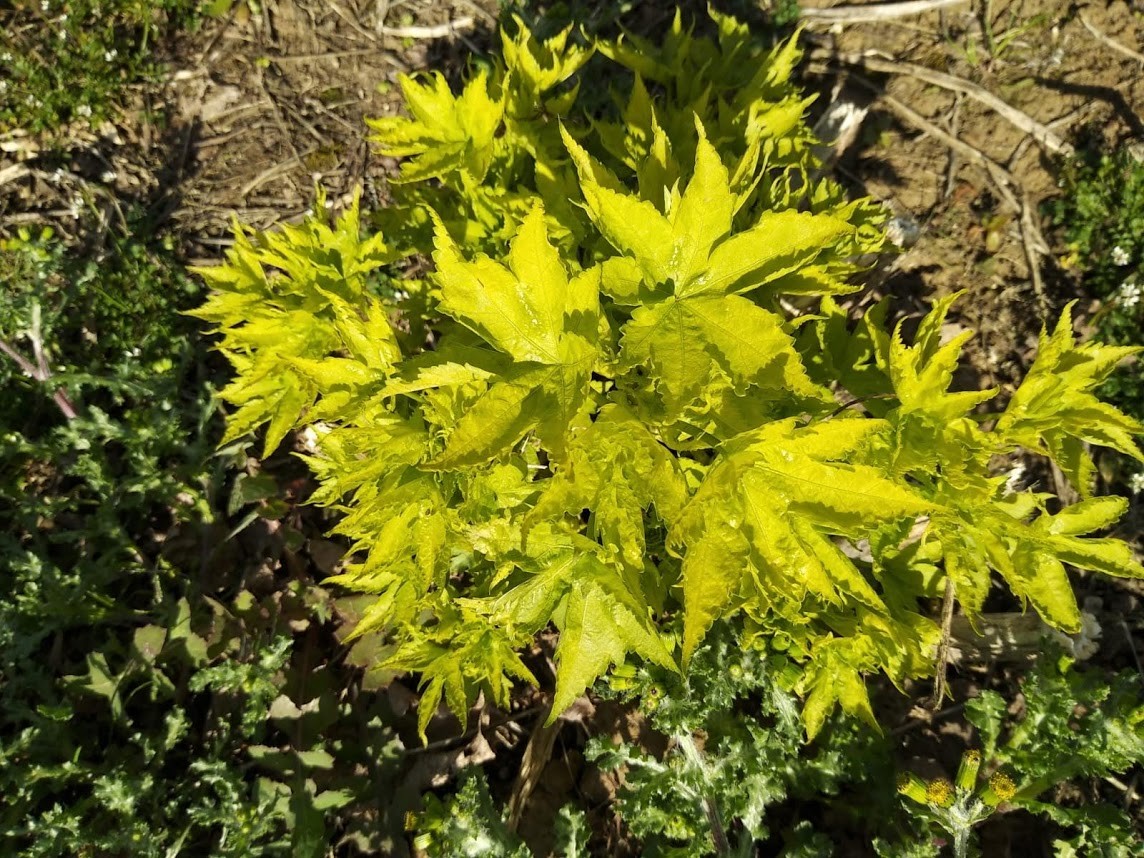
Halfway through the project, as we are knee deep into building models, maps, interviews and research questions, our supervisor Dr Anil Graves arranged a trip to the test site of Virginia mallow and cup plant cultivation, this gave us the opportunity to visit the experiment site in Silsoe. We saw first-hand the layout, process and results of the different strands of Sida and Silphium seed and seedlings, giving us more exposure into the characteristics of these perennial plants that we have been doing our paper on.
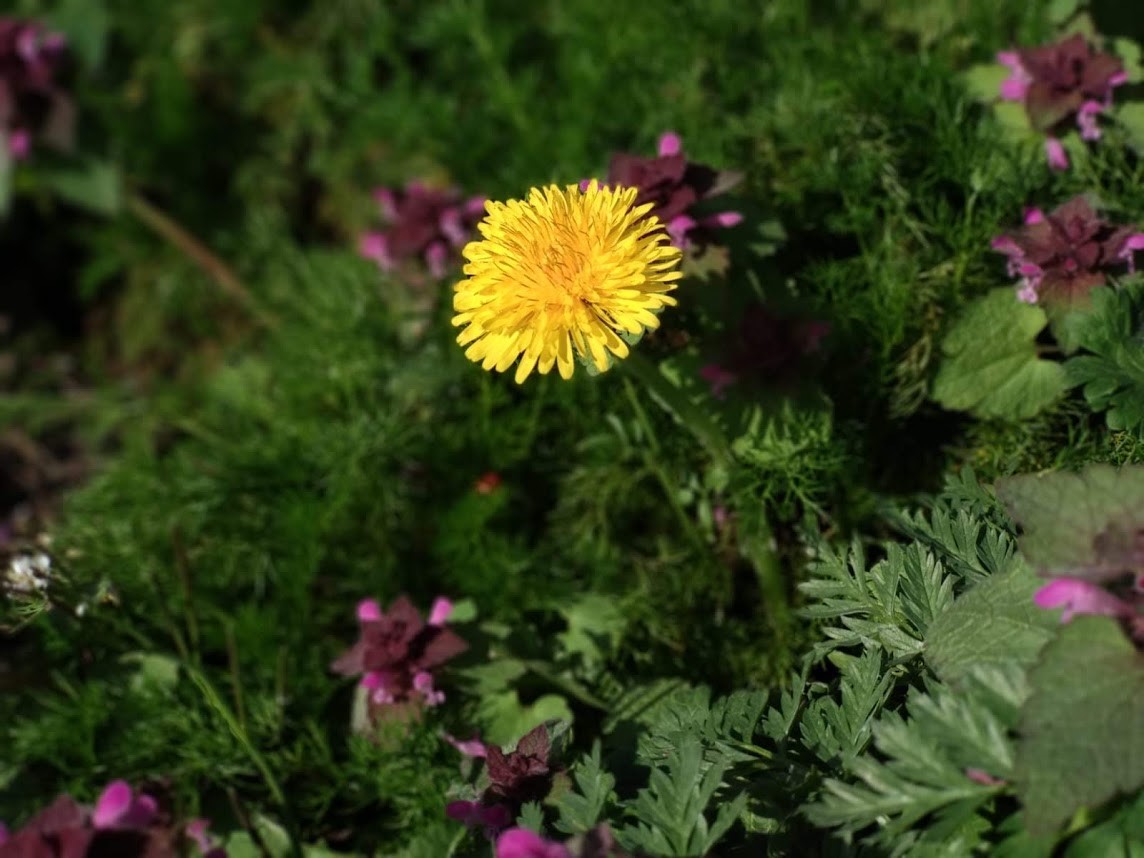
It was really interesting to see how different methodologies affect the growth of these different bioenergy plants, and being perennial, you could see the growth of new shoots in several part of the layouts. Therefore, we couldn’t see any flowers (yet), interestingly enough, offshoot growth of spring flowers like dandelions and nettles, which were plenty. There we have it, a day in the busy schedule of MSc students, it was a breath of fresh (spring) air. This is one of the several trips we have gone on during my Geographical Information Management MSc, it allows us to go out and gain experience in the field, while having a bit of fun as well.

Categories & Tags:
Leave a comment on this post:
You might also like…

Keen to develop your study skills?
Alongside the technical skills and academic knowledge that you will gain on your course, as a Cranfield student you have the opportunity to develop a range of other skills that can enhance your learning experience. ...
The V-conomy: powering the sixth wave of global economic growth
The world could be on the verge of a major surge in economic growth and development, driven by the convergence of AI and clean energy technology. Waiting to ride the K-wave The Russian ...

Need help using the Python programming language?
We know some of our students are currently trying to learn Python, so we wanted to make you aware of some great LinkedIn Learning videos that can help. But don't you have to pay for ...

What does it really take to become a Chevening Scholar?
Say “Turkmenistan” to most people and you’ll get a blank look. That was true when I left Ashgabat for the UK to study an MSc in Logistics and Supply Chain Management at Cranfield University ...

Get a head start on referencing and plagiarism
We offer a module on Referencing And Avoiding Plagiarism which you can find on your Canvas dashboard. It explains the role and importance of citing references and how to incorporate the work of other authors ...
How Cranfield shaped my journey as an Aerospace Engineer
If I'm being specific about the moment it clicked, it was reading a paper called "On the Role and Challenges of Computational Fluid Dynamics (CFD) in the Aerospace Industry" by two Boeing engineers, P. ...