


Testimony of my daily student life during the pandemic
21/07/2020
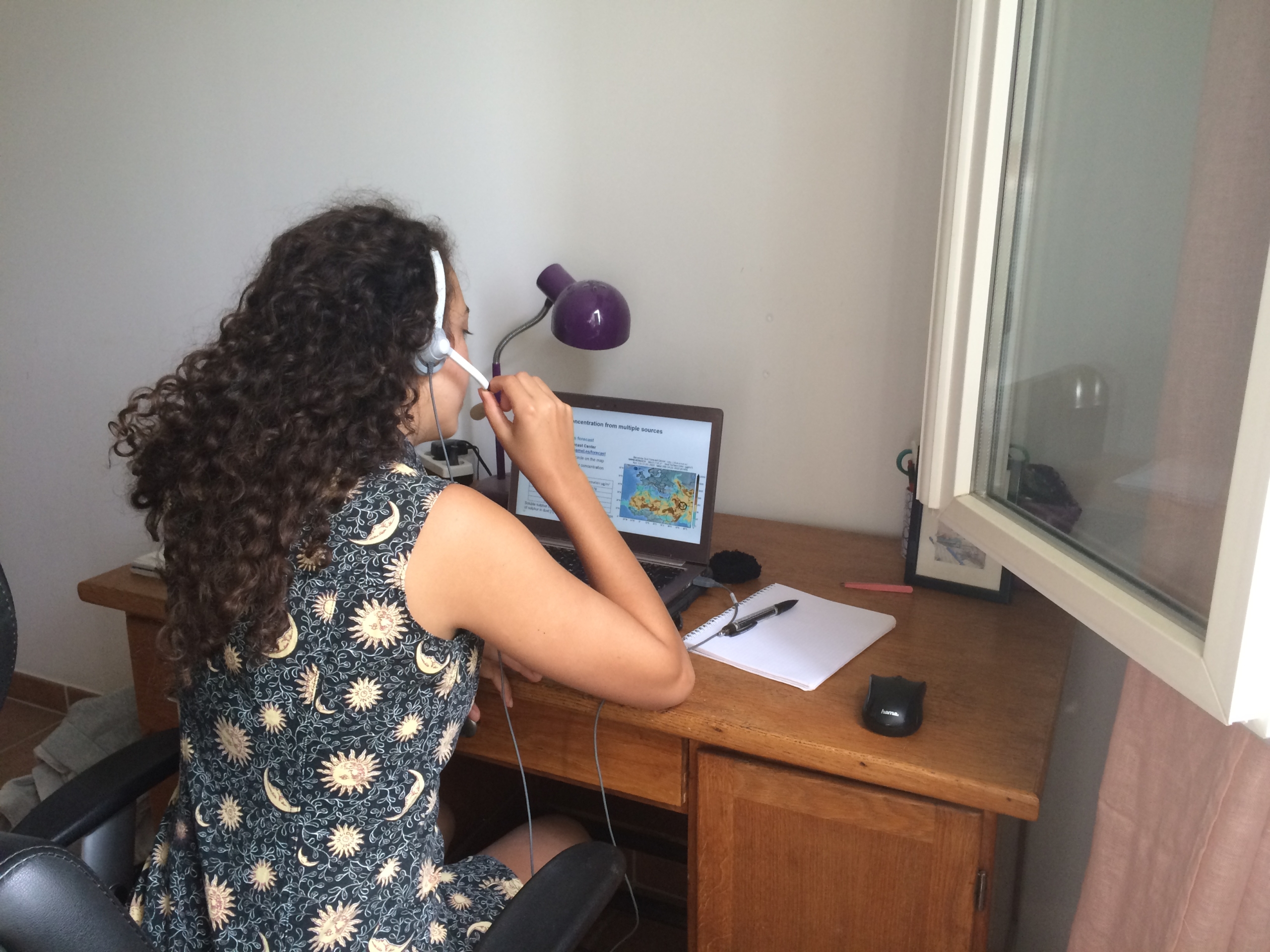
As a part of my MSc in Advanced Mechanical Engineering at Cranfield University, I have to carry out a group project and an individual project. Due to the Covid-19 pandemic face to face meetings stopped around half way through the group project. Pursuing the group work remotely was very challenging for many reasons, even if I did not have to modify the project to fit with remote work requirement. For example, my home computer is not particularly powerful, and as a group we don’t all have the same skills in software which makes things even harder and finally, it was sometimes difficult to understand my peers and make sure I am understood by them when we have online meetings. I spent this last month of group project working remotely and little by little, I got used to this. In addition, the transition between the face to face work and the remote work was very sudden, I believe no one was ready for that.
The pandemic situation is difficult to handle. It may have put many people in trouble for many reasons. The most challenging for me was to find the motivation to work. In fact, when I had the possibility to work at the facilities on campus, I had a clear break between work time and leisure time. Now -especially at the beginning- I could either work about 2 hours in a day or I could work until very late. In addition, it was the occasion for me to realise I was placing too much importance on planning the close future. This situation stressed me out, as I had a lot of concerns regarding the upcoming events, with no answers at this time. Will I come back in Cranfield one day? What will be my individual project (at the beginning, my project was supposed to be laboratory based)? Will I be able to graduate under these circumstances? This situation obviously makes me sad because I know I missed a lot of opportunities to travel in UK, to keep making progress in English by practicing it every day or to meet new students. Finally, I have been to stay in UK only 6 months instead of 12 as expected.
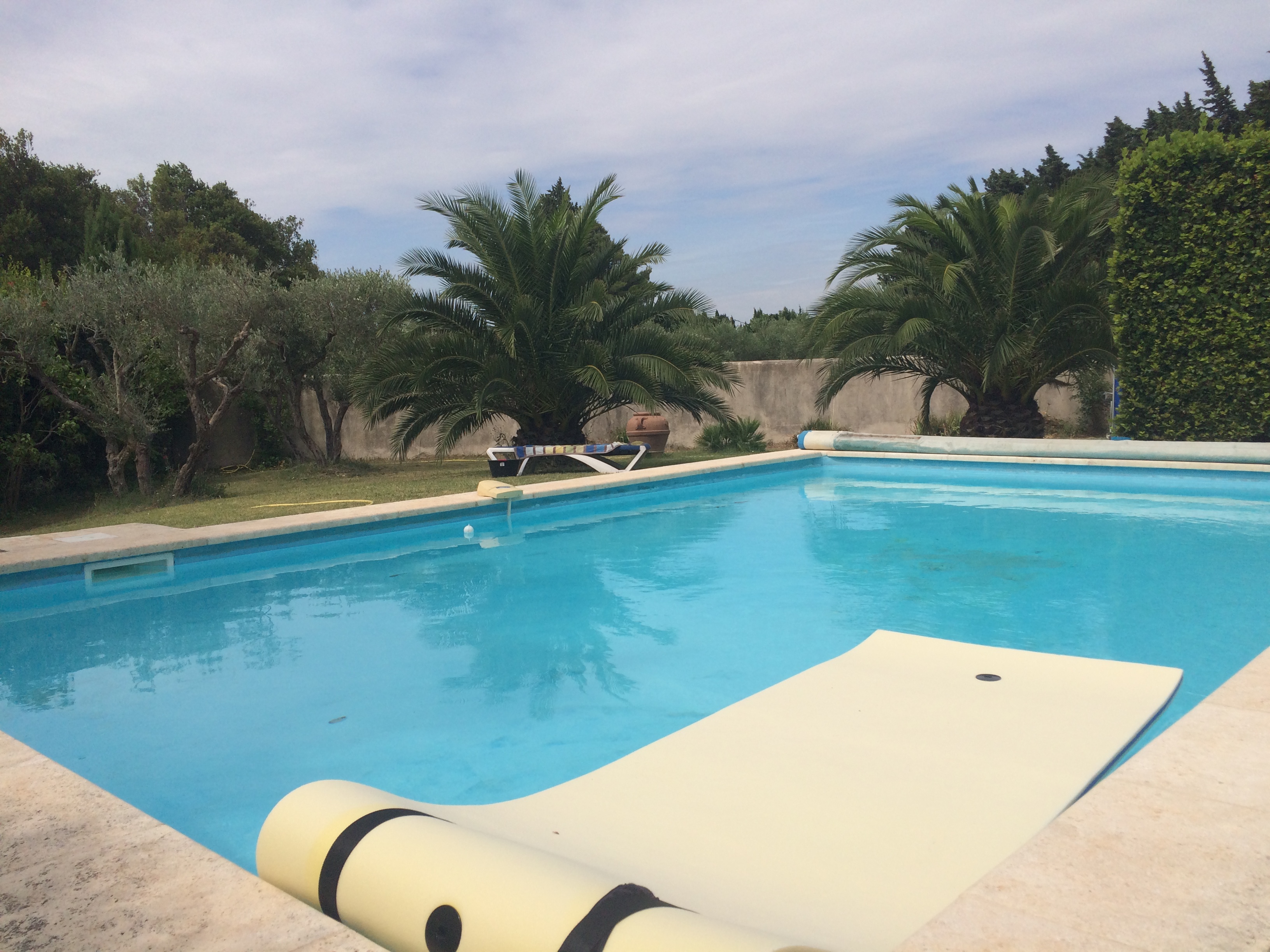

Thankfully, jumping into the individual project (master thesis) was much easier than I thought. In fact, I was already used to the way of working remotely and started to be very familiar with the research projects in general thanks to the group project. The individual project includes a lot of autonomous work, that is why it is essential for me to keep in touch with tutors, and with people in general. Otherwise, it can be easy to be lost in a mountain of

Things to do, and to become insane. I have the chance to keep a lot of contacts with my tutors, which are very supportive and helpful. To end up with a final positive touch, in addition to the increase of my autonomy, my knowledge on my field, my organisation skills, this exceptional period is a good opportunity for me to improve my written work and communication and my adaptability/resilience.


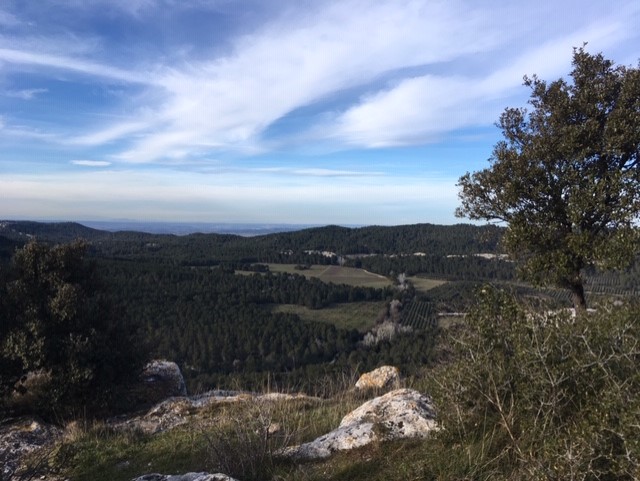
I hope to be able to return to Cranfield and meet up with my tutors and fellow students and maybe visit some of the places I’d hoped to see when I was there.

Categories & Tags:
Leave a comment on this post:
Comments are closed.
You might also like…

Moving to the UK to study? How to plan for banking, exchange rates and transfers
Currency and banking are two of the most practical parts of financial planning for international students. They are also often the most overlooked. We asked Dr Lakshmy Subramanian, Course Director for Cranfield University's Banking, ...
Cranfield: an environment where innovation thrives
The latest Knowledge Exchange Framework rankings from UK Research and Innovation (UKRI) gives an insight into the real and meaningful impact that UK universities have. The seven categories that make up KEF6 cover everything ...
How Cranfield accelerated my career in Logistics and Supply Chain Management
After graduating from the MSc in Logistics and Supply Chain Management at Cranfield University, I've been reflecting on the experiences that made my journey so valuable and the impact it has had on my ...

Mendeley: a powerful tool to organise and manage your references
Are you looking for a way to manage your references, create in-text citations and reference lists for your assignments or thesis? If so, you may wish to consider using Mendeley. What is it? Mendeley is ...
Keen to develop your study skills?
Alongside the technical skills and academic knowledge that you will gain on your course, as a Cranfield student you have the opportunity to develop a range of other skills that can enhance your learning experience. ...
The V-conomy: powering the sixth wave of global economic growth
The world could be on the verge of a major surge in economic growth and development, driven by the convergence of AI and clean energy technology. Waiting to ride the K-wave The Russian ...
brilliant