

PhD researcher at the IF Oxford Science and Ideas Festival
16/04/2024
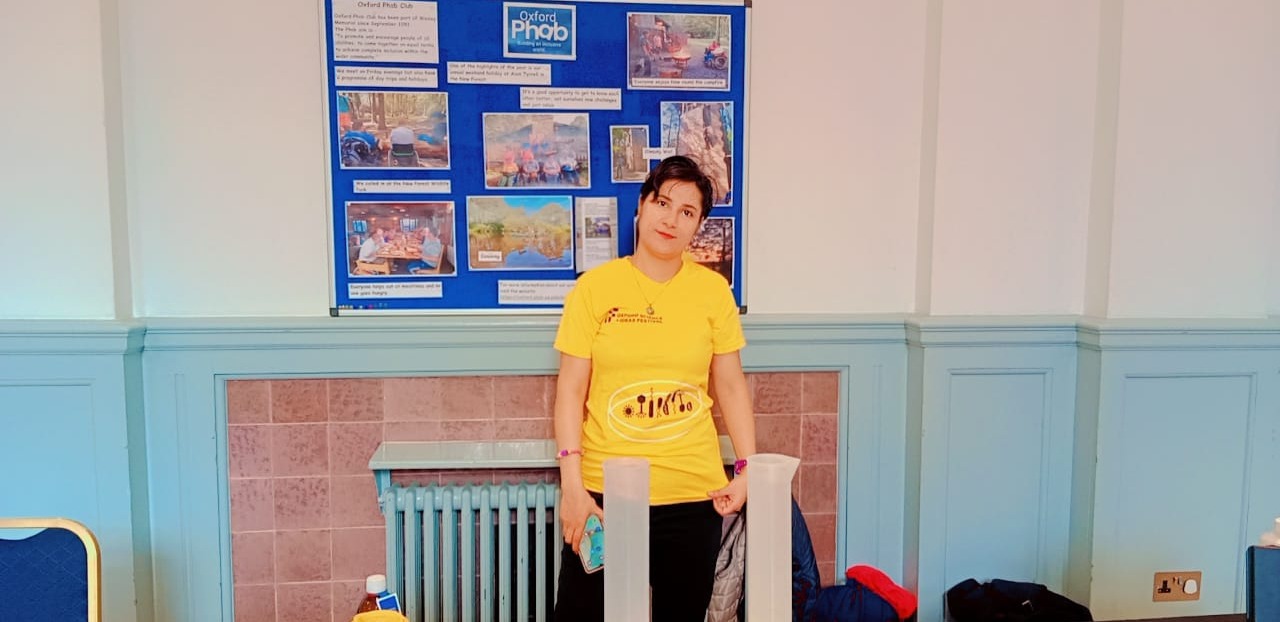
IF Oxford is a science and ideas Festival packed with inspiring, entertaining and immersive events for people all ages. PhD researcher, Zahra attended the festival. Here she shares what motivated her to get involved.
I am thoroughly interested in social communication, as it plays a vital role in fostering connections, understanding diverse perspectives, and building meaningful relationships in today’s interconnected world.
Since this social event spanning technology, art, and science not only entertains but also encourages children and their families to embark on a journey of discovery, igniting curiosity and imagination, I was really interested in being one of the team members. It was a new and interesting experience for me.
Were there any stand-out moments for you?
I found great satisfaction in elucidating experiments to audiences of varying age groups. Particularly engaging were the interactions with younger children, although simplifying explanations presented a challenge. Yet, witnessing their enthusiasm for these novel concepts was immensely rewarding.
In essence, we played a pivotal role in the overarching event, fostering a welcoming and educational atmosphere where both children and families could interact with researchers and creative professionals, experiencing captivating experiments first-hand.
Did your activity relate to your PhD, in what way?
Engaging in conversations and simplifying the explanation of my research project has proven invaluable to my research journey. Additionally, our diverse array of experiments catered to audiences of all ages. It reaffirmed the importance of effective science communication in inspiring curiosity and promoting lifelong learning, driving my passion for engaging with diverse audiences on complex topics in accessible ways.
Do you have any advice to others thinking of participating in outreach activities?
This initiative cultivates social connections by offering a platform for researchers to share their scientific knowledge and ideas with the public. Moreover, it proved to be an enjoyable experience for us, serving as an interactive forum where children could freely question experts, engage in entertaining activities, and explore exciting new experiments.

Categories & Tags:
Leave a comment on this post:
You might also like…
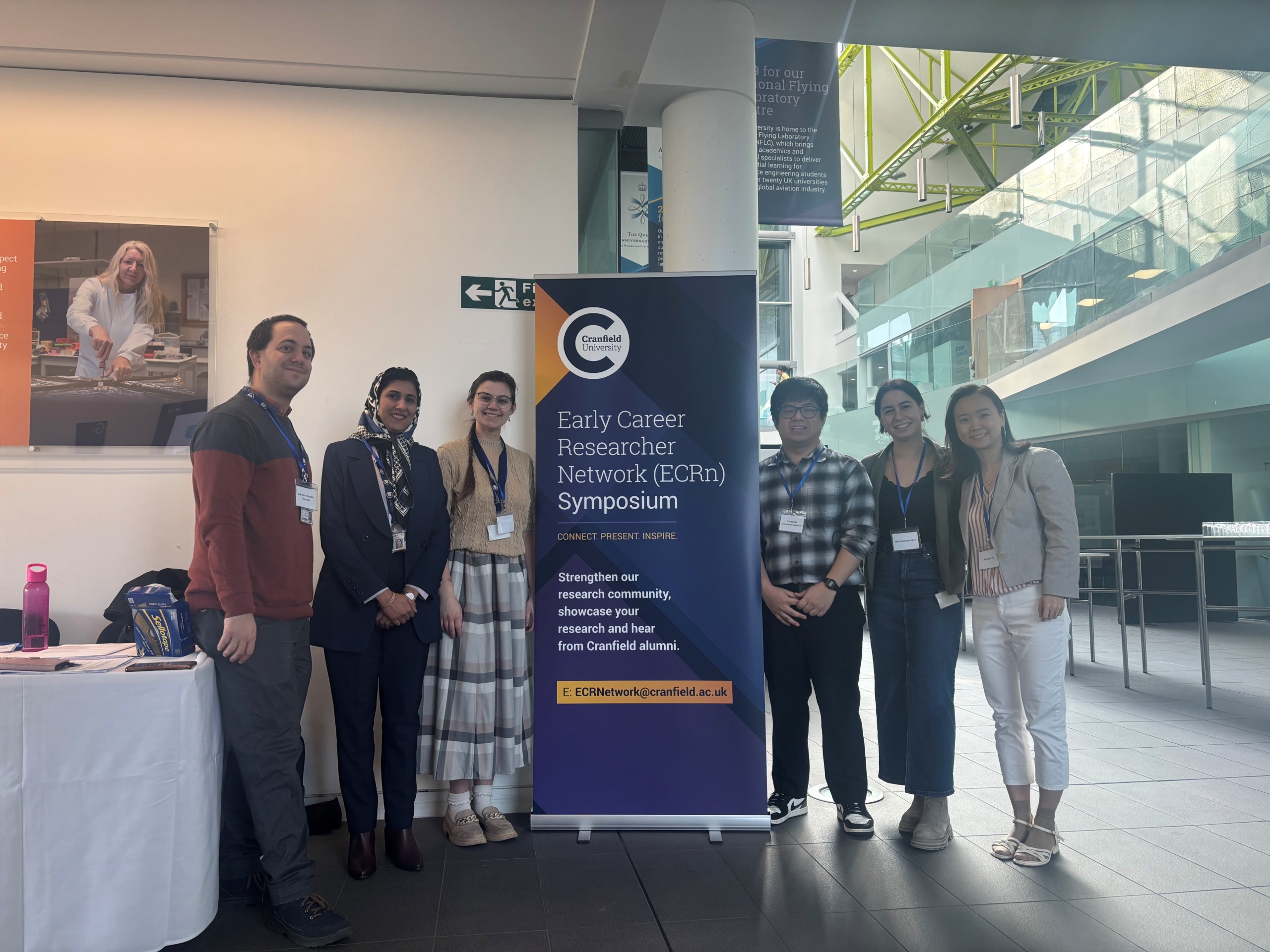
Building more than research: Reflections from the ECRn Symposium 2026
There’s something quietly powerful about a room full of early career researchers. Not just the ideas, although there were plenty of those—but the conversations, the curiosity, and the sense that everyone is figuring things ...
Library services over Easter, 3-6 April
Kings Norton Library will remain open for study 24/7. You will need your University ID card to enter the building and can use the self-service machines to borrow and return items as usual. Barrington Library ...

How do I access the full-text of Harvard Business Review (HBR)?
This is a frequently asked question, and it's worth knowing how to access this key management journal. So, how do you access HBR in full-text? The short answer is via our eJournals finder. You can find ...

Engineering problem to solve? Let Knovel help you find a solution
Did you know that Knovel provides you with more than just eBooks? Knovel is a key database for many engineering, mechanical and materials courses here at Cranfield University, and contains content from an extensive range ...
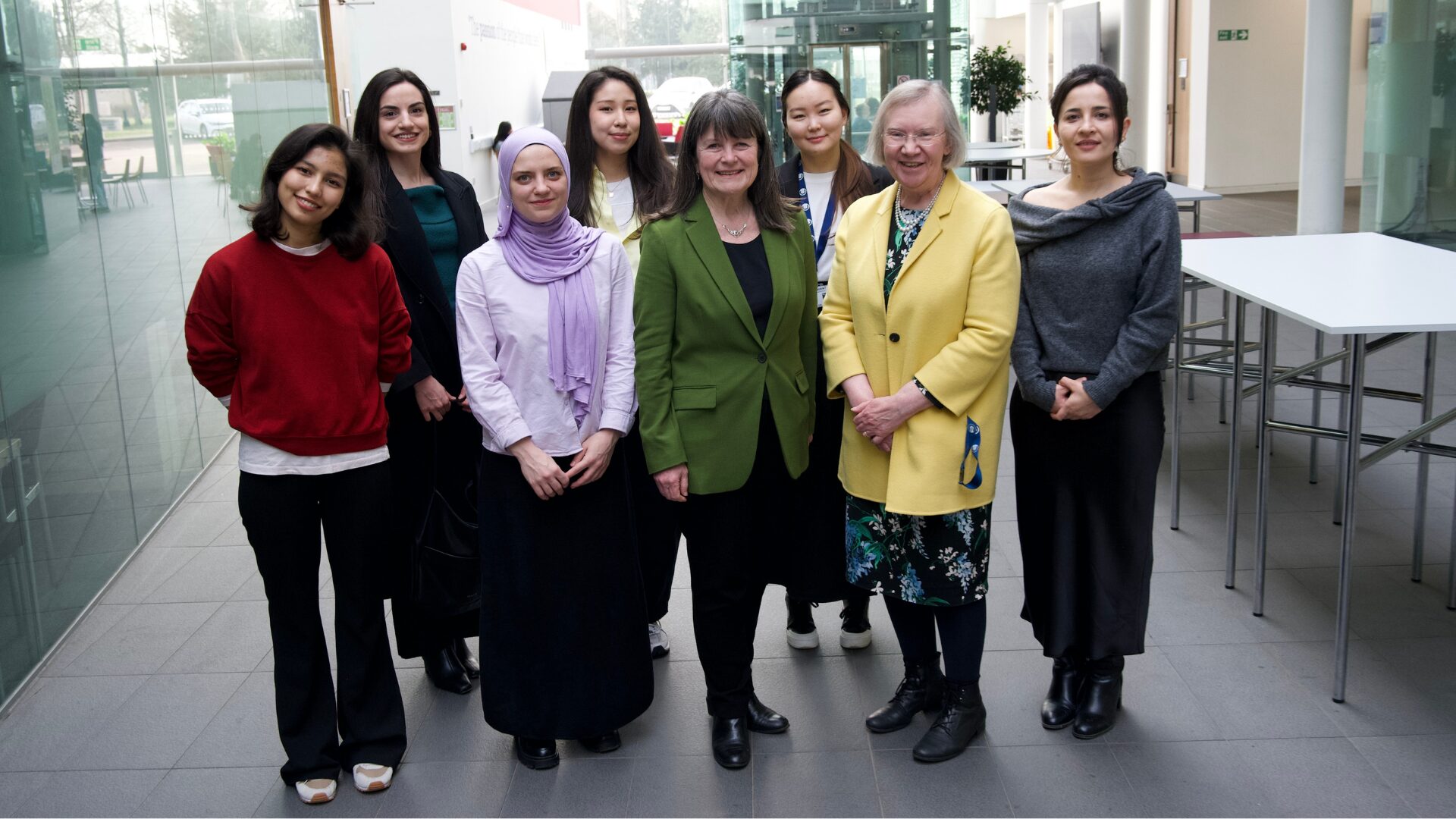
What happens when female scholars meet influential leaders?
On the 5 March 2026, our British Council Women in STEM Scholars had the privilege of sitting down with two excellent role models of industry and academia: Professor Dame Karen Holford, ...
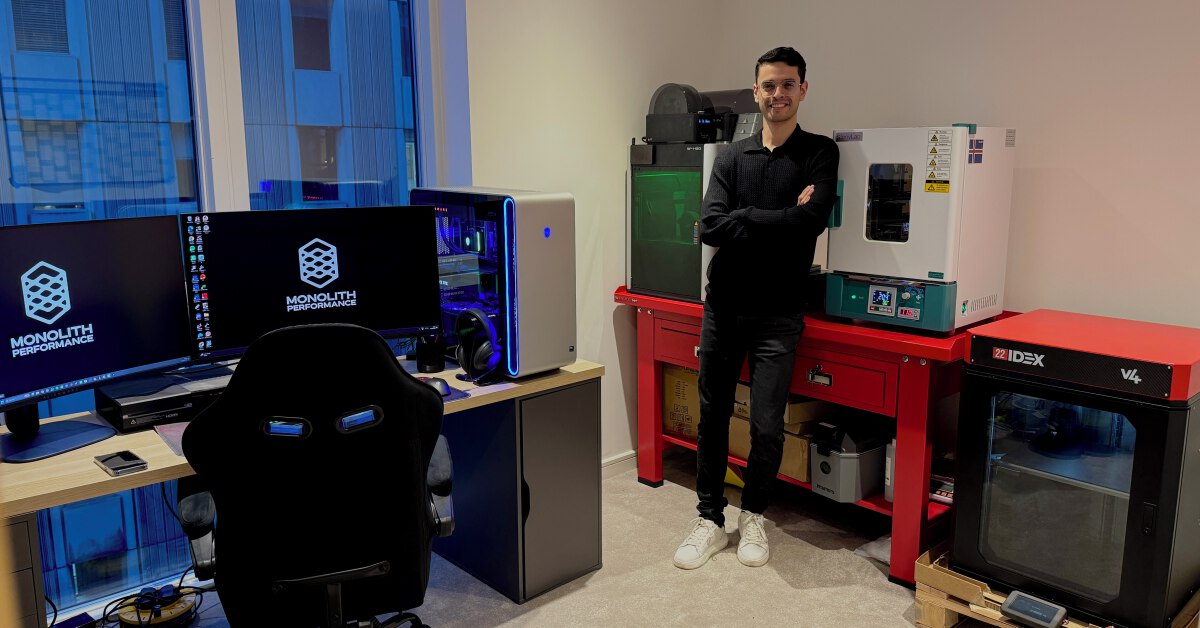
From MSc to CEO: Igniting a research revolution
For many, a master’s degree is achieving a big milestone. Kilyan Ocampo, Computational Fluid Dynamics alumni shares how studying at Cranfield helped launch his career in the energy sector. Today, Kilyan ...