


My group project experience…
16/06/2021
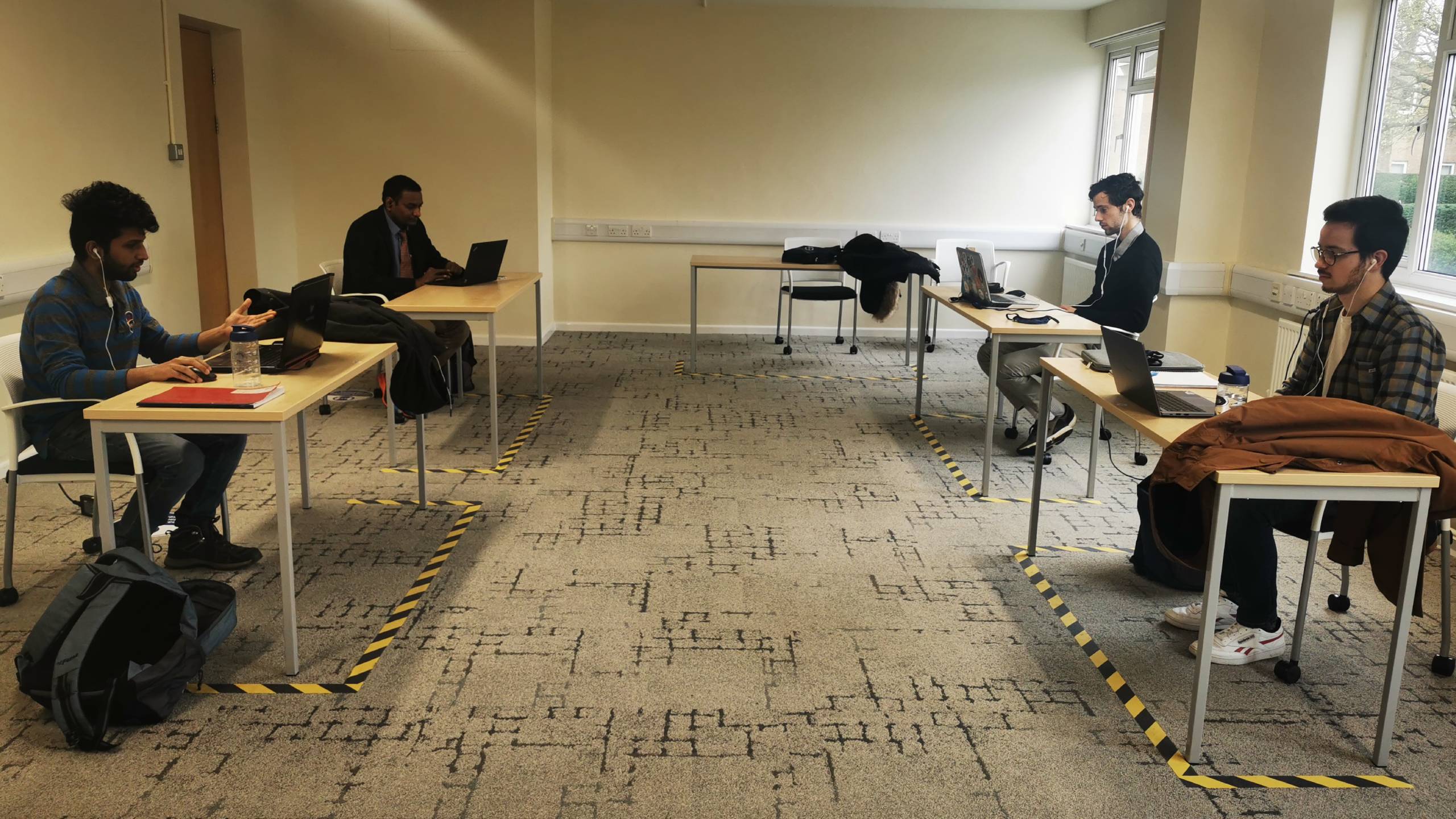
During a time of great uncertainty, I find great solace working on something where my passion is fulfilled. Covid-19 has had an adverse impact on all of our lives, but I am here to share some of the best memories I had during these times as well.
During my MSc in Energy Systems and Thermal Processes (ESTP) at Cranfield University for our group project, I had the privilege to work on one of the most exciting topics in the nuclear energy industry – Small Modular Reactors (SMRs). Our research was based on analysing current SMR technology and investigating ways to improve the thermal efficiency of the power cycles, by incorporating supercritical CO2 as the working fluid. Also, we wanted to go a step further and allow for more renewable energy integration within the mix, and hence, an idea to incorporate thermal energy storage with the nuclear reactor arose, to facilitate flexibility of the nuclear reactor electrical output and work along with renewables according to the demand required.
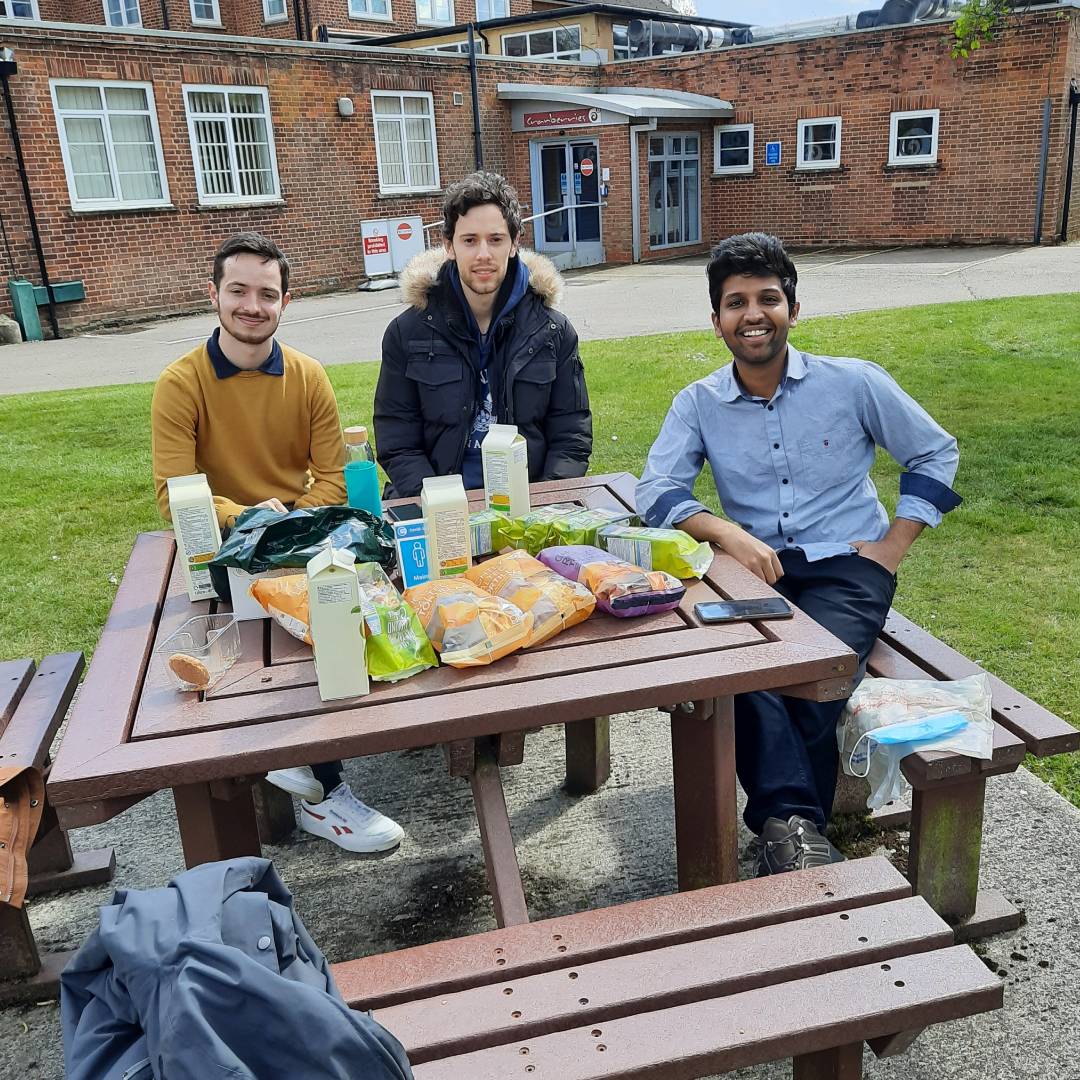
Our team consisted of four students from the ESTP course, including myself, and two PhDs from Cranfield University. They served as the supervisors of our project and were very helpful along the journey to complete our work successfully.
After our initial proposal and working on some numbers, we pitched the idea to Rolls-Royce UK they agreed to be a part of the supervisory team and sponsor the project. This was one of the most exciting moments of my career, since working with experts from Rolls-Royce, Cranfield University and The Open University together, was a great opportunity to acquire a wealth of knowledge and establish contacts too, from an industrial as well as an academic perspective.
As students, we learnt so much throughout our project and had amazing discussions with the experts from Rolls-Royce, and academics about the current and future state of the nuclear energy industry. Our meetings were all online, since our team now consisted of an international array of experts from various nationalities, working from different places on a common goal. Nevertheless, the quality of work and technical expertise that was imparted during those two months were one of the best I have ever experienced in my life. I remember one particular day after our group project, when I was browsing through news articles and saw an excerpt about Rolls-Royce and their future plans about SMR technology. To know that your work is part of one among the most exciting prospects of technology in the world and to see it being implemented practically, was one of the happiest moments of my life.


I had chosen to pursue this path of clean energy due to my passion to give back something to this beautiful world of ours, and not pollute it further in the name of human intervention. I wanted to play an active, technical role in fighting climate change and work on innovating some of the best and most exciting renewable and low-carbon energy solutions in the world. After a long time, I feel I am actually on that path and living my dreams, as I pursue my heart’s desire and passion. I would like to take this opportunity to say thanks to everyone who was part of this project, my fellow teammates, supervisors at Cranfield and all other industrial and academic experts who were part of this wonderful journey.

Categories & Tags:
Leave a comment on this post:
Comments are closed.
You might also like…

Engineering Tomorrow. Part two: Can we move around the world without emissions?
Moving people and goods around the world is essential to modern life. But every journey has an environmental cost, and reducing the emissions associated with transport is one of the major engineering challenges of ...
Following in the footsteps of aerospace pioneers
I came to Cranfield to understand how aircraft stay in the sky. Months later, I was measuring the performance of aircraft engines in flight aboard the National Flying Laboratory Centre's Saab 340B. My ...
From looking up at jet engines to powering the future of flight
From flying aboard Cranfield's Saab 340B flying classroom to rebuilding a gas turbine component by component, Jouni Kailouh's journey shows how specialist, hands-on experience can turn a fascination with propulsion into a future career ...
Engineering Tomorrow. Part one: Can we power the future without costing the Earth?
The world needs energy. To power homes, industries, transport and the technologies shaping our future. But as demand grows and the pressure to reduce emissions increases, how do we generate the energy we need ...
Looking ahead: Building foresight skills for a more sustainable future
As sustainability challenges become more complex and uncertain, organisations need people who can look beyond today's pressures and think strategically about the future. From changing regulations and emerging technologies to supply chain disruption and ...
Brazil to Cambridge: How Cranfield helped me build a career in data analytics
I was hungry for something bigger. Before Cranfield, I was living in São Paulo, Brazil, working as a Data and Market Intelligence Analyst in the trading division of Raízen. My background is actually ...
Excellent praveen.wish you best of luck.