

My experience of studying Process Systems Engineering at Cranfield School of Water, Energy and Environment
23/10/2019
As the UK’s only exclusively postgraduate university, coupled with a greenery environment, Cranfield University boasts of its world-class expertise, large-scale facilities and unrivalled industry partnerships which results in creating leaders in technology and management globally. Cranfield is renowned for its relevance to business and industry hence facilities such as the Cranfield private airport, 3D print Hub, thermal conversion laboratory, air traffic laboratory, energy process laboratory, intelligent automation laboratory and many more are available. As an international school with excellent facilities combined with quality education and research, I will say Cranfield University is the ideal place for any student pursuing his or her postgraduate studies.
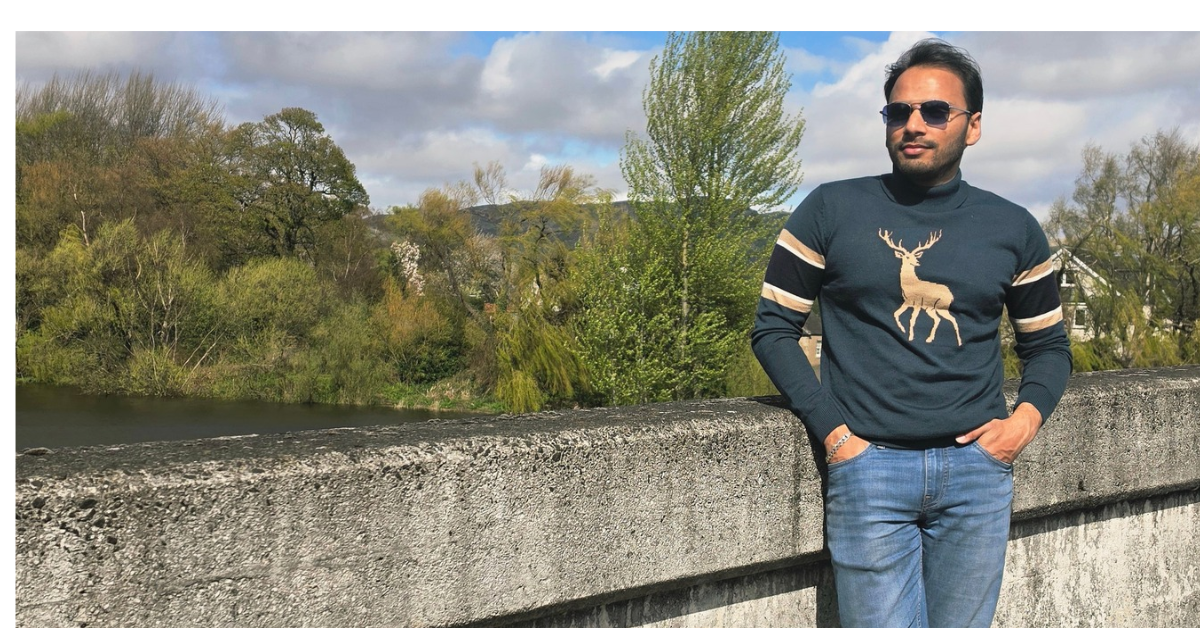
My one year journey in Cranfield began on the 1st October arriving a week after school reopened to pursue an MSc in Process Systems Engineering. As an international student from Ghana, I was a bit anxious since this was my first time studying abroad. As induction and orientation began, my anxiety turned into enthusiasm, determination and a desire to explore the numerous opportunities available in the university became my personnel goal. Placed in the school of water, energy and environment our induction took place in the auditorium of Vincent building. The various sessions provided the necessary information needed to succeed and complete the course. I was able to meet my course mates, my course director in the person of Dr Dawid Hanak and other students from other MSc courses, PhD programmes and research programmes as well.
My usual day at Cranfield University begins with a 15 mins bus journey from Cranfield village to the university. As the course representative, it was my responsibility to ensure that all necessary information was relayed to my course mates and also as a member of the Cranfield Student Association body, it was my duty to attend all meetings with the schools governing body and help make important contributions that will better the students and also the school.
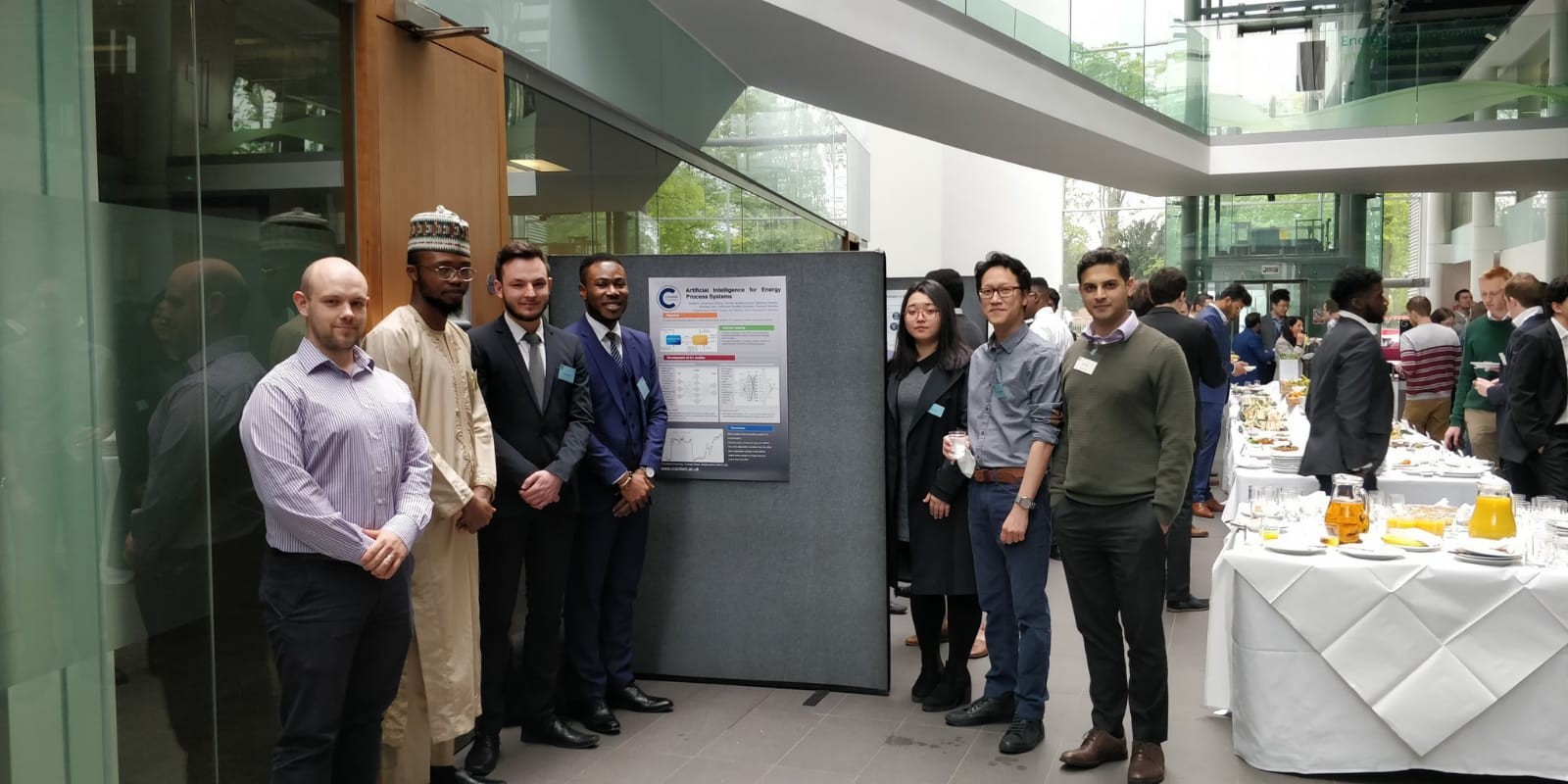
The early stages of my MSc course began with the taught modules where interesting subjects like computational fluid dynamics, risk and reliability engineering, process design and simulation and many more were taught with practical sessions which included laboratory works, computer simulations and hands-on skills on the industrial scaled facilities available such as the pilot oil rig plant, wind turbines, calcium looping pilot plant and many more. As said earlier Cranfield is renowned for it’s relevance in the application of technology to business, as such we took a business course which involved project management, marketing and finances, world economics, entrepreneurship and we got the opportunity to create our own business and compete with each other in groups using the school’s business simulation program. The projects I undertook during this course included the use of Artificial intelligence in carbon capture in the calcium looping plant and also the material selection and operating conditions of the gas-fired supercritical CO2 plant.
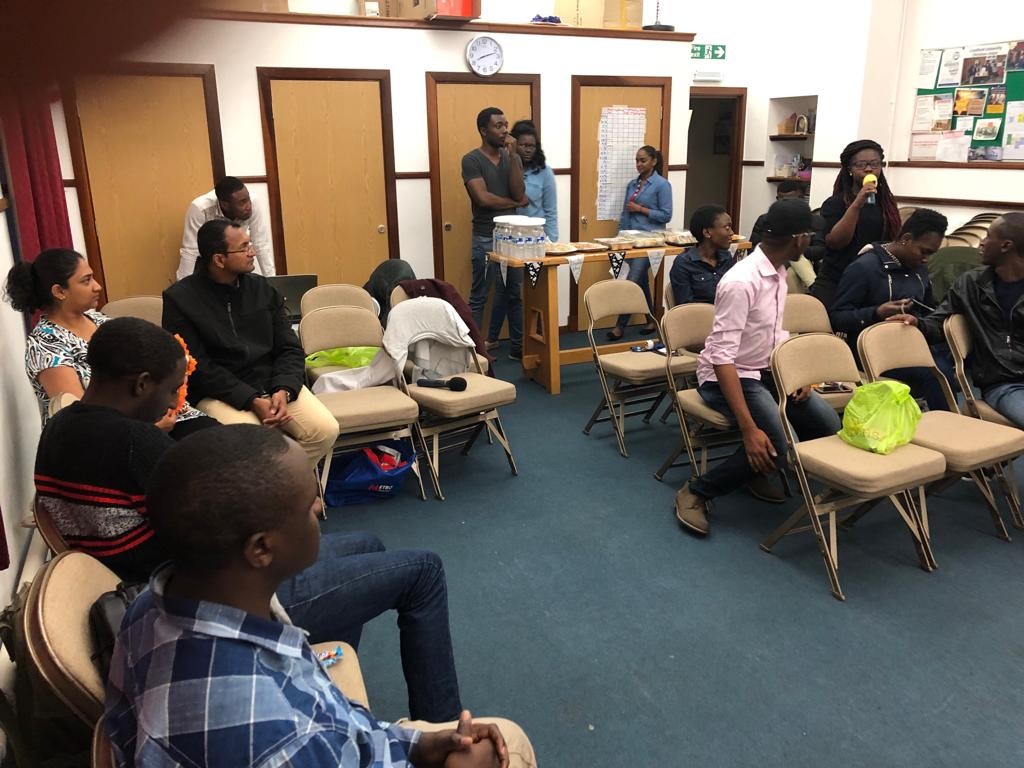
Cranfield University has many clubs and societies and other social amenities. I joined the Christian union, the music society and the chess club. I had the opportunity to play on the football pitch, the basketball field as well as utilise the university sports centre which offered gym services and other sporting facilities. My MSc course study in Cranfield University was a success and my thanks go to the almighty God, my course director in the person of Dr Dawid Hanak, my supervisors and all my colleagues and friends thank you.

Categories & Tags:
Leave a comment on this post:
You might also like…

Moving to the UK to study? How to plan for banking, exchange rates and transfers
Currency and banking are two of the most practical parts of financial planning for international students. They are also often the most overlooked. We asked Dr Lakshmy Subramanian, Course Director for Cranfield University's Banking, ...
Cranfield: an environment where innovation thrives
The latest Knowledge Exchange Framework rankings from UK Research and Innovation (UKRI) gives an insight into the real and meaningful impact that UK universities have. The seven categories that make up KEF6 cover everything ...
How Cranfield accelerated my career in Logistics and Supply Chain Management
After graduating from the MSc in Logistics and Supply Chain Management at Cranfield University, I've been reflecting on the experiences that made my journey so valuable and the impact it has had on my ...

Mendeley: a powerful tool to organise and manage your references
Are you looking for a way to manage your references, create in-text citations and reference lists for your assignments or thesis? If so, you may wish to consider using Mendeley. What is it? Mendeley is ...

Keen to develop your study skills?
Alongside the technical skills and academic knowledge that you will gain on your course, as a Cranfield student you have the opportunity to develop a range of other skills that can enhance your learning experience. ...

The V-conomy: powering the sixth wave of global economic growth
The world could be on the verge of a major surge in economic growth and development, driven by the convergence of AI and clean energy technology. Waiting to ride the K-wave The Russian ...