

Fin Underhill: Highlights of my course so far
23/02/2023
Since arriving at Cranfield, I have jumped into the full student experience the university has to offer. In my first month I:
- Attended the ‘Intro to Careers Team’ seminar.
The Careers Team covered everything that Cranfield’s Careers Support has to offer, and where to go for a whole load of careers advice; from CV and cover letter development, to interview preparation and presentation skills!
- Sat in on a professorial talk on Agri-Tech.
Professor David Rose gave an inspiring talk on the drawbacks of pushing technologies in the agriculture sector before they’re field-tested and technically feasible.
- Networked across the SWEE community.
Knowing people from across the faculty means your pool of ideas isn’t limited to just your own course, and you can build holistic solutions through people with different perspectives.
- Developed my Python and MATLAB abilities.
Explored the library to create my reading list.
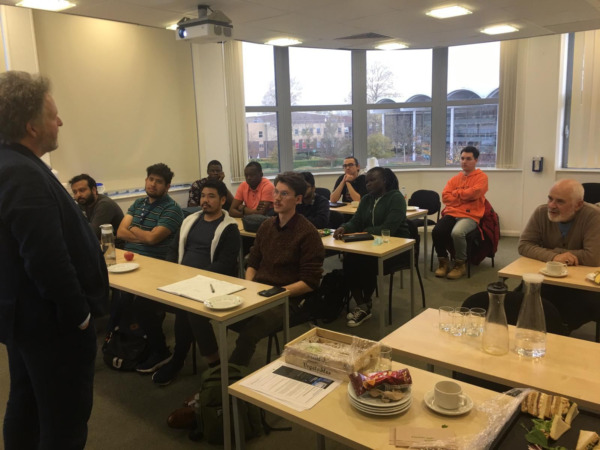
I have met so many fantastic people, both students and staff on the Advanced Heat Engineering MSc. My course alongside fellow PhD students had the honour of receiving talks from William Nuttall, Professor of Energy at The Open University, Ben Anthony and Peter Turner.
My learning highlights were;
- Fusion Island and the drive for a self-sustained hydrogen facility, if Fusion can reach commercial maturity.
- Environmental Impact of power generation throughout history, and the lacking response to fix the issue.
- Solar Thermal Storage and efficient heliostat positioning, based on the global position of the solar field.
The networking was great for us all, and every speaker warmly responded to our barrage of excited questions.
A massive thank you to Patchigolla Kumar, Reader in Low Carbon Energy Systems at Cranfield University Advanced Heat Engineering MSc Course Director for organising these talks. I cannot wait to attend more in the future.
The content of the course has expanded my understanding of real-world applications for thermal systems. The professors of Advanced Heat Engineering are engaging and passionate in their subjects and have made my experience unforgettable. A great thing about this course is how often industrial partners come in for networking events to emphasise how our knowledge can be applied in business.
What is life on campus like?
Spending my days on campus has been great so far. Cranberries in Stafford Cripps do great tasting, and varied hot meals for lunch which is super convenient when trying to maximize my time in the library! The two food trucks on campus also serve fantastic burgers, kebabs, dirty fries and loads more.
What do you have coming up?
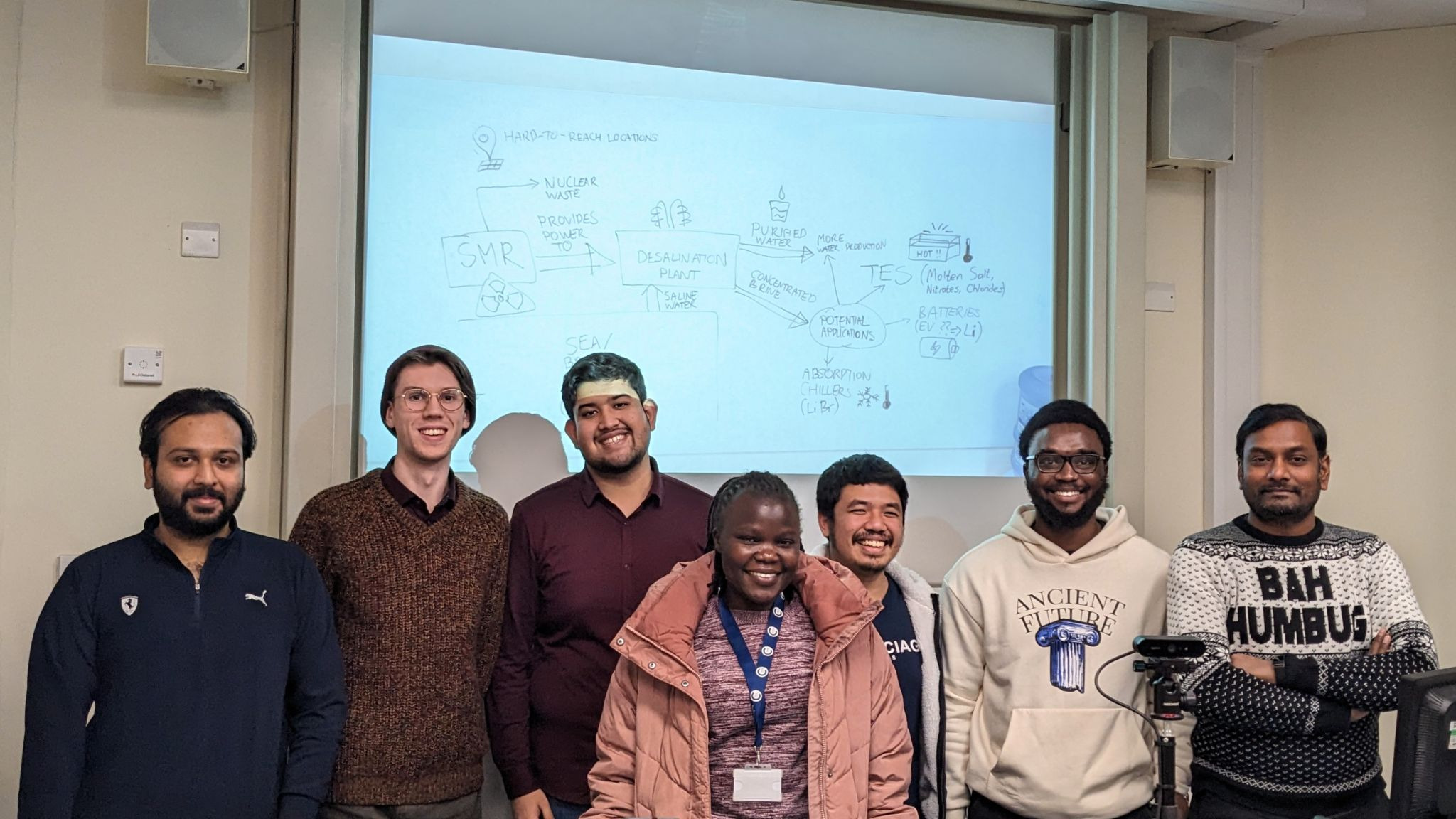
In preparation for our group project in March 2023, our team led by Patchigolla Kumar came together to brainstorm applications for a thermal desalination unit powered by a Small Modular Reactor (SMR).
Our initial ideas aim to provide water security in areas with poor access to fresh water. A constant and independent power supply from the Small modular reactors would power a thermal desalination unit day and night.
We will investigate processing the brine produced from the desalination unit to acquire minerals for EV batteries and Lithium Bromide solutions.
Lastly, we are interested in harnessing the waste heat from the desalination unit to power an absorption chiller which will produce chilled water, to be used for heat rejection in the SMR power cycle.
Just as there are different ‘colours’ to hydrogen depending on the power source used to produce it (nuclear power produces Pink Hydrogen), then why not ‘colour’ our desalinated water the same.
As a team, we are investigating nuclear desalination to produce fresh water for communities with low access to fresh water. My contribution will be to analyse the power cycle of the Small Modular Reactor (SMR) and investigate feasible heat exchanger designs.
The group project has been a collective effort to see what we can do with the information we learn in our course, and it’s exciting to piece together everyone’s passions into one innovative project.
Do you have any tips for other students?
My tips for your group project are:
- The better your connection with your team, the easier your time will be!
- It’s never too early to start thinking of project ideas.


Categories & Tags:
Leave a comment on this post:
You might also like…
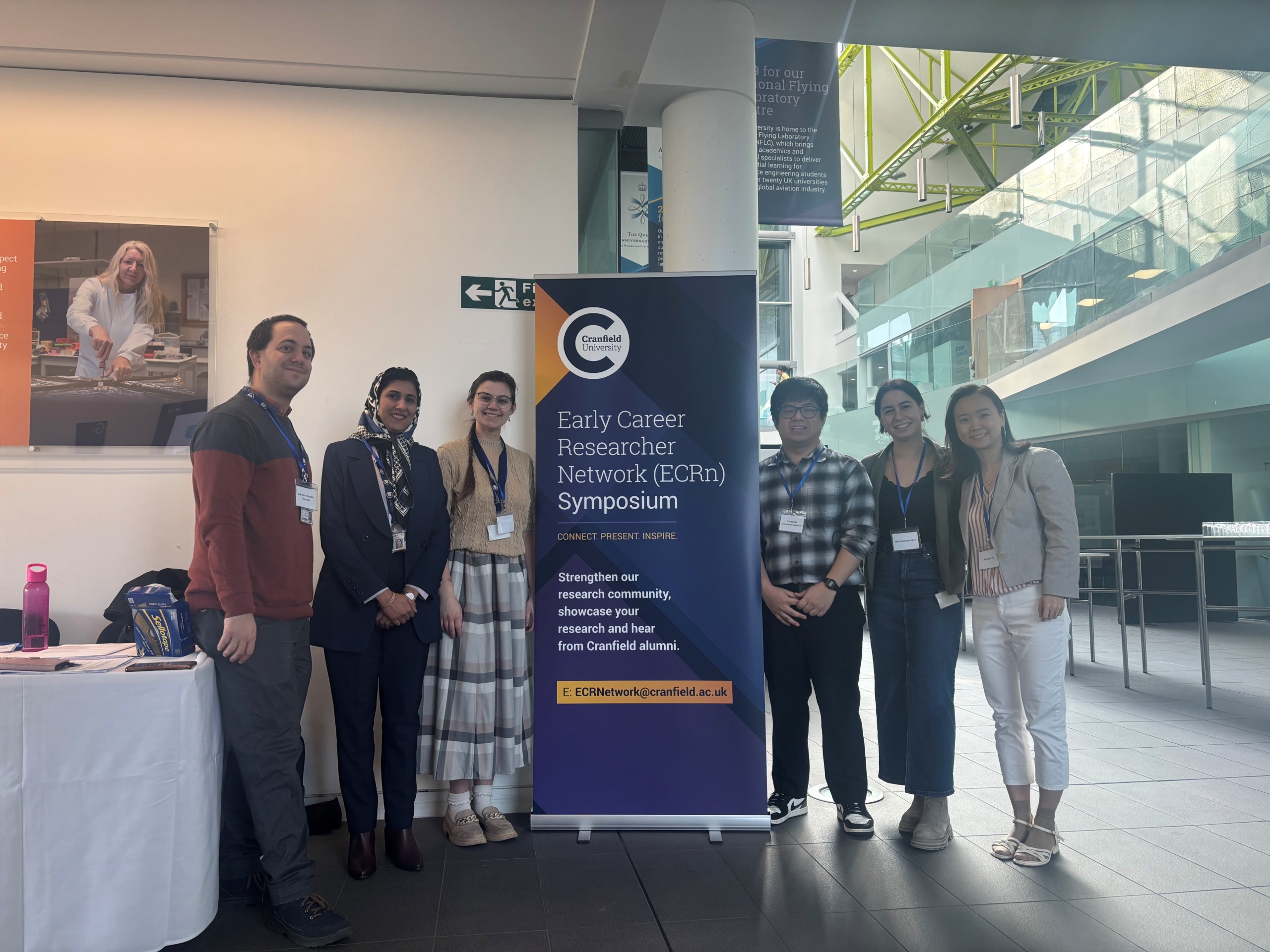
Building more than research: Reflections from the ECRn Symposium 2026
There’s something quietly powerful about a room full of early career researchers. Not just the ideas, although there were plenty of those—but the conversations, the curiosity, and the sense that everyone is figuring things ...
Library services over Easter, 3-6 April
Kings Norton Library will remain open for study 24/7. You will need your University ID card to enter the building and can use the self-service machines to borrow and return items as usual. Barrington Library ...

How do I access the full-text of Harvard Business Review (HBR)?
This is a frequently asked question, and it's worth knowing how to access this key management journal. So, how do you access HBR in full-text? The short answer is via our eJournals finder. You can find ...

Engineering problem to solve? Let Knovel help you find a solution
Did you know that Knovel provides you with more than just eBooks? Knovel is a key database for many engineering, mechanical and materials courses here at Cranfield University, and contains content from an extensive range ...
What happens when female scholars meet influential leaders?
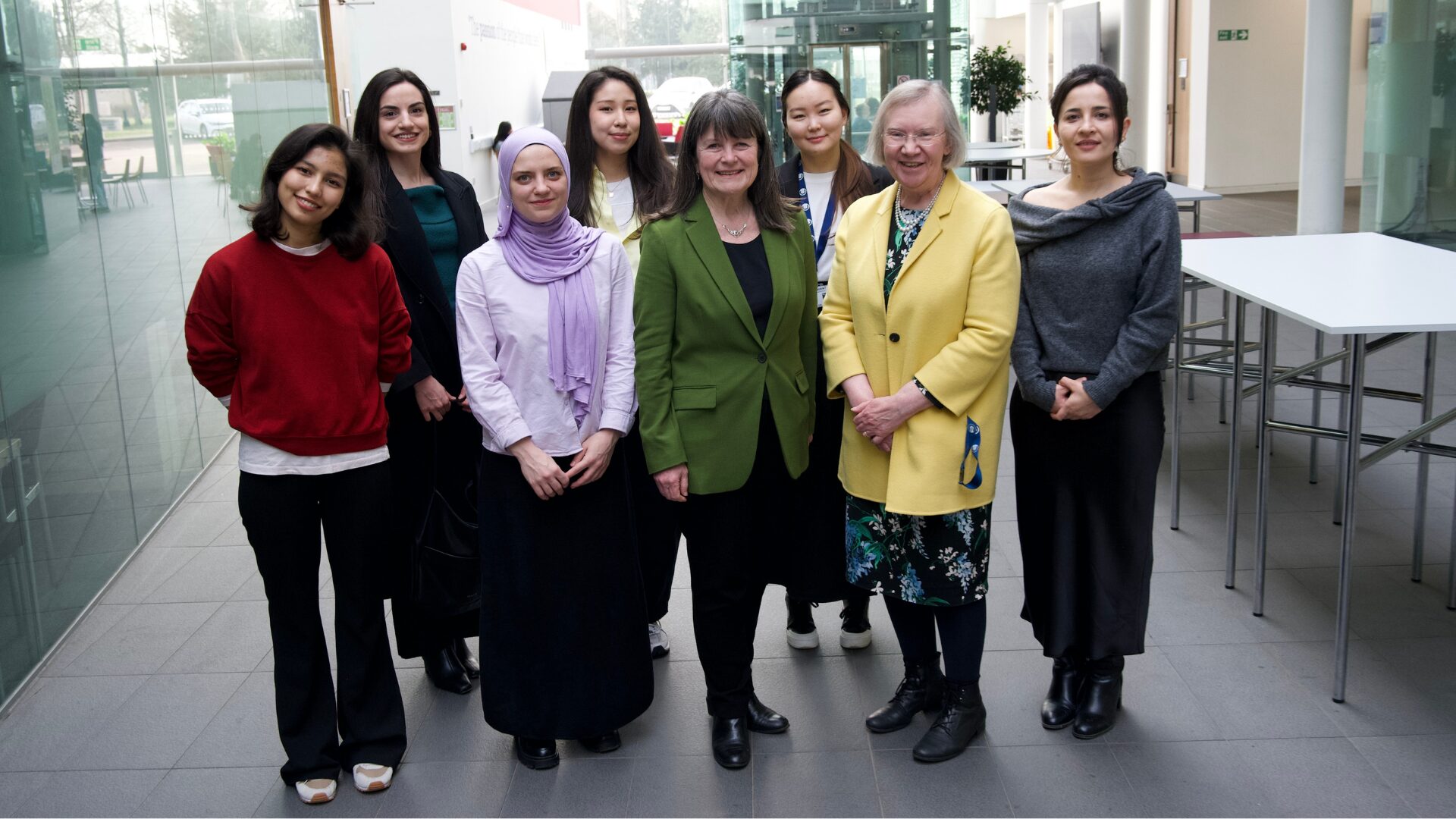
On the 5 March 2026, our British Council Women in STEM Scholars had the privilege of sitting down with two excellent role models of industry and academia: Professor Dame Karen Holford, ...
From MSc to CEO: Igniting a research revolution
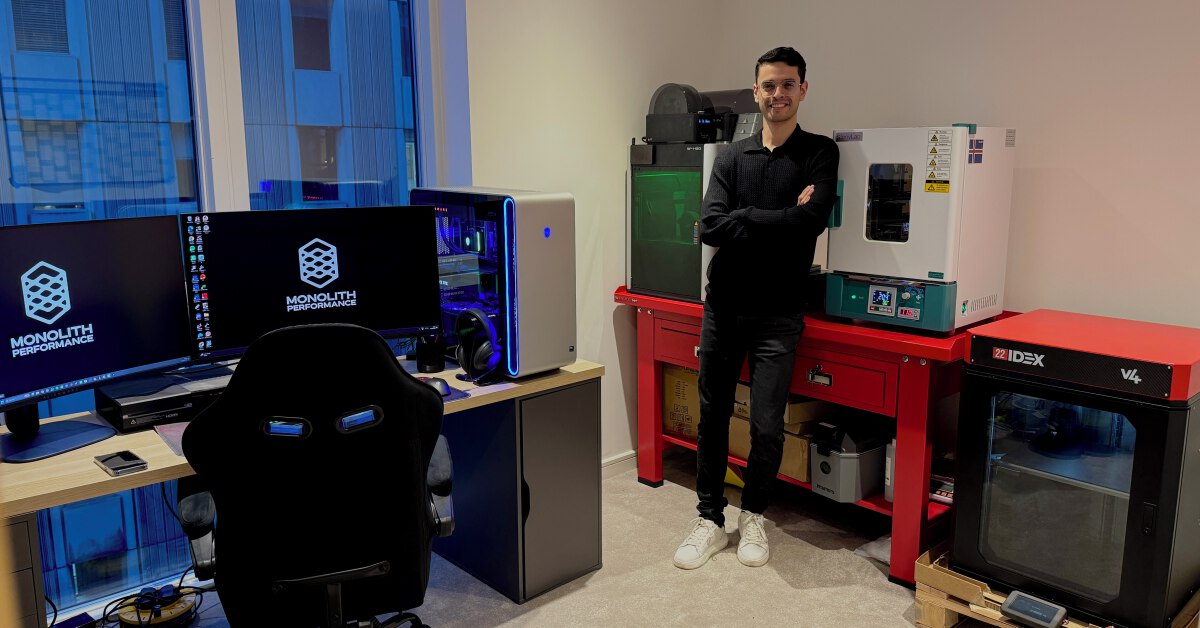
For many, a master’s degree is achieving a big milestone. Kilyan Ocampo, Computational Fluid Dynamics alumni shares how studying at Cranfield helped launch his career in the energy sector. Today, Kilyan ...