


My first term at Cranfield Forensic Institute
05/02/2021
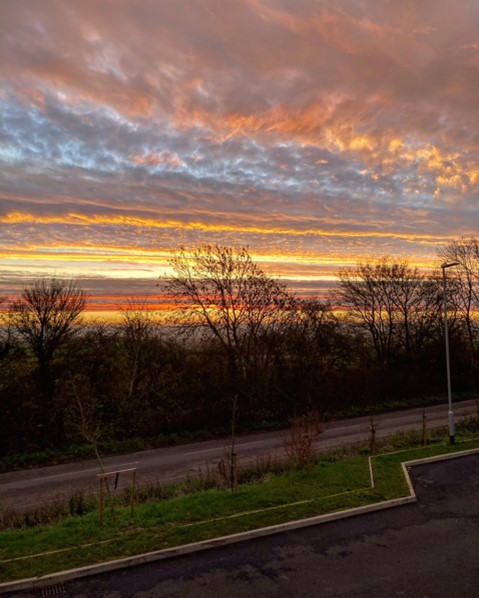
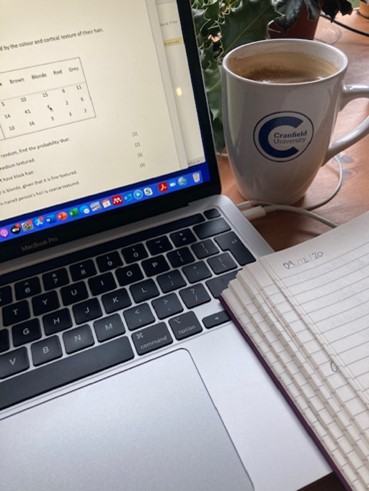
7:15am my alarm goes off. Even though most days it is dark and cloudy, on the odd occasion the sunrise I can see from my room window over the hills is so worth the early rise. After spending some time looking out the window, I would then go downstairs and make my coffee, once done drinking it, I would get dressed into my running clothes and go for a run. By 8:15 I am back at the house to have a shower and get dressed for the day. Then once I’ve made my second cup of coffee, I would seat myself at the dining room, switch on my laptop and get ready to join my online class.
This was what most of my first term was like at Cranfield and it quickly became a new normal. Us students got used to the terms “you are on mute”, “can you see my screen”, “are you there?” and “in normal years”. Yes well, in “normal years” we would not have been sitting in our various homes or accommodation, we would have been in a lecture room.
However, despite the remote learning, I still felt some connection to our lecturers and my fellow students. There were times we could go into smaller online break out rooms, and often the lecturers would organise drop-in sessions so that we could chat to them. It was different for sure, but I have to commend the staff for all that they did to ensure we had the best possible experience during our first term at Cranfield.
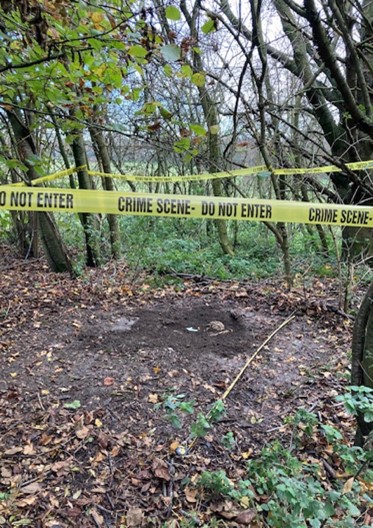
Some of the best moments in my first term were those times we could meet face-to-face. During my “Investigation and Evidence Collection” module we met on the second last day to do a mock crime scene. This was the first time I had met anyone face-to-face and even though social anxiety was felt, it was a successful day and we all worked well and importantly safely together.
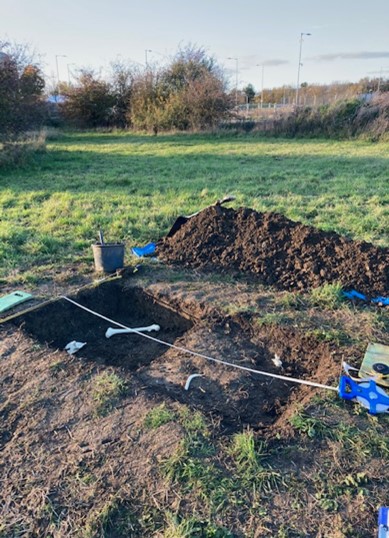
Next was my “Forensic Archaeology: Recovery of Buried Remains” which had a few sessions of outdoor practicals. One day we learnt how to dig a grave (something I can put on my CV?) and also how to document and photograph the various features of the grave. The next was a mock case we were given, and in our designated groups, our task was to search and locate a potential clandestine grave, and then excavate and document it, using the skills we had acquired in the previous days. Despite the frigid cold, this was probably one of the experiences so many students valued, as we actually saw our lecturers face-to-face and we were able to get to know our fellow students. And then lockdown 2.0 was announced.
None of us knew what to expect, but thankfully, universities were still allowed to carry on, so during this lockdown, I actually had a module that ran entirely face-to-face, which was “Environmental Forensic Science”. It was a strange experience being back in the lecture room, we all had to sit 2m away from each other, and had to wear our masks at all times. Even though by that stage we were used to wearing masks, inside a warm room for prolonged periods made me feel a bit odd at times. However, it was a wonderful experience, augmented by the practical sessions where we attended a mock death scene and an abandoned car scene, and in our groups, we collected soil and entomological samples from both mock scenes. We then had the opportunity to go into the laboratory to analyse this evidence, which was a wonderful learning experience to have that workflow from scene to laboratory.
My start into term 2, and lockdown 3.0, has been a bit delayed as my next module is only in February. But with the experiences of online learning in the first term and the dedication of the staff, I am sure that I will enjoy what is to come. In particular, my research project that I am currently working on!

Categories & Tags:
Leave a comment on this post:
You might also like…

Engineering Tomorrow. Part two: Can we move around the world without emissions?
Moving people and goods around the world is essential to modern life. But every journey has an environmental cost, and reducing the emissions associated with transport is one of the major engineering challenges of ...

Following in the footsteps of aerospace pioneers
I came to Cranfield to understand how aircraft stay in the sky. Months later, I was measuring the performance of aircraft engines in flight aboard the National Flying Laboratory Centre's Saab 340B. My ...

From looking up at jet engines to powering the future of flight
From flying aboard Cranfield's Saab 340B flying classroom to rebuilding a gas turbine component by component, Jouni Kailouh's journey shows how specialist, hands-on experience can turn a fascination with propulsion into a future career ...
Engineering Tomorrow. Part one: Can we power the future without costing the Earth?
The world needs energy. To power homes, industries, transport and the technologies shaping our future. But as demand grows and the pressure to reduce emissions increases, how do we generate the energy we need ...

Looking ahead: Building foresight skills for a more sustainable future
As sustainability challenges become more complex and uncertain, organisations need people who can look beyond today's pressures and think strategically about the future. From changing regulations and emerging technologies to supply chain disruption and ...

Brazil to Cambridge: How Cranfield helped me build a career in data analytics
I was hungry for something bigger. Before Cranfield, I was living in São Paulo, Brazil, working as a Data and Market Intelligence Analyst in the trading division of Raízen. My background is actually ...