


Explosive Effects On Structures (EES) module – a day with Alford Technologies
04/05/2021
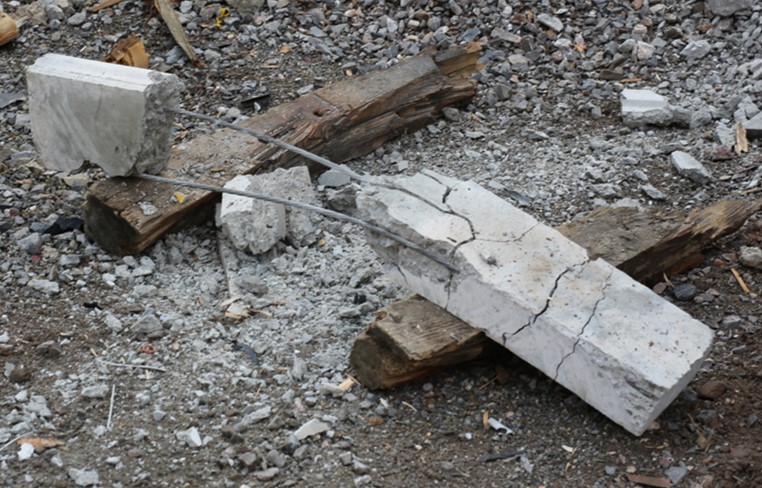
On the 9th of March 2021 a group of us from the Explosive Effects on Structures module embarked on a trip to Alford Technologies in Wells. Alford Technologies specialises in developing explosive tools to support Explosive Ordnance Disposal, Breaching/Explosive Method of Entry and Explosive Engineering communities – so a great place to partake in our first face to face practical of the year. So far that week we had learnt about how blast effects different structures and materials, and it was now time to see some of that theory in action.
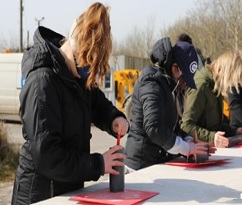
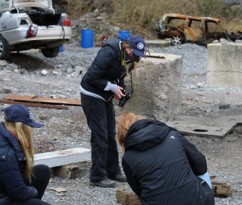
When we had arrived and received the safety briefings, including the inevitable COVID precautions, it was time to get hands on with the explosives to fill different shaped charges. Throughout this session we also got to learn about the different types of shape charges and what they might be used for in both commercial and military environments. It was definitely great to finally be able to get the chance to see everything we had learnt about in a practical environment.
Once we had finished preparing the charges, we headed down into the quarry to see them in action. We had a number of charges and an array of materials to use them on, including wooden posts, concrete blocks, steel bars and steel slabs, each of which we would use around 250g of explosive on. There were also big screens available in the bunker, so we were all able to watch the explosions happen in real time. Afterwards we then moved back outside to see the results. It was interesting to see how the placement, or the shape of the charge, effected the damage that was caused to the material, and then how this could lead to specific tasks being undertaken. For example, Alfords had engineered a special device which was designed specifically to cleanly cut a steel bar by focusing the energy of blast on to a specific point around outside of the metal. We had also got the opportunity to see effects such as spalling first-hand on the concrete slab. Finally, there was the opportunity to have a look at all the products Alfords had designed and learn about their function.
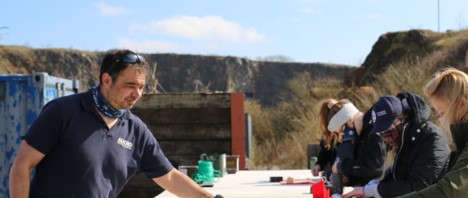
We also had the added bonus of having two of our lecturers, Mike and Rachael, with us on the trip. They both brought a wealth of knowledge and helped us with understanding the effects the blast waves were having on the materials. They also kept us thinking on our feet by getting us to predict the effect the charge would have on the material in question.
Overall, this trip was an amazing experience, and definitely nothing any of us had had the chance to do before. Not only was it great to experience our first practical session but seeing all my course mates and lecturers face to face for the first time was great. As a first foray into the explosive’s world, this was definitely a great way to do it and it certainly helped us visualise and understand a lot of what we had learnt in the classroom.

Categories & Tags:
Leave a comment on this post:
You might also like…

Mendeley: a powerful tool to organise and manage your references
Are you looking for a way to manage your references, create in-text citations and reference lists for your assignments or thesis? If so, you may wish to consider using Mendeley. What is it? Mendeley is ...

Keen to develop your study skills?
Alongside the technical skills and academic knowledge that you will gain on your course, as a Cranfield student you have the opportunity to develop a range of other skills that can enhance your learning experience. ...

The V-conomy: powering the sixth wave of global economic growth
The world could be on the verge of a major surge in economic growth and development, driven by the convergence of AI and clean energy technology. Waiting to ride the K-wave The Russian ...

Need help using the Python programming language?
We know some of our students are currently trying to learn Python, so we wanted to make you aware of some great LinkedIn Learning videos that can help. But don't you have to pay for ...

What does it really take to become a Chevening Scholar?
Say “Turkmenistan” to most people and you’ll get a blank look. That was true when I left Ashgabat for the UK to study an MSc in Logistics and Supply Chain Management at Cranfield University ...

Get a head start on referencing and plagiarism
We offer a module on Referencing And Avoiding Plagiarism which you can find on your Canvas dashboard. It explains the role and importance of citing references and how to incorporate the work of other authors ...