

Bits, bytes and explosives
05/10/2021
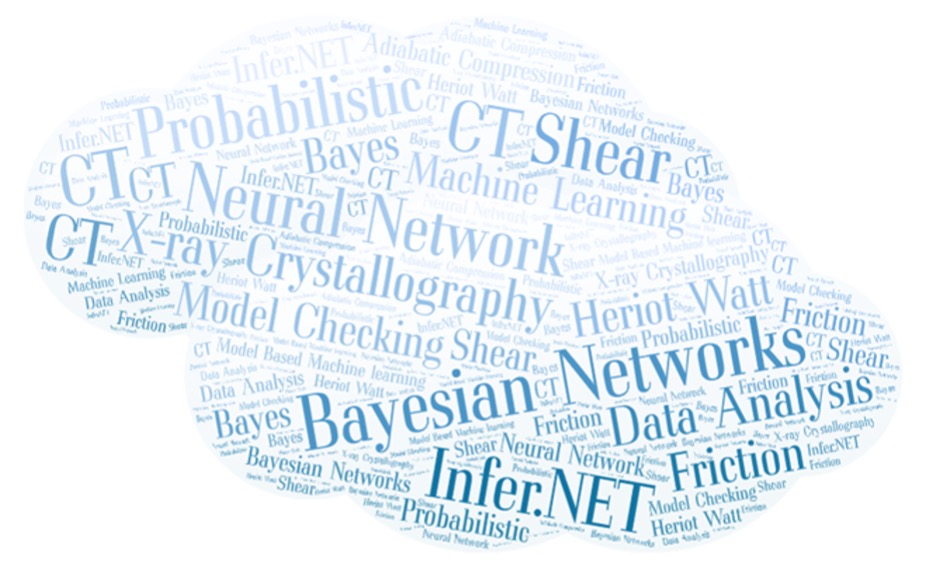
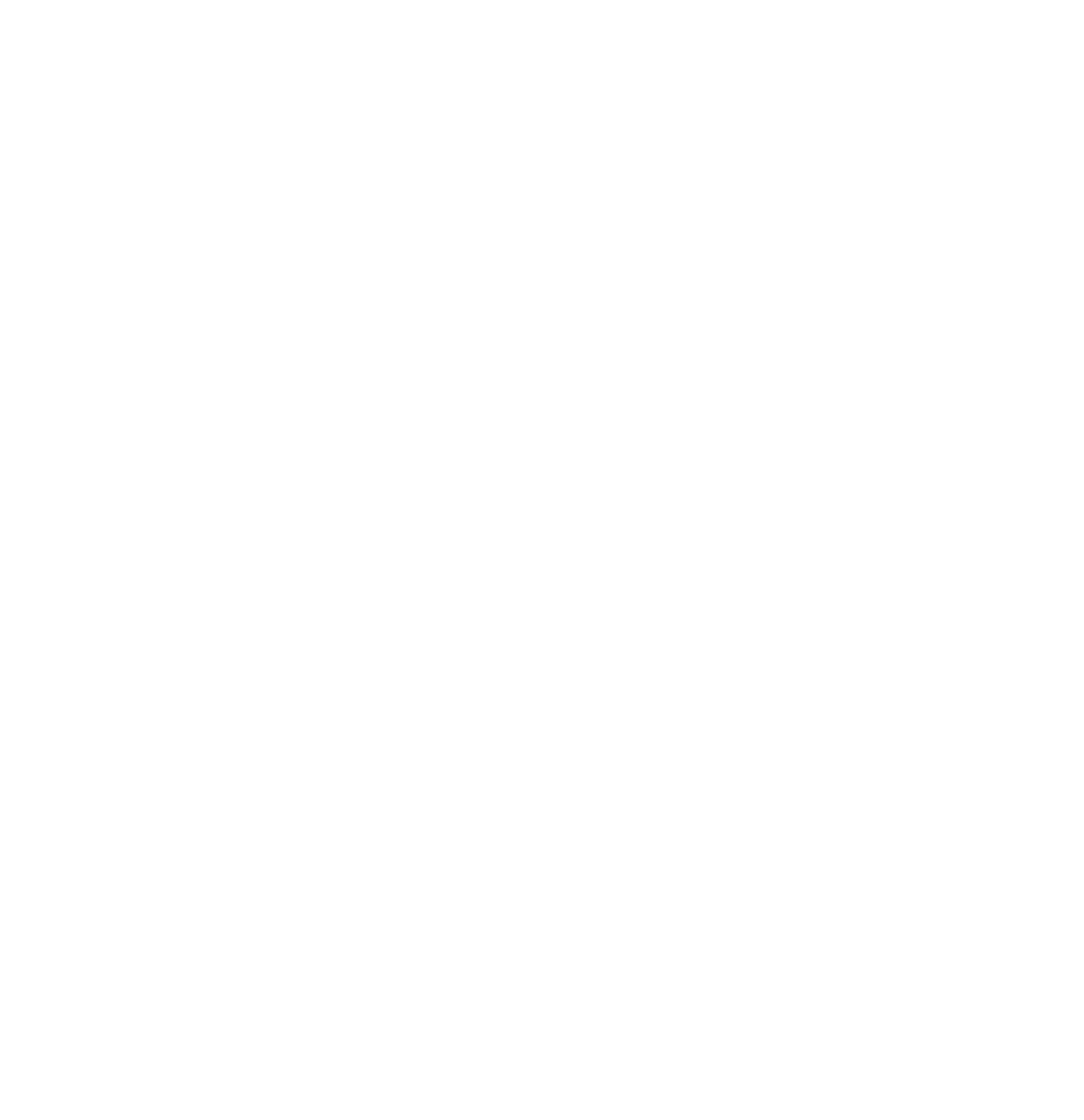
Back at the tail end of 2020 I had started to look for my next big challenge. I knew that I wanted it to be academically orientated and had, for as long as I could remember, wanted to do a PhD. Previously I had completed an MSc in Advanced Computer Science and over that period had gone from being an Artificial Intelligence (AI) sceptic to somewhat of an AI obsessive! I also had a first degree in Chemistry, so I started to look for PhD opportunities with most of the research based around Computer Science or even in Computational Chemistry.
Working on the Shrivenham site I had become aware of Cranfield University’s Defence and Security School based there and asking around a little I found people talking highly of the University -especially the applied nature of the work that the University was famous for, and the respect that they had for their students. So, I decided to apply for a funded PhD based in the Centre for Defence Chemistry. Being a relatively mature student, and that my Chemistry was a little rusty, I wasn’t confident of my success at interview, but duly did my best!
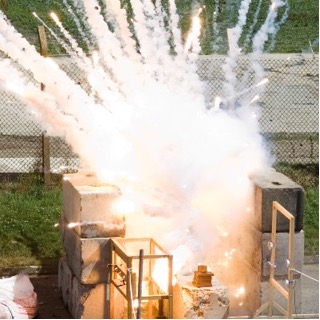
What a marvellous surprise when I was asked if I would like to be considered for two different PhD topics and found myself leaping at the chance to study for a PhD titled ‘Characterising the microstructure of composite explosives by mining CT-scan datasets’ which is all about making explosives safer. To do this I am examining CT scan data using Artificial Intelligence.

I needn’t have really worried about being a little older as Cranfield is exclusively a Postgraduate University and there really is a diversity of ages here; if anything, I have found that my life experience is particularly useful, and I really appreciate working with a range of students. In fact, although working mostly remotely for the last 6 months, the atmosphere amongst the students that I have met in person and online has been great!

Categories & Tags:
Leave a comment on this post:
You might also like…

Moving to the UK to study? How to plan for banking, exchange rates and transfers
Currency and banking are two of the most practical parts of financial planning for international students. They are also often the most overlooked. We asked Dr Lakshmy Subramanian, Course Director for Cranfield University's Banking, ...

Cranfield: an environment where innovation thrives
The latest Knowledge Exchange Framework rankings from UK Research and Innovation (UKRI) gives an insight into the real and meaningful impact that UK universities have. The seven categories that make up KEF6 cover everything ...
How Cranfield accelerated my career in Logistics and Supply Chain Management
After graduating from the MSc in Logistics and Supply Chain Management at Cranfield University, I've been reflecting on the experiences that made my journey so valuable and the impact it has had on my ...

Mendeley: a powerful tool to organise and manage your references
Are you looking for a way to manage your references, create in-text citations and reference lists for your assignments or thesis? If so, you may wish to consider using Mendeley. What is it? Mendeley is ...

Keen to develop your study skills?
Alongside the technical skills and academic knowledge that you will gain on your course, as a Cranfield student you have the opportunity to develop a range of other skills that can enhance your learning experience. ...

The V-conomy: powering the sixth wave of global economic growth
The world could be on the verge of a major surge in economic growth and development, driven by the convergence of AI and clean energy technology. Waiting to ride the K-wave The Russian ...