

Why choose Digital Forensics at Cranfield?
29/06/2023
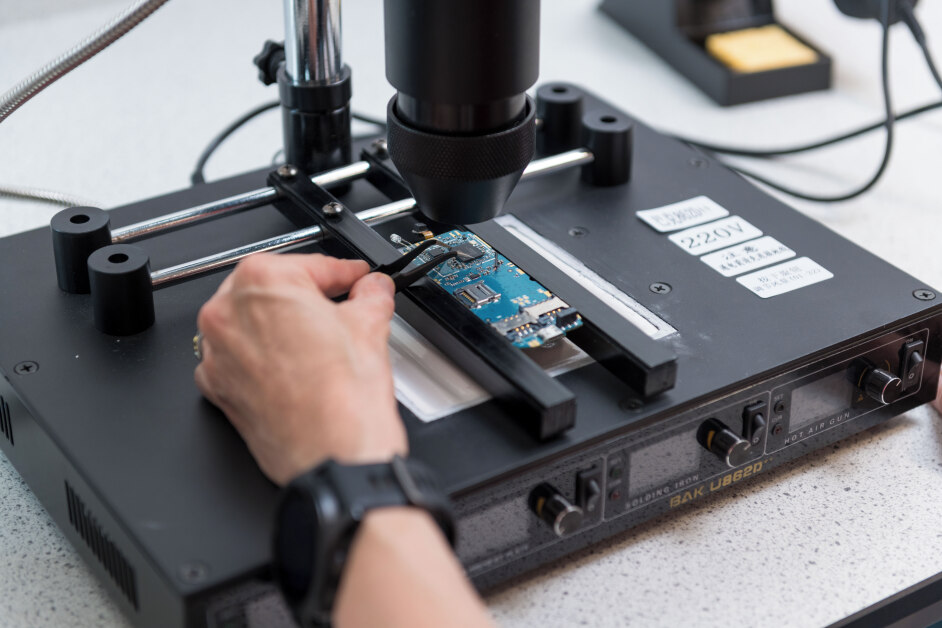
What makes our Digital Forensics programme so special?
Our Digital Forensics MSc course is designed to provide students with the knowledge and skills to commence a career in digital forensic science and seek to address the operational needs of policing and the skills shortage of educated and trained individuals in this field. Digital forensics is becoming one of the most critical fields within forensic science. As such, the Digital Forensics MSc at Cranfield University will help equip students with the necessary understanding of digital forensic science, courtroom and investigative skills and research methods to prepare them to practise as digital forensic professionals.
Throughout your learning journey, you will have access to our state-of-the-art lab where you will use forensic tools and learn specialist techniques and approaches that are deployed in many of the forensic laboratories world-wide, readying you for entering industry.
From Crime Scene to Court
The course itself consists of the following seven taught modules and a thesis, designed to prepare students for a digital forensic journey from crime scene to court.
- Courtroom Skills.
- Investigation and Evidence Collection.
- Introduction to Digital Crime and Investigation.
- Digital Forensics Techniques and Traces.
- Internet Based Investigations.
- Programming for Digital Forensics.
- Mobile Device Forensics.
- Thesis.
World-Class MSc
Our Digital Forensics MSc is offered in partnership with CCL Solutions Group Ltd. Our digital forensics teaching team is made up of a mix of academics and currently practising and experienced digital forensic analysts. Our academics have significant and relevant operational experience and are engaged in research that is intended to benefit the digital forensic community by addressing some of the current challenges being faced by law enforcement.
Our experienced analysts practise within CCL Solutions Group Ltd, one of the biggest digital forensics providers in the U.K. and conduct digital forensics case work daily. As a result, they bring a vast amount of practical knowledge and experience to their teaching, providing real-world insight into this discipline.
Building your Skillset
On completion of the Digital Forensics MSc course, we expect our students to have gained a strong technical underpinning and in-depth knowledge of current and emerging technologies, and the forensic challenges they pose. In turn, students will have acquired a range of investigatory skills which should allow them to conduct effective digital forensic examination.
We raise awareness of the legal, ethical, procedural and professional issues and obligations raised in this field and consider approaches to suitable address or adhere to them, and to be sound and reliable decision makers. Our aim is to train the next generation of digital forensic practitioners, capable of tackling those technological challenges that we all face in the coming years.
Funding Support:
If you’re interested in pursuing a Digital Forensics MSc with Cranfield University, the CCL Future of Digital Forensic Science Scholarship may be just what you need to start your journey.


Categories & Tags:
Leave a comment on this post:
You might also like…

How do I access the full-text of Harvard Business Review (HBR)?
This is a frequently asked question, and it's worth knowing how to access this key management journal. So, how do you access HBR in full-text? The short answer is via our eJournals finder. You can find ...
Engineering problem to solve? Let Knovel help you find a solution
Did you know that Knovel provides you with more than just eBooks? Knovel is a key database for many engineering, mechanical and materials courses here at Cranfield University, and contains content from an extensive range ...
What happens when female scholars meet influential leaders?
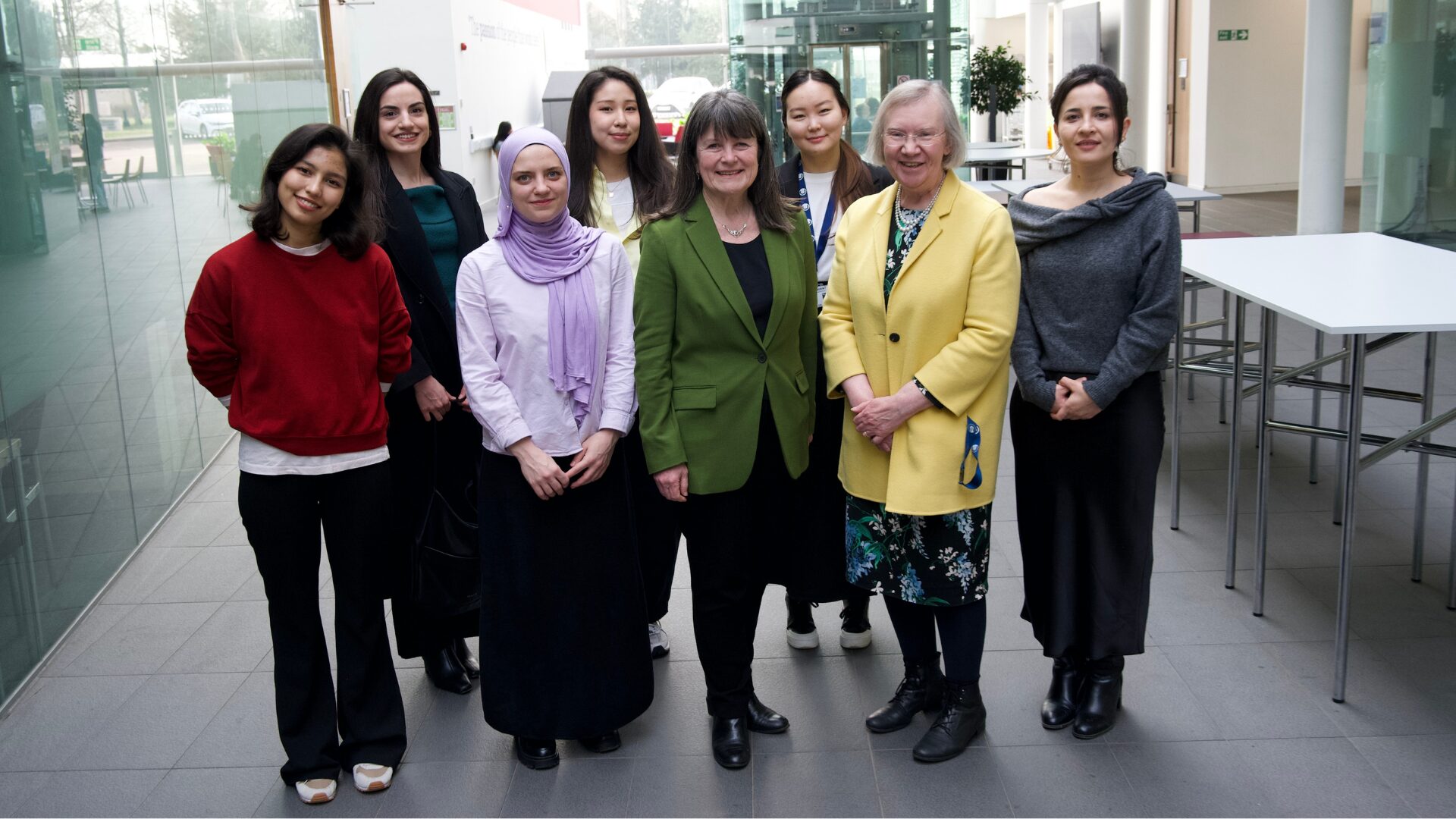
On the 5 March 2026, our British Council Women in STEM Scholars had the privilege of sitting down with two excellent role models of industry and academia: Professor Dame Karen Holford, ...
From MSc to CEO: Igniting a research revolution
For many, a master’s degree is achieving a big milestone. Kilyan Ocampo, Computational Fluid Dynamics alumni shares how studying at Cranfield helped launch his career in the energy sector. Today, Kilyan ...

Commuting, collaborating and growing: My first term experience at Cranfield
My first term at Cranfield University has been an extremely positive and rewarding experience. While the course has been intense at times, it has pushed me in the best possible way and allowed me ...

Sourcing country analysis – a guide to Library sources
For those researching a country, you will find that country information tends to take two forms: Analysis - country reports are descriptive reports covering most areas of interest on a country. They contain an analysis ...
Comments are closed.