


The Bigger Bang
22/05/2015

The news in today’s newspapers about the fines being handed out to the banks again takes me back to the “big bang”; the change that happened in the City of London in the late 1980s.
Before that date, the city was seen by many as a gentleman’s club. That wasn’t a bad description. But in that pre-big bang state, those in the city had real skin in the game in that they owned (or part owned) the institutions whose money they were gambling. They weren’t just hoping for success, they were concerned about failure and the impact that would have on their wealth and reputation.
It was at that time my wife’s colleague at City University and friend George Webb wrote the book “The Bigger Bang”, and how prophetic that phrase seems to be now!
Now we pay people to gamble other people’s money. And guess what they do? Yes they gamble other people’s money, our money. But such people are incentivised to share in the success but have no stake in the failure. These are the perverse incentives that seem to inhabit our financial world.
I remember as a young manager joining the Unilever share option scheme. It seemed odd at the time. I could invest my money in the shares if the company’s share price went up, but I could take the money out if it didn’t. Almost a one way bet and that is the way we appear to incentivise many executives. But I would prefer to buy shares in a company such as Berkshire Hathaway where those running the business such as Warren Buffett could lose as well as make money.
The consultants Stern Stewart developed their approach to increasing Economic Value Added in the 1990s but even they realised bonuses needed to be pooled so that profits one year were not all paid out, but partly held against future negative consequences over the next two years.
But in today’s markets, we are paying out more in bonuses to employees than the financial institutions are paying out in dividends to shareholders. And we tolerate it! It is high time we got back to basics. That doesn’t mean we don’t incentivise people but that we actually take the time to create an incentive system that encourages people to take appropriate risks whilst managing our money.
Mike Bourne.

Categories & Tags:
Leave a comment on this post:
You might also like…
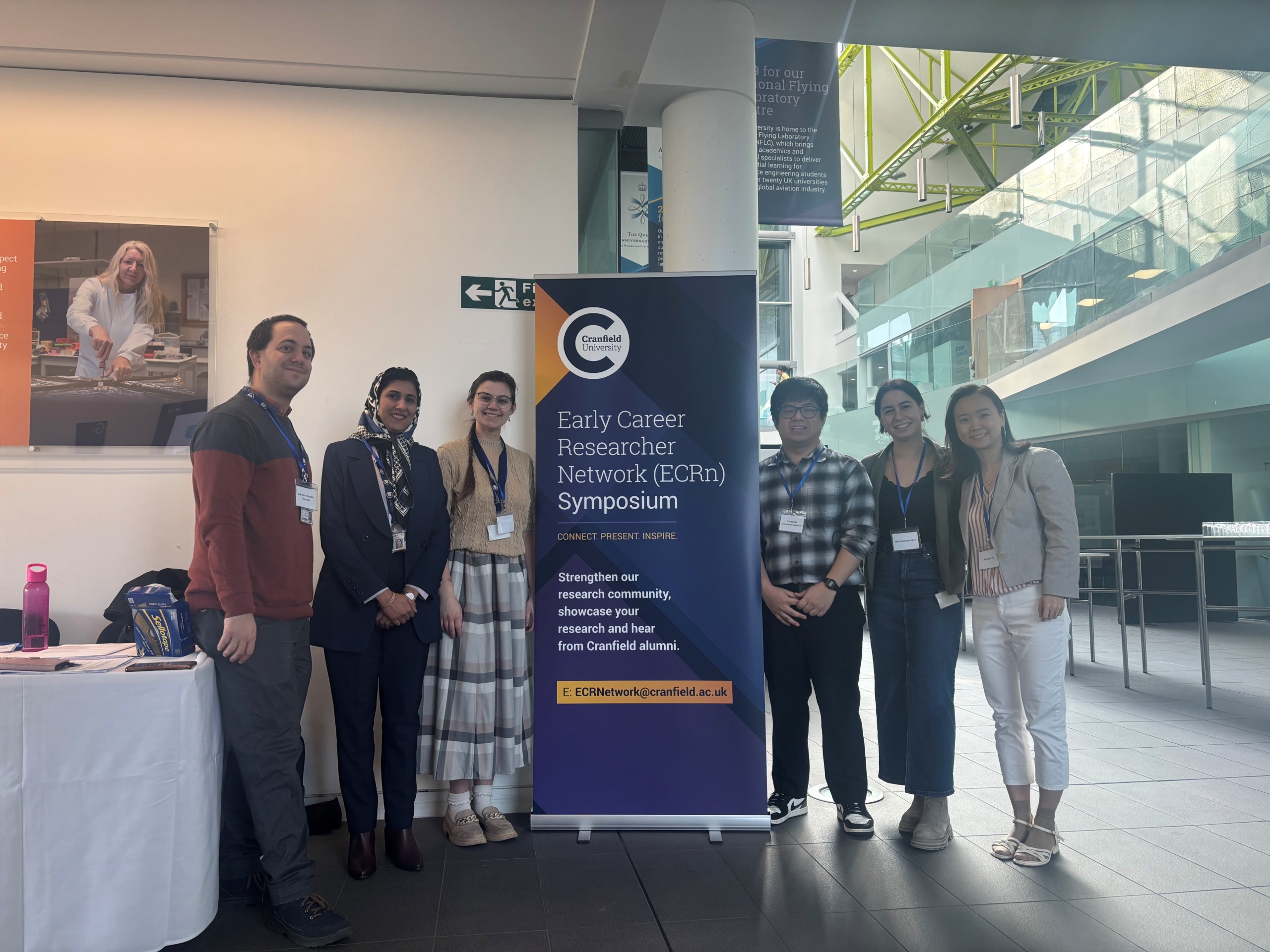
Building more than research: Reflections from the ECRn Symposium 2026
There’s something quietly powerful about a room full of early career researchers. Not just the ideas, although there were plenty of those—but the conversations, the curiosity, and the sense that everyone is figuring things ...

Library services over Easter, 3-6 April
Kings Norton Library will remain open for study 24/7. You will need your University ID card to enter the building and can use the self-service machines to borrow and return items as usual. Barrington Library ...

How do I access the full-text of Harvard Business Review (HBR)?
This is a frequently asked question, and it's worth knowing how to access this key management journal. So, how do you access HBR in full-text? The short answer is via our eJournals finder. You can find ...

Engineering problem to solve? Let Knovel help you find a solution
Did you know that Knovel provides you with more than just eBooks? Knovel is a key database for many engineering, mechanical and materials courses here at Cranfield University, and contains content from an extensive range ...

What happens when female scholars meet influential leaders?
On the 5 March 2026, our British Council Women in STEM Scholars had the privilege of sitting down with two excellent role models of industry and academia: Professor Dame Karen Holford, ...

From MSc to CEO: Igniting a research revolution
For many, a master’s degree is achieving a big milestone. Kilyan Ocampo, Computational Fluid Dynamics alumni shares how studying at Cranfield helped launch his career in the energy sector. Today, Kilyan ...