


Judgement vs Process
19/04/2018

Listening to the Today programme I was interested to hear a former employee of the Border Agency talking about the way in which immigration officers exercised judgement in dealing with people whose right to stay in this country was in doubt. He explained that it was not just a case of looking at documents, some of which were inaccurate anyway, it was a matter of talking to people and making an informed judgement based on several pieces of evidence. He talked about having the responsibility to do that himself.
Some years ago, while running a training business, a member of my admin team noticed that course notes for “managing teams” were in the “leadership” course folders. When the new recruit tasked with putting notes in folders was questioned about this she explained she had only followed instructions written on her briefing notes. She hadn’t thought to question something that was clearly wrong. I was concerned that she may have felt too intimidated to ask someone. That wasn’t the case. She thought because the instructions were written down they must be right.
In recent years I have become increasingly concerned that strict adherence to process is driving out the use of common sense. People either don’t want to exercise judgement or can’t. We’re not encouraging them to think for themselves – even at senior levels. Process is very important but judgement is essential, even if all the person does is refer it to higher authority.

Categories & Tags:
Leave a comment on this post:
You might also like…
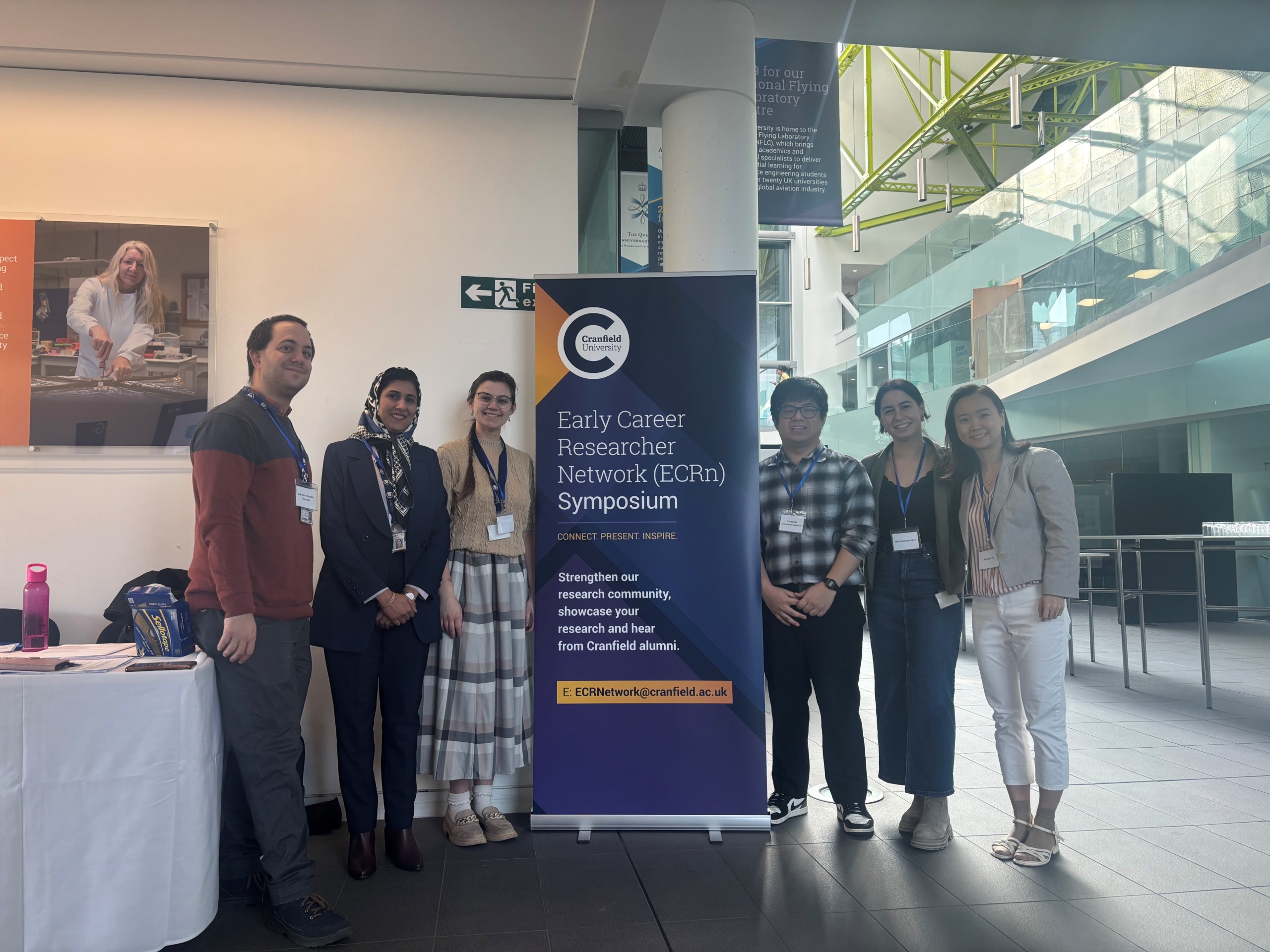
Building more than research: Reflections from the ECRn Symposium 2026
There’s something quietly powerful about a room full of early career researchers. Not just the ideas, although there were plenty of those—but the conversations, the curiosity, and the sense that everyone is figuring things ...

Library services over Easter, 3-6 April
Kings Norton Library will remain open for study 24/7. You will need your University ID card to enter the building and can use the self-service machines to borrow and return items as usual. Barrington Library ...

How do I access the full-text of Harvard Business Review (HBR)?
This is a frequently asked question, and it's worth knowing how to access this key management journal. So, how do you access HBR in full-text? The short answer is via our eJournals finder. You can find ...

Engineering problem to solve? Let Knovel help you find a solution
Did you know that Knovel provides you with more than just eBooks? Knovel is a key database for many engineering, mechanical and materials courses here at Cranfield University, and contains content from an extensive range ...

What happens when female scholars meet influential leaders?
On the 5 March 2026, our British Council Women in STEM Scholars had the privilege of sitting down with two excellent role models of industry and academia: Professor Dame Karen Holford, ...

From MSc to CEO: Igniting a research revolution
For many, a master’s degree is achieving a big milestone. Kilyan Ocampo, Computational Fluid Dynamics alumni shares how studying at Cranfield helped launch his career in the energy sector. Today, Kilyan ...