


Failing to Plan, Planning to Fail
11/03/2020
Failing to Plan, Planning to Fail
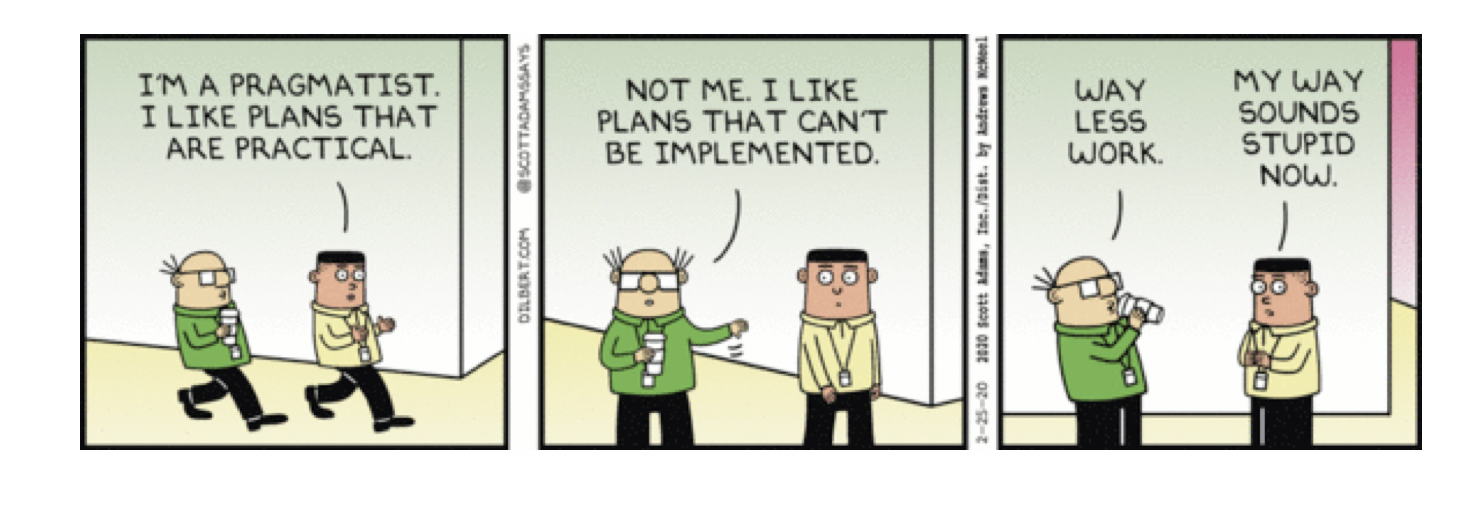
Planning isn’t all about what we want to achieve. The biggest problem is actually implementing something that can be achieved and in a way that this will deliver the outcomes and benefits we want. For some things we can immediately see that the world is complex. Solving world hunger or stopping climate change are two examples of desired outcomes we would all agree are extremely difficult to deliver. But this is also true of smaller projects.
How many times have we thought a simple process or system modification will deliver the change we require? Then what happens? We find that we have not truly understood the process or system we are interfering with. We find that others have a different view of what is best and a different view of how this can be achieved. Suddenly a supposedly simple project starts to hit the buffers and we are have to back track, re-engage with people and re-launch our project.
So, if you are about to make an announcement about a change that is going to be implemented, just think again before you do it. The change may be a “Grand Challenge” and that is fine as long as you acknowledge that you don’t know how it is to be delivered and are making the announcement to engage others in the process. The change may be a new policy or strategy, but if you announce this without knowing how it will be delivered and if you haven’t planned the execution, then be prepared for a rocky ride. Announcing something to be delivered by a certain date and within a certain budget makes a great headline as long as you are not planning to be around to be held accountable for the results.

Categories & Tags:
Leave a comment on this post:
You might also like…

Moving to the UK to study? How to plan for banking, exchange rates and transfers
Currency and banking are two of the most practical parts of financial planning for international students. They are also often the most overlooked. We asked Dr Lakshmy Subramanian, Course Director for Cranfield University's Banking, ...

Cranfield: an environment where innovation thrives
The latest Knowledge Exchange Framework rankings from UK Research and Innovation (UKRI) gives an insight into the real and meaningful impact that UK universities have. The seven categories that make up KEF6 cover everything ...

How Cranfield accelerated my career in Logistics and Supply Chain Management
After graduating from the MSc in Logistics and Supply Chain Management at Cranfield University, I've been reflecting on the experiences that made my journey so valuable and the impact it has had on my ...

Mendeley: a powerful tool to organise and manage your references
Are you looking for a way to manage your references, create in-text citations and reference lists for your assignments or thesis? If so, you may wish to consider using Mendeley. What is it? Mendeley is ...

Keen to develop your study skills?
Alongside the technical skills and academic knowledge that you will gain on your course, as a Cranfield student you have the opportunity to develop a range of other skills that can enhance your learning experience. ...

The V-conomy: powering the sixth wave of global economic growth
The world could be on the verge of a major surge in economic growth and development, driven by the convergence of AI and clean energy technology. Waiting to ride the K-wave The Russian ...