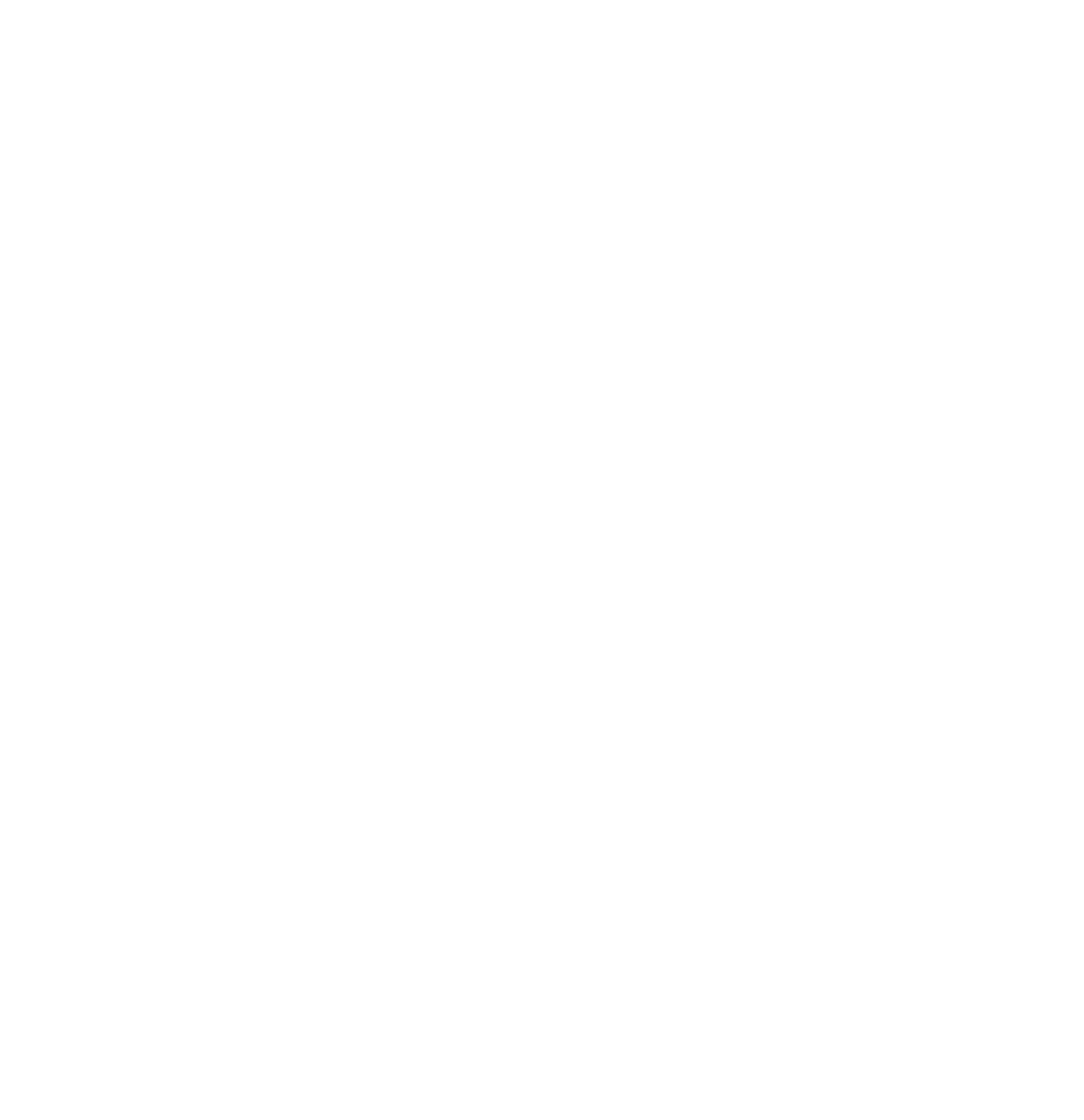


Ever wondered what your organisation does to its employees?
17/11/2017

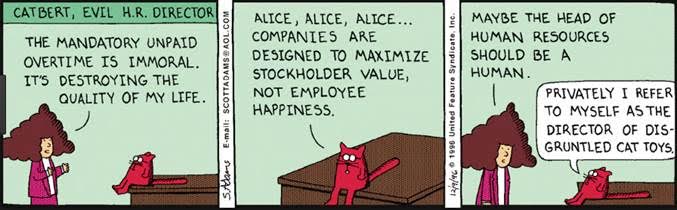
We’ll continue our story about Mission Command vs Command & Control next time. But following on from the previous blog where we introduced the idea of making employees accountable (fix the blame) without responsibility (fix the problem) I’d like to expose the so-called Energy Investment Model. We’ve had a lot of interest in this at every academic and teaching establishment we’ve practised at…..
So here it is …
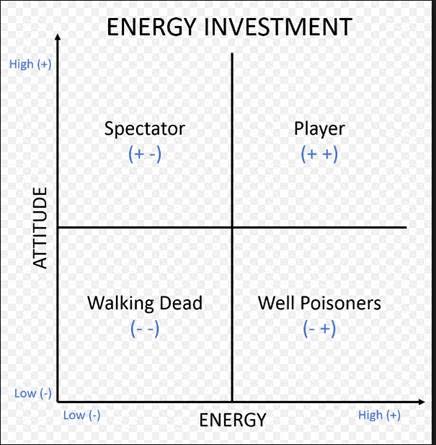
Sometimes the terms in the quadrants are named differently (Waling Dead = Zombies = Victims; Well Poisoners = Cynics etc.) – what terms would you use? Let me explain:
- Players are those people with a positive attitude and high energy levels (++), typified by people who enjoy coming to work, adding value, and appreciate being appreciated
- Spectators are those with a positive attitude but low energy levels (+-), typified by those people who actually know someone or a team are doing something that will lead to disaster, but can’t be bothered to speak up (but will mutter “I told you so” to whoever will listen)
- Well Poisoners are those with poor attitude and high energy (-+), typified by people who can always say why something won’t work and will keep on saying it (whether their opinion is sought or not!)
- And the Zombies are those with negative attitudes and low energy (–), typified by people who can’t see the point in changing anything for the better as it’s been tried X number of times before, and besides, the new guy with the ideas will be gone in less than 2 years so nothing will really change.
You probably know people in your organisation who fit into each of these quadrants….. No names please!
So when you hire a new recruit, where would you initially place them. I imagine you would recruit Players (why else would you recruit them?).
BUT, I strongly believe our organisations, through poor management practices, batter and bruise them so much very few stay in the Players’ quadrant!
In the Private Sector, we are able to fire people (within reason) in the 3 Non-Player quadrants…
In the Public Sector, it’s a lot harder!
Is it possible to bring employees back from these 3 Non-Player quadrants? Or is it too late? I’d be interested in your comments…..
More in the next blog….

Categories & Tags:
Leave a comment on this post:
You might also like…

Moving to the UK to study? How to plan for banking, exchange rates and transfers
Currency and banking are two of the most practical parts of financial planning for international students. They are also often the most overlooked. We asked Dr Lakshmy Subramanian, Course Director for Cranfield University's Banking, ...

Cranfield: an environment where innovation thrives
The latest Knowledge Exchange Framework rankings from UK Research and Innovation (UKRI) gives an insight into the real and meaningful impact that UK universities have. The seven categories that make up KEF6 cover everything ...
How Cranfield accelerated my career in Logistics and Supply Chain Management
After graduating from the MSc in Logistics and Supply Chain Management at Cranfield University, I've been reflecting on the experiences that made my journey so valuable and the impact it has had on my ...

Mendeley: a powerful tool to organise and manage your references
Are you looking for a way to manage your references, create in-text citations and reference lists for your assignments or thesis? If so, you may wish to consider using Mendeley. What is it? Mendeley is ...

Keen to develop your study skills?
Alongside the technical skills and academic knowledge that you will gain on your course, as a Cranfield student you have the opportunity to develop a range of other skills that can enhance your learning experience. ...

The V-conomy: powering the sixth wave of global economic growth
The world could be on the verge of a major surge in economic growth and development, driven by the convergence of AI and clean energy technology. Waiting to ride the K-wave The Russian ...