


Communities of Practice
15/01/2014

No one is more surprised than me that my thesis has potential. You see, as a student in Cranfield University’s MSc Managing Organizational Performance, I initially struggled with my thesis. I focused on organizational learning, which has an extensive body of literature. So, I started by reading a small number of articles that each provided a literature summary. However, I struggled to define a research question. I started to worry until I discovered the concept of “communities of practice”. After discussing it with my supervisor, Jutta Tobias, and talking about it with fellow students, I came to define my research question as exploring the perceived impact of leaders on the purposeful creation of communities of practice – a significant gap in the literature but, little did I know, a very relevant topic.
As I continued to read following my graduation – a habit established as a student that I still carry with me today – I saw topics seemingly similar to my thesis, just using different words: Pugh and Prusak’s Knowledge Networks, Linda Hill’s Leading from Behind, Henry Mintzberg’s concept of communityship, Gary Hamel’s Moonshots, and the list goes on. As I read more and more, I thought that maybe, just maybe, Jutta was right when she said she could see me using my thesis as a foundation upon which to build a practice.
Sometime thereafter I attended a party and was telling a friend about my thesis. I explained to him how I thought it was a relevant topic and might be publishable. He said, “Don’t let the grass grow under your feet.” It was those words that motivated me to set aside a long weekend in July to explore publication and presentation opportunities for my thesis. I searched extensively and identified a number of opportunities – some of which have responded, and many others yet to be pursued. I am not sure if I will further my education, so I decided to focus on practitioner-oriented opportunities instead of those that were academic-oriented. Not to mention, it is much easier!
The first two opportunities I focused on came through right away. A much shorter version of my thesis was published in the Fall 2013 issue of the American Society for Quality’s Quality Management Forum. It was quite the challenge getting 16,000 words down to some 3,000 but I managed to get it written. However, the greater challenge came when the Human Capital Institute offered me the opportunity to be a keynote speaker at its Learning and Leadership Development Conference in November 2013. For the presentation, I had to take what was very academic and make it practitioner-oriented and compelling to the audience. So, I took a storytelling class and learned how to tell a story with my thesis. And now I can use these two documents to pursue the other opportunities.
Being a student in Cranfield University’s MSc Managing Organizational Performance program was rewarding in many ways. I furthered my knowledge and met great people. But I also learned about myself – I better understood my perspective on organization and discovered a passion. Now, I am taking what I did and getting it out there as an opportunity to build my personal brand.
Marla Hetzel
Marla’s publication can be found on the Cranfield School of Management website:
Communities of practice: from self organizing to purposeful creation and the role of leaders

Categories & Tags:
Leave a comment on this post:
You might also like…
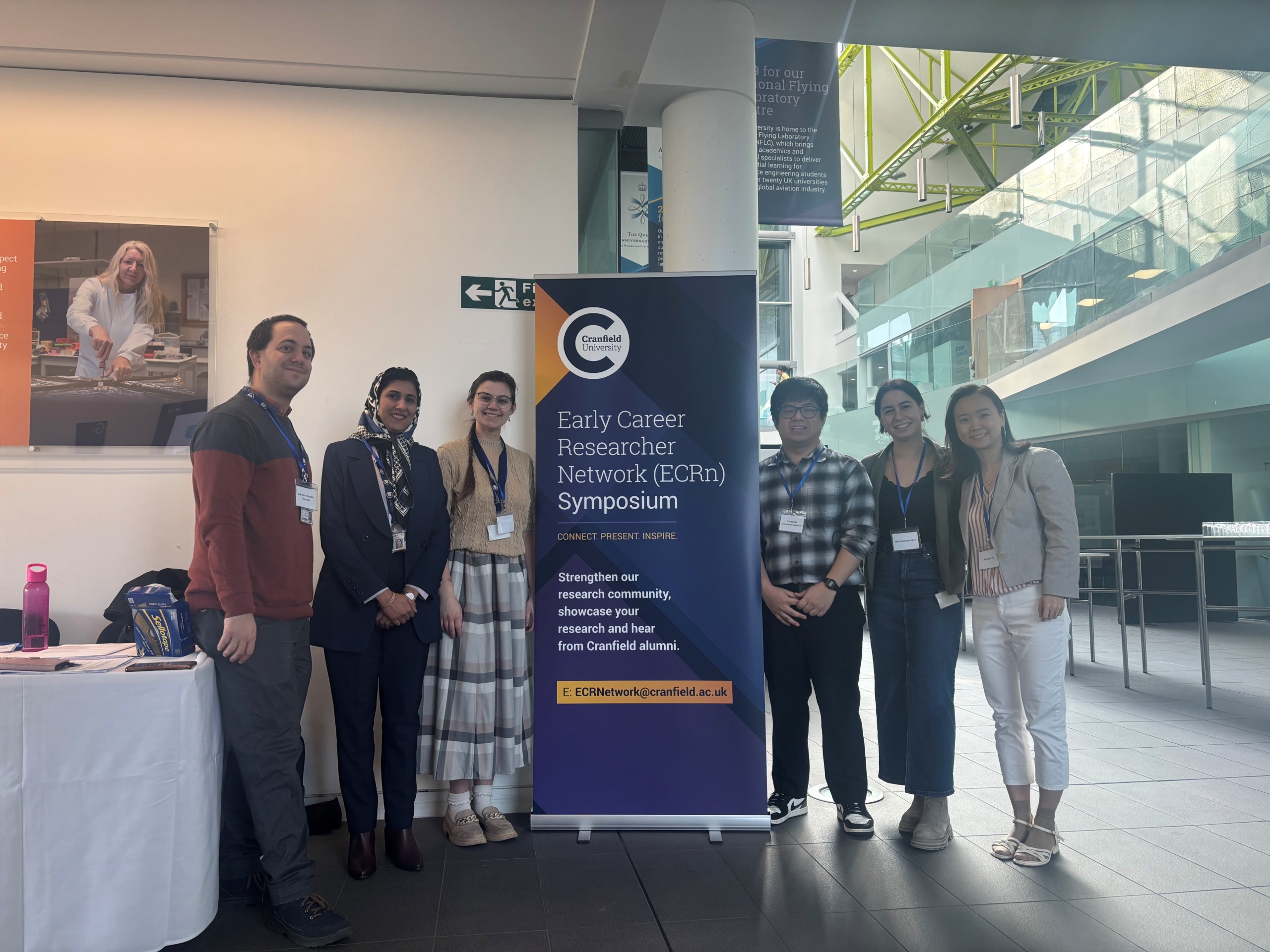
Building more than research: Reflections from the ECRn Symposium 2026
There’s something quietly powerful about a room full of early career researchers. Not just the ideas, although there were plenty of those—but the conversations, the curiosity, and the sense that everyone is figuring things ...

Library services over Easter, 3-6 April
Kings Norton Library will remain open for study 24/7. You will need your University ID card to enter the building and can use the self-service machines to borrow and return items as usual. Barrington Library ...

How do I access the full-text of Harvard Business Review (HBR)?
This is a frequently asked question, and it's worth knowing how to access this key management journal. So, how do you access HBR in full-text? The short answer is via our eJournals finder. You can find ...

Engineering problem to solve? Let Knovel help you find a solution
Did you know that Knovel provides you with more than just eBooks? Knovel is a key database for many engineering, mechanical and materials courses here at Cranfield University, and contains content from an extensive range ...
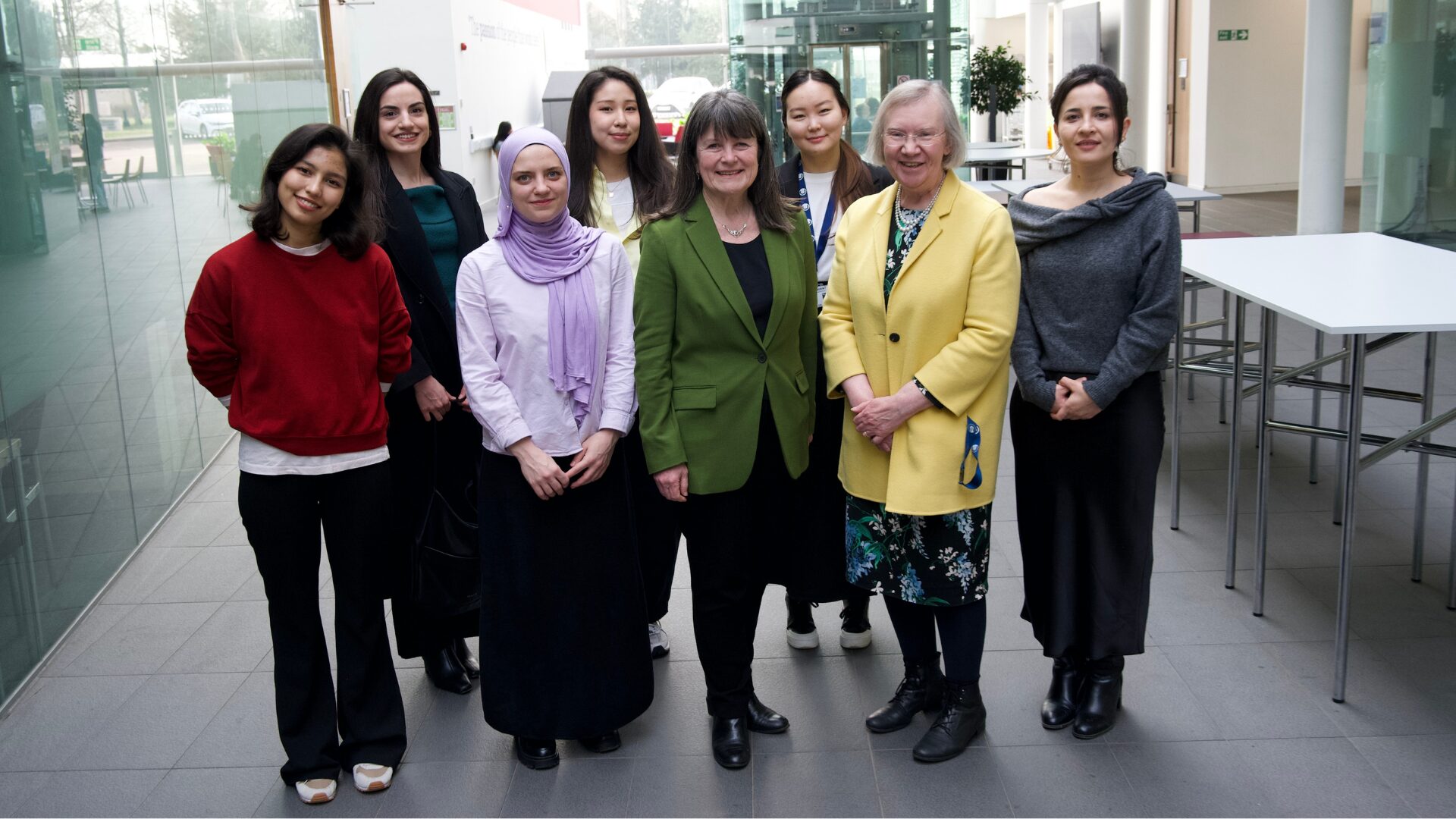
What happens when female scholars meet influential leaders?
On the 5 March 2026, our British Council Women in STEM Scholars had the privilege of sitting down with two excellent role models of industry and academia: Professor Dame Karen Holford, ...
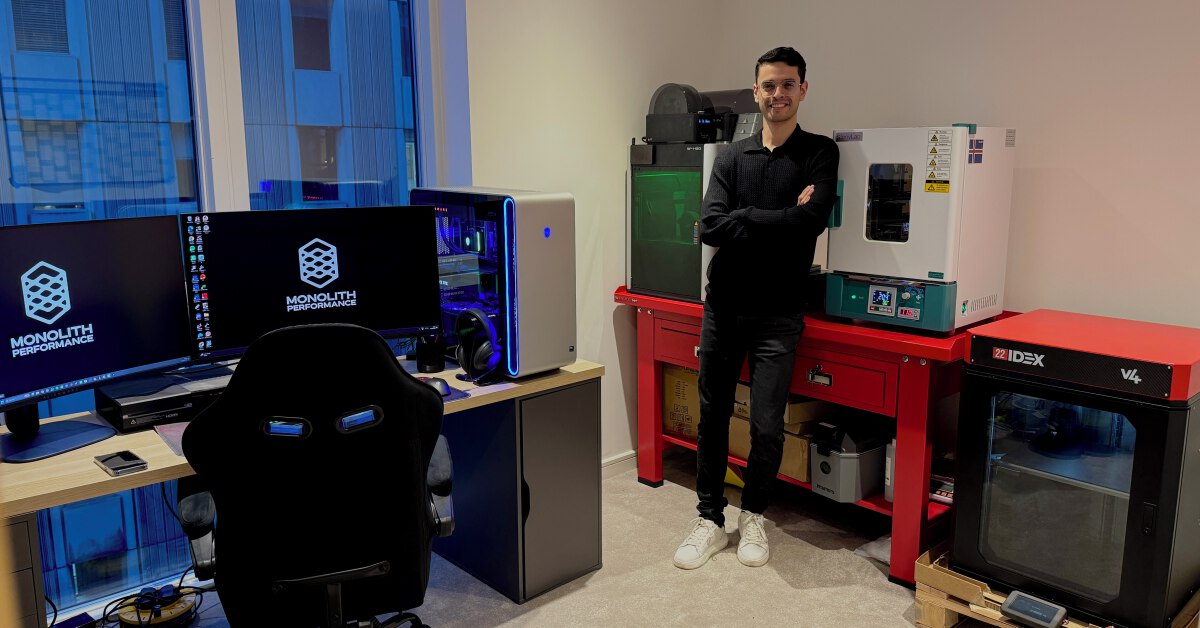
From MSc to CEO: Igniting a research revolution
For many, a master’s degree is achieving a big milestone. Kilyan Ocampo, Computational Fluid Dynamics alumni shares how studying at Cranfield helped launch his career in the energy sector. Today, Kilyan ...
Hi Marla
I am always surprised and impressed by what our students get out of their MSc research theses.
The thesis always looks a daunting task with perhaps only some intangible academic benefit. But in reality this is the part of the degree that the students learn the most, and the faculty too.
I always look forward to the students’ final thesis presentation because that session is usually better than any academic conference session I attend on the subject and I get new insights from what has been done.
Really good to see that your work has been publish
Mike
Marla, thank you for sharing your experience, and what you’ve learned, here on our blog.
What you’ve achieved during and beyond your time at Cranfield is truly impressive.
Congratulations again on converting your hard work into such useful contributions,
Jutta
Thanks Mike!