


What a Mango Scientist Learned from Anthropy 23
06/12/2023
Anthropy 23 and the ‘Emerging Leader’ title
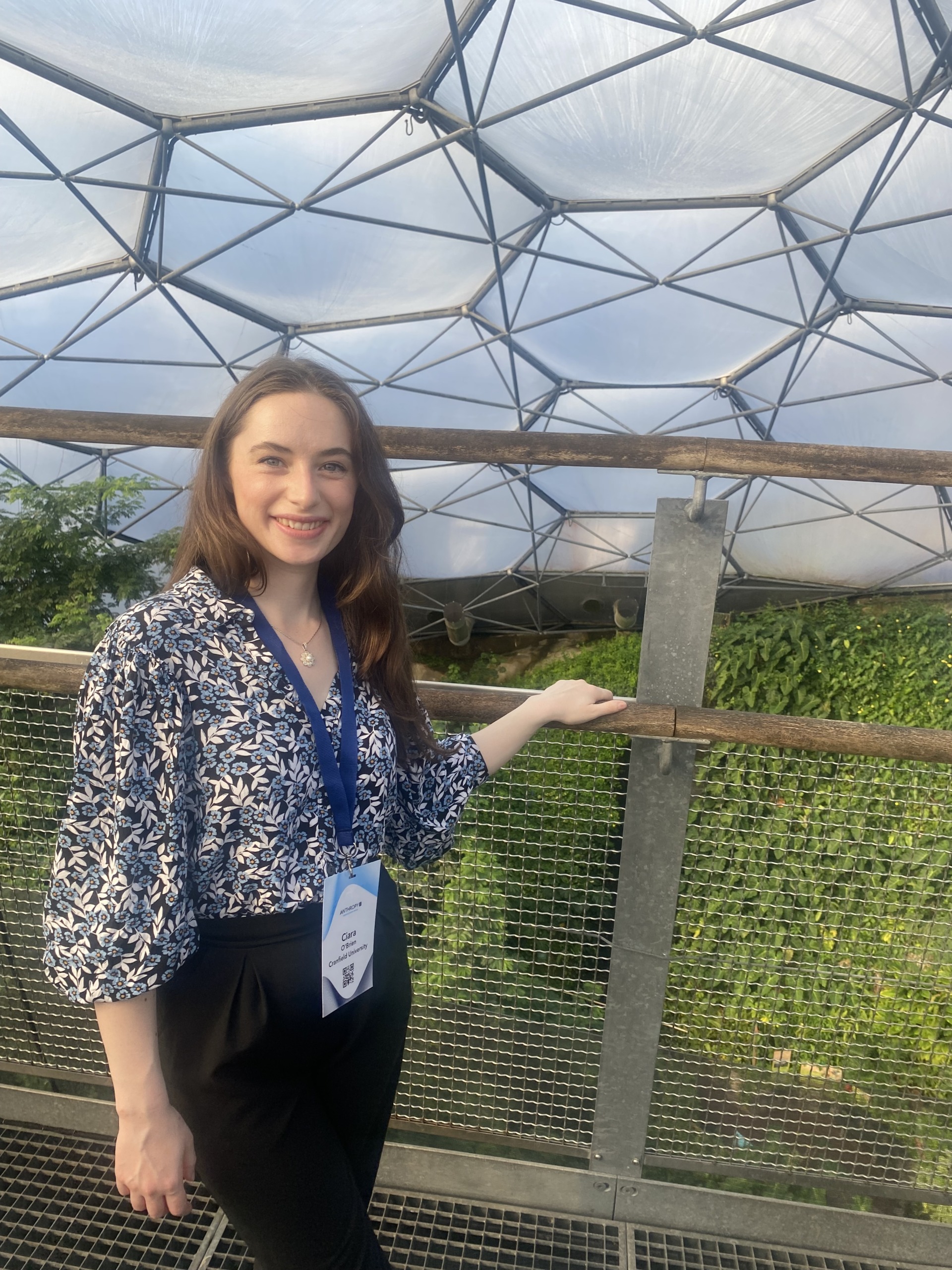 As a researcher, a setting like Anthropy was quite foreign to me. The conferences I have attended before were scientific/academic gatherings, where people presented data they had gathered to study a very specific problem. Ideas and perspectives are still shared, but in a different context. And so I was asking myself ‘what does it mean to be an Anthropist, and to be an Emerging Leader?’
Before I applied to attend, I looked at the Anthropy website which explained that it was a gathering of people who want to work toward a better future, a space to share ideas, and learn new ways to achieve tackle different problems. This sounded like a great space to gain insights from other fields, discover new things, but I still didn’t know what it meant to be an Emerging Leader.
The Eden Project Setting
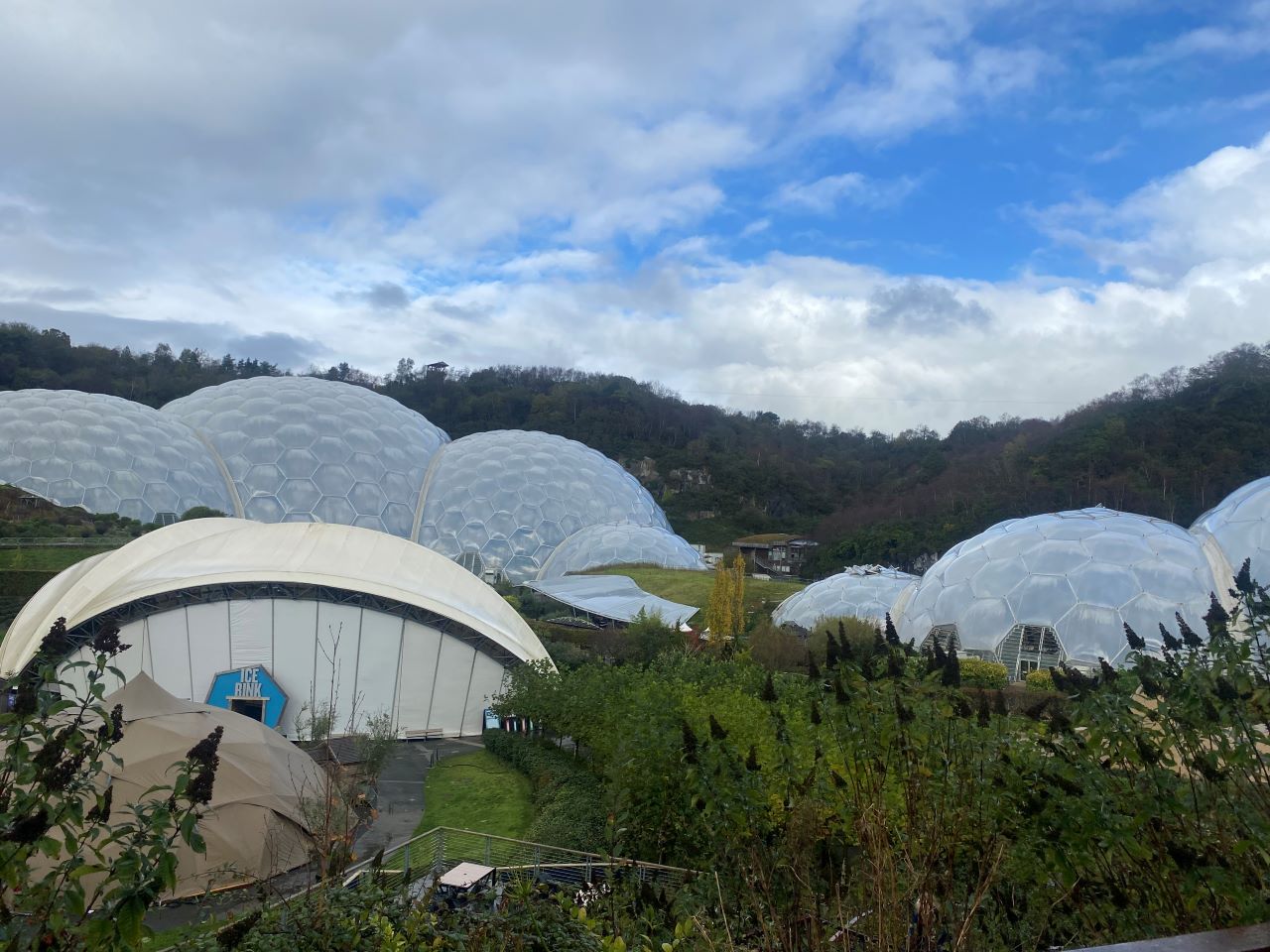
Being a plant scientist, the Eden Project was a dream trip! I also think it was the perfect setting for Anthropy. The space is a former clay pit that has been transformed into a haven for tropical life in Cornwall, showing that what good intentions, ambitious goals, and hard work can achieve. The first thing I did in Anthropy was attend one of their tours, learning about their renewable energy sources, their biocontrol (lizards and birds that control the insect populations), and how the fruit trees impact the natural environment and the food chain.
From Doom and Gloom to A Hopeful Future
Several of the sessions I attended followed the same pattern; going from the ‘doom and gloom’ of our current state, and then all of the ideas we had to ensure a better future. What I really appreciated were the speakers who also included the positive changes that we have already achieved, and what we can build on to accomplish even more. Some speakers reflected on how consumer habits have changed, even in the face of economic adversity, as we have become more educated on how our buying habits can impact the environment.
The setting was also a strong reminder of the huge advancements in sustainable engineering that have been made in the last few decades, giving ever expanding and improving options for renewable energy. It can be difficult to look at all of the challenges we currently face and still feel hopeful that we can meet them, but in the context of what we have already achieved, we become empowered.
Different Perspectives Merging Together
One thing that surprised me was how different the perspectives of the speakers were. The panels were carefully constructed to bring experts in a single topic each with a unique background and motivation, but I was mostly surprised by how differently people approached these problems. There were some speakers who focused on positive change from within an industry, others looked at how legislation and consumer education can make changes from the outside. I was really excited to expand my network, meeting so many people involved in engineering, fashion, economics, and policy that have taught me so much in such a short time about these areas.
As with any gathering designed to create discussion, I encountered speakers with whom I disagreed. One example being that we “just have to reduce food waste by 50%”. As someone who has done a 3-year PhD on food loss and waste, within a lab group focused on this issue (with a collective 50+ years of research on how to achieve this) we wish it was that easy!
Another example was “Nobody should be eating food that has ever touched a chemical”. Now, I hate to be the bearer of bad news, but ‘chemicals’ include things like water, soil nutrients, and the vegetable itself! So if you decide not to eat any chemicals, you won’t survive the ordeal…
What these examples gifted me was the opportunity to consider how to apply an academic approach to navigating the need for education and information sharing. Essentially, what it means to be an Emerging Leader.
Anthropy brings everyone with a common goal together, and it’s the younger generation, with their new ideas and perspectives, that can challenge the way things are currently done. These are the young business owners embedding sustainability within their work, new employees advocating for disability rights in front of boards of directors, and early career scientists challenging the misinformation being shared by established leaders.

Categories & Tags:
Leave a comment on this post:
You might also like…
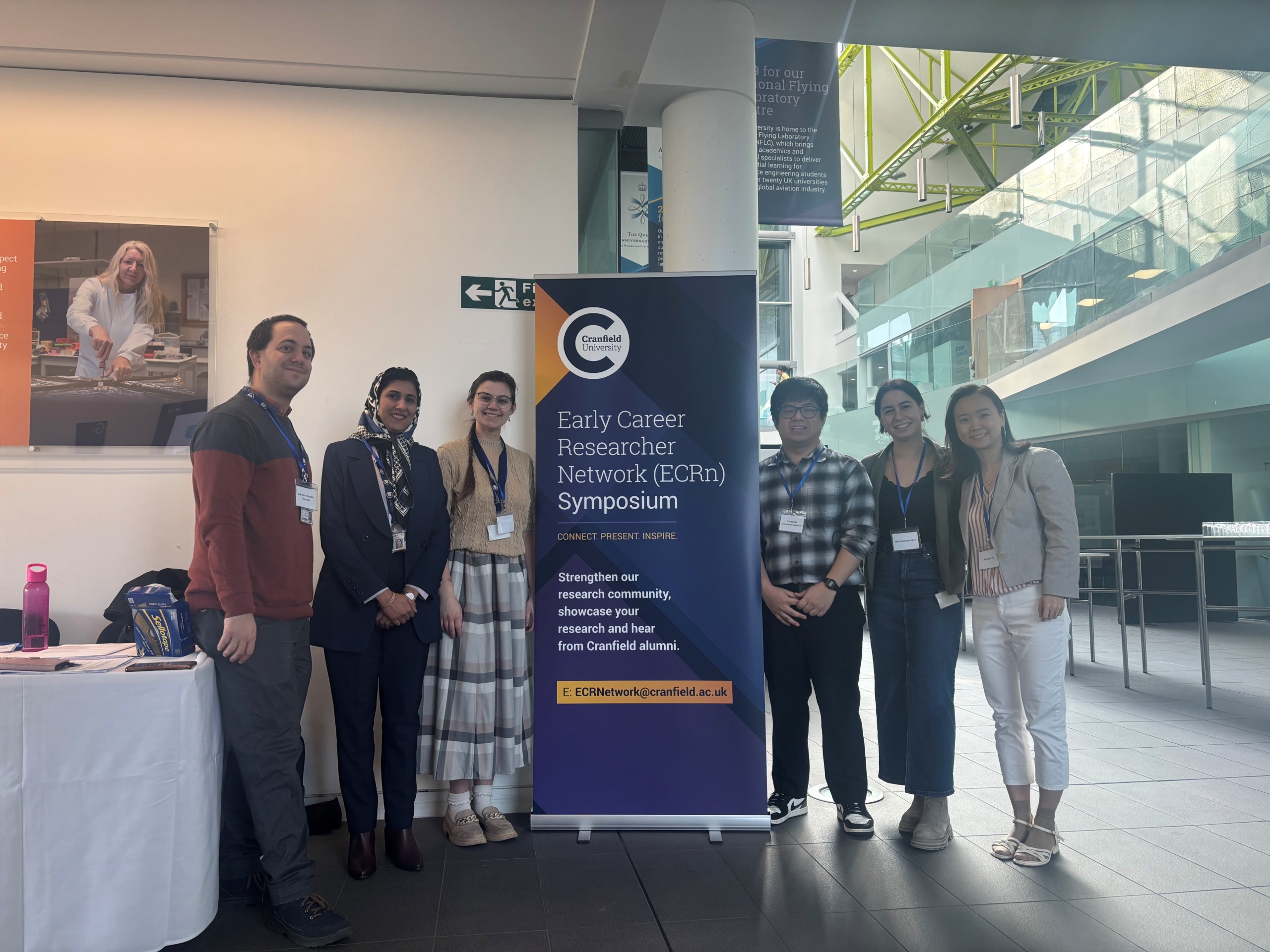
Building more than research: Reflections from the ECRn Symposium 2026
There’s something quietly powerful about a room full of early career researchers. Not just the ideas, although there were plenty of those—but the conversations, the curiosity, and the sense that everyone is figuring things ...
Library services over Easter, 3-6 April
Kings Norton Library will remain open for study 24/7. You will need your University ID card to enter the building and can use the self-service machines to borrow and return items as usual. Barrington Library ...

How do I access the full-text of Harvard Business Review (HBR)?
This is a frequently asked question, and it's worth knowing how to access this key management journal. So, how do you access HBR in full-text? The short answer is via our eJournals finder. You can find ...

Engineering problem to solve? Let Knovel help you find a solution
Did you know that Knovel provides you with more than just eBooks? Knovel is a key database for many engineering, mechanical and materials courses here at Cranfield University, and contains content from an extensive range ...
What happens when female scholars meet influential leaders?
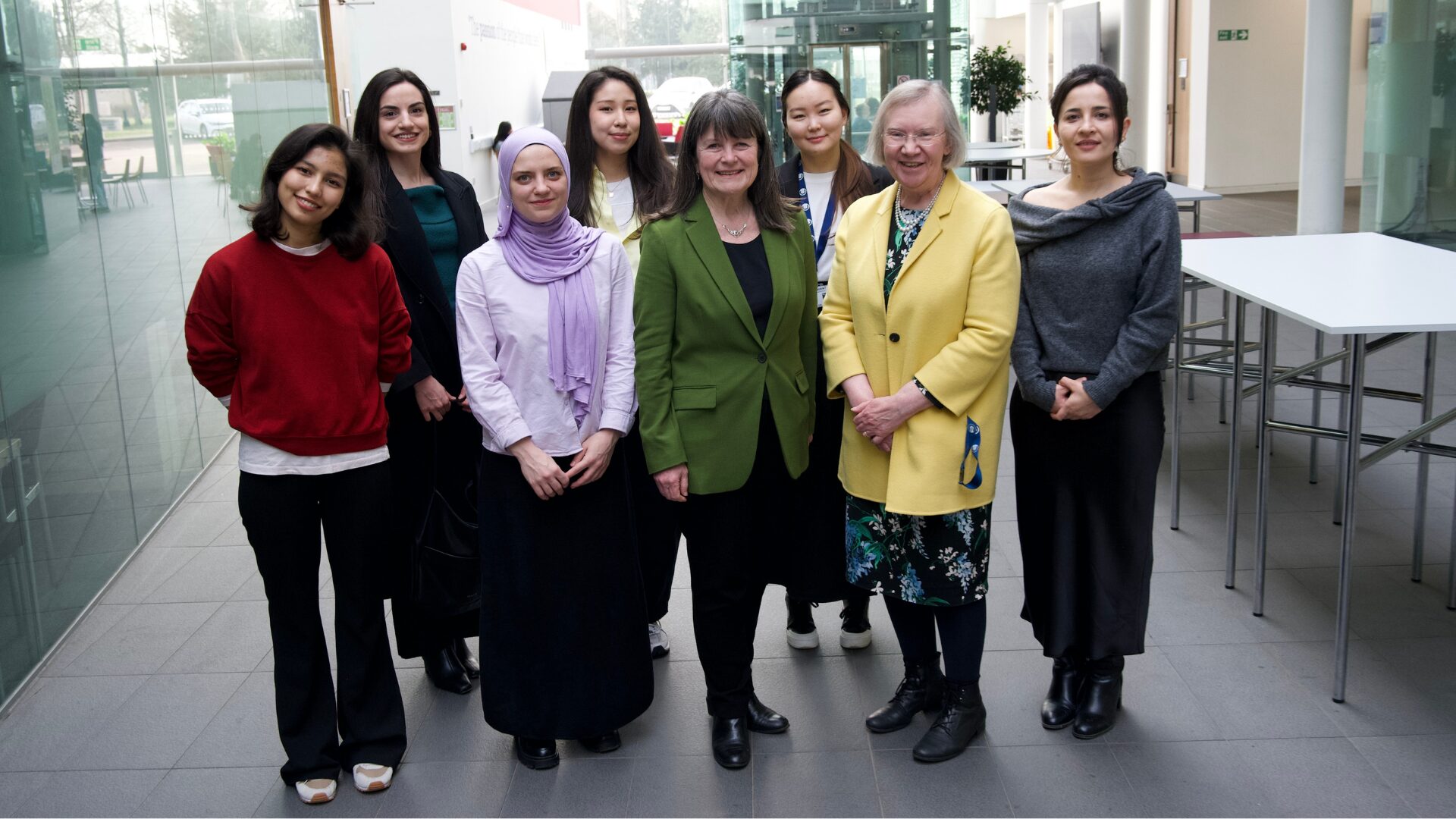
On the 5 March 2026, our British Council Women in STEM Scholars had the privilege of sitting down with two excellent role models of industry and academia: Professor Dame Karen Holford, ...
From MSc to CEO: Igniting a research revolution
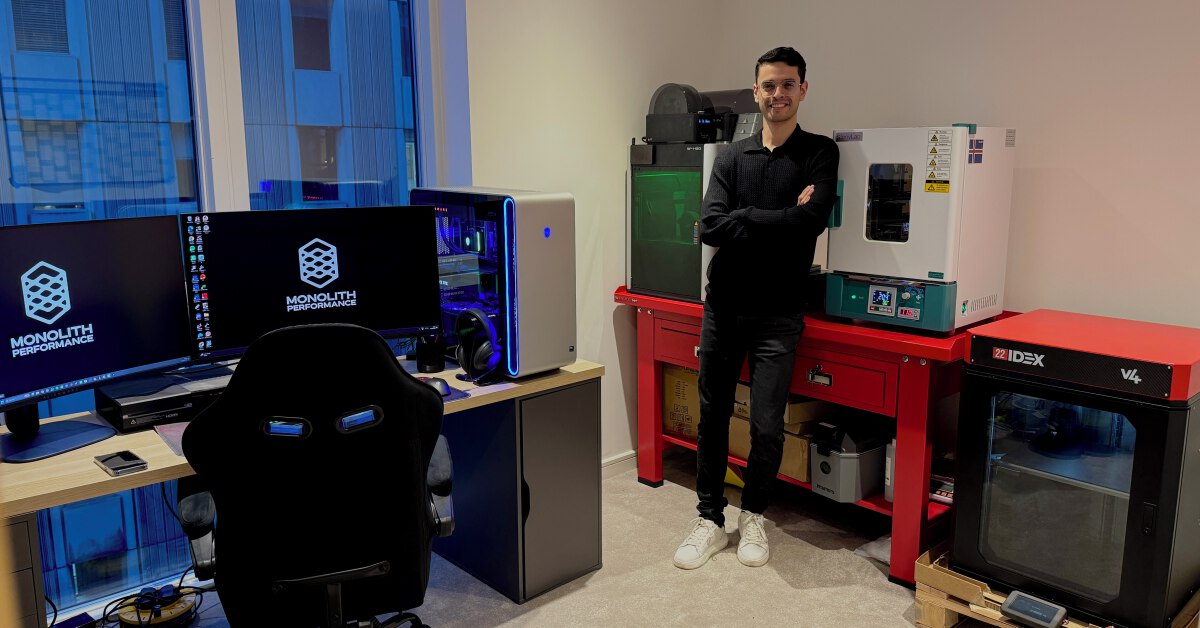
For many, a master’s degree is achieving a big milestone. Kilyan Ocampo, Computational Fluid Dynamics alumni shares how studying at Cranfield helped launch his career in the energy sector. Today, Kilyan ...
Comments are closed.