

World Soil Day 2020
04/12/2020
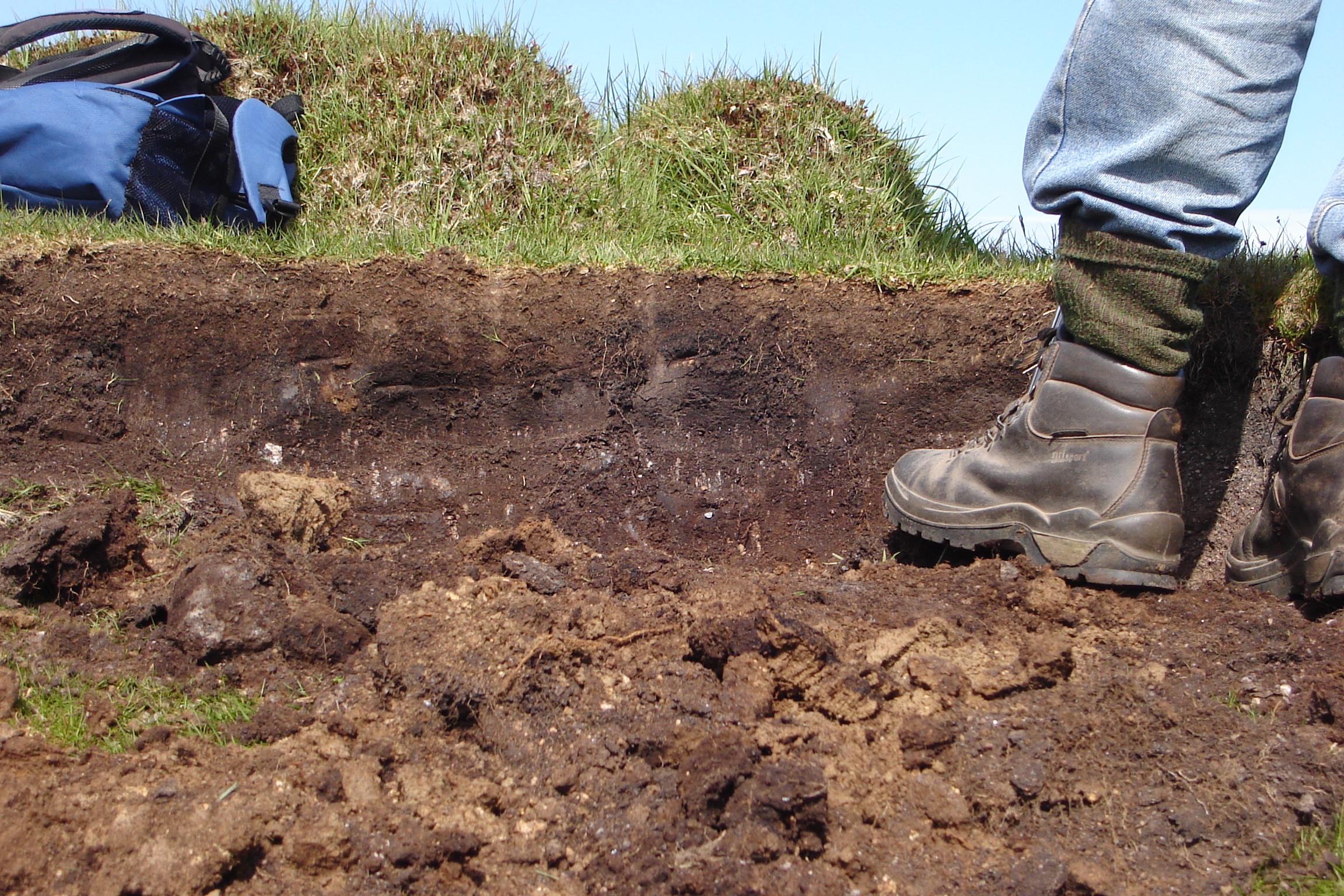
While some may think soil is a bit of a nuisance, making cloths muddy, have you ever stopped to think what life would be like without it?
Soil not only supports the majority of the food we eat but it also supports habitats such as woodland, moor, parks and gardens that support a diversity of life, which help to regulate our climate. Soil slows the movement of water off of the land allowing us to capture it for a cup of tea, to flush the toilet or to irrigate our crops. Not to mention, if we get things right, it helps protect our properties from flooding. Soil provides us with aggregates used in construction and material to sculpture our urban landscapes. We use soil to form utensils, such as plates and jugs, and to sculpture art forms that bring us pleasure. Soil provides landscapes for us to enjoy and benefits from through walking, gardening or growing our own fruit and vegetables.
So on World Soil Day, stop and think about what the soil has done for you today.
Dr Lynda Deeks
Research Fellow in Soil Science
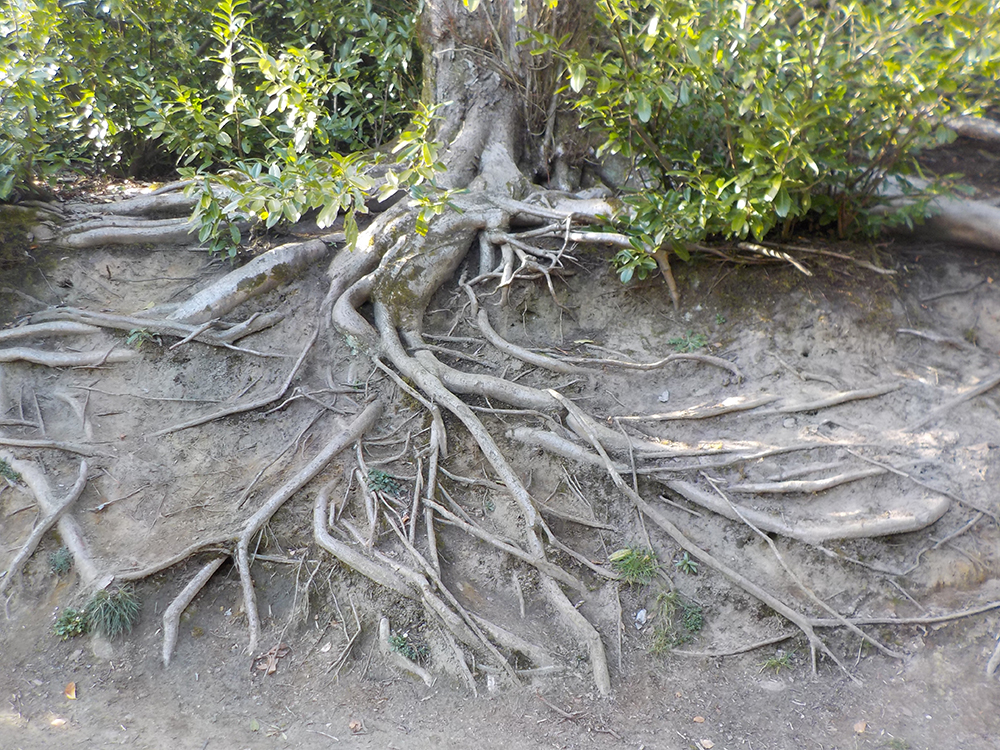
The role of soil in the ecosystem is fundamental to the survival of plants, animals, and humans at large. Soil provides anchorage to plants and supports their growth, ensuring food security for humans. Soil is also a home to many micro and macro fauna, which help to maintain a balanced biodiversity. In addition, soil protect landscapes and provides foundations for architectural structures. However, soils appear to be easily and readily destroyed by humans. World soil day reminds us that soils must be preserved because it takes thousands of years to form a centimetre of soil but few hours to destroy several tonnes.
Agbonhae Lotachi Vivian
Environmental Engineering MSc 2019-2020
Soil is a very valuable resource which plays a vital role in acting as media for food and fibre production, regulating water, storing carbon and other ecosystem functions and services. Soil degradation is a key threat which is affecting its functions. We need to ensure that we take adequate measures to preserving soil as a continuous effort and not as a one off. Damages caused to soil are irreversible or even if it can be, very rarely it is possible to revert to its original state. Hence prevention of soil degradation plus continuous preservation is the way forward to ensure that soil will continue to function as a viable resource for mankind.
Dr Ruben Sakrabani
Senior Lecturer in Soil Chemistry
Soil– some people may call it “dirt.” Often, it does not seem particularly useful, especially when we come home after a rainy fall day and carry it in our houses. It’s brown, rather boring, even gross? We easily forget that our lives depend on this “meaningless dirt.” The cotton that was used to make your t-shirt grew in soil, the potato used for the chips you eat grew in soil,… The list is endless. In German, soil means “Erde.” And you know what else we call “Erde”? Earth. A weird coincidence? Maybe not. Because soil is what makes our world alive. It is the origin of life. It is the home for the roots of our trees that magically convert carbon dioxide into oxygen that we can breathe, the home for blooming flowers that put a smile on our face, and home for the crops that carry the delicious fruits and vegetables that we enjoy every day. Despite our dependence on soil, humankind continues to “walk all over” it, we exploit it, pump it full of chemicals and microplastics. Because in the end of the day, many people are fixated on the brown, boring substance, and fail to appreciate the hidden sprouting seeds that grow to keep us and our planet alive.
Mailin Struck
Current student – Future Food Sustainability MSc

Categories & Tags:
Leave a comment on this post:
You might also like…

Keen to develop your study skills?
Alongside the technical skills and academic knowledge that you will gain on your course, as a Cranfield student you have the opportunity to develop a range of other skills that can enhance your learning experience. ...
The V-conomy: powering the sixth wave of global economic growth
The world could be on the verge of a major surge in economic growth and development, driven by the convergence of AI and clean energy technology. Waiting to ride the K-wave The Russian ...

Need help using the Python programming language?
We know some of our students are currently trying to learn Python, so we wanted to make you aware of some great LinkedIn Learning videos that can help. But don't you have to pay for ...

What does it really take to become a Chevening Scholar?
Say “Turkmenistan” to most people and you’ll get a blank look. That was true when I left Ashgabat for the UK to study an MSc in Logistics and Supply Chain Management at Cranfield University ...

Get a head start on referencing and plagiarism
We offer a module on Referencing And Avoiding Plagiarism which you can find on your Canvas dashboard. It explains the role and importance of citing references and how to incorporate the work of other authors ...
How Cranfield shaped my journey as an Aerospace Engineer
If I'm being specific about the moment it clicked, it was reading a paper called "On the Role and Challenges of Computational Fluid Dynamics (CFD) in the Aerospace Industry" by two Boeing engineers, P. ...