


What being a woman in STEM means to me
09/02/2026
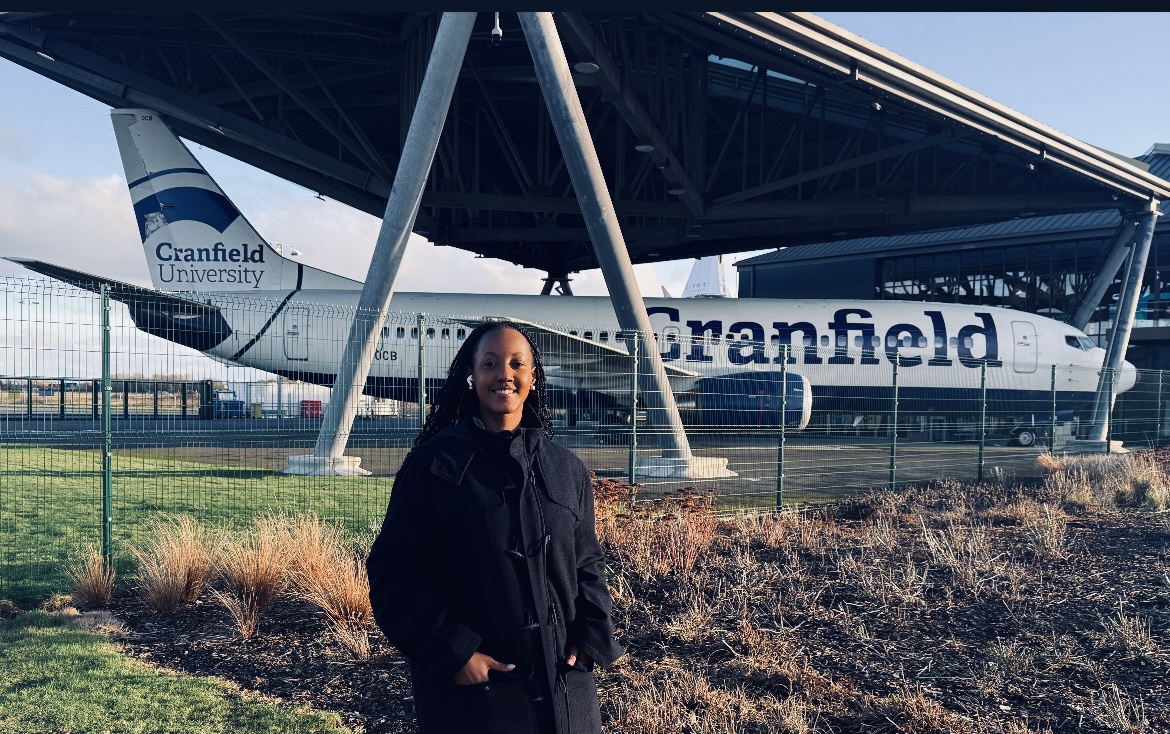
STEM is both a way of thinking and a practical toolkit. It sharpens reasoning and equips us to turn ideas into solutions with measurable impact. For me, STEM has never been only about acquiring technical knowledge, it has provided a language, confidence, and the capacity to participate meaningfully in shaping how we move, connect, and innovate. At the same time, it has revealed where existing structures fall short, filtering out talent and losing potential, especially for young girls and women. The absence of inclusive environments is not just an equity issue; it also limits innovation and progress.
At Cranfield, I am immersed in an environment that values diverse perspectives, ensures every voice is heard, and grounds learning in practical exposure. My goal is not just to understand aviation technology but to help shape the frameworks and capabilities that will enable its responsible, inclusive, and equitable deployment.
The convergence of technological innovation and societal impact in STEM motivated me to pursue my MSc in Advanced Air Mobility Systems at Cranfield University, one of the world’s leading aviation and aerospace institutions. Advanced Air Mobility represents an emerging ecosystem with the potential to address real-world challenges at the intersection of technology, equity, and sustainability. By integrating electric and autonomous aircraft such as eVTOLs, AAM is redefining how people and goods move across urban, regional, and underserved areas at scales not achievable through traditional air transport. It is projected to generate USD 30–50 billion in global economic value by the end of this decade. Its success depends on the seamless integration of airspace management systems, artificial intelligence, digital communications, and strong human capacity on ground.
Reflecting on this year’s UNESCO theme, From Vision to Impact: Redefining STEM by Closing the Gender Gap, it becomes clear that education remains a powerful pathway to a better future. Yet access alone is not enough. It is not our identity as women or girls in STEM that makes the journey difficult, but rather the systems and cultures that were not built with inclusion in mind. These structures are not fixed; they are designed, governed, and therefore capable of change. Real progress requires quality education that is safe, relevant, and responsive to the world young people are inheriting.
We need education that cultivates systems thinking, confidence, and readiness, not just technical competence. This is where the shift from intention to action must happen. The challenges are real, and change takes time. Yet, when we question, redesign, and make our systems more equitable, progress becomes inevitable. The journey may not be linear, but with collective responsibility, reaching our goals is possible.
We grew up in a world that often questioned a woman’s place in leadership and technical fields. Today, we are witnessing women rise, taking up space with purpose and conviction. Perhaps beating the odds is not about escaping where we come from, but about evolving so deeply that our origins no longer limit who we can become. We carry the dreams of those who came before us, and our perspectives—especially when shaped at the margins—allow us to reimagine the centre.
In many of my classes, I am often the only woman, and sometimes one of only a few, reflecting the broader gender imbalance in STEM. Doubt inevitably arises, often intensified by societal expectations that scrutinise women more closely and personalise setbacks. In a still male-dominated industry, I am often asked what it is like to stand out. But the goal has never been to be the exception; it is to make women’s presence in STEM normal, expected, and celebrated.
Globally, women hold less than 5% of technical aviation roles, with similar gaps across many STEM fields. I look forward to a future where the gender gap in STEM is no longer something we discuss, but something we have decisively closed. The challenges that persist in underrepresented fields—where the path can feel intimidating, effort sometimes goes unseen, and competence is questioned—should not deter us. Instead, they are signals of transformation. It is in these moments of uncertainty that growth begins. The journey is still far from easy, but it is profoundly rewarding. You start, you fail, you learn, and you grow. Every breakthrough widens the path for another. When one woman climbs, another finds the courage to begin, and in that rhythm of rising and reaching, we all move forward together.
Standing at the beginning of something meaningful has taught me that progress is not about being fearless; it is about trusting that your footing will form as you move. I feel privileged to contribute to this evolving field in the small way I can, and to do so as a woman from Rwanda, a country that continues to challenge entrenched narratives by advancing women’s leadership in both technical and decision-making spaces.
By honouring those who paved the way, celebrating the progress made, and reaffirming our commitment to opening doors, we must ensure every girl and woman sees herself in STEM not only as a participant but also as a creator of solutions that shape the future. For those already in these fields, our task is not simply to succeed within existing structures, but to understand them deeply enough to improve them and create space for everyone, especially those who feel uncertain, to find belonging and the confidence to thrive in these fields.



Categories & Tags:
Leave a comment on this post:
You might also like…

Do you know what makes a Technical Report special?
Writing a technical report is a little different to writing a lab report or an essay for your tutors, requiring a different approach, communication skills and format. What are technical reports? Technical reports are formal, ...

Norman C. T. Liu scholarships providing the next generation of opportunities to succeed in Air Transport Management
Cranfield University is proud to work with global industry leaders who believe in investing in the next generation of aviation professionals. One of those leaders, Norman C. T. Liu, has personally committed to supporting ...
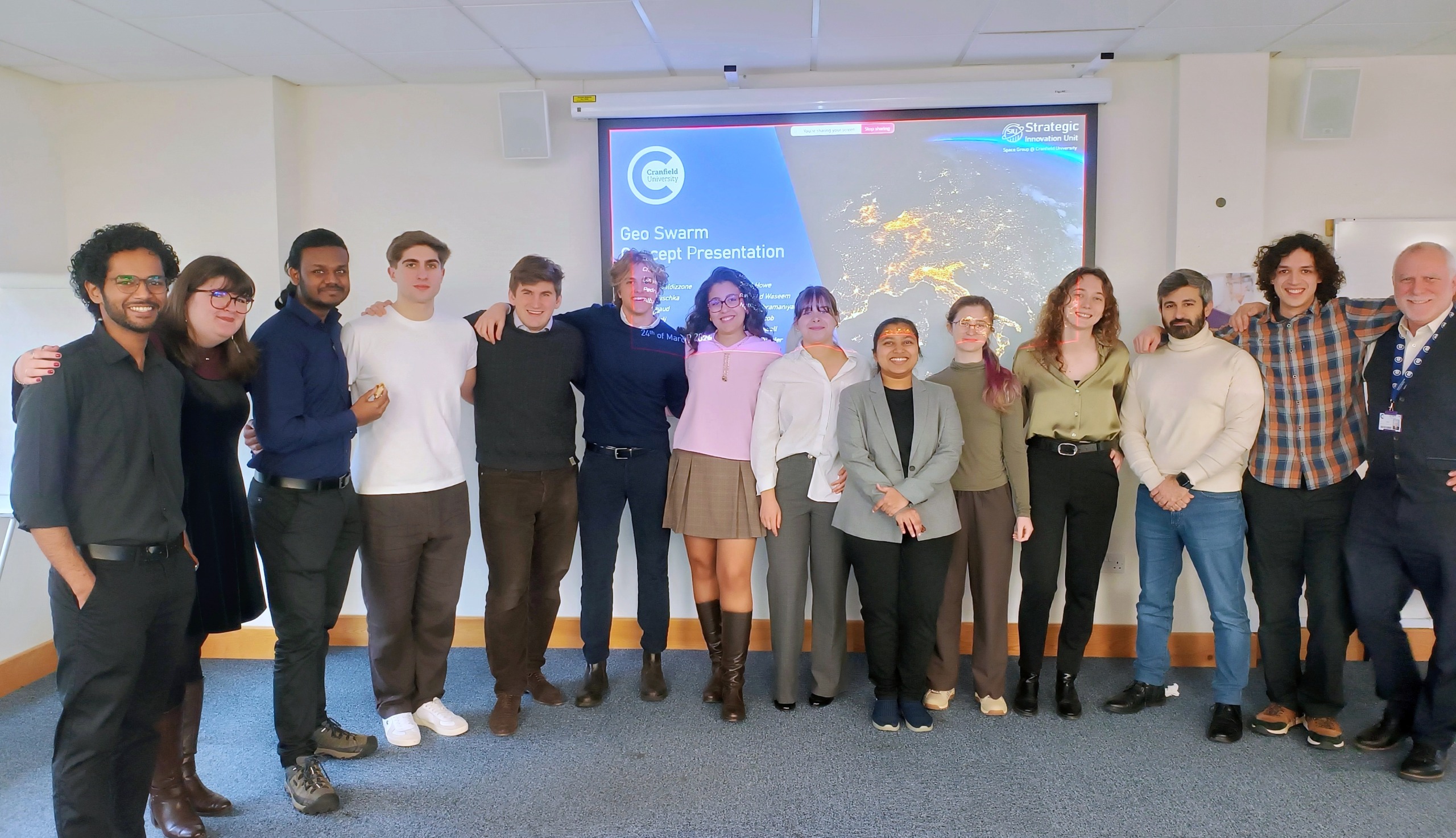
Designing the future of space: My group design project experience at Cranfield
For three years, I worked at Tata Consultancy Services (TCS) in India. While my time in the IT sector provided me with a strong analytical foundation, my true passion had always been anchored in ...

How do I reference lecture notes… in the NLM style?
If your course material contains original content that you want to use in your work, it will need to be referenced as follows: What information do you need in the reference? Author – surname initials e.g. ...
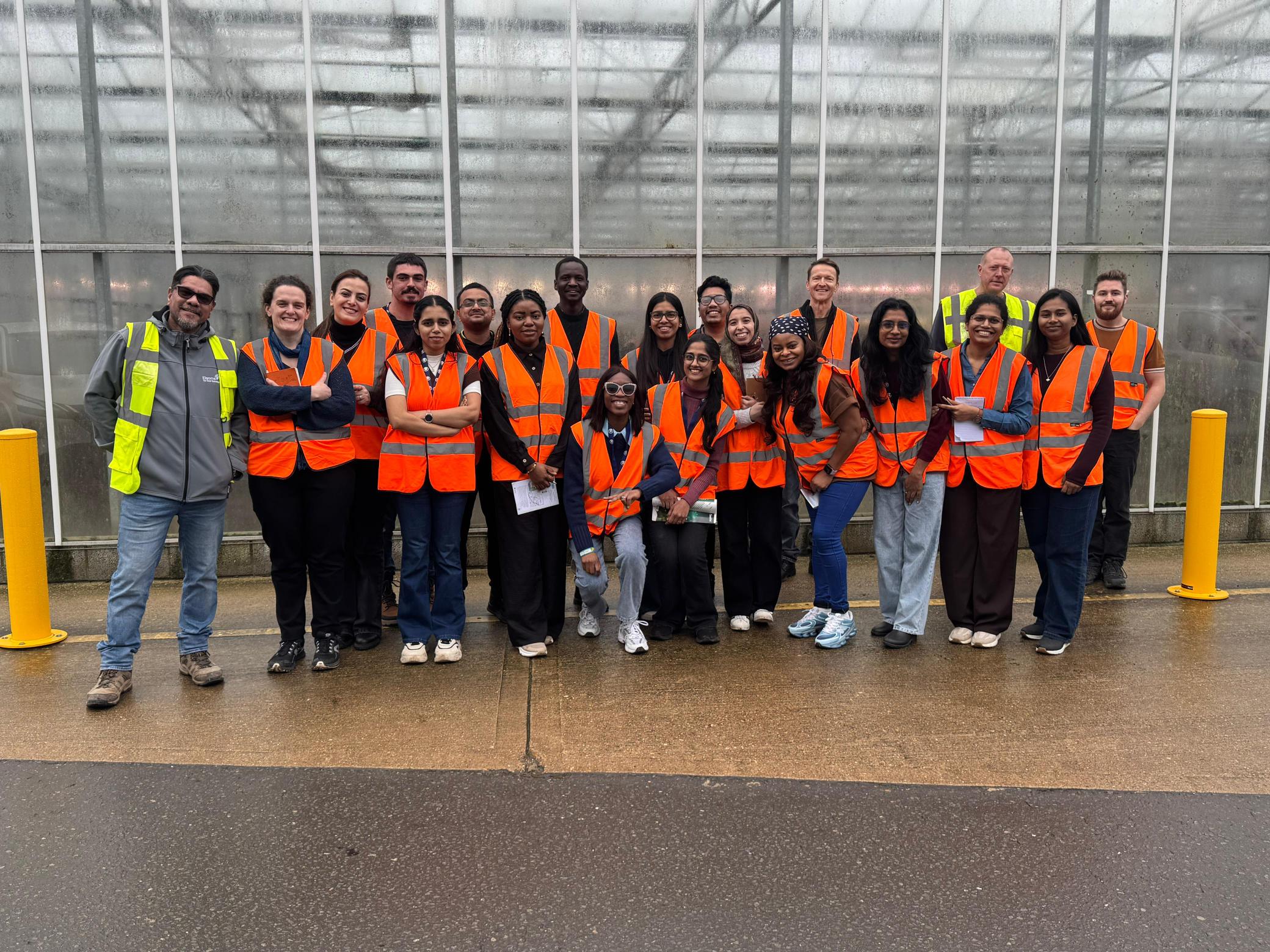
From Nigeria to Cranfield: My journey into Future Food Sustainability
My name is Jolaosho Eniola, and I’m studying the MSc in Future Food Sustainability. I’m originally from Nigeria, and I’m passionate about food systems, food sustainability, food supply chain and creating solutions that improve ...

How to present well as a group
You will have put a lot of work into your research or group project and want to show everyone what you have achieved or discovered, so you need to impart this knowledge as clearly as ...